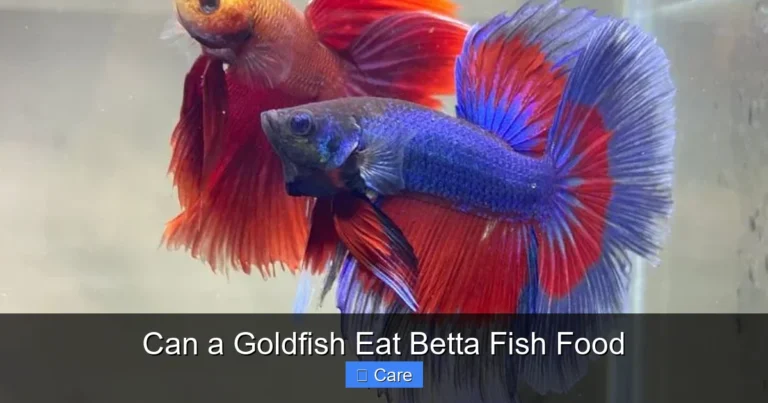
How Often Do You Need to Feed Betta Fish for Best Health

Knowing how often do you need to feed betta fish is the single most important step in keeping your aquatic pet healthy and vibrant. Most adult bettas thrive on a simple routine of two small meals per day with one fasting day each week to support digestion. Overfeeding is the fastest way to cause bloating, poor water quality, and shortened lifespans. By following a consistent schedule and watching your fish closely, you will build a strong foundation for long-term happiness.
Keeping a betta fish happy starts with a very simple habit. You just need to know how often do you need to feed betta fish and stick to a steady routine. Many new owners worry about getting the schedule perfect, but the truth is quite straightforward. Your fish does not need a complicated meal plan. It needs consistency, proper portions, and clean water.
Bettas are small but energetic creatures. They burn energy quickly, yet their stomachs are surprisingly tiny. A good rule of thumb is to offer only what they can finish in a couple of minutes. When you follow that simple guideline, you avoid the most common mistakes that cause stress and illness. Let us break down everything you need to know about building a healthy feeding routine.
Key Takeaways
- Stick to a simple routine: Feed adult bettas twice daily with portion sizes that match their stomach size.
- Include a weekly fast: Skip one day of feeding each week to prevent digestive issues and bloating.
- Watch for overfeeding signs: Cloudy water, uneaten food, and a swollen belly mean you are giving too much.
- Adjust for age and activity: Baby bettas need more frequent meals, while older or less active fish need smaller portions.
- Choose the right food: High-quality pellets or frozen treats work best, but variety keeps nutrition balanced.
- Remove leftovers quickly: Uneaten food decays fast and harms water quality, so clean up after each meal.
- Track behavior closely: Active swimming and steady appetite show your schedule is working perfectly.
📑 Table of Contents
Understanding How Often Do You Need to Feed Betta Fish
The short answer is simple. Most adult bettas do best with two small meals each day. You can spread those meals out, like one in the morning and one in the evening. This pattern matches their natural foraging rhythm and keeps their energy steady. Young bettas or very active fish may need slightly more attention, but the core idea stays the same.
Your fish stomach is about the size of its eye. That visual clue helps you avoid pushing too much food into the tank. When you offer a pinch of pellets or a few frozen bites, watch how quickly your betta eats. If the food disappears fast and the fish looks satisfied, you hit the right amount. If pieces sink and sit untouched, you gave too much.
Consistency matters more than perfection. Fish adapt well to predictable routines. They learn when to expect food, and that reduces stress. A calm fish shows brighter colors, swims with confidence, and interacts more with you. You will notice the difference within a few weeks of steady care.
Why Daily Schedule Matters for Betta Health
A steady feeding schedule supports digestion and metabolism. Betta fish do not handle large swings in food intake very well. Skipping meals randomly or dumping extra food on certain days can upset their gut. A predictable rhythm keeps their system balanced and helps them absorb nutrients better.
Water quality also ties directly to your schedule. Every piece of food that stays in the tank breaks down over time. That process releases waste that clouds the water and stresses your fish. When you feed on a set schedule and remove leftovers, you protect the tank environment. Clean water means healthier gills, stronger immunity, and a longer life.
You can also use feeding time as a quick health check. Watching your betta eat gives you a clear view of its behavior. A healthy fish moves toward food with interest. A sluggish fish may hide or ignore meals. Those small observations help you catch problems early, before they become serious.
The Ideal Feeding Schedule for Adult Bettas
Adults thrive on a simple two-meal plan. Offer a small portion in the morning and another small portion at night. Keep each serving light enough that your fish finishes it within two to three minutes. If you are unsure about portion size, start smaller than you think you need. You can always add a tiny bit more next time.
One day of fasting each week is highly recommended. Many experienced keepers choose a specific day, like Wednesday or Sunday, and skip food entirely. This short break gives the digestive system time to clear out waste and reduces the risk of bloating. Fasting is safe for healthy adults and often improves overall vitality.
If your schedule is busy, you can still keep things simple. Set a phone reminder or link feeding to another daily habit. The goal is reliability, not complexity. Your betta will adjust quickly, and you will avoid the guesswork that leads to overfeeding.
Adjusting Meals Based on Age and Activity
Young bettas need more frequent attention than adults. Fry and juveniles grow fast, so they benefit from small meals spread across the day. You can offer food three to four times daily in very tiny amounts. The key is to keep each serving minimal and watch for steady growth.
Older bettas or less active fish may need slightly smaller portions. Metabolism slows down with age, and a heavy meal can sit in the gut too long. If your fish spends more time resting near the bottom or near decorations, scale back a little. You can still keep the twice-daily rhythm, but reduce the amount per meal.
Activity level also changes with tank setup. A spacious tank with gentle flow and interesting plants encourages movement. More movement means slightly higher energy use. A compact setup with less swimming may call for lighter portions. Observe your fish closely and let behavior guide your adjustments.
Signs Your Feeding Schedule Is Working
A well-fed betta shows clear signs of good health. Look for steady swimming, alert reactions, and a smooth body shape. The fins should look full and intact, not clamped or frayed. Colors often appear richer when nutrition and routine are balanced.
Appetite is another strong indicator. A healthy fish approaches food quickly and eats with confidence. It does not spit out every piece or ignore the meal completely. When you see consistent interest day after day, your schedule is likely on track.
Water clarity matters too. If the surface stays clean and the substrate looks tidy between changes, your portions are probably right. Cloudy water or a layer of leftover food points to excess. Adjust downward and watch the tank respond within a few days.
Portion Control and Food Types
Portion control is the heart of good betta care. You do not need a scale or a measuring spoon. You just need to match the meal to your fish size and watch the eating speed. A few high-quality pellets per meal are usually enough for an adult. If you use frozen or live treats, keep the portion small and treat them as a supplement rather than the main diet.
Food type affects both nutrition and water quality. Pellets designed for bettas sink slowly and hold their shape well. That makes them easy to track and easy to remove if leftovers appear. Frozen options like bloodworms or brine shrimp add variety and can stimulate natural hunting behavior. Live foods work too, but they should be used carefully to avoid introducing problems.
Variety helps prevent nutritional gaps. A diet built around one item can leave out important nutrients over time. Rotating between pellets, frozen treats, and occasional live items creates a more balanced intake. Just keep each item in moderation so the main routine stays steady.
Best Food Choices for Daily Meals
High-quality betta pellets should form the base of your routine. Look for formulas with clear protein sources and minimal fillers. A good pellet breaks down slowly, which gives your fish time to eat without clouding the water too fast. Start with a small pinch and adjust based on how quickly the food disappears.
Frozen treats work well for adding variety. They are convenient, easy to store, and simple to portion. Thaw a tiny amount before offering it to your fish. This keeps the food manageable and reduces waste. Many keepers use frozen items once or twice a week as a supplement to the main pellet routine.
Live foods can be exciting for bettas, but they require extra care. Only use sources you trust, and rinse items gently before feeding. Live meals can trigger strong feeding responses, which is great for appetite, but they should stay occasional rather than daily. Balance is the goal.
Foods to Avoid and Why
Some items look harmless but cause real trouble. Dry flakes that swell quickly can expand in the stomach and create discomfort. Large chunks of tough food are hard to digest and often go uneaten. Sticky or oily foods can foul the water and leave a film on the surface.
Human snacks and random table foods are poor choices. They often contain salt, seasoning, or preservatives that do not suit fish health. Even small tastes can upset the gut or degrade water quality. Stick to items made for aquatic pets, and keep the menu simple.
Overfeeding is the biggest risk, even with good food. Extra portions do not make your fish healthier. They create waste, stress the filter, and increase the chance of bloating. When in doubt, offer less and watch the response.
Common Feeding Mistakes and How to Avoid Them
The most common mistake is offering too much food at once. It is easy to assume a hungry-looking fish needs a full spoonful, but bettas do best with tiny meals. Start small, watch the eating speed, and stop when the fish loses interest. That simple habit prevents most digestive problems.
Another frequent error is ignoring leftovers. Uneaten food sinks, breaks down, and releases waste into the water. That process clouds the tank and stresses your fish. Make it a habit to remove stray pieces after each meal. A small net or careful siphon work well for quick cleanup.
Random feeding is also a problem. Dropping food at odd times or doubling up after a missed meal confuses the routine. Fish adapt best to predictability. If you miss a feeding, just continue with the next scheduled meal. Do not try to catch up by adding extra food.
Quick Tips for Safer Feeding
Keep a small log if you want extra consistency. A simple note on your phone can track portion size, meal times, and any changes in appetite. That record helps you spot patterns and make small adjustments before problems grow.
Use a consistent feeding spot if your tank allows it. A quiet corner with low current makes it easier for your betta to find the food. This reduces stress and helps slower eaters get their share. It also makes it easier for you to see what gets eaten and what does not.
Watch the belly shape after meals. A slight roundness is normal right after eating, but it should soften as digestion progresses. A persistently swollen belly suggests the portion is too large or the fasting day is being skipped. Adjust gently and give the fish time to respond.
Expert Insights on Routine and Water Quality
Experienced keepers often say that feeding is really water management in disguise. Every meal affects the tank, so the best routine protects both the fish and the environment. Small portions, steady timing, and quick cleanup create a stable cycle. That stability supports stronger immunity and fewer sudden health issues.
Observation is another expert favorite. Spending a minute during each feeding teaches you what normal behavior looks like. You will notice subtle changes in speed, appetite, and posture. Those early clues help you respond before a minor issue becomes a major one.
Many successful owners also keep a backup plan for travel or busy days. An automatic feeder can help maintain timing, but it should be tested before you rely on it. If you use one, start with small portions and check the tank frequently. The goal is steady care, not a set-and-forget shortcut.
Troubleshooting Appetite and Digestion Issues
Sometimes a betta loses interest in food. That change can come from stress, poor water conditions, temperature swings, or minor illness. Start by checking the basics. Make sure the temperature is stable, the water is clean, and the fish has places to rest without being crowded. Small environment fixes often restore appetite quickly.
Bloating is another concern that ties directly to feeding habits. If the belly looks puffy and the fish struggles with balance, review your portion size and fasting routine. Reduce meals slightly, skip one day if you have not already, and keep the tank warm and calm. Gentle consistency usually helps more than dramatic changes.
If problems continue, look at the whole routine. Are you offering too many treats? Are leftovers staying in the tank too long? Is the filter keeping up with the waste load? These questions often reveal the real cause. Adjust one thing at a time so you can see what helps.
When to Adjust Your Feeding Plan
You should adjust the plan when your fish shows clear signals. A consistently swollen belly, frequent spitting of food, or lingering uneaten pieces all suggest the current routine needs a tweak. Reduce the portion, keep the schedule, and watch for improvement over several days.
Growth stages also call for changes. Baby bettas need more frequent meals, while adults settle into a lighter routine. Older fish may prefer smaller servings and a calm environment. Let age and behavior guide you instead of sticking rigidly to one size fits all approach.
Seasonal changes can affect activity too. Some fish move less during cooler periods or when the tank light schedule shifts. If your betta becomes less active, lower the portion slightly and keep the routine steady. Small adjustments prevent waste and keep digestion comfortable.
Building a Long-Term Feeding Routine
A strong routine is simple, repeatable, and easy to maintain. Pick two meal times that fit your day, choose a trusted food, and keep portions small. Add one fasting day each week, and make cleanup part of the process. That is the core of a healthy betta feeding plan.
Track what works and keep it consistent. If your fish thrives on a certain pellet brand and a morning-evening schedule, stay with it. Change only when you see a clear reason. Frequent switches create confusion and make it harder to notice what affects health.
Remember that feeding is only one part of care. Clean water, stable temperature, and a calm setup work together with your feeding routine. When all these pieces align, your betta has the best chance to stay active, colorful, and healthy for the long run.
Conclusion
Learning how often do you need to feed betta fish is one of the easiest and most important steps in proper care. A simple twice-daily routine, small portions, and one weekly fasting day create a strong foundation for health. Watching your fish eat, removing leftovers, and keeping the schedule steady will prevent most common problems. With a little consistency and observation, you can give your betta a comfortable life and enjoy a vibrant, active companion every day.
Frequently Asked Questions
How many times a day should I feed my betta fish?
Most adult bettas do best with two small meals each day, one in the morning and one in the evening. Keep each portion light so the fish can finish it quickly. A steady routine supports digestion and helps maintain clean water.
Can I skip feeding my betta fish for a day?
Yes, skipping one day per week is often helpful for adult bettas. A short fasting day gives the digestive system time to clear and reduces the risk of bloating. Healthy adults handle this break well, but young or weak fish may need a different approach.
What happens if I overfeed my betta fish?
Overfeeding can cause bloating, sluggish behavior, and poor water quality from leftover food. Uneaten pieces break down quickly and add waste to the tank. Feeding smaller portions and removing extras helps prevent these problems.
How much food should I give my betta fish at one time?
A good starting point is a few pellets or a tiny pinch of frozen food that the fish can finish in two to three minutes. Your betta stomach is small, so it is better to underfeed slightly than to offer too much. Adjust based on how quickly the food disappears.
Do baby betta fish need to be fed more often?
Yes, young bettas usually need more frequent meals because they are growing fast. Small portions offered several times a day work well for juveniles. As they mature, you can gradually shift toward the adult twice-daily routine.
What is the best food for a betta fish routine?
High-quality betta pellets make a strong daily base because they are easy to portion and track. Frozen treats can be added occasionally for variety and enrichment. A simple, balanced menu with modest portions usually works better than a complicated mix of foods.