Do Betta Fish Need Bubblers

Betta fish can live happily without a bubbler, thanks to their labyrinth organ that lets them breathe surface air. However, a gentle air pump can improve water quality, reduce stress, and support breeding. Choose the right setup based on tank size, décor, and your fish’s health.
Key Takeaways
- Labyrinth organ: Betta’s natural breathing tool lets them survive low‑oxygen water.
- Bubble‑free tanks work: A well‑filtered, warm tank often provides enough oxygen.
- When to add a bubbler: Small, unfiltered bowls, heavy plant load, or sick fish benefit most.
- Choose a gentle pump: Strong currents stress bettas; opt for a low‑flow air stone.
- Maintenance matters: Clean the bubbler regularly to avoid harmful ammonia spikes.
- Complement, don’t replace: Bubblers are a supplement to good filtration and heating.
- Observe your fish: Fast‑gasping, lethargy, or faded colors signal oxygen issues.
📑 Table of Contents
- Introduction: The Betta’s Unique Breath
- 1. Understanding Betta Respiration
- 2. When a Bubbler Is Actually Helpful
- 3. Choosing the Right Bubbler
- 4. Integrating Bubblers with Other Tank Essentials
- 5. Practical Setup Guide: Adding a Bubbler to Your Betta’s Home
- 6. Signs Your Betta Needs More Oxygen
- Conclusion: Tailor the Bubbler to Your Betta’s World
Introduction: The Betta’s Unique Breath
When you first bring home a betta, the most striking thing you’ll notice is its flamboyant fins and bold personality. Less obvious, but equally fascinating, is the tiny “lung” hidden behind its gills – the labyrinth organ. This organ lets the betta gulp air from the surface, a trait that has turned many hobbyists into “bubbler‑free” believers.
But the question still pops up again and again in forums and pet‑store aisles: Do betta fish need bubblers? The answer isn’t a simple yes or no. It depends on the tank’s size, filtration, décor, and the health of your fish. In this guide we’ll break down the science, share real‑world examples, and give you a step‑by‑step plan to decide if a bubble pump belongs in your betta’s home.
1. Understanding Betta Respiration
1.1 The Labyrinth Organ Explained
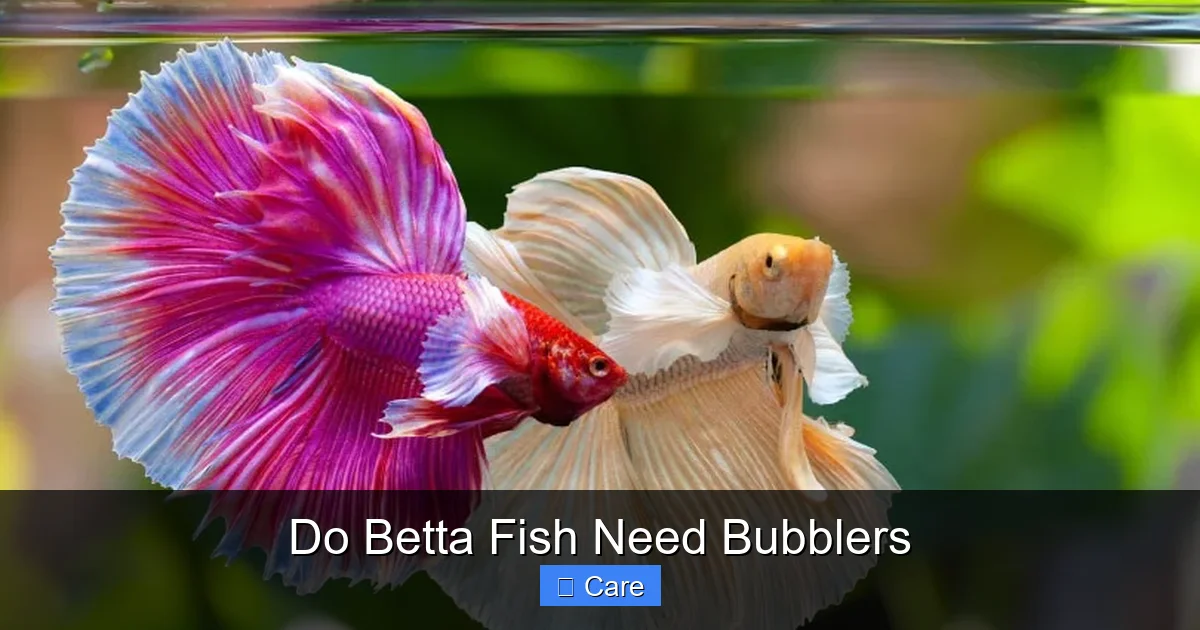
The labyrinth organ is a maze‑like structure located in the fish’s head. It extracts oxygen from air that the betta swallows at the water’s surface. This adaptation evolved in shallow, stagnant waters of Southeast Asia where dissolved oxygen can be low.
Visual guide about Do Betta Fish Need Bubblers
Image source: thevetdesk.com
1.2 How Much Oxygen Do Betta Need?
In a well‑aerated tropical tank (around 78‑80°F), dissolved oxygen (DO) levels typically sit between 6‑8 mg/L – more than enough for a healthy adult betta. However, if the water becomes warm, still, or overly stocked, DO can dip below 4 mg/L, and the fish will rely more heavily on surface breathing.
1.3 The Role of Surface Area
Even without a bubbler, a calm surface provides a “gas exchange” zone where oxygen enters and carbon dioxide leaves. A wide‑top tank or a shallow bowl offers more surface than a tall, narrow container, making the need for extra aeration lower.
2. When a Bubbler Is Actually Helpful
2.1 Small Bowls and Unfiltered Setups
Many beginners start bettas in tiny 1‑gallon bowls. These lack filtration and often become warm quickly, reducing oxygen levels. A low‑flow air stone can keep the water moving just enough to prevent stagnation.

Visual guide about Do Betta Fish Need Bubblers
Image source: thevetdesk.com
2.2 Heavy Plant Loads or Substrate Overload
Live plants are fantastic, but a dense carpet of moss or a thick layer of sand can block the surface, limiting gas exchange. A gentle bubble stream creates micro‑currents that keep the surface exposed.
2.3 Sick or Injured Betta
When a betta is recovering from a bacterial infection or fin rot, its metabolic rate may increase, demanding more oxygen. Adding a quiet bubbler can help the fish recover faster.
2.4 Breeding Season and Bubble Nests
Male bettas build bubble nests for their eggs. While the bubbles they create are not for oxygen, a consistent airflow can encourage healthier nest building by keeping the water surface clean.
3. Choosing the Right Bubbler
3.1 Air Pump vs. Inline Aerator
Most hobbyists use an external air pump with an air stone. Inline aerators attach to a filter’s outflow and create fine bubbles without adding extra equipment. For a betta, the quieter the better – loud pumps can stress the fish.
Visual guide about Do Betta Fish Need Bubblers
Image source: dsflyfishing.com
3.2 Flow Rate Matters
Betta fins are delicate; a strong current can cause fin damage or constant fatigue. Look for pumps rated under 0.5 LPM (liters per minute) and pair them with a porous stone that diffuses the bubbles.
3.3 Placement Tips
- Position the stone near the opposite corner of the tank from the filter intake to create a gentle circular flow.
- Hide the stone behind décor (rocks, driftwood) to avoid startling the fish.
- Keep the stone at least 2‑3 inches above the bottom to prevent debris buildup.
4. Integrating Bubblers with Other Tank Essentials
4.1 Filtration Works Hand‑in‑Hand with Aeration
A good filter not only removes waste but also agitates water, raising oxygen levels. If you already have a reliable filter, a bubbler may be redundant. See our guide on Do Betta Fish Need Filters for more details.
4.2 Temperature Control
Warmer water holds less dissolved oxygen. Maintaining a stable temperature (78‑80°F) with a heater is vital. Over‑heating can make a bubbler essential. Read about proper heating in Do Betta Fish Need Heater.
4.3 Light and Plant Balance
Strong lighting boosts plant photosynthesis, which releases oxygen during the day but can consume it at night. A nighttime bubbler ensures the tank stays oxygenated even when lights are off.
4.4 Tank Size Considerations
In a 5‑gallon tank with a gentle filter, the water volume itself provides ample oxygen. In a 2‑gallon bowl, the same fish will benefit more from added bubbles. For detailed space guidelines, see How Much Space Do Betta Fish Need.
5. Practical Setup Guide: Adding a Bubbler to Your Betta’s Home
5.1 Gather Your Materials
- Quiet air pump (rated ≤0.5 LPM)
- Fine‑porous air stone or bubble wand
- Silicone tubing (1‑2 ft)
- Air valve (optional, for flow control)
- Scissors and a small screwdriver
5.2 Step‑by‑Step Installation
- Position the pump: Place it on a stable surface outside the tank, away from direct sunlight.
- Cut the tubing: Measure a length that reaches the tank’s side without stretching.
- Attach the stone: Insert the stone into one end of the tubing; secure with a zip tie if needed.
- Connect to the pump: Fit the other end of the tube into the pump’s air inlet.
- Seal any gaps: Use silicone to seal the hole where the tube enters the tank lid, preventing leaks.
- Adjust flow: If your pump has a valve, turn it down until bubbles rise slowly and evenly.
- Observe: Watch your betta for a few minutes. He should swim near the surface without frantic gulping.
5.3 Maintenance Checklist
- Check the stone weekly for algae; rinse with aquarium water.
- Replace the stone every 2‑3 months to maintain bubble size.
- Wipe the pump’s intake screen monthly to avoid clogs.
- Test water parameters (ammonia, nitrite, pH) after any major cleaning.
6. Signs Your Betta Needs More Oxygen
6.1 Rapid Surface Gulping
If you see your betta darting to the top every few seconds, it may be compensating for low DO.
6.2 Lethargy or Flared Fins
A tired fish often rests at the bottom with fins slightly spread. This can indicate stress from poor water quality, not just oxygen.
6.3 Faded Colors
Oxygen‑starved bettas can lose their vibrant hues. Improving aeration often brings the color back.
6.4 Labyrinth Organ Damage
Injuries to the organ (often from rough décor) reduce air‑breathing ability. A bubbler becomes crucial in such cases.
Conclusion: Tailor the Bubbler to Your Betta’s World
Betta fish are uniquely equipped to survive in low‑oxygen environments thanks to their labyrinth organ. This means a bubbler is not a strict requirement for most healthy, well‑maintained tanks. However, when you’re dealing with small bowls, heavy plant loads, or a recovering fish, a gentle air pump can make a noticeable difference in health, behavior, and breeding success.
Think of the bubbler as a supportive accessory rather than a lifesaver. Pair it with proper filtration, stable temperature, and regular water changes, and your betta will thrive—whether the water is bubbling or not.
Frequently Asked Questions
Do betta fish need a bubbler in a filtered tank?
Usually not. A good filter circulates water and adds oxygen, so an extra bubbler is often unnecessary unless the tank is very small or heavily planted.
Can a strong air pump harm a betta?
Yes. Betta fins are delicate, and strong currents can cause fin damage and stress. Always choose a low‑flow pump and a fine‑mesh stone.
What is the best size of tank for a betta without a bubbler?
A minimum of 5 gallons is recommended. Larger volume provides more surface area for gas exchange and reduces the need for supplemental aeration.
How often should I clean the air stone?
Rinse the stone with tank water weekly and replace it every 2‑3 months to keep bubbles fine and prevent algae buildup.
Will a bubbler help my betta breed?
It can. Gentle surface agitation keeps the water clean and encourages males to build stronger bubble nests, which can improve breeding success.
Is a bubbler necessary for bettas in heated water?
Warm water holds less oxygen, so if your heater raises the temperature above 80°F, a modest bubbler can help maintain adequate oxygen levels.