Can Betta Fish Sleep
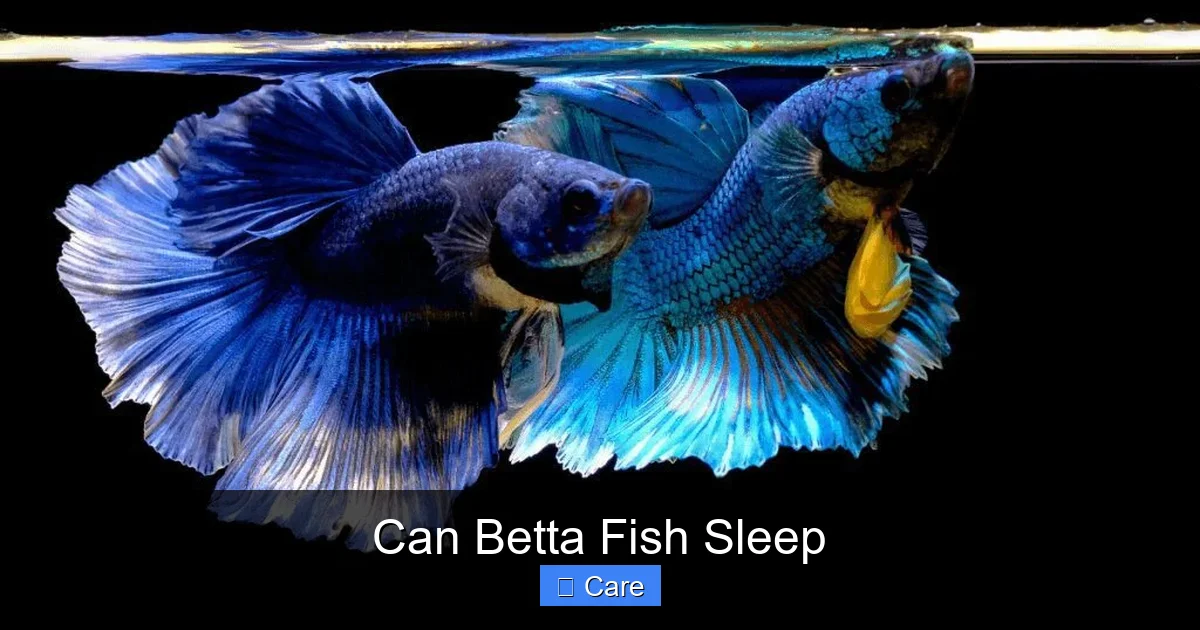
Yes, betta fish do sleep, but not like humans. They enter a state of rest that can look like they’re dead, often floating motionless or wedged in plants. Understanding their unusual sleep habits is crucial for proper care, as factors like lighting, tank setup, and water quality directly impact their ability to rest and stay healthy. Providing a calm, properly decorated environment mimics their natural habitat and promotes well-being.
Key Takeaways
- Betta fish do sleep, but without eyelids, so they rest with eyes open in a state of reduced activity.
- Their sleep can appear alarming, including floating upside down or wedged in decorations, which is often normal.
- Light cycles are critical; bettas need consistent periods of darkness (8-12 hours) to rest properly.
- A properly furnished tank is essential for rest, providing leaves, plants, or caves for them to sleep on or in.
- Poor sleep is a red flag for stress or illness, often linked to bad water quality, incorrect lighting, or a noisy environment.
- Betta sleep patterns are flexible—they nap throughout the day and night, not just at night like humans.
- Never disturb a resting betta; sudden disturbances during their rest periods can cause significant stress.
📑 Table of Contents
- Do Betta Fish Sleep? The Surprising Truth
- The Science Behind Betta Fish Sleep
- What Healthy Betta Sleep Actually Looks Like
- Light, Darkness, and Betta Rest Cycles
- Creating the Perfect Sleep Environment in Your Tank
- Sleep and Betta Health: The Vital Connection
- Addressing Common Owner Myths and Mistakes
- Conclusion: A Restful Betta is a Happy Betta
Do Betta Fish Sleep? The Surprising Truth
You’ve probably seen it. Your beautiful betta fish, usually a vibrant burst of color zipping around the tank, suddenly goes completely still. It might be floating at the surface, sinking to the bottom, or even resting upside down wedged between a plant leaf and the glass. Your heart skips a beat. “Is my betta dead?” It’s the number one question new betta owners ask, and the answer is almost always: No, it’s probably just sleeping. But betta fish sleep is one of the most misunderstood aspects of their behavior because it looks nothing like human sleep, or even the sleep of many other common pets.
Betta fish absolutely do require rest. However, their evolutionary history as air-breathing fish from shallow, often stagnant rice paddies in Southeast Asia has shaped a very unique approach to downtime. They don’t have eyelids, so they can’t close their eyes. They don’t have a traditional sleep-wake cycle synced perfectly to the sun. Instead, they enter periods of inactivity that serve the same restorative purpose. Understanding these patterns isn’t just curiosity—it’s a cornerstone of providing proper betta fish care. A betta that can’t get proper rest is a stressed betta, and a stressed betta is far more susceptible to disease. Let’s dive deep into the fascinating world of betta sleep, debunk the myths, and learn exactly how to ensure your Siamese fighting fish gets the quality rest it needs to thrive.
The Science Behind Betta Fish Sleep
To understand betta sleep, we must first understand what sleep means for a fish. In scientific terms, sleep in fish is defined by periods of reduced activity, reduced responsiveness to stimuli, and a specific posture. For bettas, this state is more accurately called “rest” or “inactivity” because they lack the brainwave patterns (like REM sleep) seen in mammals and birds. However, the function is identical: restoration, memory consolidation, and energy conservation.
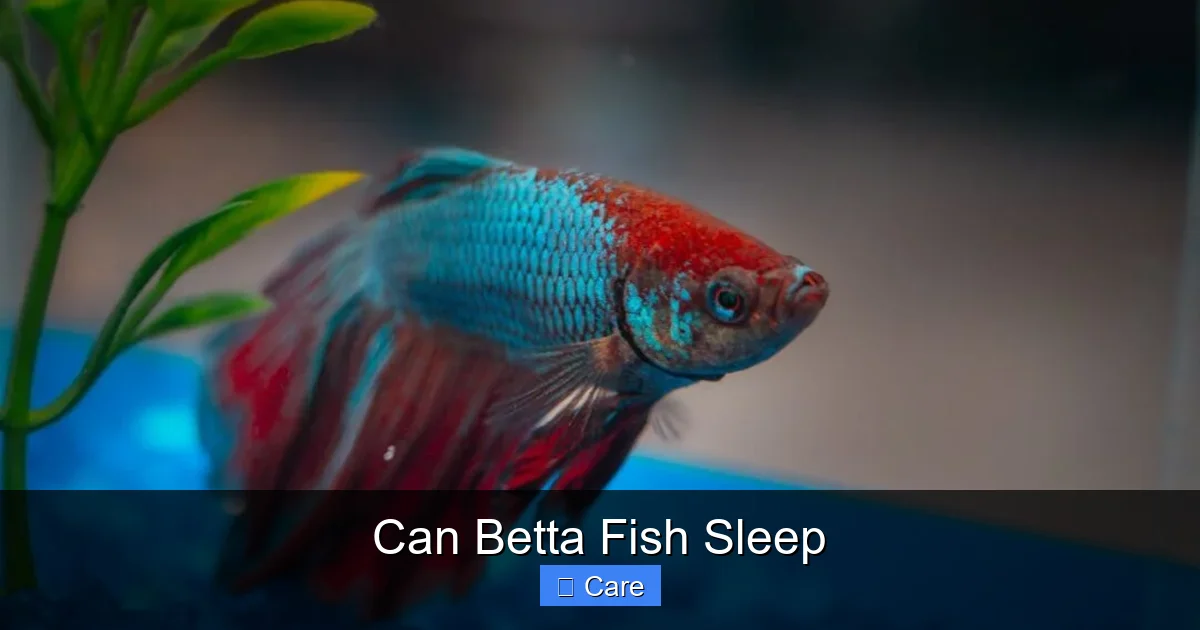
Visual guide about Can Betta Fish Sleep
Image source: aquariumbuddies.com
An Evolutionary Adaptation: The Labyrinth Organ
The betta’s most famous feature, the labyrinth organ, is a modified gill structure that allows them to breathe atmospheric air directly from the surface. This adaptation lets them survive in oxygen-poor water. It also profoundly affects their sleep. Because they need to gulp air, they cannot enter a state of deep, unconscious sleep like a mammal. They must remain semi-aware to come to the surface for that critical gulp of air. This is why you’ll often see a sleeping betta positioned very close to the water’s surface—it minimizes the effort needed to breathe. Their rest is a light, dozing state, not a coma.
No Eyelids, No “Lights Out” Signal
Without eyelids, bettas cannot visually signal they are sleeping. Their eyes remain open, glazed over, and may even appear rolled back or cloudy. This is a natural part of their rest. Furthermore, the absence of eyelids means they have no physical barrier to block light. In the wild, their habitats are often shaded by overhanging vegetation. In our aquariums, bright lights can penetrate their rest period, making it harder for them to achieve true inactivity. This is why managing your aquarium’s photoperiod is so vital for betta sleep health.
What Healthy Betta Sleep Actually Looks Like
This is where most owners get confused and alarmed. A sleeping betta can exhibit a wide range of behaviors that seem like distress, injury, or death. Recognizing the difference between a resting betta and a sick one is a critical skill for any owner.
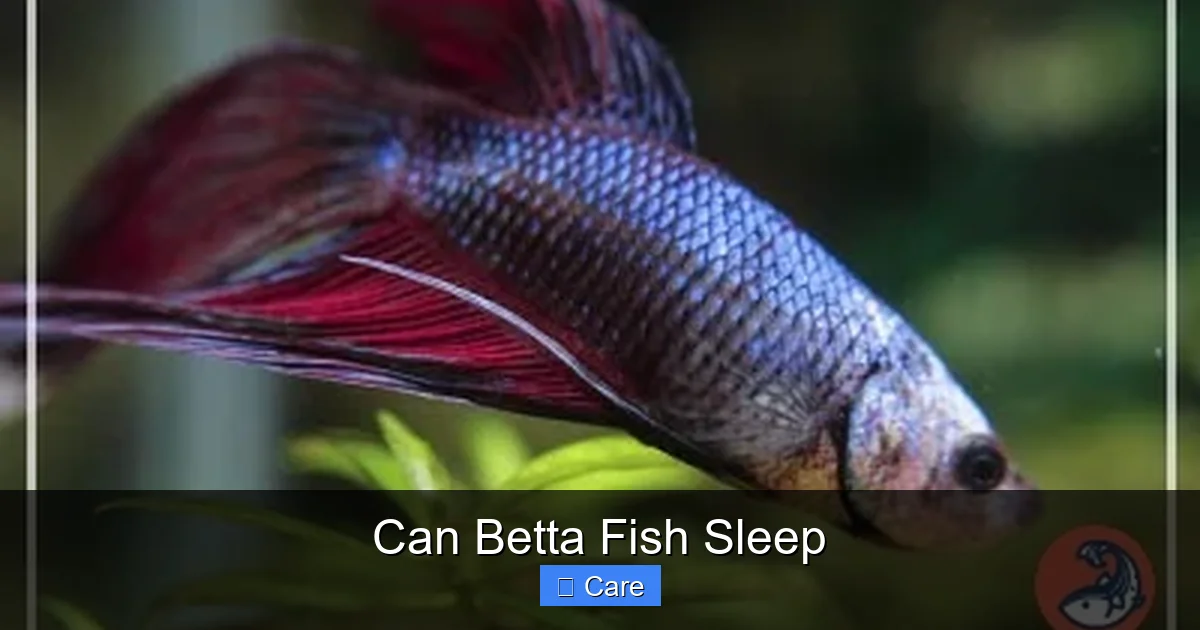
Visual guide about Can Betta Fish Sleep
Image source: aquariumnexus.com
Common Sleeping Positions and What They Mean
- Vertical Hovering or “Floating Dead”: This is the classic. The betta is motionless near the top, sometimes at a 45-degree angle, perhaps with fins slightly collapsed. This is very common, especially after a meal or in the evening. It’s usually harmless if the betta quickly swims away when gently stimulated (e.g., by a finger near the glass).
- Resting on the Bottom: A betta lying on the substrate isn’t automatically dead. Many bettas, especially older or more relaxed ones, will find a smooth rock, a patch of sand, or a broad leaf and rest there. The key is posture. A sleeping betta on the bottom will often have its fins slightly extended and may gently adjust its position. A sick or dying betta will often be clamped tight, pale, and unresponsive.
- Wedged in Plants or Decor: Betta fish love security. In the wild, they hide in dense vegetation. In a tank, they will often find a comfortable spot between a plant leaf and the glass, or inside a hollow ornament, and sleep wedged in place. This is a sign of feeling safe. Ensure any decorations used have no sharp edges that could damage their delicate fins.
- Upside Down or Sideways: This can be the most alarming sight. A betta resting upside down at the surface or on the bottom is often perfectly normal. Their swim bladder, an organ that controls buoyancy, can relax during rest, causing them to tilt. This is usually not a cause for concern if it’s only observed during periods of inactivity and the fish corrects itself upon waking. Persistent upside-down swimming is a sign of swim bladder disorder (SBD), which is a separate health issue.
How to Tell if Your Betta is Sleeping or Sick
Always perform a gentle, non-stressful check. Do not bang on the glass. Instead, slowly move your finger near the tank or create a gentle shadow. A sleeping betta will usually dart away or give a slow, lazy flick of a fin within a few seconds. A sick or dying betta will show no response. Other red flags include: persistent clamping of fins, significant loss of color, labored breathing (gasping at the surface excessively), visible sores or fuzzy patches (fungus/bacteria), and a complete lack of response for more than a minute or two. When in doubt, observe from a distance for 15-30 minutes. A healthy betta will shift positions, come up for air, and show subtle movements even during rest.
Light, Darkness, and Betta Rest Cycles
In their natural habitat, bettas experience a natural day/night cycle with periods of bright sunlight filtered through dense canopy and periods of near-darkness. They are not nocturnal, but they are not strictly diurnal either. They are crepuscular, meaning they are most active during dawn and dusk, and they take frequent naps throughout the 24-hour period. However, a prolonged period of true darkness is essential for their circadian rhythm and deep rest.
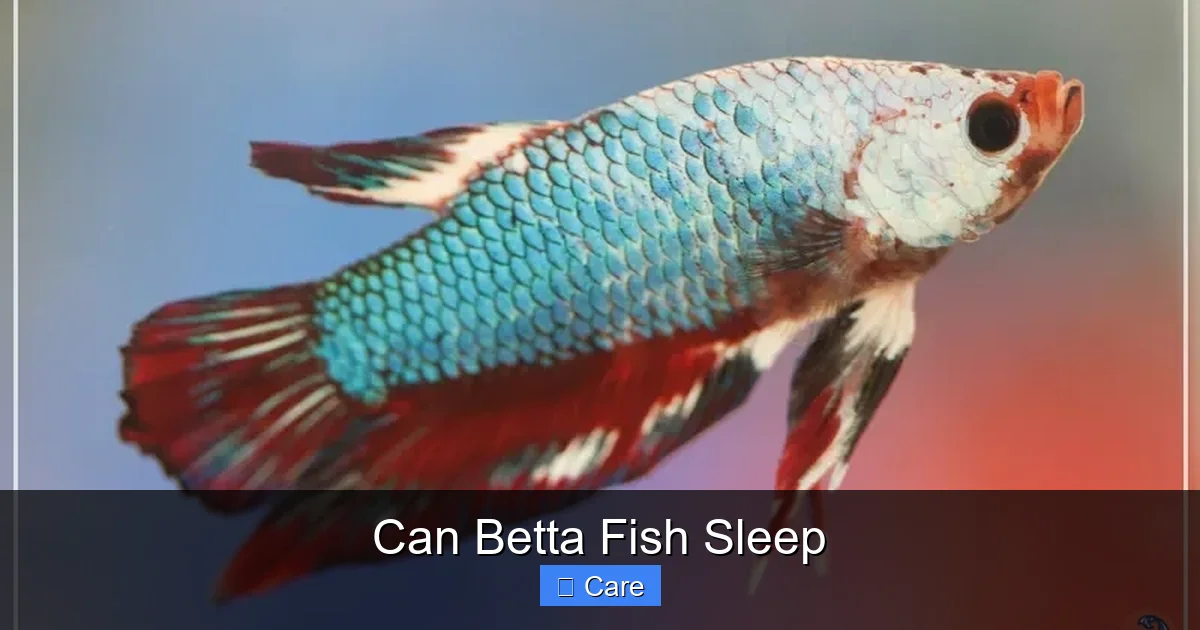
Visual guide about Can Betta Fish Sleep
Image source: aquariumnexus.com
Why Consistent Darkness Matters
Constant light disrupts a betta’s internal clock. It prevents them from entering a prolonged rest state, leading to chronic stress. Stress compromises their immune system, making them prone to illnesses like Ich (white spot disease) or fin rot. A proper light cycle mimics nature and signals to their body when it’s time to wind down. Aim for 10-12 hours of light and 12-14 hours of complete darkness each day. Using a simple outlet timer for your aquarium light is one of the best investments you can make for your betta’s long-term health and sleep quality.
Managing Brightness and Spectrum
Betttas themselves are not particularly sensitive to bright light—they can tolerate it. However, their tank environment is. Bright, harsh LED lights can cause stress by making them feel exposed (they are prey animals in the wild) and can promote excessive algae growth. Use a light with adjustable brightness if possible. For many betta setups, a low to medium intensity is sufficient. Also, consider the spectrum. Full-spectrum lights are great for plant growth, but if you have a simple betta tank, a warmer, more subdued light can be less stressful. Providing plenty of floating plants (real or silk) or broad-leaved plants creates shaded areas where the betta can retreat if the light feels too intense.
Creating the Perfect Sleep Environment in Your Tank
The physical setup of your betta’s home is the single biggest factor determining the quality of its sleep. A bare tank with a solitary betta is a stressful, unstimulating environment that offers no security for rest. Your goal is to replicate the complex, vegetation-rich shallow waters they call home.
The Importance of Vertical Space and “Beds”
Betttas are surface-oriented resters due to their labyrinth organ. They prefer to sleep near the top half of the water column. Floating plants are non-negotiable for a happy, well-rested betta. Species like Salvinia molesta, Duckweed, or Water Sprite form dense mats on the surface. These serve multiple purposes: they diffuse light, reduce the betta’s feeling of exposure, and, most importantly, provide a perfect, comfortable “bed” of soft leaves for the betta to rest on. Betttas will often sleep perched on the underside of these floating leaves, a behavior that looks incredibly odd but is perfectly natural. If live floating plants are too much work, high-quality silk plants with broad, soft leaves (like the Amazon Sword or Anubias varieties) attached to the tank wall or a suction cup are an excellent, low-maintenance alternative.
Hiding Spots and Territorial Security
Betttas are also territorial. They need to feel they have a secure domain where they won’t be startled. Provide caves, hollow logs, or dense clusters of mid-level plants (both live and silk). Java fern, Java moss, and Anubias attached to driftwood or rocks are fantastic, hardy live options. These structures allow the betta to tuck itself away for a deep rest, feeling protected from “predators” (which could be you walking past the tank, other pets, or even sudden movements). Ensure all decor is smooth; file down any rough edges on ornaments to prevent fin damage.
Water Parameters: The Foundation of Restful Sleep
Imagine trying to sleep in a room that’s too hot, too cold, or filled with fumes. That’s what poor water quality is for a betta. Ammonia or nitrite spikes, incorrect temperature, and improper pH cause constant, low-level stress that severely disrupts sleep. The ideal temperature for a betta is 78-80°F (25.5-26.5°C). Water that is too cold (below 76°F) slows their metabolism, making them lethargic and more prone to resting at the bottom, which can be mistaken for sickness. Water that is too warm increases their metabolic rate, causing stress and oxygen demand. Perform regular water changes (25-50% weekly for a filtered tank, more frequent for unfiltered bowls), use a reliable heater, and a gentle filter (a sponge filter is often ideal) to maintain pristine water conditions. Clean water is the bedrock of all betta health, including the ability to rest peacefully.
Sleep and Betta Health: The Vital Connection
You cannot separate a betta’s sleep from its overall health. They are two sides of the same coin. A betta that isn’t sleeping well will show it, and a betta that is sick will have disrupted sleep patterns. Observing your fish’s rest habits is one of the most powerful diagnostic tools you have.
Stress, Sleep Deprivation, and Disease
Chronic stress from environmental factors—poor water, wrong lighting, lack of hiding spots, aggressive tank mates (betta should almost always be kept alone)—leads to elevated cortisol levels. This suppresses the immune system. A sleep-deprived betta is an immunocompromised betta. It becomes a sitting duck for common aquarium diseases. You might notice your betta resting more erratically, not settling into a comfortable spot, or being easily startled awake. This is a clear sign the tank environment is failing. The solution is always to go back to the basics: test water, check heater, evaluate lighting schedule, and add more security/decor.
Changes in Sleep as a Health Symptom
While some sleeping positions are normal, a sudden, dramatic change is a major red flag. If your normally active betta that slept perched on leaves suddenly starts lying limp at the bottom for 24 hours straight, it’s sick. If a betta that usually rests at the surface suddenly can’t maintain buoyancy and sinks, it could be swim bladder disease, often caused by overfeeding or constipation. If a betta is sleeping excessively, combined with lethargy, loss of appetite, and faded colors, it points to a systemic illness like velvet disease, dropsy, or a severe bacterial infection. Your betta’s sleep behavior is its language. Learning to interpret it allows for early intervention.
Addressing Common Owner Myths and Mistakes
Misinformation about betta sleep leads to well-intentioned but harmful mistakes. Let’s set the record straight on the most pervasive myths.
Myth 1: “My betta is dead because it’s not moving!”
As detailed above, this is the most common panic. Remember: bettas rest in bizarre positions. The first test is gentle stimulation. Wait a few seconds after creating a shadow or vibration. A sleeping betta will react. If there is absolutely no movement for a minute or more, then you may have cause for concern. But nine times out of ten, that motionless betta is just dreaming betta dreams (even if they don’t have REM sleep!).
Myth 2: “Betttas need total darkness to sleep, so I should cover the tank at night.”
This is unnecessary and can be problematic. A normal room light turning off at night is sufficient. Covering the tank can trap humidity and heat, potentially leading to condensation issues and temperature fluctuations. The goal is a consistent light cycle, not absolute, cave-like darkness. A small nightlight in the room is fine; the betta will still rest. The key is the absence of the tank’s dedicated light source for a prolonged period.
Myth 3: “I should get my betta a little bed or hammock from the pet store.”
These products (often a suction-cup leaf) are not inherently bad, but they are a band-aid solution. A single hammock does not address the core environmental needs. A betta needs a variety of resting spots at different levels. A single leaf is better than nothing, but a tank with floating plants, broad-leaved plants, and a cave is a thousand times better. Invest in live or silk plants and natural decor first. The “betta bed” can be a nice supplement, but it’s not a substitute for a properly furnished environment.
Myth 4: “My betta sleeps all day; it must be bored.”
Not necessarily. Bettas are known for taking frequent, short naps throughout the day. A betta that seems to rest a lot but is alert, has a good appetite, and is colorful when active is likely just following its natural rhythm. However, if the betta is exclusively sedentary, never exploring, and shows no interest in food, this points to stress or illness. The key is to observe the pattern and the response when awake.
Conclusion: A Restful Betta is a Happy Betta
The enigmatic sleep of the betta fish is a window into their unique biology and a direct reflection of their captive environment. By now, it should be clear that those weird, motionless poses are not death rattles but essential moments of rest for a fish that must always be semi-alert to breathe. Your role as a caretaker is to facilitate this rest. This means establishing a reliable day/night cycle with proper darkness, furnishing the tank with abundant plants and hiding spots to provide security and preferred sleeping surfaces, and maintaining impeccable water quality to eliminate physiological stress. When you see your betta nestled peacefully on a broad leaf, floating serenely at the surface, or tucked into a cave, you are witnessing a sign of contentment and trust. You’ve created a habitat that meets not just their physical needs for clean water and food, but their profound psychological need for safety and rest. That is the essence of excellent betta fish care. So, the next time you find yourself holding your breath, peering at a seemingly lifeless form in the tank, take a moment to appreciate the fascinating rest cycle of this incredible creature—and then smile, because you’ve done your job well.
Frequently Asked Questions
Is it normal for a betta fish to sleep upside down?
Yes, it can be normal. During rest, a betta’s swim bladder may relax, causing it to float at an odd angle or even upside down. This is usually not a concern if the fish corrects itself when awake and shows no other signs of illness like lethargy or loss of appetite. Persistent upside-down swimming is a sign of swim bladder disorder.
How many hours a day do betta fish sleep?
Betttas don’t have one long sleep period like humans. They take numerous short naps throughout the 24-hour day and night, totaling perhaps 10-12 hours of rest in short intervals. The most important factor is ensuring they get a solid 10-12 hours of uninterrupted darkness to support their natural rest cycles.
Do betta fish sleep at night?
They do rest during the night, but not exclusively. Bettas are crepuscular, meaning they are most active at dawn and dusk. They will nap frequently during the day and night. However, the long, dark period is crucial for their deeper rest periods, so a consistent night cycle is very important.
Why does my betta fish look dead when it sleeps?
This is because bettas sleep without closing their eyes (they have no eyelids) and often enter a state of complete muscle relaxation. They can become completely motionless, float in strange positions, and have a glassy-eyed stare. This is their natural rest state and is not a cause for alarm if they respond quickly to gentle stimuli.
Do betta fish need a special bed or hammock to sleep?
They don’t need a “bed” sold in a store, but they absolutely need appropriate resting places. In the wild, they rest on plants and leaves near the surface. In your tank, you must provide this with floating plants (like water lettuce or frogbit), broad-leaved silk plants, or live plants like Anubias or Java fern. A single store-bought hammock is a poor substitute for a well-planted tank.
Should I turn off my betta’s light at night?
Absolutely, yes. A consistent light-dark cycle is critical. Keep the tank light on for 10-12 hours during the day and turn it off completely for 12-14 hours at night. Using a timer is the easiest way to ensure consistency and provide the darkness your betta needs for proper rest and health.