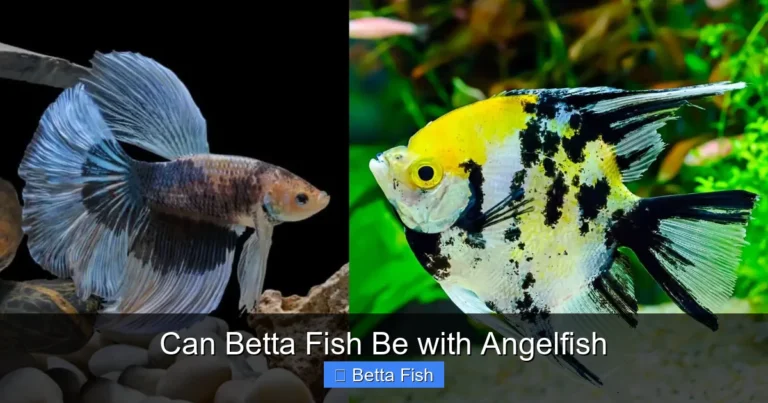
Can Hermit Crabs and Betta Fish Live Together
Hermit crabs and betta fish cannot safely live together. Their environmental needs are completely different—betta fish need warm, fully aquatic tanks, while hermit crabs require both water and land areas. Attempting to house them together often leads to stress, injury, or death for one or both animals. This article explains why and offers better alternatives for each pet.
Key Takeaways
- Different Habitats: Betta fish are fully aquatic, while hermit crabs are semi-terrestrial and need both water and dry land.
- Water Conditions Clash: Bettas need warm, dechlorinated freshwater; hermit crabs require brackish or saltwater for long-term health.
- Risk of Injury: Hermit crabs may nip at betta fins, and bettas can attack crabs, leading to stress or fatal injuries.
- Stress and Disease: Mismatched environments cause chronic stress, weakening immune systems and increasing disease risk.
- No Safe Coexistence: Even with careful setup, long-term cohabitation is not recommended by experts.
- Better Alternatives: Keep bettas with peaceful tank mates like snails or shrimp; house hermit crabs in species-specific enclosures.
- Ethical Responsibility: Prioritize animal welfare by meeting each species’ unique needs separately.
📑 Table of Contents
Can Hermit Crabs and Betta Fish Live Together?
If you’ve ever wondered, “Can hermit crabs and betta fish live together?”—you’re not alone. It’s a common question among pet lovers who want to create a unique, multi-species tank. But before you mix these two fascinating creatures, it’s crucial to understand their very different needs. Spoiler alert: they shouldn’t share a home. Let’s dive into why—and what you should do instead.
Betta fish are stunning, solitary freshwater fish known for their flowing fins and bold personalities. Hermit crabs, on the other hand, are quirky, land-loving crustaceans that occasionally dip into water but spend most of their time on solid ground. At first glance, they might seem like odd but harmless roommates. In reality, their care requirements clash in ways that make cohabitation dangerous—even deadly.
Understanding Betta Fish Needs
Water Temperature and Quality
Bettas thrive in warm, clean freshwater between 76–82°F (24–28°C). They’re sensitive to ammonia, nitrites, and sudden pH shifts. A filtered, heated tank of at least 5 gallons is ideal. Unlike many fish, bettas breathe air using a labyrinth organ, so they need access to the surface—but they live entirely underwater.
Temperament and Space
Male bettas are famously aggressive toward other males and sometimes even reflective surfaces. While females can sometimes live in groups (sororities), all bettas need personal space. Crowding leads to stress, fin nipping, and illness. Their environment should include plants and hiding spots—but no roommates that move unpredictably or invade their territory.
Understanding Hermit Crab Needs
Semi-Terrestrial Lifestyle
Hermit crabs aren’t fully aquatic. They’re land animals that need both a moist substrate (like coconut fiber) and shallow pools of water for drinking and shell-swapping. Without dry land, they’ll drown. A proper hermit crab habitat includes climbing structures, humidity control (70–80%), and temperatures around 75–85°F (24–29°C).
Water Requirements
Here’s a key conflict: hermit crabs need brackish water—a mix of fresh and saltwater—for long-term health. Pure freshwater dehydrates them over time. Bettas, however, can’t tolerate salt. Even small amounts of aquarium salt can damage their gills and organs. This fundamental difference makes shared water impossible.
Why Cohabitation Fails
Physical Danger
Hermit crabs have strong claws. If a betta swims too close—especially during feeding or exploration—the crab may pinch out of defense or curiosity. Bettas, with their long, delicate fins, are easy targets. Conversely, a stressed betta might lunge at a crab, causing injury to itself or the crustacean.
Environmental Stress
Even if no physical harm occurs, the stress of an incompatible environment takes a toll. A betta in a tank with land areas may feel exposed. A hermit crab forced to stay submerged becomes lethargic and weak. Chronic stress suppresses immune systems, leading to fungal infections, shell rot, or fin melt.
Dietary Conflicts
Bettas eat high-protein pellets or frozen foods. Hermit crabs are omnivores that enjoy fruits, veggies, and calcium-rich foods like cuttlebone. Feeding one species often means overfeeding or underfeeding the other. Leftover food decays quickly, spiking ammonia levels—a death sentence for bettas.
What About “Brackish” Setups?
Some advanced hobbyists attempt brackish tanks for certain crab species. But bettas are strictly freshwater fish. Even low salinity harms them. There’s no safe middle ground. If you’re considering a brackish tank, choose species like fiddler crabs or mudskippers—not bettas.
Safer Alternatives for Each Pet
Best Tank Mates for Betta Fish
If you want company for your betta, consider peaceful, bottom-dwelling species that won’t compete for space. Snails like nerites or mystery snails are excellent—they clean algae and ignore bettas. Shrimp such as cherry or amano shrimp can work in larger, well-planted tanks, though some bettas may see them as snacks. Always monitor interactions closely.
Ideal Hermit Crab Companions
Hermit crabs do best in species-only enclosures with others of their kind. They’re social and enjoy climbing over each other! Avoid mixing with fish entirely. Instead, focus on creating a rich, naturalistic habitat with shells, wood, and humidity control.
Ethical Considerations
Keeping pets isn’t just about survival—it’s about thriving. Forcing two animals with incompatible needs into one tank compromises their welfare. Responsible pet ownership means respecting each species’ biology. If you love both bettas and hermit crabs, give them separate, species-appropriate homes. Your pets will live longer, healthier, and happier lives.
Final Verdict: Keep Them Apart
To answer the original question clearly: No, hermit crabs and betta fish cannot live together safely. Their environmental, dietary, and behavioral needs are too different. While it might seem creative or space-saving, the risks far outweigh any perceived benefits. Instead, invest in two proper setups—one for your betta, one for your hermit crabs—and enjoy each pet on their own terms.
Remember, a happy pet isn’t just alive—it’s stress-free, active, and displaying natural behaviors. By giving your betta a calm, warm aquarium and your hermit crabs a humid, land-rich terrarium, you’re doing right by both.
Frequently Asked Questions
Can hermit crabs live in a fish tank?
No. Hermit crabs are semi-terrestrial and will drown without access to dry land. A standard fish tank lacks the substrate, humidity, and climbing space they need to survive long-term.
Do hermit crabs need saltwater?
Yes, most pet hermit crabs (like Caribbean or Ecuadorian species) require brackish water for proper hydration and shell health. Pure freshwater leads to dehydration and early death.
Will a betta fish attack a hermit crab?
Possibly. Bettas are territorial and may see a moving crab as a threat or toy. Even if the betta doesn’t make contact, the stress of constant vigilance harms both animals.
What water temperature do hermit crabs need?
Hermit crabs prefer temperatures between 75–85°F (24–29°C), similar to bettas. However, their need for land and humidity makes temperature alone insufficient for cohabitation.
Can I put a hermit crab in my betta’s bowl?
Absolutely not. Betta bowls are too small, lack filtration, and provide no land area. This setup would quickly kill both the crab and the fish due to poor water quality and drowning risk.
Are there any crustaceans that can live with bettas?
Small, fully aquatic invertebrates like snails or certain shrimp can coexist with bettas in larger, planted tanks. Always research compatibility and monitor behavior closely after introduction.