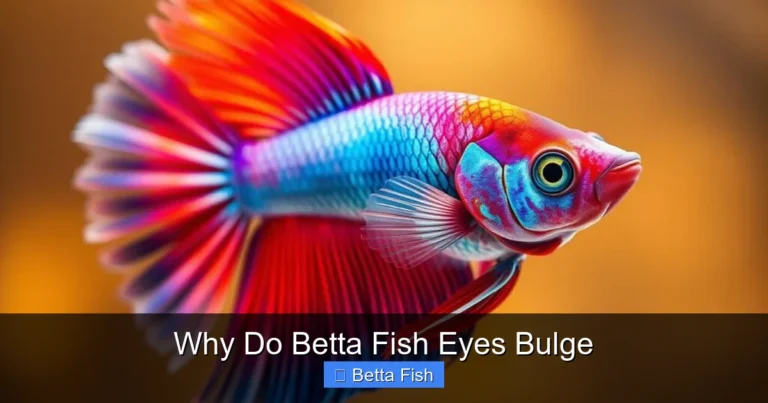
Is Olive Oil Bad for Betta Fish
Yes, olive oil is bad for betta fish and can cause serious harm to their health and aquarium environment. Even small amounts of olive oil in a fish tank can coat the gills and skin of betta fish, disrupting their ability to breathe and absorb oxygen properly. This common kitchen oil can also contaminate the water, reduce water quality, and create toxic conditions that threaten your betta’s overall aquarium health. Always keep oils and greasy substances far away from your fish tank to ensure a safe habitat.
Key Takeaways
- Olive oil offers no nutrition: bettas can’t digest fats.
- Small amounts pollute water: olive oil creates a harmful film.
- Digestive blockages are a risk: olive oil harms betta stomachs.
- Never use olive oil: it’s not a betta remedy.
- Feed bettas proper foods: pellets, flakes, and live prey.
- Olive oil reduces oxygen: it spreads a suffocating film.
📑 Table of Contents
- What Is Olive Oil, and Why Would You Even Think About Using It for a Betta Fish?
- Understanding Olive Oil and Its Composition
- Is Olive Oil Bad for Betta Fish? The Honest Answer
- Any Potential Benefits of Olive Oil for Betta Fish?
- Risks and Dangers You Should Know About
- What to Do Instead of Using Olive Oil
- Final Thoughts on Olive Oil and Your Betta Fish
What Is Olive Oil, and Why Would You Even Think About Using It for a Betta Fish?
Olive oil is something you probably have sitting in your kitchen right now. You drizzle it on salads, use it for cooking, or maybe even take a spoonful for your own health. But if you are a betta fish owner, you might have stumbled across some advice online about adding olive oil to your fish tank or food. That is a pretty wild leap from your kitchen to your aquarium, right?
Here is the thing. Some fish keepers believe that a tiny amount of olive oil can help betta fish with things like inflammation or dry skin. Others have no idea why they are doing it and just copied what they read somewhere. So the big question remains: is olive oil bad for betta fish? The honest answer is that it is complicated. Olive oil is not exactly toxic, but it is also not something your betta needs. In fact, using it the wrong way can actually hurt your fish. Let us break down everything you need to know.
In this article, we will look at the potential risks, any possible benefits, and what you should do instead to keep your betta healthy and happy. If you have ever wondered whether olive oil belongs anywhere near your betta tank, keep reading.
Understanding Olive Oil and Its Composition
What Makes Olive Oil Different from Fish Oil?
Before we dive into the effects on betta fish, it helps to understand what olive oil actually is. Olive oil comes from pressing olives. It is rich in monounsaturated fats, particularly oleic acid. It also contains vitamin E and a few other nutrients that are great for humans. But humans and betta fish are very different creatures with very different needs.
People often confuse olive oil with fish oil. They are not the same thing at all. Fish oil comes from fatty fish like salmon and sardines. It is packed with omega-3 fatty acids EPA and DHA, which are essential for fish health. Olive oil, on the other hand, contains mostly omega-9 fatty acids. While omega-9 is healthy for people, it does not offer the same benefits for aquatic pets. If you want to learn more about the differences, check out this comparison of fish oil versus olive oil for betta fish.
How Olive Oil Behaves in Water
Here is something most people do not think about. When you pour olive oil into water, what happens? It floats. It forms a slick film on the surface. That oil film can seriously mess with your aquarium water quality. It can block gas exchange, meaning oxygen has a harder time getting into the water and carbon dioxide has a harder time getting out. For a betta fish that already needs clean, well-oxygenated water, this is a real problem.
Even a small drop of olive oil can spread across the surface of a small betta tank. Your betta might try to swim through it, and that oil film can coat their delicate fins and gills. Over time, this can lead to fish diseases and respiratory issues. This is exactly why understanding is olive oil bad for betta fish matters so much before you try anything.
Is Olive Oil Bad for Betta Fish? The Honest Answer
The Short Answer: Yes, It Can Be
Let us get right to it. Is olive oil bad for betta fish? In most situations, yes. Olive oil is not designed for aquatic life. Your betta fish has a very sensitive digestive system and very specific nutritional needs. Dumping olive oil into their environment or food can cause more harm than good.
Betta fish are tropical fish that thrive in stable tank conditions. They need clean water at the right water temperature, proper pH levels, and a balanced diet. Adding olive oil disrupts all of that. It changes the surface tension of the water, contaminates the aquatic environment, and can even affect how your betta breathes through their labyrinth organ.
Common Ways Owners Accidentally Harm Their Fish
You might be surprised how often this happens. Here are some common mistakes fish keepers make when trying to use olive oil:
- Adding a drop of olive oil to the tank thinking it will “calm” the fish
- Mixing olive oil into betta food as a supplement
- Using olive oil to try to treat betta fish symptoms like fin rot or clamped fins
- Thinking oil helps with betta fish care during water changes
All of these practices are risky. Even if your betta does not show immediate betta fish symptoms of distress, the long-term effects can be damaging. Your fish might stop eating, develop skin issues, or suffer from poor digestive health. The best approach is always to stick with products and practices specifically made for fish.
Any Potential Benefits of Olive Oil for Betta Fish?
The Myth of Olive Oil as a Supplement
Some people genuinely believe olive oil can help their betta. And honestly, the idea makes some sense on the surface. Olive oil has anti-inflammatory properties for humans. It has antioxidants. It has healthy fats. So why not for fish?
The problem is that betta fish process fats differently than humans. Their fish nutrition needs are built around specific omega fatty acids found in marine sources, not plant oils. While a tiny trace of olive oil probably will not kill your betta instantly, it also does not provide meaningful benefits. You are much better off using proper fish supplements designed for tropical species.
What About Using Olive Oil on Food?
This is another area where people get creative. Some owners lightly coat betta pellets or flakes with olive oil, thinking it adds flavor or nutrition. If you are currently doing this, stop. Flakes and pellets are already formulated to be nutritionally complete. Adding oil to them just makes them messy and less nutritious overall.
If you want to upgrade your betta’s diet, look into the best food for betta fish instead. High-quality pellets, frozen bloodworms, and brine shrimp offer real nutritional value. You can also look into whether things like ginger for betta fish might offer safer benefits as a natural supplement. The key is to always choose options backed by experienced fish keepers, not random kitchen ingredients.
Risks and Dangers You Should Know About
Impact on Water Quality
This is the biggest concern. Any oil introduced into a fish tank will float and spread. That oil layer creates a barrier on the water surface. For a betta fish, this is especially dangerous because bettas breathe by accessing air at the surface through their labyrinth organ. An oil film can physically block that process.
On top of that, oil degrades water quality fast. It uses up oxygen as it breaks down. It can promote the growth of harmful bacteria. And it makes your fish tank maintenance a whole lot harder. If you ever accidentally get cooking oil in your tank, a water change is urgent.
Digestive Problems in Betta Fish
If you somehow get olive oil into your betta’s food or directly into their mouth, the effects can be just as bad. Betta fish have small, sensitive digestive tracts. They are built to process high-protein foods like insects and larvae in the wild. Oil is not part of their natural diet. Feeding oily substances can lead to swim bladder issues, bloating, and poor betta fish lifespan outcomes. A healthy betta fish can live 3 to 5 years with proper care. Unnecessary risks like olive oil can cut that short.
Comparison Table: Olive Oil vs. Fish Oil for Betta Fish
| Factor | Olive Oil | Fish Oil |
|---|---|---|
| Omega-3 Content | Very Low | High (EPA and DHA) |
| Safe for Betta Fish | Not Recommended | Yes, in Proper Doses |
| Effect on Water Quality | Negative | Minimal When Used Correctly |
| Digestive Benefit | Unlikely | Supports Healthy Digestion |
| Recommended by Experts | No | Yes |
As you can see, fish oil wins in every category. If you want to give your betta a fatty acid boost, always go with marine-based fish oil products made specifically for aquarium use.
What to Do Instead of Using Olive Oil
Best Practices for Betta Fish Health
So if olive oil is off the table, what should you actually do to keep your betta in great shape? Here are some proven strategies that real fish keepers use successfully.
- Feed high-quality food. Pick pellets or frozen foods made for bettas. Avoid cheap flakes that offer little nutrition. Check out our guide on whether flakes are bad for betta fish for more details.
- Keep the water clean. Regular partial water changes are the single best thing you can do. Aim for 25 to 50 percent changes every week.
- Maintain proper tank conditions. A heater to keep the water temperature between 76 and 82 degrees Fahrenheit is essential. A filter helps with aquarium water quality.
- Use fish-safe supplements. If your betta needs extra nutrition, use products designed for fish. Garlic-based supplements and vitamin-infused foods are much safer alternatives than anything from your kitchen.
- Watch for early signs of illness. Catching betta fish symptoms early, like lethargy, clamped fins, or loss of color, lets you treat problems before they get serious. If you suspect an issue, look into proper betta fish treatment options rather than home remedies like olive oil.
Quick Tips for New Betta Owners
If you are just getting started with betta fish, keep these quick tips in mind:
- Get the right tank size. A 5-gallon tank is ideal. Learn more about whether a 5-gallon tank is good for a betta fish.
- Do not overfeed. Uneaten food rots and tanks your water quality fast.
- Never use household chemicals or oils in your aquarium.
- Research anything before adding it to your tank. If it is not made for fish, it probably does not belong there.
- Talk to experienced hobbyists or your local fish store for advice tailored to your setup.
Final Thoughts on Olive Oil and Your Betta Fish
So, is olive oil bad for betta fish? The evidence clearly points to yes. While a tiny amount might not cause immediate disaster, there is absolutely no good reason to put olive oil in your betta tank or food. It offers no real nutritional benefit, it can seriously harm your aquatic environment, and it risks your fish’s well-being and lifespan.
Your betta fish deserves better than kitchen experiments. Stick with proper betta care practices. Feed them quality food, keep their water clean, and use only fish-safe products. Your betta will reward you with vibrant colors, active behavior, and years of companionship. If you ever feel unsure about something, always look for trusted sources or ask a professional before trying it. Your fish’s health is always worth the extra caution.
Frequently Asked Questions
Is Olive Oil Bad for Betta Fish?
Yes, olive oil is generally harmful to betta fish. It can coat their gills and scales, leading to serious breathing difficulties and compromised fish health. Even small amounts can disrupt the water quality in your aquarium and harm your betta.
Can I Put Olive Oil in My Betta Fish Tank?
No, you should never add olive oil to a betta fish tank. It creates a film on the water surface that blocks oxygen exchange, which is essential for your fish to breathe. This can quickly lead to stress, suffocation, and even death in betta fish.
What Happens If a Betta Fish Ingests Olive Oil?
If a betta fish swallows olive oil, it can cause severe digestive issues and internal damage. The oil interferes with their ability to absorb nutrients properly and may lead to constipation or swim bladder problems. In larger amounts, it can be toxic and life-threatening for your fish.
Can Olive Oil Help With Betta Fish Constipation?
Some fish keepers suggest using tiny amounts of olive oil as a laxative, but this is risky and not recommended. Safer alternatives like daphnia or peas are much better for relieving constipation in betta fish. Always consult a vet before adding any oil or supplement to your fish tank.
Is Any Type of Oil Safe for Betta Fish?
Most oils, including olive oil, coconut oil, and vegetable oil, are unsafe for betta fish and their aquarium environment. These oils degrade water quality and can clog gills, causing lasting damage to fish health. Stick to proper betta fish food and approved supplements for your aquarium.
How Can I Keep My Betta Fish Healthy Without Using Olive Oil?
Focus on a balanced diet of high-quality betta pellets, frozen bloodworms, and brine shrimp to support your fish’s overall health. Maintain clean water conditions, proper temperature, and good filtration in your fish tank. These steps are far more effective and safer than using any oil-based remedies.