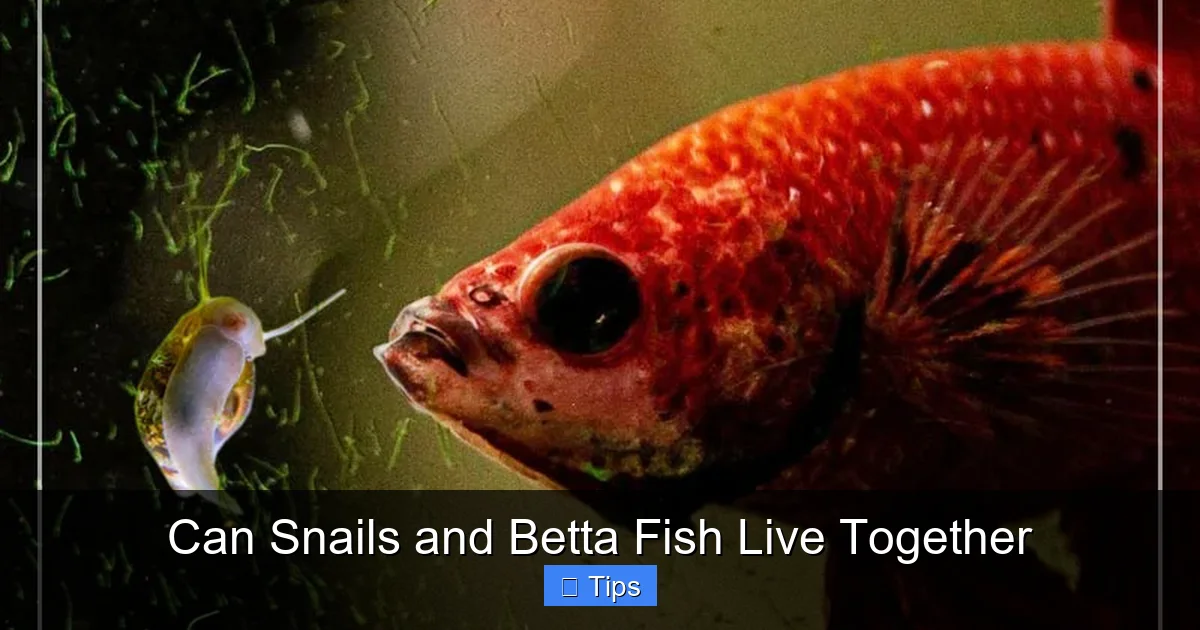
Can Snails and Betta Fish Live Together
Yes, many snails can live with betta fish, but success depends entirely on careful species selection and tank management. Betta fish are famously territorial and may nip at slow-moving creatures, so choosing the right snail—like fast-moving nerites or heavily-shelled mystery snails—is critical. A properly sized, well-decorated tank with pristine water parameters is non-negotiable for preventing stress and aggression. While snails offer valuable cleanup benefits, they are not a magical solution for tank maintenance and require their own specific care. Always introduce snails slowly and monitor interactions closely to ensure a safe, thriving community tank.
So, you’ve got a beautiful, feisty betta fish swimming solo in his tank, and you’re thinking, “Wouldn’t a little snail friend be cute? And maybe it would help clean the glass!” It’s a common thought for aquarists looking to add life and function to their betta’s world. The idea of a peaceful, slow-moving companion for your sometimes-grumpy prince is appealing. But the real question, “can snails and betta fish live together?” doesn’t have a simple yes or no answer. The truth is, it’s a definite maybe, contingent on a handful of very important factors. Your betta’s unique personality, the specific type of snail you choose, and the environment you provide will ultimately decide if this is a match made in aquarium heaven or a stressful disaster. Let’s dive deep into everything you need to know to make an informed, safe decision for your aquatic pets.
Key Takeaways
- Betta temperament varies: Some bettas are peaceful while others are highly aggressive; observing your individual fish’s personality is the first step.
- Not all snails are equal: Avoid slow, soft-bodied snails (like ramshorns) and opt for species with hard shells or quick reflexes (e.g., nerite, mystery, rabbit snails).
- Tank size and setup are everything: A minimum of 5 gallons is essential, with ample hiding spots, plants, and open swimming space to reduce betta stress and territorial behavior.
- Water parameters must be pristine: Both bettas and snails are sensitive to poor water quality; stable temperatures (76-80°F) and ammonia/nitrite at 0 are crucial.
- Snails are helpers, not janitors: They will eat algae and detritus but cannot replace regular filter maintenance, water changes, and debris removal.
- Introduction must be gradual: Use a breeder box or quarantine tank to acclimate snails and watch for chasing or nipping before full release.
- Monitor for繁殖 (reproduction): Some snails, like bladder snails, reproduce rapidly and can infestation if not controlled; choose asexual reproducers like nerites if population control is a concern.
📑 Table of Contents
Understanding Your Betta: The Temperamental Centerpiece
Before we even think about snails, we must understand the star of the show: the betta fish (Betta splendens). Known as Siamese fighting fish, their reputation for aggression is well-earned, but it’s also often misunderstood. Bettas are intelligent, curious, and deeply territorial. In the wild, they claim a small patch of rice paddy or slow-moving stream as their personal domain. That instinct doesn’t vanish in a glass box.
The Spectrum of Betta Personalities
Not all bettas are created equal. You’ll find a wide spectrum:
- The Chill King/Queen: These bettas might flare at their own reflection but ignore tankmates. They are the best candidates for community living.
- The Curious Investigator: Will follow new additions but may give a tentative nip out of curiosity. Often tolerates slow, armored creatures.
- The Aggressive Bully: Chases anything that moves, flares constantly at shadows, and will likely see a snail as a moving piece of food or a threat to be eliminated. These bettas should almost always remain solo.
How do you tell which you have? Spend time watching your betta when the tank is quiet. Does he flare at you when you approach? Does he chase a thermometer or a floating leaf? His behavior with a mirror test (briefly) can also be telling. If your betta consistently shows high aggression towards any stimulus, introducing a snail is a very bad idea. You can find more detailed guides on assessing betta behavior and tank compatibility through reputable fishkeeping resources.
The Best Snail Species for a Betta Tank
Assuming your betta has a relatively calm demeanor, your next critical step is choosing the right snail. The goal is to select species that are either too tough to bother, too fast to catch, or so uninteresting that the betta ignores them. Here are your top contenders, ranked from most recommended to proceed with caution.
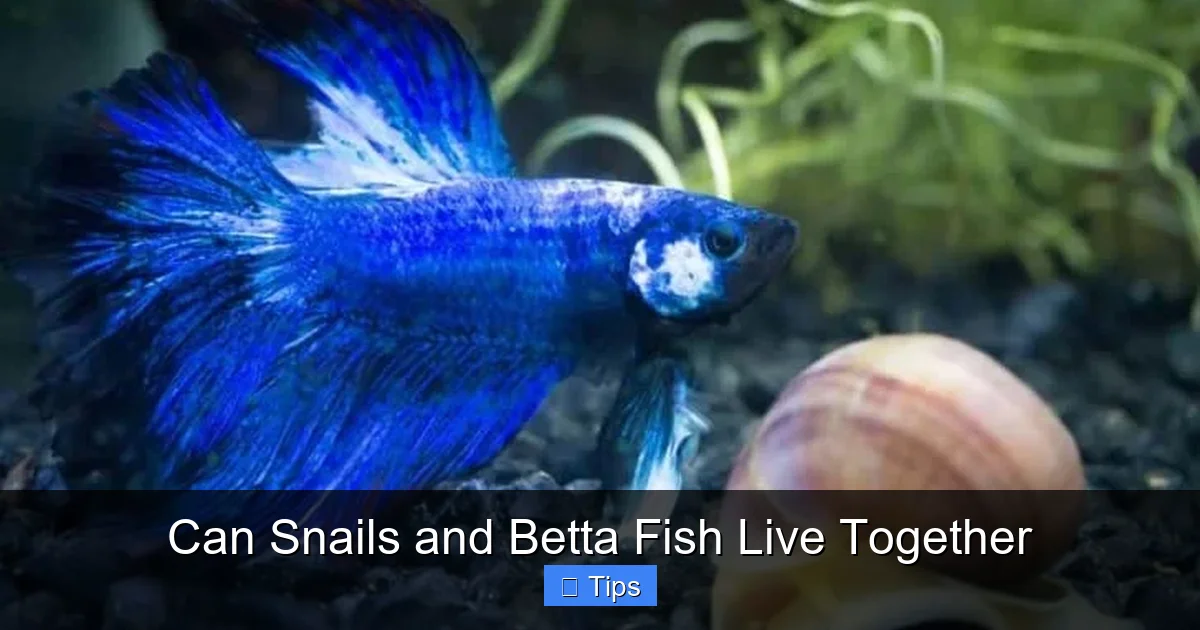
Visual guide about Can Snails and Betta Fish Live Together
Image source: memfish.net
Tier 1: The Safest Bets
- Nerite Snails (Neritina spp.): The gold standard for betta tanks. They have a beautifully patterned, extremely hard shell that a betta cannot crack. They are also prolific algae eaters, actively grazing on glass, leaves, and decor. Crucially, they are strictly saltwater breeders, so you will never have a population explosion in your freshwater tank. They come in various sizes and patterns (zebra, tiger, olive). Their only downside is they may leave small, hard white egg capsules on surfaces (which won’t hatch in freshwater).
- Mystery Snails (Pomacea diffusa): A popular, large apple snail. They have a thick, hard shell and a relatively quick, deliberate movement. Their size (often 2-3 inches) means they are not seen as prey by most bettas. They are excellent scavengers for leftover food and decaying plant matter. They are gonochoristic (separate sexes), so they can breed in freshwater, but they require specific mating conditions and lay large, visible egg clutches above the waterline that are easy to remove if you don’t want babies.
- Rabbit Snails (Tylomelania spp.): These are fascinating, live-bearing snails with a long, spindle-shaped shell. They are slow-moving but have a very tough shell and a unique appearance that often intrigues rather than triggers bettas. They are excellent substrate cleaners. Since they give birth to fully formed, tiny snails, population growth is slow and manageable.
Tier 2: Possible with Close Monitoring
- Japanese Trapdoor Snails (Bellamya chinensis): Similar to mystery snails with a hard operculum (trapdoor) to seal themselves in. They are sturdy and good cleaners. They are live-bearing, so population control is easier.
- Assassin Snails (Clea helena): A unique carnivorous snail that preys on other small snails. They have a striped, conical shell and move with surprising speed. They are generally ignored by bettas because they are active and not considered food. They are a great choice if you have a pest snail problem you need to control.
Tier 3: Generally Not Recommended
- Ramshorn Snails, Bladder Snails, Pond Snails: These are the classic “pest” snails. They have soft, delicate shells and are very slow. A curious or aggressive betta will almost certainly nip at them, causing fatal injury or severe stress. Furthermore, many of these species are hermaphroditic and reproduce explosively from a single individual, leading to an infestation that can overwhelm your tank’s bioload.
- Apple Snails (Pomacea canaliculata): The giant, invasive cousin of the mystery snail. They are voracious plant eaters and can grow enormous (apple-sized), potentially destroying any live plants you have. Their size might also provoke a large betta.
- Soft-bodied “Sea Slugs” or Nudibranchs: These are almost never suitable for a betta tank. They are extremely fragile, have no shell, and are essentially helpless against a nipping betta.
Tank Setup: Creating a Harmonious Habitat
Your tank’s physical environment is the framework that will either foster peace or fuel conflict. A poor setup guarantees stress for both inhabitants.
Visual guide about Can Snails and Betta Fish Live Together
Image source: petshun.com
Size and Space: The Non-Negotiable Minimum
Never attempt this in a bowl or a tank under 5 gallons. A 5-gallon (19-liter) tank is the absolute bare minimum for a single betta and a snail (or two). However, bigger is always better. A 10-gallon (38-liter) tank provides vastly more stability, swimming space, and territorial separation. In a larger tank, your betta can establish a “home base” (like a castle or dense plant) while the snail explores other areas, reducing encounters. Remember, bettas need surface access to breathe their labyrinth organ, so the tank must have a large water surface area and not be overly tall and narrow.
Aquascaping for Peace: Hiding Spots and Line of Sight
The key to reducing betta aggression is to break up his line of sight and provide constant retreats.
- Plants, Plants, Plants: Use live plants (like Anubias, Java Fern, Cryptocoryne) or high-quality silk plants. Dense planting along the back and sides creates visual barriers. Floating plants (like Frogbit or Duckweed) are fantastic for diffusing light and giving the betta a sense of security under the surface, but ensure there’s still open water for him to flare and display.
- Hardscape is Key: Incorporate driftwood, rocks, and ceramic decorations with nooks and crannies. A betta will often claim a specific cave or overhang as his throne. This gives the snail clear pathways to travel on the opposite side of the tank without crossing the betta’s “border.”
- Avoid Sharp Edges: Ensure all decor is smooth to prevent injury to the betta’s delicate fins.
Water Parameters: The Foundation of Health
Both bettas and snails are sensitive to water quality, but for different reasons.
- Temperature: Bettas are tropical fish, thriving at 76-80°F (24-27°C). Most common freshwater snails are comfortable in this range too. Avoid temperatures below 74°F, which slow metabolism and can compromise immune systems for both.
- Water Hardness (GH/KH): This is extremely important for snails. Snails need calcium and other minerals from the water to build and maintain their shells. Soft, acidic water (low GH/KH) leads to shell erosion, pitting, and weak, dissolving shells—a slow, painful death. Aim for a GH of at least 8 dGH (135 ppm). You may need to use a remineralizer or crushed coral in the filter if your tap water is very soft.
- Ammonia & Nitrite: Must be 0 ppm. Snails are somewhat more tolerant of nitrates than fish, but all are highly sensitive to ammonia and nitrite. A fully cycled filter is mandatory.
- pH: Stable is more important than a specific number. Aim for 7.0-7.5, which suits both bettas and most snails.
For detailed instructions on cycling your tank and maintaining perfect water conditions, you should consult established aquarium care guidelines and safety protocols.
Maintenance and Daily Care: It’s Not Set-and-Forget
Adding a snail increases your tank’s bioload, meaning there’s more waste to process. Your maintenance routine must be diligent.

Visual guide about Can Snails and Betta Fish Live Together
Image source: diyseattle.com
- Water Changes: Continue with weekly 25-30% water changes using a gravel vacuum to remove detritus from the substrate. Snails will crawl over everything, stirring up waste, so regular cleaning is vital.
- Feeding: This is a common pitfall. Snails are not primary cleaners; they are opportunistic scavengers. Do not rely on them to eat your betta’s leftovers. You must provide a dedicated food source for your snail to prevent starvation. Offer a small piece of algae wafer, blanched zucchini/cucumber/spinach, or commercial snail food 1-2 times per week. Remove any uneaten veg after 24 hours to prevent water quality spikes. Your betta still needs his regular high-quality pellet or frozen diet.
- Filter Intake Protection: Small snails, especially juveniles, can sometimes get sucked into filter intakes. Use a sponge pre-filter or mesh cover to prevent this tragic accident.
- Shell Health Check: During your daily observations, look at your snail’s shell. A healthy shell is smooth, even, and has a consistent color/pattern. Pitting, white etching, or thinning indicates poor water chemistry (likely low calcium/hardness) and must be corrected immediately.
Common Challenges and How to Solve Them
Even with the best planning, issues can arise. Here’s how to troubleshoot.
“My betta is chasing/nipping at the snail!”
This is the most common problem. First, assess the severity. A curious follow is different from a full-speed charge and bite.
- Solution 1: Isolation. Immediately move the snail to a breeder box or separate hospital tank inside the main tank. This allows them to see and smell each other without physical contact. After a week, try a supervised release. If chasing resumes instantly, the snail must be rehomed.
- Solution 2: Environmental Enrichment. Is your betta bored? Add more plants, a floating log, or a gentle bubble wand. A bored betta is more likely to harass tankmates. Redirect his energy.
- Solution 3: The Snail is the Wrong Species. A slow ramshorn in a tank with an active betta is a recipe for disaster. You may need to upgrade to a faster, tougher species like a nerite.
“The snail’s shell is cracking/eroding!”
This is a water chemistry emergency, specifically a lack of calcium and carbonate hardness (KH).
- Solution: Test your GH and KH. If GH is below 8 dGH, start using a commercial mineral supplement (like Seachem Equilibrium) during water changes. Adding a small bag of crushed coral to the filter or a handful to the substrate will slowly raise KH and pH, providing essential minerals. This is a slow fix; severely damaged shells may not heal.
“I have a snail explosion!”
This only happens with hermaphroditic pest snails (bladder, ramshorn, pond snails). They are often introduced on live plants or as “hitchhikers” on other fish.
- Solution 1 (Natural): Introduce an assassin snail. It will help control the population but may not eradicate it entirely.
- Solution 2 (Manual): You must become a snail hunter. Crush and remove as many as you find. Reduce overfeeding, as excess food fuels their reproduction.
- Solution 3 (Chemical): Snail traps or medications like copper-based ich treatments (Copper Sulfate) will kill snails, but copper is lethal to invertebrates and highly toxic to bettas if dosed incorrectly. This is a last resort and must be done with extreme caution, following precise instructions, and often in a separate hospital tank.
Conclusion: Is It Worth It?
So, can snails and betta fish live together? The responsible answer is: it can be done, but it’s not for every betta or every aquarist. The potential rewards are a beautiful, dynamic tank with a natural cleanup crew that adds interest. The risks are stress, injury, or death for the snail, and increased stress for the betta if the pairing is poor.
Your path forward should be this:
- Honestly assess your betta’s personality. If he’s a known bully, do not get a snail.
- Choose a hardy, appropriate snail species from Tier 1 (Nerite, Mystery, Rabbit).
- Set up a spacious, well-planted tank with pristine, mineral-rich water before introducing anything.
- Quarantine and acclimate the snail slowly, using a breeder box for initial observation.
- Commit to enhanced maintenance and dedicated snail feeding.
If you follow these steps meticulously, you have a very good chance of creating a successful, peaceful community. If any step feels like too much work or risk, the safest and kindest choice is to keep your betta solo, where he will be the undisputed, stress-free king of his domain. A happy, healthy betta is the ultimate goal, with or without a shelled companion.
Frequently Asked Questions
Will my betta definitely try to eat a snail?
Not definitely, but it’s highly likely. Bettas are carnivorous and may see a slow-moving snail as food. That’s why choosing a snail with a hard shell (like a nerite) is critical—the betta will learn it’s not edible after a few curious nips that don’t break the shell.
What is the absolute safest snail for a betta?
The zebra nerite snail is widely considered the safest. Its shell is incredibly hard and smooth, it moves quickly enough to avoid persistent harassment, and it eats algae without reproducing in freshwater. Its unappetizing taste and tough exterior make it a low-priority target for most bettas.
Can I put just one snail, or do they need a group?
Most snails are not schooling fish and are perfectly content alone. A single mystery snail or nerite will be happy. Some aquarists prefer a small group (2-3) of the same species for aesthetic reasons, but it’s not a requirement for the snail’s well-being. Just ensure your tank’s bioload can handle the extra waste.
Do snails really clean my betta’s tank?
They help, but they are not a replacement for your filter and water changes. Snails will graze on algae, leftover food, and decaying plant matter. However, they also produce waste themselves. Think of them as a small, helpful addition to your maintenance routine, not the main event. You must still clean the glass, vacuum the substrate, and service your filter regularly.
My betta flares at the snail constantly. Should I remove it?
Constant flaring and chasing indicate high stress for the betta and imminent danger for the snail. If the behavior doesn’t subside after 24-48 hours of close observation in a separate breeder box, you should rehome the snail. Prolonged stress weakens the betta’s immune system, making him susceptible to disease.
How big of a tank do I really need for a betta and snail?
The absolute minimum is a established, cycled 5-gallon tank. However, a 10-gallon tank is strongly recommended. The extra volume provides more stable water parameters, more space for the betta to establish a territory away from the snail’s path, and a more forgiving environment if something goes wrong. Never attempt this in a bowl or small “nano” tank under 3 gallons.