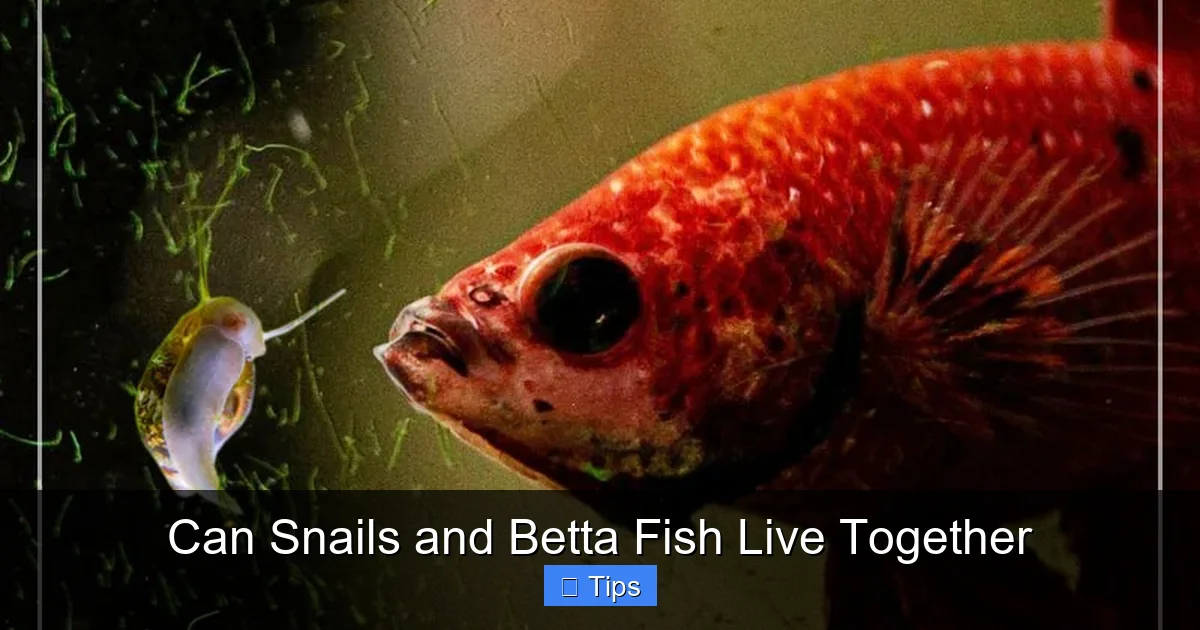
Can Snails and Betta Fish Live Together
Yes, many snails can coexist with betta fish, but success depends heavily on selecting the right snail species and understanding your betta’s unique temperament. While bettas are known for their aggressive tendencies, they often ignore certain types of snails, especially those with smooth shells, small sizes, or fast reproductive rates. Proper tank setup, careful introduction, and ongoing monitoring are critical to prevent a betta from viewing a snail as a target or a snack. This guide breaks down the safest snail choices, tank conditions for harmony, and how to manage potential challenges.
Key Takeaways
- Not all snails are safe: Avoid snails with long, protruding antennae (like Apple Snails) or delicate shells that a curious betta can easily damage.
- Betta personality is key: A calm, less aggressive betta is far more likely to tolerate a snail than a highly territorial individual.
- Tank size and setup matter: A larger tank (minimum 10 gallons) with abundant plants and hiding spots reduces stress and territorial disputes.
- Nerite snails are a top choice: Their hard, smooth shells, inability to reproduce in freshwater, and algae-eating habits make them ideal tankmates.
- Introduction must be gradual: Use a breeder box or separate container for a few days to observe the betta’s reaction before fully releasing the snail.
- Snails help with cleanup: Many compatible snails are excellent at consuming algae and leftover food, contributing to tank hygiene.
- Always have a backup plan: Be prepared to rehome the snail if persistent aggression occurs, as the betta’s safety and stress levels are the priority.
📑 Table of Contents
- Understanding the Core Question: Can Snails and Betta Fish Live Together?
- The Betta Fish Temperament: Knowing Your Betta is Half the Battle
- The Snail Species Spectrum: From Perfect Partners to Perilous Picks
- Tank Setup: Engineering a Peaceful Coexistence
- The Introduction Process: A Delicate Dance of Patience
- Potential Challenges and How to Solve Them
- The Verdict: A Rewarding Addition with the Right Approach
Understanding the Core Question: Can Snails and Betta Fish Live Together?
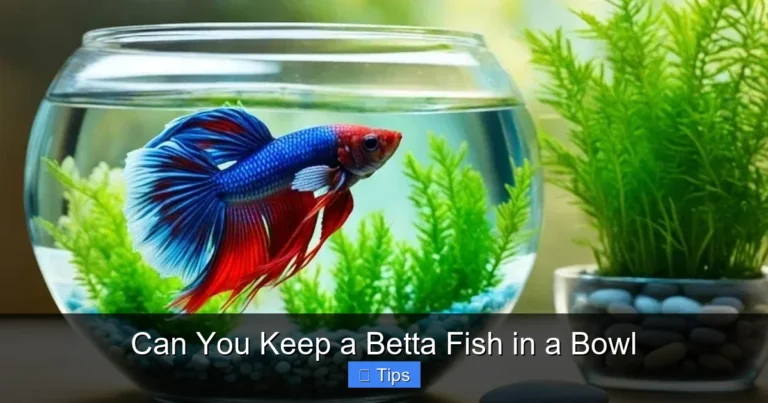
The image is classic: a vibrant betta fish, with its flowing fins, swimming peacefully amidst the greenery of a planted aquarium. You want to add some life, some movement, some practical cleanup crew. Snails come to mind. But then the doubt creeps in. Betta fish, or Siamese fighting fish, have a formidable reputation. Their aggressive, territorial nature is legendary. So, the question isn’t just simple curiosity—it’s a critical decision for any aquarist considering a community tank. The short answer is: yes, many snails and betta fish can live together successfully, but it is not a guarantee. It’s a conditional “yes,” heavily dependent on three pillars: the specific snail species, the individual betta’s temperament, and the environment you provide. This article will serve as your complete roadmap, moving beyond a simple yes or no to equip you with the detailed knowledge needed to make this mixed-species aquarium a thriving reality.
Think of it like introducing a new pet into a home with a known, somewhat grumpy resident. You wouldn’t just toss them together and hope for the best. You’d research compatibility, prepare a neutral space, and supervise closely. The same principle applies here. Bettas, bred for centuries for their aggression, have strong instincts. Snails, moving slowly on the glass, can trigger a betta’s hunting or territorial defense behaviors. However, many snails possess characteristics—hard shells, uninteresting movement, or simply being too large to bother—that allow them to exist as unnoticed, or even beneficial, tankmates. Our goal is to identify those characteristics and create an environment where both creatures can thrive without stress.
The Betta Fish Temperament: Knowing Your Betta is Half the Battle
Before you even look at the snail aisle at the pet store, you must perform an honest assessment of your betta. Generalizations about the species are useful starting points, but your individual fish is the ultimate authority. Bettas are intelligent, possessive creatures with distinct personalities. What one betta ignores, another may relentlessly chase. Understanding the roots of betta behavior will help you predict and manage potential conflicts.
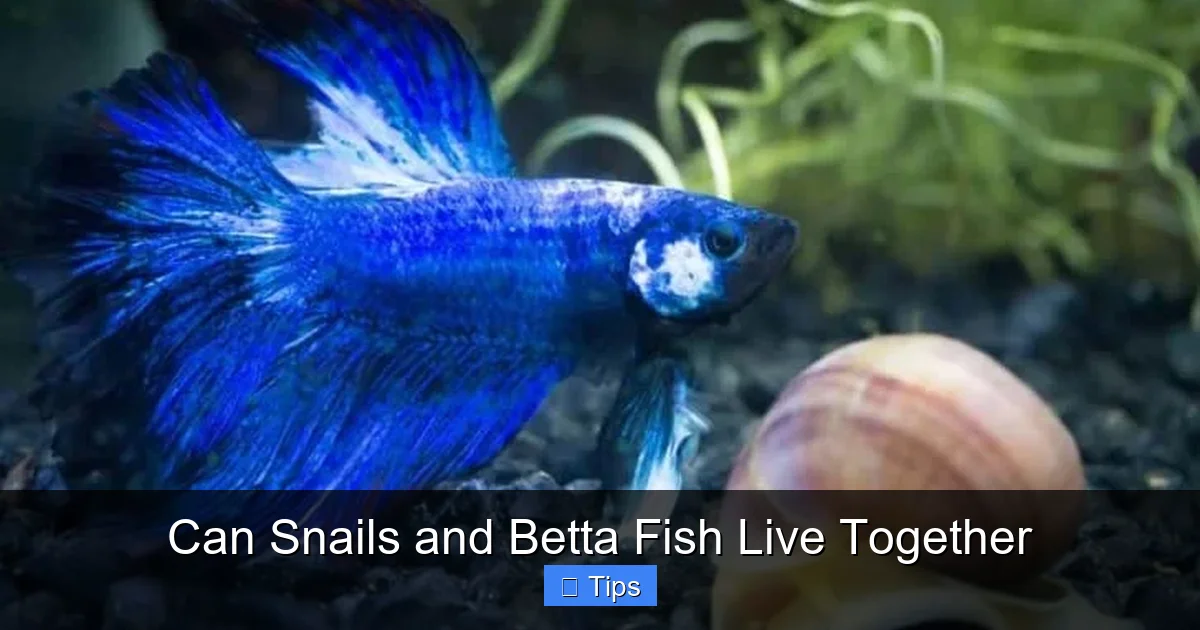
Visual guide about Can Snails and Betta Fish Live Together
Image source: memfish.net
The Siamese Fighting Fish Legacy
Betta splendens earned their common name from a long history of being pitted against each other in fights, a practice that originated in Thailand and Malaysia. This history has ingrained a strong sense of territory and a readiness to flare (expand their gills and fins) at intruders. In the wild, they are solitary fish that claim small patches of vegetation. In your aquarium, that entire tank is their territory. Any new addition—be it a fish, shrimp, or snail—is an invader. The betta’s reaction is not malice; it’s instinct. Their first response is often to investigate, flare, and if the intruder doesn’t retreat, to nip or attack. This is why tank size is the first and most critical factor. A cramped 2.5-gallon tank offers no escape for either the betta or the snail, guaranteeing conflict.
Factors That Influence a Betta’s Aggression
Several factors shape your betta’s daily mood and tolerance level.
- Sex: Male bettas are almost always more aggressive and territorial than females. Female bettas, while still capable of aggression, can often be kept in sororities and may be more tolerant of tankmates. However, any individual betta of either sex can be a bully.
- Age and Health: A young, healthy betta in its prime has the most energy for chasing. An older or sick betta may be lethargic and less reactive, but also more irritable.
- Tank Environment: A barren tank with no plants or decorations is a boxing ring with nowhere to hide. A betta in such an environment has no choice but to patrol every inch and confront any movement. Conversely, a densely planted tank with driftwood, caves, and visual breaks creates a sense of security and reduces constant territorial patrolling.
- Recent Changes: Adding any new inhabitant disrupts the established order. A betta that was calm may become hyper-vigilant for days or weeks after a new snail is introduced.
Your observational skills are your best tool. Before considering a snail, watch your betta for a week. Does it flare at its own reflection? Does it dart at the glass when you walk by? Does it constantly patrol the same perimeter? These are signs of a high-strung, territorial betta that may be a poor candidate for any tankmate. A betta that is generally calm, curious but not frantic, and content to explore its space is a much better prospect. For more on understanding betta behavior, it’s always wise to review the fundamental care guidelines that outline responsible pet ownership.
The Snail Species Spectrum: From Perfect Partners to Perilous Picks
Not all snails are created equal in the eyes of a betta. Their size, shell shape, movement speed, and even reproductive habits determine their suitability. Let’s categorize them from most to least recommended.
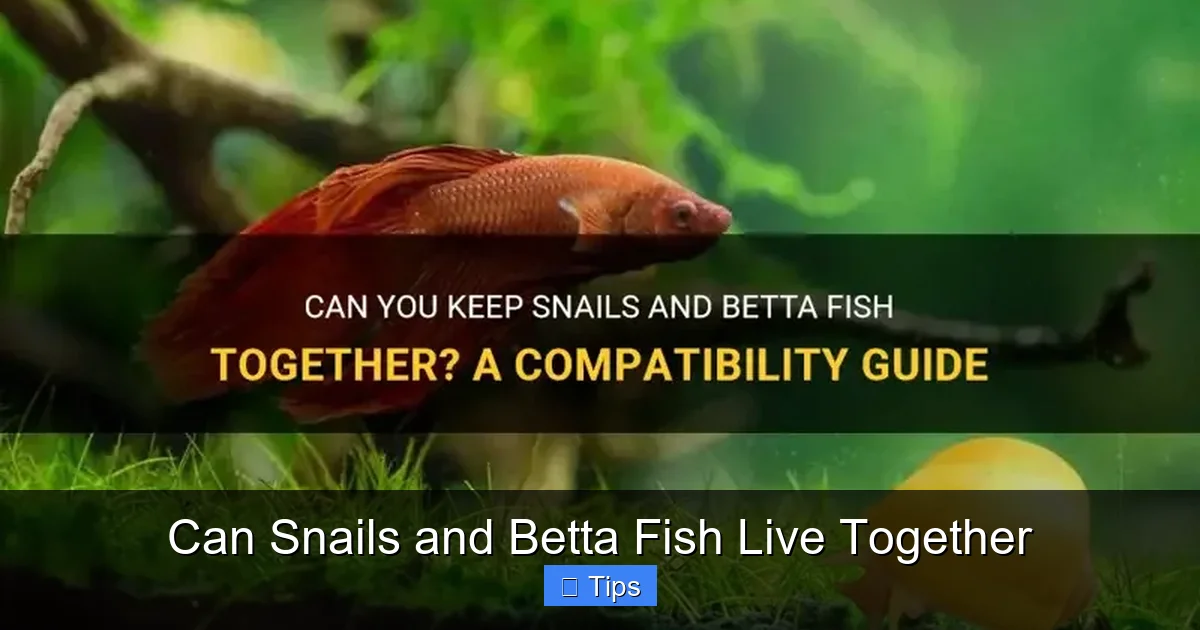
Visual guide about Can Snails and Betta Fish Live Together
Image source: petshun.com
The Top Tier: Nerite Snails
If there is a gold standard for a betta tank snail, it’s the Nerite snail. These come in several varieties (Zebra, Tiger, Horned) and are almost universally successful with bettas. Why?
- Hard, Smooth Shell: Their shells are thick and rounded, with no delicate parts for a betta to nip at. A betta quickly learns they are not food and are impossible to crack.
- Algae-Eating Powerhouses: Nerites are primarily herbivores and are fantastic at cleaning algae from glass, décor, and leaves. They provide a visible, beneficial service that you and your betta can appreciate.
- No Freshwater Reproduction: This is a huge advantage. Nerite snails require brackish (slightly salty) water to reproduce. In a standard freshwater betta tank, they will not lay eggs that hatch. You will never have a snail population explosion.
- Active but Not Threatening: They move steadily around the tank, which is interesting to watch but doesn’t trigger a betta’s hunting instinct like the slow, meandering movement of some other snails might.
They are the low-maintenance, high-reward choice. A single Nerite in a 10-gallon tank is often perfect.
The Excellent Second Choices: Mystery Snails (Apple Snail Variants) & Ramshorn Snails
Mystery Snails (Pomacea diffusa) are also very popular and generally compatible, but with a few more caveats than Nerites. They are larger, come in beautiful colors (gold, blue, ivory, black), and are also good algae and leftover food eaters. Their shells are hard, but their operculum (the trapdoor) and long, sensitive siphons can sometimes be mistaken for worms by an aggressive betta, leading to nipping. It’s crucial to get the *diffusa* species, as other Apple snails (Pomacea canaliculata) can grow enormous and may damage live plants. Mystery snails can and will lay eggs above the waterline in freshwater, so be prepared for potential babies if you have both sexes.
Ramshorn Snails are a fantastic, often underrated option. They are small, have a distinctive coiled shell (like a ram’s horn), and reproduce quickly. Their small size and rapid, erratic movement make them less of a target. A betta might chase one occasionally but will rarely focus on them. They are excellent at cleaning and their population will self-regulate based on food availability. For a busy betta that likes to chase, a colony of Ramshorns can provide endless, harmless distraction.
The Proceed-with-Caution Category: Malaysian Trumpet Snails & Pond Snails
These are the “pest” snails that often arrive uninvited on plants.
- Malaysian Trumpet Snails (MTS): They have a cone-shaped shell and are livebearers. They burrow into the substrate during the day, which makes them largely invisible to a betta. They are essentially invisible tankmates, which is good for peace but means you might not see them often. They are harmless and help aerate the substrate.
- Pond Snails (Physa, Lymnaea): These are the classic tiny, clearish snails that reproduce explosively. They are so small and numerous that a betta will largely ignore them. They are more of a cleanup crew for microscopic algae and detritus. The main risk is a population bloom if you overfeed, which can stress the tank’s bioload. They are generally safe but can become a nuisance if not kept in check by natural predators (like your betta, potentially) or food control.
The “Avoid” List: Snails That Are Risky with Bettas
Some snails are simply poor choices and should be avoided in a betta tank.
- Large Apple Snails (Pomacea canaliculata): These can grow to the size of a baseball. Their large size and long, sensitive tentacles are a magnet for betta nipping. They are also notorious plant destroyers.
- snails with Long, Delicate Tentacles/Antennae: Any snail with prominent, wavy, or feathery antennae (like some species of Rabbit Snails) is asking for trouble. The betta will see these as worms and relentlessly peck at them, causing injury and stress to the snail.
- Very Small, Fragile Shells: Some tiny ornamental snails have shells so delicate a betta’s nip can crush them. They offer no defense and will quickly become casualties.
- Assassin Snails: While they eat other snails, they are active hunters with a long, proboscis-like mouth. A betta may see this as a threat or a worm and attack them. They are also solitary and not particularly social tankmates for any fish.
When in doubt, choose a Nerite or a Mystery snail. They offer the highest probability of long-term success.
Tank Setup: Engineering a Peaceful Coexistence
You’ve chosen a hardy Nerite snail and a betta with a relatively calm disposition. Now you must build the environment that supports their peace. The tank itself is the most powerful tool you have to prevent aggression. A poorly set up tank will doom the experiment before it starts.

Visual guide about Can Snails and Betta Fish Live Together
Image source: diyseattle.com
Tank Size: The Non-Negotiable Foundation
This cannot be stressed enough: a betta should never be in a tank under 5 gallons, and for a snail tankmate, 10 gallons is the absolute minimum starting point. In a tiny tank, the betta has no room to establish a territory away from the snail, and the snail has no escape route. Every movement is in the betta’s face. In a 10-gallon or larger tank, you can create zones. Place the betta’s favorite floating log or plant on one side, and the snail’s primary algae patch on the other. Space provides physical and psychological separation. It also dilutes the betta’s focus; it can’t patrol every square inch constantly.
Aquascaping for Security: Plants, Hiding Spots, and Vertical Space
The goal is to break up lines of sight and provide endless nooks and crannies.
- Live Plants (Highly Recommended): Plants are the single best decor for a betta-snail tank. Floating plants like Duckweed, Salvinia, or Floating Water Sprite give the betta a security blanket at the surface, where it naturally resides. Tall stem plants like Rotala or Hygrophila and broad-leaf plants like Anubias or Java Fern (attached to driftwood) create a jungle. The snail can graze on algae on the leaves, and both inhabitants can use the vegetation to break visual contact. Live plants also help maintain water quality, which is crucial for both species.
- Driftwood and Rockwork: Create caves, overhangs, and tunnels. A piece of driftwood with a hole through it is a perfect bolt-hole for a snail if a betta comes investigate. Ensure all décor is smooth with no sharp edges that could damage a betta’s delicate fins.
- Terracotta Pots and PVC Tubes: These are cheap, effective hiding spots. Place them on their side or upright. A snail can crawl inside and rest.
- Avoid Bare Bottoms: Use a substrate. Sand is smooth and easy for snails to move on, but can compact. Fine gravel is also fine. A bare glass bottom is stressful for snails as they have nothing to grip and can be easily flipped over by a strong current or a curious betta’s suction.
Water Parameters: The Common Ground
Both bettas and most common aquarium snails thrive in similar, stable water conditions. This is one area where their needs align perfectly.
- Temperature: 76-80°F (24-27°C) is ideal for bettas. Most tropical snails are fine in this range. Avoid dropping below 72°F, as snail metabolism slows drastically.
- pH: 7.0-7.5 is a good target. Bettas are adaptable, but extremes can stress them. Snails prefer slightly alkaline water and can suffer in very acidic conditions (below 6.5) as it can dissolve their shells.
- Hardness (GH/KH): This is critical for snail shell health. They need calcium and other minerals from the water to build and maintain strong shells. A general hardness (GH) of 8-12 dGH is good. If your tap water is very soft (< 4 dGH), you may need to supplement with a mineral buffer, liquid calcium, or even a cuttlebone in the filter (in a mesh bag). A betta is unaffected by moderate changes in hardness.
- Water Quality: Snails are sensitive to ammonia and nitrite. A fully cycled tank is mandatory. A betta can tolerate slightly higher nitrates than a snail, but both will suffer in poor water. Strong filtration is needed, but the outflow should not be so powerful it blows the snail around. A sponge filter is an excellent, gentle option.
The Introduction Process: A Delicate Dance of Patience
You have a cycled, planted 10-gallon tank with a healthy, curious (but not frantic) betta. You have a healthy Nerite or Mystery snail. Now, the moment of truth. Rushing this step is the most common reason for failure.
The Acclimation and Observation Phase
Never just drop the snail in. First, float the bag or container in the tank for 15-20 minutes to equalize temperature. Then, gently introduce the snail into a clear breeder box or a large, clean plastic container with tank water and place it inside the main tank. This allows the snail to adjust to the water parameters while being physically separated by a mesh wall. The betta will see, smell, and investigate the snail through the barrier. This is your crucial observation period.
Sit by the tank for 20-30 minutes. What does the betta do?
- Ideal Reaction: The betta may flare at the container, investigate cautiously, then lose interest and swim away. It may show mild curiosity but no sustained aggression.
- Concerning Reaction: The betta relentlessly flares, charges the box, and tries to get through the mesh. It is fixated, gills flared constantly, and ignores other stimuli. This is a high-risk betta.
- Neutral Reaction: The betta completely ignores the snail. This is excellent.
If the reaction is concerning, do not release the snail. Return it to the store or rehome it. If the reaction is neutral or mild curiosity that subsides, you can proceed.
The First 72 Hours: Full Release and Vigilant Monitoring
Gently release the snail from the breeder box into the main tank, preferably near some plants or décor where it can immediately find cover. For the next three days, your primary job is to watch. Be prepared to intervene.
- Keep a net handy. If you see the betta relentlessly chasing the snail, you may need to scoop the snail out temporarily and try the breeder box step again for another day.
- Observe where the snail goes. Is it constantly hiding? Is it trying to climb the glass but being knocked off? A stressed snail will often try to escape the water or remain hidden in one spot.
- Ensure the snail is eating. You can offer a tiny piece of algae wafer or a blanched zucchini slice to see if it comes out to feed.
After 72 hours of peaceful coexistence or only mild, non-sustained curiosity from the betta, you can consider the introduction a success. Continue to monitor weekly for the first month, as the betta’s initial curiosity may resurface from time to time.
Potential Challenges and How to Solve Them
Even with perfect planning, issues can arise. Being a proactive problem-solver is key.
Scenario 1: The Betta is Chasing and Nipping at the Snail
This is the most common problem. The betta has decided the snail is a toy or a threat.
- Immediate Action: Re-remove the snail to a separate hospital tank or the breeder box. Return to step one of the introduction process. Sometimes a longer acclimation period (a week in the box) is needed for the betta to habituate.
- Environmental Enrichment: Is the betta bored? Add more plants, a new piece of driftwood, or a floating log. A stimulated betta is less likely to fixate on a snail. You can also try feeding the betta right when you release the snail to associate the snail’s arrival with food (positive reinforcement).
- Consider the Snail’s Size: Is the snail very small? A large betta may see it as food. A larger snail (like an adult Mystery) is less likely to be seen as prey.
- Last Resort: If the behavior persists after a week of re-acclimation and environmental enrichment, you must accept that this particular betta and snail are incompatible. The snail’s life and the betta’s stress levels are at risk. Rehome the snail. This is not failure; it’s responsible ownership. Always remember the terms of responsible pet care that prioritize animal welfare.
Scenario 2: The Snail Dies (And It’s Not the Betta’s Fault)
Snails can die for many reasons unrelated to the betta: poor water quality (especially soft water leading to shell erosion), lack of food, old age, or a failed acclimation.
- Diagnose the Cause: Check water parameters immediately. Look for a pitted, dissolving shell (sign of soft, acidic water). Is there algae for it to eat? Did you see it moving before death?
- Remove Promptly: A dead snail decomposes rapidly and can cause an ammonia spike. Remove it within an hour.
- Don’t Blame the Betta Immediately: Unless you saw the betta attack it, assume other factors. A betta will often peck at a dead or dying snail out of curiosity, but it likely didn’t cause the death.
Scenario 3: Snail Population Explosion
This only applies to snails that reproduce in freshwater (Ramshorns, Pond Snails, Mystery Snails).
- Control Food: Snail populations are directly tied to excess food. Feed your betta only what it consumes in 2-3 minutes, once or twice a day. Remove any uneaten pellets immediately.
- Natural Predators: Your betta may eat a few baby snails. Assassin snails can be introduced to control populations, but they come with their own risks (they may eat your other snails!).
- Manual Removal: Use a snail trap or simply pluck them out when you see them. It’s a simple but effective control method.
- Prevention: Start with a single snail of a non-reproducing species (Nerite) if population control is a major concern.
The Verdict: A Rewarding Addition with the Right Approach
So, can snails and betta fish live together? The evidence strongly supports that they can, and often do, creating a more dynamic and cleaner aquarium. The success rate is highest when you follow a formula of Right Snail (Nerite, Mystery) + Right Betta (calm, non-obsessive) + Right Tank (10+ gallons, heavily planted) + Right Process (slow, patient introduction).
Think of the snail not as a pet for the betta, but as a pet for the aquarium that happens to share space with the betta. This mindset shift helps you focus on creating a balanced ecosystem rather than forcing a friendship. The rewards are tangible: the satisfying sight of a Nerite methodically cleaning algae off a leaf, the gentle movement of a Ramshorn colony adding life to the substrate, and the overall improved health of your aquatic environment. It transforms the betta tank from a solo exhibit into a miniature, balanced ecosystem.
Ultimately, your role is that of a guardian and observer. You provide the stage—the perfect tank—and you cast the right actors—a compatible snail and a betta with a manageable temperament. Then, you direct the play with careful introductions and vigilant oversight. When it works, the harmony is a testament to thoughtful aquascaping and species selection. When it doesn’t, you’ve learned a valuable lesson about your specific betta’s personality and the importance of environmental design. Either way, you become a more skilled and empathetic aquarist.
Frequently Asked Questions
Can I put any snail in with my betta?
No. Avoid snails with long, delicate antennae (like Rabbit Snails) or very large Apple Snails. Stick to Nerite, Mystery (Pomacea diffusa), Ramshorn, or Malaysian Trumpet Snails for the highest success rate.
My betta is flaring at the new snail constantly. What should I do?
Immediately remove the snail to a separate container. Re-acclimate it using a breeder box inside the tank for several more days to let the betta habituate. If aggression persists after a week, the snail and betta are incompatible and should be separated for the snail’s safety.
Will my betta eat the snail?
It depends. A betta may try to eat a very small snail or peck at a snail’s sensitive tentacles. Snails with hard, smooth shells (like Nerites) are usually not seen as food. However, persistent nipping can injure the snail even if it isn’t eaten.
How many snails can I put with my betta?
Start with one. In a 10-gallon tank, one Nerite or one Mystery snail is perfect. You can add a second if the tank is larger (20+ gallons) and your betta shows complete indifference. For reproducing snails like Ramshorns, start with 2-3 to establish a colony, as their numbers will self-regulate.
Do snails need special food in a betta tank?
Most algae-eating snails (Nerites) need algae to graze on. If your tank is clean of algae, supplement with algae wafers, blanched zucchini, or spinach. Mystery snails are omnivores and will also accept leftover betta pellets and protein-rich foods like brine shrimp.
My snail died. Did my betta kill it?
Not necessarily. First, check your water parameters, especially pH and hardness, as soft, acidic water dissolves snail shells. Also, snails can die from old age or failed acclimation. Only assume the betta was responsible if you witnessed a prolonged attack.