How to Transfer Betta Fish from One Tank to Another
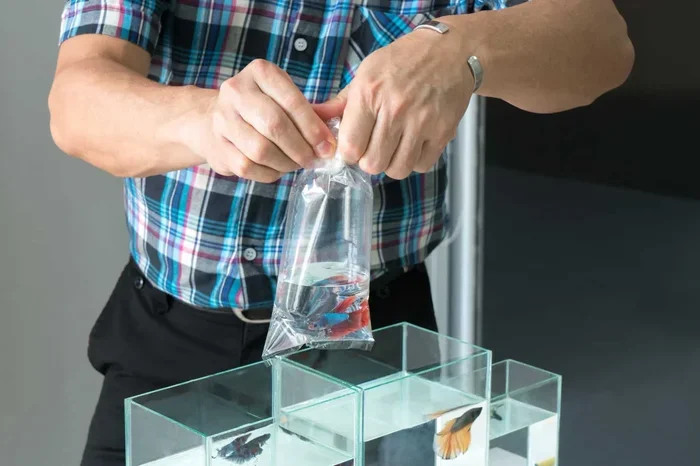
Transferring your betta fish to a new tank doesn’t have to be stressful. This guide walks you through every step, from preparing the new tank to safely moving your fish. You’ll learn simple techniques to keep your betta healthy and happy during the transition.
Transferring a betta fish from one tank to another is a process that requires care and patience. Whether you’re upgrading to a larger tank, rearranging your setup, or moving your fish to a temporary home, the way you handle the transfer matters a lot. A rushed move can cause stress, illness, or even death in betta fish. This guide breaks down the entire process into simple, easy-to-follow steps. You’ll learn how to prepare both tanks, safely move your fish, and help your betta settle in without any problems.
Transferring betta fish to a new tank is one of the most common tasks fish owners face. But many beginners don’t realize how important the details are. The water conditions, temperature, and stress levels all play a role in how well your betta handles the move. Let’s dive into everything you need to know.
## Why Transferring Betta Fish Needs Care
Betta fish are sensitive creatures. They thrive in stable environments. When you change their surroundings, even slightly, it can trigger stress. Stress weakens their immune system. A weakened immune system opens the door to diseases like fin rot and ich.
Understanding betta fish behavior during a transfer helps you act with confidence. Bettas may flare, hide, or refuse food when moved. These are normal reactions. But you can minimize them with the right approach.
### The Science Behind Fish Stress
When a betta fish is moved to a new environment, its body releases cortisol. Cortisol is a stress hormone. High cortisol levels over time can lead to health problems. That’s why a smooth transfer is so important. You want to keep cortisol levels low throughout the process.
## Step 1: Prepare the New Tank Before the Move
Before you even touch your betta fish, the new tank must be ready. This is the most important step in the entire process. A tank that isn’t fully prepared can harm your fish in minutes.
### Set Up the Aquarium Properly
Start by setting up the new tank at least 24 to 48 hours before the transfer. This gives the water parameters time to stabilize. Here’s what you need to do:
- Rinse the tank with clean water (no soap).
- Add substrate like gravel or sand.
- Install the filter and heater.
- Fill the tank with dechlorinated water.
- Check that the temperature sits between 78 and 80 degrees Fahrenheit.
Using a water conditioner removes chlorine and chloramine from tap water. These chemicals are toxic to betta fish. Always treat the water before adding it to the tank.
### Cycle the Tank First
A cycled tank has beneficial bacteria that break down harmful waste. If you transfer your betta into an uncycled tank, ammonia levels can spike quickly. This is dangerous and sometimes fatal.
You can cycle the tank using a fishless method. Add a source of ammonia and let beneficial bacteria grow over 2 to 4 weeks. Test the water regularly with a liquid test kit. Once ammonia and nitrite read zero, and nitrates are below 20 ppm, the tank is ready.
### Make Sure the Tank Size Is Right
Many people wonder, how big does a betta fish tank need to be? The minimum recommended size is 5 gallons. A larger tank provides more stable water conditions. It also gives your betta room to swim and explore.
If you’re unsure about tank size, check out our guide on how big a betta fish tank needs to be for detailed recommendations.
## Step 2: Gather Your Transfer Supplies
You don’t need a lot of equipment to move a betta fish. But having the right supplies makes the process smoother and safer.
### What You’ll Need
- A clean plastic container or betta cup
- A small net (soft mesh)
- A turkey baster or siphon
- Bucket for old tank water
- Water conditioner
- Thermometer
- Clean towels
Use only clean supplies. Never use anything that has been washed with soap or chemicals. Residue from detergents can be lethal to fish, even in tiny amounts.
### Choose the Right Container
The container you use to hold your betta during the move should be clean and free of any chemicals. Many fish keepers use a simple plastic cup or a small critter keeper. Make sure it has enough room for your betta to move around comfortably.
Some owners prefer using a quarantine tank during transfers. A quarantine tank lets you observe your fish for any signs of illness before introducing it to the new environment. This is a smart practice, especially if you’re moving your betta into a community setup.
## Step 3: Move Your Betta Fish Safely
This is the moment you’ve been preparing for. The actual transfer needs to be quick but gentle. Rushing can injure your fish or shock it with sudden changes.
### Catching Your Betta
Betta fish are often slow swimmers, which makes them easy to catch. But be gentle. Use a soft-mesh net and move slowly. Avoid chasing your betta around the tank, as this causes unnecessary stress.
Here’s a simple technique:
- Turn off the tank light to calm your betta.
- Approach slowly from below.
- Gently guide your betta into the net.
- Transfer it immediately to the prepared container.
Never use your hands to catch a betta fish. Their delicate scales and fins can be damaged by the oils and salts on your skin.
### Transferring the Water
One of the best ways to reduce stress is to carry some of the old tank water with your betta. This helps maintain familiar water parameters and beneficial bacteria. Use a turkey baster or small cup to transfer about 20 to 30 percent of the old water into the container with your fish.
This method is similar to the techniques used when setting up a fish tank for betta fish. Maintaining familiar water chemistry is key to a smooth transition.
## Step 4: Acclimate Your Betta to the New Tank
Acclimation is the process of gradually adjusting your betta to the new water conditions. Skipping this step is one of the most common mistakes fish owners make.
### The Floating Method
The floating method is the most popular acclimation technique. Here’s how it works:
- Place the sealed container with your betta into the new tank.
- Let it float for 15 to 20 minutes.
- This equalizes the temperature between the two water sources.
- After 15 minutes, slowly add small amounts of new tank water to the container.
- Repeat every 5 minutes for about 30 minutes.
- Finally, gently release your betta into the new tank.
The entire acclimation process should take about 45 to 60 minutes. Patience is your best friend here.
### Check the Temperature Carefully
Temperature shock is a real danger. Betta fish are tropical fish and need warm, stable water. Use a thermometer to confirm that both the old and new tank water are within the ideal range of 78 to 80 degrees Fahrenheit.
If you need help maintaining consistent warmth, you can read our guide on how to make your betta fish tank warmer for practical heating tips.
### Monitor Water Parameters After Transfer
After the transfer, test the water in the new tank. Check for ammonia, nitrite, and nitrate levels. Ideally, ammonia and nitrite should be zero, and nitrates should be below 20 ppm. Any spikes can cause serious health problems for your newly transferred betta.
## Step 5: Post-Transfer Care and Observation
The job isn’t done once your betta is in the new tank. The first 24 to 48 hours are critical. Your fish needs time to adjust to its new surroundings.
### What to Watch For
Keep a close eye on your betta during the first day. Look for these signs of stress or illness:
- Refusing to eat
- Hiding in corners or under decorations
- Clamped fins (fins held close to the body)
- Rapid breathing or gasping at the surface
- Color fading or loss of vibrancy
- White spots or unusual patches on the body
Some of these behaviors are normal for the first 24 hours. Bettas often hide and refuse food when placed in a new environment. But if symptoms persist beyond two days, you may need to take action.
### Feeding After the Transfer
Wait at least 4 to 6 hours before feeding your betta after the move. This gives its digestive system time to settle. When you do feed, offer a small amount of high-quality food. Betta pellets or frozen bloodworms work well.
Overfeeding after a transfer can cause digestive issues. Feed only what your betta can eat in 2 to 3 minutes. Remove any uneaten food promptly to keep the water clean.
### Clean the Old Tank
If you’re not reusing the old tank right away, clean it properly. Residual waste and bacteria can cause problems if the tank sits empty. For detailed instructions on cleaning, check out our article on how to clean a betta fish tank with filter.
## Common Mistakes to Avoid During Transfer
Even experienced fish keepers sometimes make mistakes during tank transfers. Here are the most common errors and how to avoid them.
### Skipping the Acclimation Step
Some owners dump their betta directly into the new tank to save time. This is a bad idea. Sudden changes in temperature, pH, and water hardness can shock your fish. Always acclimate gradually.
### Using Dirty Equipment
Cross-contamination from dirty nets, buckets, or containers can introduce harmful bacteria or parasites to your new tank. Always rinse equipment with tank water (not tap water) before use.
### Moving Too Fast
The transfer should be a calm, quiet process. Loud noises, sudden movements, and flashing lights can spook your betta. Keep the environment peaceful throughout.
### Ignoring Water Changes
Even after a successful transfer, the new tank needs regular maintenance. Perform small water changes of 10 to 20 percent every week. This keeps water quality high and your betta healthy.
## Expert Tips for a Stress-Free Transfer
Professional fish keepers follow a few extra steps that make a big difference. Here are some expert insights to help you get the best results.
### Use Water from the Old Tank
Carrying over old tank water introduces beneficial bacteria to the new environment. These bacteria help kickstart the nitrogen cycle in the new tank. This is especially helpful if the new tank isn’t fully cycled yet.
### Keep the Lights Off
Bettas feel safer in dim or dark environments. Turn off the tank lights during the transfer and keep them off for several hours afterward. This reduces stress and helps your betta feel secure.
### Add Plants and Decorations Early
Adding plants, caves, and other decorations to the new tank before the transfer gives your betta places to hide and explore. This reduces the feeling of being exposed in an unfamiliar space.
### Do a Partial Water Change First
Before moving your betta, do a 25 percent water change in the old tank. This removes excess waste and makes the transfer water cleaner. Cleaner water means fewer harmful substances entering the new tank.
## Frequently Asked Questions
How long does it take to transfer a betta fish to a new tank?
The entire process, from preparation to acclimation, usually takes about 1 to 2 hours. However, you should spend 24 to 48 hours preparing the new tank before the actual move. This ensures the water is stable and safe for your fish.
Can I transfer my betta fish in a plastic bag?
Yes, a clean plastic bag can work for short transfers. Fill it with some old tank water and gently place your betta inside. Float the bag in the new tank for 15 to 20 minutes to equalize the temperature before releasing your fish. This is a common method used by pet stores and breeders.
Why is my betta fish hiding after being transferred?
Hiding is a normal stress response for betta fish in a new environment. They feel vulnerable without familiar hiding spots and decorations. Give your fish 24 to 48 hours to adjust. If hiding persists beyond two days, check your water parameters for any issues.
Should I clean the old tank before or after the transfer?
It’s best to clean the old tank after the transfer. You may need some of the old tank water for acclimation purposes. Once your betta is safely in the new tank, you can fully clean and maintain the old tank at your convenience.
How can I tell if my betta fish is stressed after the transfer?
Look for signs like clamped fins, rapid breathing, loss of color, refusal to eat, or staying in one spot for too long. Mild stress is normal for the first day. But if these symptoms continue or worsen, test the water and make adjustments as needed.
Can I use tap water directly when setting up the new tank?
No, always treat tap water with a water conditioner before adding it to your tank. Tap water contains chlorine and chloramine, which are toxic to betta fish. A good conditioner neutralizes these harmful chemicals and makes the water safe for your fish.
## Conclusion
Learning how to transfer betta fish from one tank to another is an essential skill for every betta owner. The process is simple when you follow the right steps. Prepare the new tank ahead of time, gather clean supplies, move your fish gently, and acclimate slowly. These small efforts make a huge difference in your betta’s health and happiness.
A successful transfer sets the foundation for a thriving fish. Your betta will explore its new home with confidence and energy. By taking the time to do this properly, you show your fish the care and respect it deserves. Keep monitoring water quality, watch for stress signs, and maintain a consistent routine. Your betta will reward you with vibrant colors and lively behavior for years to come.
Key Takeaways
- Prepare the new tank first: Make sure it’s fully set up and cycled before moving your betta.
- Acclimate your fish slowly: Gradual temperature and water adjustments prevent shock.
- Use a clean container: A dedicated transfer container keeps your betta safe during the move.
- Monitor water parameters: Check ammonia, nitrite, and nitrate levels in both tanks.
- Watch for stress signs: Know what to look for after the transfer to keep your fish healthy.
- Don’t skip the quarantine step: A brief observation period helps catch any issues early.
Frequently Asked Questions
What is how to transfer betta fish from one tank to another?
how to transfer betta fish from one tank to another is an important topic with many practical applications.