Can Shrimp and Betta Fish Live Together
Yes, shrimp and betta fish can sometimes live together, but it’s not guaranteed and requires careful planning. Success depends heavily on your betta’s individual temperament and choosing hardy, fast-reproducing shrimp species like cherry or ghost shrimp. A properly sized, heavily planted tank with ample hiding spots is non-negotiable for providing shrimp with escape routes. You must monitor their interactions closely, especially during the first few days, and be prepared to separate them if aggression occurs. It’s a rewarding but responsibility-heavy pairing that demands patience and observation.
Key Takeaways
- Understanding can shrimp and betta fish live together: Provides essential knowledge
📑 Table of Contents
- Can Shrimp and Betta Fish Live Together? The Honest Answer
- The Betta’s Nature: Understanding Your Fluffy Guardian
- Choosing the Right Shrimp: Not All Crustaceans Are Created Equal
- Tank Setup: Building a Shrimp-Safe Betta Paradise
- Introduction and Daily Monitoring: The Critical First Weeks
- When It Doesn’t Work: Signs of Failure and Separation Plans
- Conclusion: Is the Risk Worth the Reward?
Can Shrimp and Betta Fish Live Together? The Honest Answer
So, you’ve got a beautiful, solitary betta fish in its own tank. It’s a stunning centerpiece, with its flowing fins and bold personality. But maybe you’re looking to add a little more life, a bit of quiet hustle and bustle, to the underwater world. You’ve heard about shrimp—those fascinating little cleanup crew members—and wondered: Can shrimp and betta fish live together? It’s one of the most common questions in the aquarium hobby, and the answer is both hopeful and cautionary.
The short, honest answer is: sometimes, but never blindly. It’s not a simple yes or no. Pairing a betta with shrimp is less about a universal rule and more about a calculated gamble based on your specific betta’s personality, your tank setup, and your choice of shrimp. Think of it like introducing a new coworker to a very territorial office manager. It might go smoothly, or it might be a disaster. Our job is to stack the odds in favor of harmony. This guide will walk you through every single factor you need to consider, from betta psychology to the exact type of plants that save shrimp lives. We’ll turn that gamble into an informed decision.
The Betta’s Nature: Understanding Your Fluffy Guardian
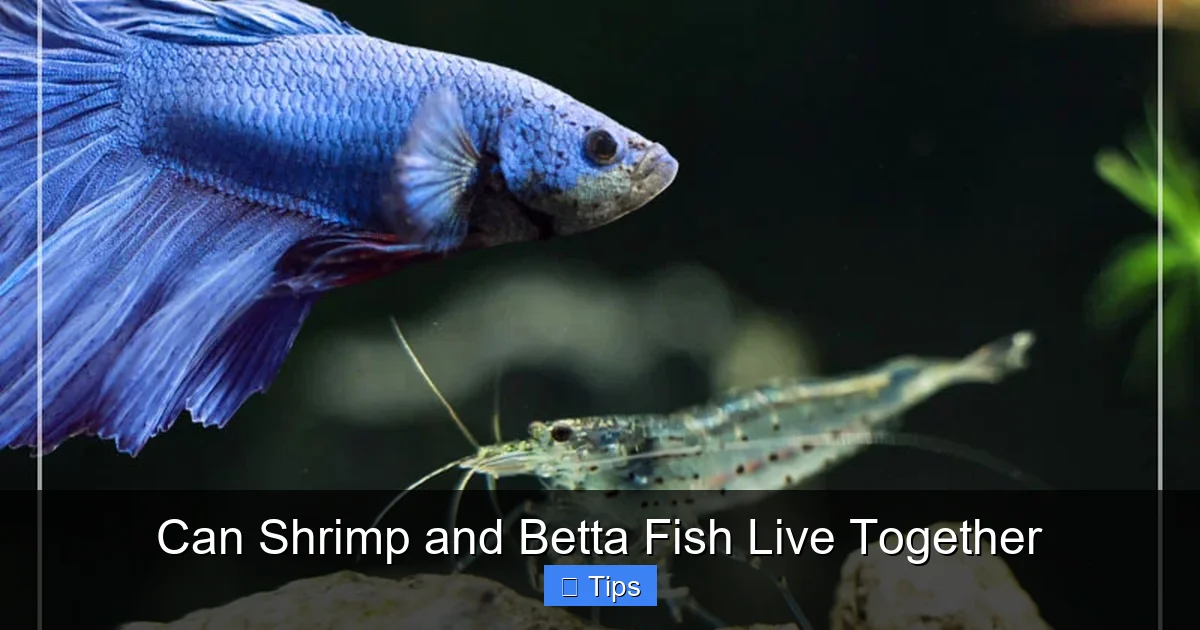
Before we even talk about shrimp, we must talk about the betta. Often sold as a simple, low-maintenance pet, the betta fish (Betta splendens) has a complex and fiercely independent nature. Its most famous trait is aggression, particularly towards other males. But that territorial instinct doesn’t just switch off for smaller creatures. In the wild, bettas are surface-dwelling predators that eat insects, larvae, and tiny crustaceans—shrimp are literally on their natural menu. Your domesticated betta hasn’t lost that instinct; it’s just been bred for color and finnage. Understanding this is the first step.
Visual guide about Can Shrimp and Betta Fish Live Together
Image source: smartaquariumguide.com
The Individual Personality Factor
This is the most crucial concept. Betta temperament is highly individual. You can have two bettas from the same store, same color, same tank history, and one will ignore a shrimp while the other will relentlessly hunt it. Some bettas are curious but calm, others are instant, trigger-happy predators. You cannot predict this 100% until you see it happen. This is why the “betta sorority” (multiple females) or community tank advice is so variable—it depends on the specific fish. Your betta’s personality is the wild card you must respect.
Reading Betta Body Language
How do you know what you have? Watch your betta when you approach the tank. A relaxed betta will swim calmly, perhaps flaring its gills briefly out of curiosity but returning to normal. A stressed or aggressive betta will display constant flaring (spreading its gills and fins), rapid darting at the glass, and puffed-up body posture. If your betta flares at its own reflection for hours, that’s a sign of high aggression that may be directed at any moving object, including shrimp. A betta that is generally laid-back and only flares occasionally is a better candidate for a community.
Choosing the Right Shrimp: Not All Crustaceans Are Created Equal
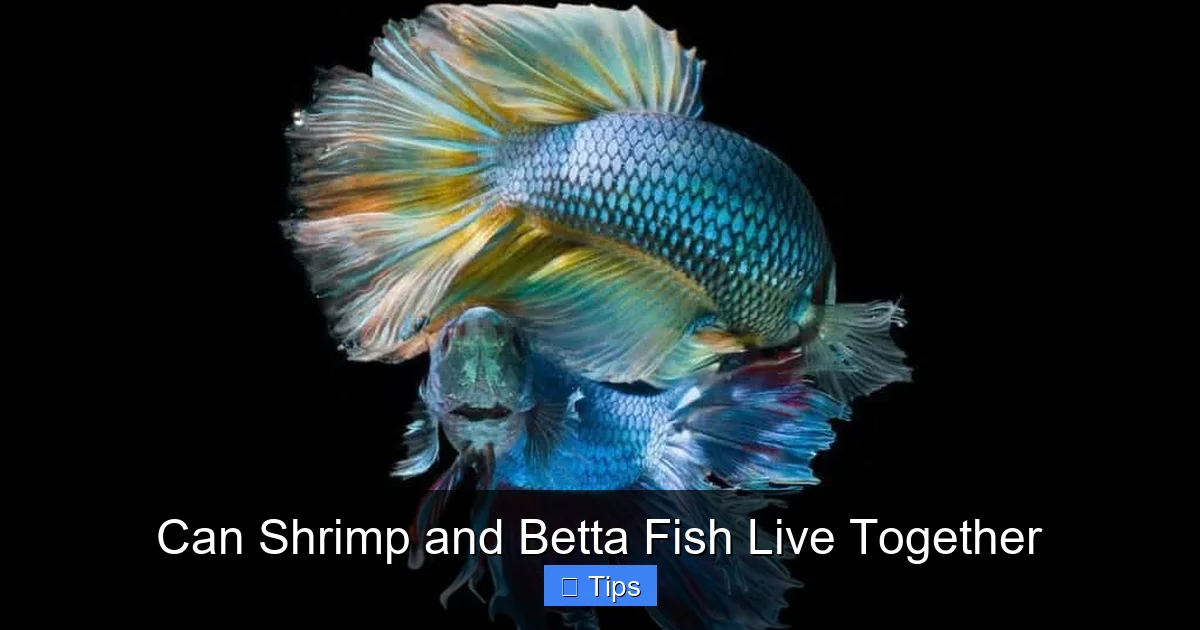
Assuming your betta isn’t a known psycho, your next step is choosing shrimp that have the best chance of survival. You need species that are either too small to be seen as a substantial meal, too fast to be caught, or so prolific that losses are sustainable. Here’s a breakdown of common options, from most to least recommended.
Visual guide about Can Shrimp and Betta Fish Live Together
Image source: ouraquariumlife.com
Cherry Shrimp (Neocaridina davidi)
These are the poster children for betta-compatible shrimp. They are small (about 1 inch), come in vibrant reds (and other colors), and reproduce like rabbits. Their key advantages: high reproductive rate and cryptic coloration. A bright red cherry shrimp can stand out, but the females (often duller brown/clear) and the babies are much harder for a betta to spot. They are also surprisingly agile. Start with a group of 6-10. Expect some losses initially, but their population should stabilize and even grow if the betta only picks off the slow or bold individuals. They are also excellent algae eaters and detritus cleaners.
Ghost Shrimp (Palaemonetes spp.)
Also called glass shrimp, these are nearly invisible when they hold still against plants or substrate. Their transparency is their ultimate defense. They are a bit larger than cherries (up to 1.5 inches) and are fantastic scavengers. They are hardy, inexpensive, and often sold as “feeder shrimp.” Their main drawback is that they are less colorful, so if you want visual pop, they’re not it. But for a functional, low-profile cleanup crew that a betta might literally look *through*, they are superb. They also breed readily in freshwater.
Amano Shrimp (Caridina multidentata)
The giants of the freshwater shrimp world, growing to 2-3 inches. Their size is a double-edged sword. On one hand, they are too big for most bettas to consider as a snack. On the other hand, their large size means they are very visible and active. A curious betta might still chase them, but it’s unlikely to succeed. Amanos are exceptional algae eaters, particularly for filamentous algae and diatoms. They are harder to breed in captivity (require brackish water for larvae), so you’ll usually buy adults. They are a great choice if you have a slightly more active or curious betta and want a shrimp that can hold its own.
Shrimp to Generally Avoid
Bamboo Shrimp: These are filter feeders with large, fan-like arms. They are peaceful but slow-moving and very conspicuous. A betta would likely see them as a fascinating, moving target and may nip at their delicate fans. They also require specific water flow to feed.
Bee Shrimp / Crystal Red Shrimp: These are beautiful but notoriously sensitive to water parameters. The stress of a betta’s presence (even just its shadow) can easily destabilize the very clean, stable water they need, leading to deaths. They are for advanced hobbyists with pristine, parameter-stable tanks, not a betta community.
Large Freshwater Prawns (e.g., African Filter Prawn): Similar issues as Bamboo shrimp—too big, too slow, too tempting a target for a large, aggressive betta.
Tank Setup: Building a Shrimp-Safe Betta Paradise
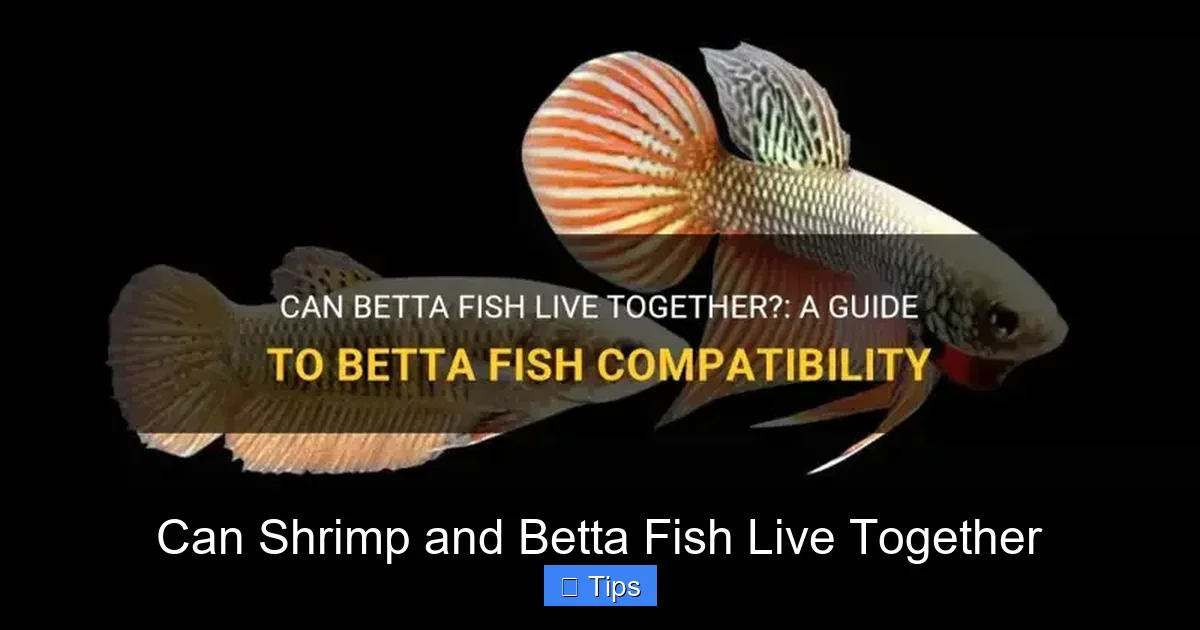
This is where you do the actual work. Your tank setup is the single most important factor you can control. A bad tank setup will doom even the hardiest shrimp to a betta’s belly. A great setup can allow a moderately curious betta and a group of shrimp to coexist. The goal is to create a landscape where shrimp can live their lives largely out of the betta’s direct line of sight and have instant escape routes.
Visual guide about Can Shrimp and Betta Fish Live Together
Image source: petshun.com
Tank Size: Bigger is Infinitely Better
Do not attempt this in a 2.5-gallon “betta bowl.” The absolute minimum is a 10-gallon (40-liter) tank, and 20 gallons is significantly better. Why? Space dilutes aggression. In a tiny tank, a betta can patrol and harass every square inch. In a larger tank, the shrimp have vast territories to explore, and the betta can’t be everywhere at once. More space also means more room for plants and hides, which is the next critical element.
Plants, Plants, and More Plants: The Essential Hiding Spots
Your tank must be densely planted. We’re not talking about a few sprigs. We’re talking about a jungle. Live plants are ideal (Java moss, Java fern, Anubias, Cryptocoryne, floating plants like Salvinia or Frogbit). They provide oxygen, improve water quality, and most importantly, create a three-dimensional forest. Shrimp need to be able to duck under leaves, behind stems, and into mossy thickets. If your betta can see a clear path to every shrimp, it will hunt them. Silk plants are a suitable alternative if you can’t keep live plants, but ensure they have fine, bushy leaves for cover. Floating plants are a game-changer—they break up the surface line of sight, reduce betta stress (betties often feel exposed at the surface), and give shrimp a whole upper-layer world to explore that the betta may visit less frequently.
Hardscape for Havens
In addition to plants, use driftwood, rock piles, and ceramic or plastic caves. Create small, tight spaces where a shrimp can squeeze but a betta cannot follow. Cholla wood (cactus skeletons) are fantastic—they’re full of tiny holes. Stack rocks to form crevices. The idea is to create a labyrinth, not an open arena.
Water Parameters and Filtration
Shrimp are sensitive to water quality, especially during molts. Your tank must be fully cycled (established nitrogen cycle) before adding any livestock. Parameters should be stable:
- Temperature: 76-80°F (24-27°C) – suits both bettas and most shrimp.
- pH: 7.0-7.5 is a good neutral range.
- GH/KH: Moderate hardness is fine for Cherry/Ghost shrimp. For more sensitive species like Bee shrimp, you’d need very specific parameters, which is why we don’t recommend them here.
Filtration is vital. A gentle sponge filter is perfect—it provides biological filtration, creates mild water movement (shrimp love it), and its intake is covered in sponge, so it can’t suck in baby shrimp. Avoid strong hang-on-back (HOB) filters with open intakes. If you use a canister or HOB, cover the intake with a sponge pre-filter.
Introduction and Daily Monitoring: The Critical First Weeks
You’ve got a peaceful-ish betta, the right shrimp, and a jungle of a tank. Now you must execute the introduction perfectly. Rushing this is the #1 reason for failure.
The Acclimation Process
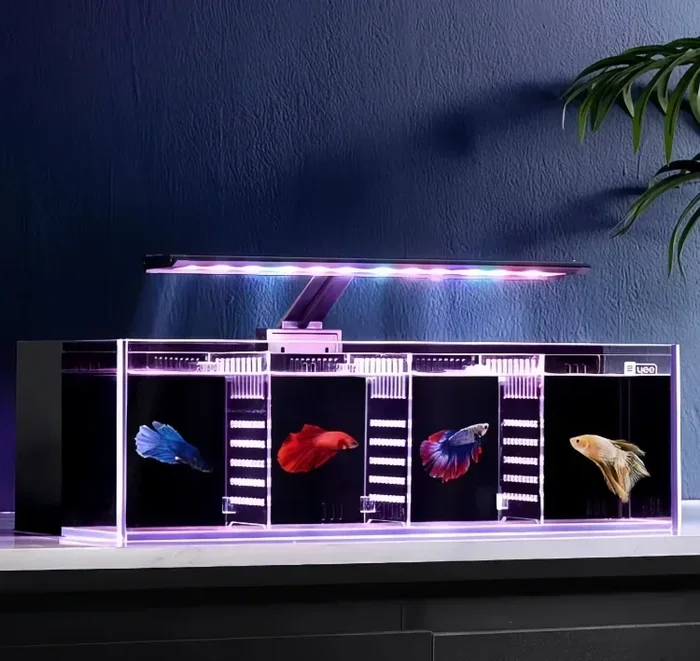
Never just drop the shrimp in. First, quarantine your shrimp for at least 2 weeks in a separate tank to ensure they aren’t carrying disease into your main display. Once cleared, use a tank divider or a breeder box inside the main tank. Place the shrimp on one side for 24-48 hours. This lets them get used to the water parameters and the sight/smell of the betta without physical contact. You’ll observe their behavior. After a day or two, carefully remove the divider or release the shrimp from the breeder box into the planted jungle. Do this during a low-light period (evening) so the shrimp have the cover of darkness to hide and acclimate.
What to Watch For (The First 72 Hours)
Be a silent observer. Use a book or sit quietly nearby. Watch for:
- Constant, focused chasing: The betta relentlessly hunting the shrimp across the tank. This is a bad sign.
- Nipping: If you see the betta dart at a shrimp and the shrimp recoils with a missing antennae or a torn fin, that’s aggression. One or two instances might be curiosity, but repeated nipping is predatory.
- Hiding 24/7: If the shrimp never come out, even for food, they are in terror. This is unsustainable stress and will lead to death from stress or starvation.
- Betta flaring at shrimp: Persistent flaring directed at shrimp indicates the betta sees them as a threat or prey.
Signs of a potential success: The betta may investigate once or twice, then lose interest. The shrimp will be active within a day or two, grazing on plants and the substrate, sometimes even in the same area as the betta as long as there’s plant cover. The betta might flare at a shrimp that darts too close but then go back to its business.
Feeding Strategies to Reduce Conflict
Never make your betta hunt for its main meal. Feed your betta first, well, and in a specific spot. Use a feeding ring or clip food to a plant near the surface. Once the betta is busy eating high-quality pellets or frozen food (which satisfies its predatory urge), you can scatter some shrimp food (algae wafers, powdered shrimp food, blanched zucchini) in the mid to lower levels. A full betta is less likely to see a grazing shrimp as food. Also, consider using a feeding dish for shrimp food to keep it contained.
When It Doesn’t Work: Signs of Failure and Separation Plans
Despite your best efforts, sometimes the pairing simply doesn’t work. It’s a reflection of the betta’s nature, not your skill. You must be willing to act decisively to save the shrimp.
Red Flags That Mean Immediate Action
If you witness any of the following, you need to separate them immediately:
- The betta has successfully caught and eaten a shrimp.
- Multiple shrimp are found dead or missing with no other cause (like poor water quality).
- The betta exhibits obsessive, non-stop hunting behavior for more than 24 hours.
- Shrimp are constantly hiding and appear severely stressed (pale, lethargic, not molting).
Do not think “they’ll get used to each other.” They won’t. The betta’s prey drive is instinctual.
How to Separate Quickly and Humanely
You must have a plan before you add the shrimp. This is non-negotiable. Your options:
- A “Hospital” or Quarantine Tank: A simple, filtered 5-gallon tank with a sponge filter and some plants. If things go south, you can net the remaining shrimp (and any baby shrimp you see) and move them here. This tank can also serve as the initial quarantine tank.
- A Permanent Divider: Using a tank divider (commercial or DIY with mesh and suction cups) to create two permanent sections in your 10+ gallon tank. The betta gets one side, the shrimp the other. Water still circulates, but they are physically separated. This is a great long-term solution for an incompatible betta.
- Rehoming: If you cannot keep the shrimp separately, you must find them a new home (a local fish store, a friend with a shrimp-only or peaceful community tank). Do not just release them. The ethical responsibility for the lives you added to your tank is yours.
Remember, if you have a truly aggressive betta, it may also need a new home if your goal is a mixed-species tank. Some bettas are simply not suited for any tank mates.
Conclusion: Is the Risk Worth the Reward?
So, can shrimp and betta fish live together? Yes, it is entirely possible, and for many hobbyists, it’s one of the most rewarding combinations in the aquarium world. Watching a group of cherry shrimp go about their business—sifting sand, grazing on plants, the females carrying bright blue eggs—while a majestic betta floats serenely above, creates a dynamic, living ecosystem. The shrimp help clean the tank, and the betta provides a top-tier predator presence that is fascinating to observe.
But this reward comes with a clear price tag: responsibility, research, and acceptance of risk. You are not buying a simple decoration; you are managing a delicate interspecies relationship. You must commit to the larger tank, the dense planting, the careful introduction, and the vigilant monitoring. You must accept that even with perfect execution, your specific betta might simply be a hunter, and you must have a backup plan ready to execute without hesitation. If you can meet those conditions, you have a very good chance of success. If you want a low-effort, guaranteed outcome, stick to a betta-only tank. But if you’re willing to put in the work for the chance at that unique, bustling miniature world, then with the knowledge in this guide, you can make an educated and ethical go of it. Good luck, and may your tank be peaceful and full of life.
Frequently Asked Questions
Will my betta definitely eat the shrimp?
Not definitely, but it’s a strong possibility. A betta’s instinct is to hunt small, moving creatures. Whether it acts on that instinct depends on its individual temperament, hunger level, and whether the shrimp can effectively hide. You must assume there is a risk of loss.
What is the best shrimp to try with a betta?
The best and most commonly successful are Cherry Shrimp and Ghost Shrimp. They are small, reproduce quickly (so losses are replenished), and are relatively hardy. Amano Shrimp are also a good, larger option. Always start with a group of at least 5-6 to increase the chances some will survive and thrive.
How big should the tank be for shrimp and betta?
The absolute minimum is 10 gallons. A 20-gallon long or larger is strongly recommended. More space gives shrimp more hiding places, dilutes the betta’s territorial focus, and makes it harder for the betta to patrol the entire tank constantly.
How can I tell if my betta is going to be aggressive towards shrimp?
Watch its general behavior. A betta that constantly flares at everything, puffs up, and darts aggressively at its own reflection is a high-risk candidate. A more relaxed betta that flares only occasionally is a better bet. However, the only true test is a carefully supervised introduction with a divider and a backup plan ready.
What if my betta eats one shrimp? Is that a failure?
Not necessarily an immediate failure, but it’s a serious red flag. One loss can happen due to curiosity or a momentary lapse. If your betta eats one shrimp, closely monitor for the next 24-48 hours. If it continues to actively hunt and eat more, you must separate them. A single loss might be a “cost of doing business” in a successful long-term pairing, but repeated predation means it’s not working.
Do I need to feed the shrimp separately from the betta?
Yes, absolutely. Shrimp need their own food: algae wafers, biofilm, blanched vegetables, or specialized shrimp food. You should feed the betta first in its own area to satiate it, then add shrimp food to the plants and substrate. This reduces the chance the betta will associate the shrimp with food.