Can a Water Turtle Live with a Betta Fish
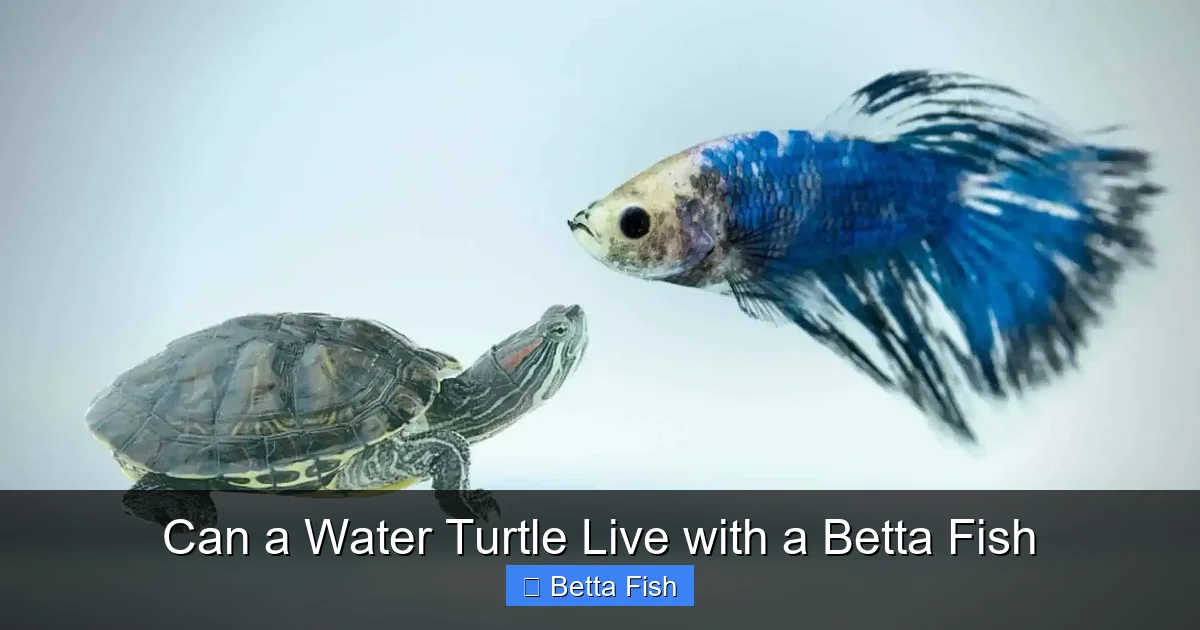
Can a water turtle live with a betta fish? In short, it’s a risky match. Turtles are natural predators and need a larger, warmer environment that often harms delicate bettas. This article breaks down the science, tank requirements, and humane alternatives so you can make an informed decision for both pets.
Key Takeaways
- Different needs: Turtles and bettas require vastly different water temperatures and space.
- Predation risk: Even a small turtle may view a betta as food.
- Water quality: Turtles produce more waste, which can quickly poison a betta.
- Legal & ethical: Many hobbyists choose separate tanks to avoid stress and injury.
- Safe alternatives: Use a turtle-only tank and a dedicated betta setup, or consider compatible tank mates like snails.
- Monitoring: If you must try cohabitation, constant observation and a divided tank are essential.
- Research first: Read related articles on compatible fish before deciding.
📑 Table of Contents
- Introduction: Why the Question Comes Up
- Understanding the Basics: Turtle vs. Betta Biology
- Can a Water Turtle Live With a Betta Fish? The Core Answer
- When Might It Work? Special Cases and How to Set Up a Divided Tank
- Best Alternatives: Keeping Them Happy Apart
- Step‑by‑Step Guide: Setting Up Separate but Adjacent Tanks
- Conclusion: Making the Right Choice for Your Pets
Introduction: Why the Question Comes Up
Anyone who has ever kept a pet turtle or a betta fish knows how charming each animal can be. Turtles glide gracefully, while bettas flaunt their bright fins and feisty personalities. It’s natural to wonder, can a water turtle live with a betta fish in the same aquarium. After all, both love water, both look great, and sharing a tank could save space and money.
Unfortunately, the answer isn’t as simple as “yes, they’ll get along.” The two species have very different environmental needs, temperaments, and dietary habits. In this guide we’ll explore those differences, look at the science behind predator‑prey dynamics, and give you practical steps whether you decide to keep them together or separate.
Understanding the Basics: Turtle vs. Betta Biology
Water Turtle Requirements
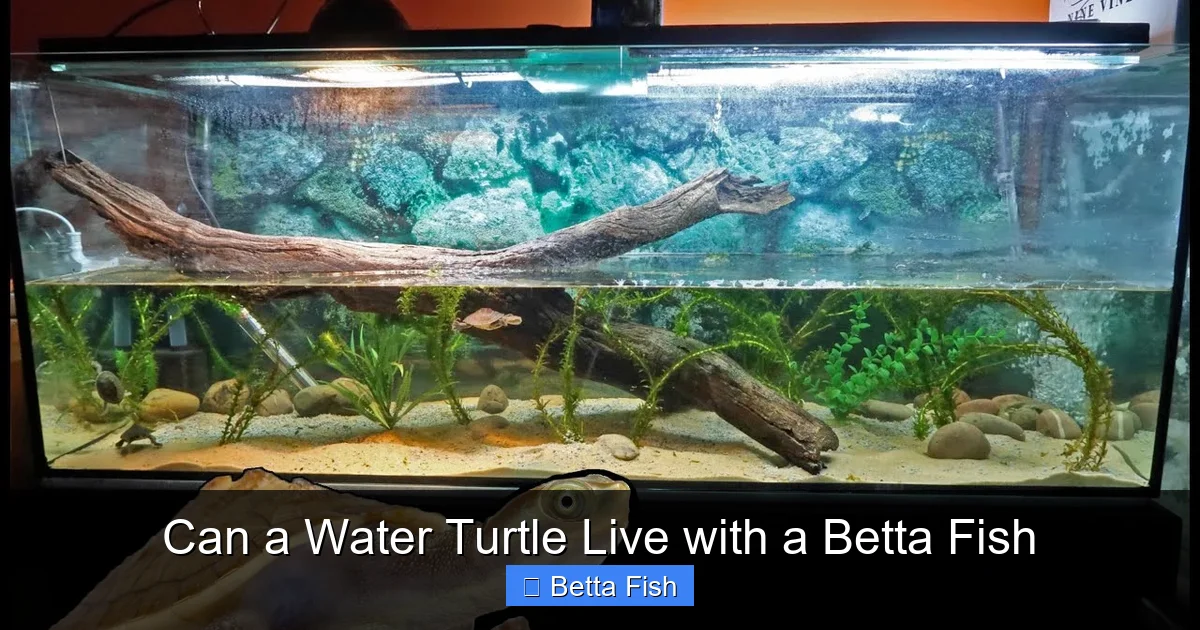
Most pet water turtles—like red‑eared sliders, painted turtles, or map turtles—need a large tank with a basking area, UVB lighting, and a water temperature between 75‑85°F (24‑29°C). They also require a dry spot to completely exit the water for shell health.
Visual guide about Can a Water Turtle Live with a Betta Fish
Image source: i.ytimg.com
Betta Fish Requirements
Betta fish (Betta splendens) thrive in warm, still water that stays around 78‑80°F (26‑27°C). They prefer a shallow environment with plenty of hiding places, low current, and a pH of 6.5‑7.5. Unlike turtles, bettas do not need UVB light and can live in a small, filtered tank.
Key Differences at a Glance
- Temperature: Overlap exists, but turtles often need higher peaks.
- Space: Turtles need 10‑20 gallons per adult; bettas can live in 2‑5 gallons.
- Water Quality: Turtles produce heavy waste; bettas are sensitive to ammonia.
- Behavior: Turtles are opportunistic feeders; bettas are territorial and can be aggressive.
Can a Water Turtle Live With a Betta Fish? The Core Answer
The short answer: it is not recommended. While a few hobbyists have reported short‑term success using tank dividers, the long‑term health of both animals is usually compromised. Below are the main reasons why cohabitation is problematic.
Visual guide about Can a Water Turtle Live with a Betta Fish
Image source: reptilescare.com
1. Predator‑Prey Dynamics
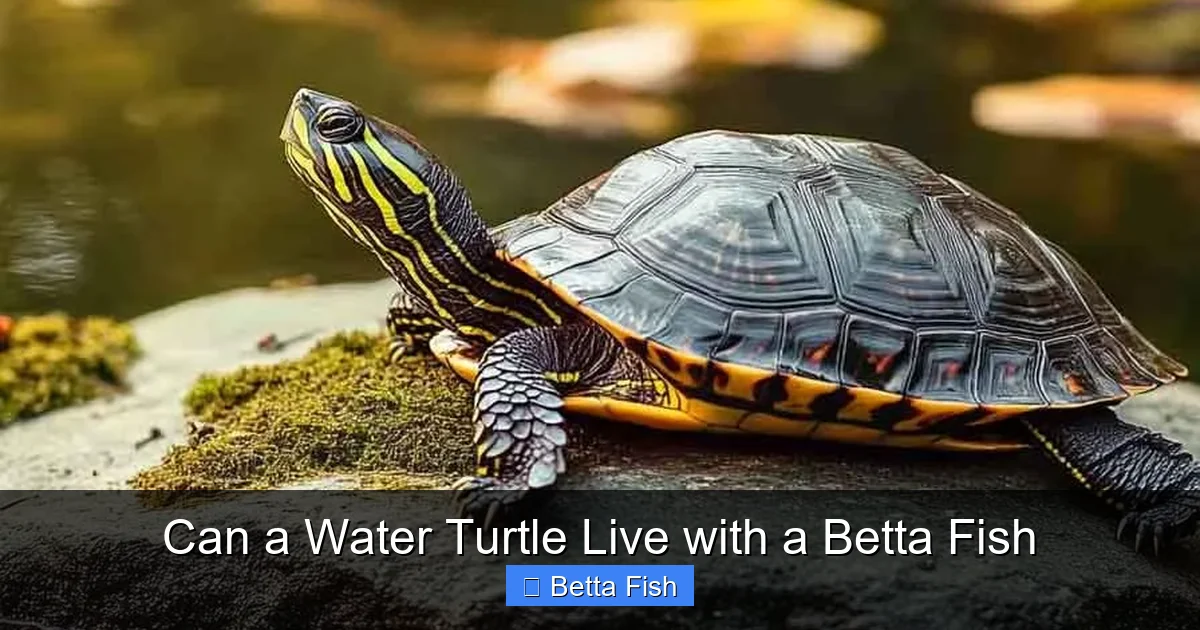
Turtles are natural hunters. Even a small aquatic turtle will instinctively chase moving objects, especially bright, fluttering fins. A betta’s long, flowing tail is an irresistible target. In most cases the turtle will either nip at the betta or try to swallow it whole.
2. Water Parameter Mismatch
Betta fish need stable, low‑ammonia water. Turtles, on the other hand, excrete large amounts of waste, raising ammonia and nitrite levels quickly. Even a robust filtration system may struggle to keep the water safe for a delicate betta.
3. Temperature Conflicts
Although both species like warm water, turtles often require a hotter basking spot that can raise the overall tank temperature beyond the safe range for bettas. Overheating can stress a betta, leading to disease and shortened lifespan.
4. Habitat Needs
Turtles need a dry basking platform, UVB lighting, and plenty of space to swim. Adding these elements to a betta tank can create too much open water, which makes the betta feel exposed and stressed. Conversely, a betta’s preferred shallow water and heavy plant cover can limit a turtle’s ability to move and bask properly.
5. Legal and Ethical Concerns
Many animal welfare groups advise against mixing reptiles with fish unless you have extensive experience and a specially designed tank. Putting a betta at risk for the sake of convenience can be considered neglectful.
When Might It Work? Special Cases and How to Set Up a Divided Tank
If you are determined to try, you must create a truly separate environment within the same aquarium. Here’s how to increase the odds of success, though remember the risk never disappears completely.
Visual guide about Can a Water Turtle Live with a Betta Fish
Image source: i.pinimg.com
Choosing the Right Turtle Species
- Small, slow‑moving species: A very young painted turtle or a small musk turtle may be less likely to attack a betta.
- Aquatic versus semi‑aquatic: Fully aquatic turtles that spend most of their time underwater may be easier to separate from a betta.
Tank Divider Essentials
- Opaque, sturdy barrier: Use acrylic or thick glass that the turtle cannot break.
- Secure seal: Ensure no gaps where the turtle can reach the betta.
- Separate filtration: Two small filters—one for each side—prevent waste crossover.
Maintaining Separate Water Conditions
Set the turtle side’s temperature a few degrees higher (around 82°F) and the betta side at 78°F. Use separate heaters and thermostats. Regularly test ammonia, nitrite, and pH on both sides.
Monitoring Behavior
Watch for signs of stress: a betta that hides constantly, frayed fins, or a turtle that shows excessive aggression toward the barrier. If any negative signs appear, separate them immediately.
Real‑World Example
John, a hobbyist from Texas, tried a divided tank with a 20‑gallon setup: a red‑eared slider on one side and a male betta on the other. He installed a 2‑inch acrylic divider, two filters, and separate heaters. After two weeks, the turtle began testing the barrier and the betta’s fins showed tiny bite marks. John removed the betta and kept the turtle alone, noting that the experiment saved him a lot of heartache.
Best Alternatives: Keeping Them Happy Apart
Instead of forcing an unlikely partnership, consider these alternatives that keep both pets thriving.
Separate Tanks with Shared Equipment
You can use the same filtration system (with separate hoses) or share a water conditioner, reducing costs while maintaining distinct habitats.
Compatible Tank Mates for Betta Fish
If you want a community tank for your betta, look at fish that are known to coexist peacefully. Check out articles like What Fish Can Live With A Betta for a full list. Small, fast‑moving fish like neon tetras or peaceful bottom‑dwellers such as Corydoras can be good choices if the tank is large enough.
Compatible Tank Mates for Water Turtles
Most turtles do well with other turtles of similar size, or with certain hardy snails and shrimp that can handle the turtle’s scavenging habits. See Can Water Snails Live With Betta Fish for a look at invertebrate options that tolerate turtle tanks.
Creating a “Viewing” Area
If you love watching both animals, set up two adjacent tanks with a glass wall. This way you can enjoy the visual interaction without any physical contact.
Step‑by‑Step Guide: Setting Up Separate but Adjacent Tanks
Step 1: Choose the Right Size
For a small red‑eared slider, aim for at least 40 gallons. For a betta, a 5‑gallon tank with a lid is sufficient.
Step 2: Install Proper Filtration
Use a canister filter for the turtle tank (rated for at least 100 gallons) and a sponge filter for the betta tank. This prevents cross‑contamination.
Step 3: Add Heating and Lighting
- Tile heater for the turtle tank set to 80‑84°F.
- Submersible heater for the betta tank set to 78°F.
- UVB lamp for the turtle tank (12‑hour cycle).
- LED or compact fluorescent light for the betta tank (8‑hour cycle).
Step 4: Decor and Hiding Places
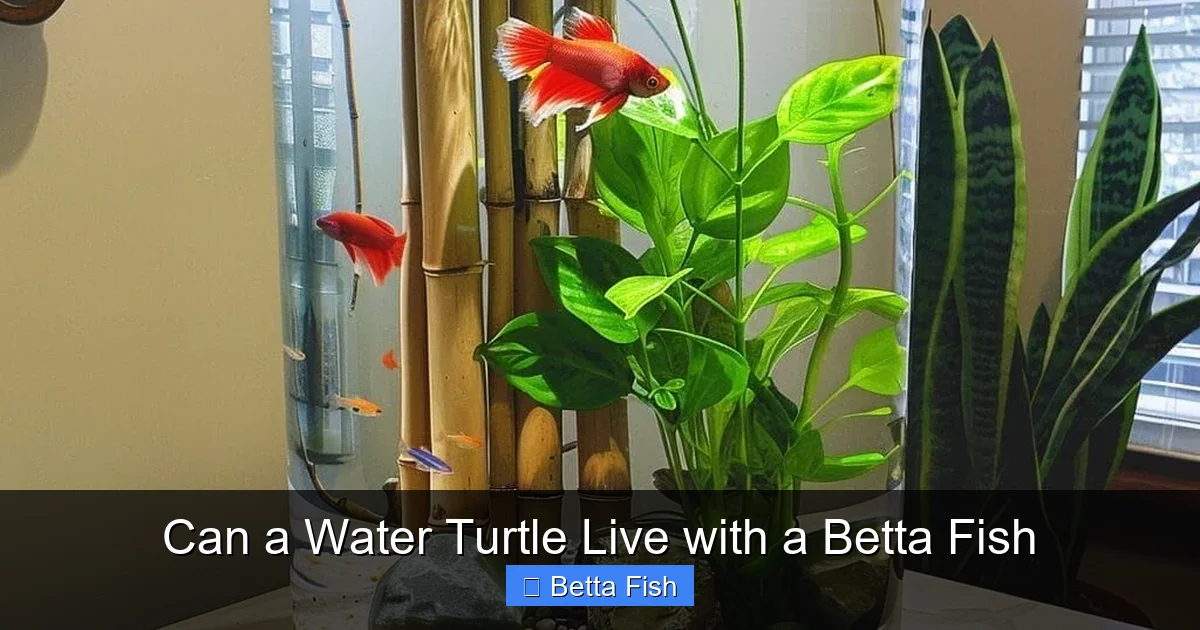
Provide large rocks, driftwood, and a basking platform for the turtle. For the betta, add live plants, caves, and soft substrate. Keep decorations on opposite sides of the glass wall to avoid visual stress.
Step 5: Cycle Both Tanks
Run the nitrogen cycle for at least four weeks before adding any animals. Test water parameters daily during this period.
Step 6: Introduce the Animals
Acclimate each animal slowly using the drip method. Observe for 30 minutes before leaving them unattended.
Step 7: Ongoing Care
- Weekly water changes (25% for the turtle tank, 30% for the betta tank).
- Monthly filter media cleaning.
- Regular health checks: look for shell rot, fin rot, or abnormal behavior.
Conclusion: Making the Right Choice for Your Pets
While the idea of a turtle sharing a tank with a betta fish is appealing, the reality is that can a water turtle live with a betta fish is best answered with a cautious “no.” The differing temperature, space, and dietary needs create a high‑risk environment for both creatures.
Instead of forcing an unnatural pairing, give each animal the environment it truly needs. Separate tanks, proper filtration, and thoughtful tank mates will keep both your turtle and betta healthy and happy. If you’re still curious about community tanks, explore our other guides on compatible fish, such as Can A Betta Fish Live With Other Fish and Can A Goldfish Live With A Betta Fish.
Remember, happy pets make happy owners. Choose wisely, and enjoy watching each species thrive in its own perfect home.
Frequently Asked Questions
Can a water turtle eat a betta fish?
Yes. Turtles are opportunistic feeders and may try to bite or swallow a betta if given the chance.
Do betta fish need a heater if kept with a turtle?
Betta fish still need a stable temperature around 78°F, even if the turtle side of the tank is warmer.
Is a tank divider enough to keep them safe?
A sturdy, opaque divider can reduce risk, but it does not eliminate stress or water quality issues.
What are better tank mates for a water turtle?
Other turtles of similar size, certain snails, and hardy shrimp are more compatible than delicate fish.
Can I use the same filter for both a turtle and a betta?
It’s possible with separate intake/outlet lines, but most hobbyists prefer dedicated filters to control waste.
How often should I test water parameters in a mixed setup?
Test daily for ammonia, nitrite, and pH during the first month, then at least twice a week thereafter.