How to Make Fishing Rod Pull Better
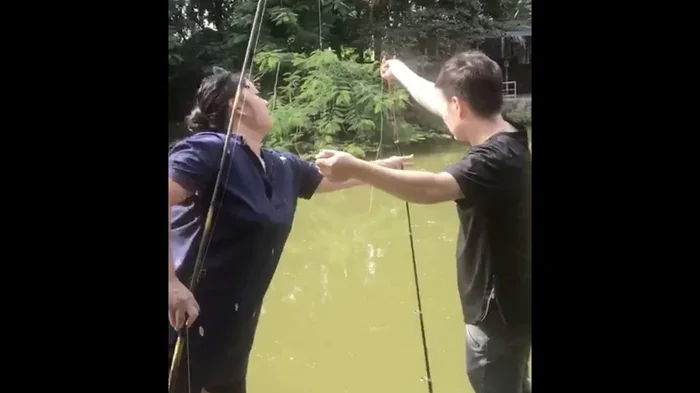
Making your fishing rod pull better starts with the right setup, maintenance, and casting technique. Whether you fish in Stardew Valley, Ark, or real life, a smooth drag system and balanced rod make all the difference. This guide covers everything from rod power to line selection so you can cast farther and reel in bigger catches with confidence.
Few things feel better than a fishing rod that pulls smooth and strong. Whether you are casting into a calm lake or reeling in a big catch in Stardew Valley, your rod’s pull makes all the difference. A rod that struggles to pull means lost fish, snapped lines, and wasted time.
If your rod feels sluggish or your cast distance falls short, you are not alone. Many anglers deal with this problem every day. The good news is that fixing it is simpler than you think. With a few adjustments to your setup, maintenance routine, and casting technique, you can make your fishing rod pull better almost instantly.
This guide walks you through every factor that affects rod pull. You will learn what to check, what to upgrade, and how to cast with better control. By the end, you will have a clear plan to boost your rod’s performance. Let us get into it.
Key Takeaways
- Rod Power Matters: Choosing the right power and action dramatically improves how your rod pulls.
- Drag System Is Key: A well-tuned drag system lets you reel in fish without breaking your line.
- Line and Reel Setup: Matching your line weight and reel size to your rod boosts overall performance.
- Maintenance Keeps It Smooth: Regular cleaning and lubrication prevent friction that slows your pull.
- Casting Technique Counts: Even the best rod performs poorly without proper casting form and timing.
- Small Upgrades Help: Replacing guides, using quality line, and balancing your setup all add up.
📑 Table of Contents
- Understanding What Makes a Fishing Rod Pull Better
- Step-by-Step Guide to Improve Your Rod Pull
- Common Mistakes That Hurt Your Rod Pull
- Expert Tips for Better Casting and Pulling
- When to Upgrade Your Fishing Rod
- Comparing Rod Setups for Better Pull
- Final Thoughts on Making Your Fishing Rod Pull Better
Understanding What Makes a Fishing Rod Pull Better
Before you start tweaking your setup, it helps to understand what “pull” actually means on a fishing rod. Pull refers to how smoothly and powerfully your rod bends and recovers when you hook a fish or cast your line. Several parts work together to create that satisfying pull feeling.
The rod blank, guides, reel, drag system, and fishing line all play a role. When one part is weak or mismatched, the whole system suffers. Think of it like a chain. Your pull is only as strong as the weakest link.
Knowing this gives you a roadmap. Instead of guessing what is wrong, you can check each part one by one. That makes troubleshooting much easier and faster. Let us look at the main factors that affect how your rod pulls.
Rod Power and Action
Rod power refers to how much force it takes to bend the rod. A light power rod bends easily, while a heavy power rod needs more force. Action describes where the rod bends along its length. Fast action rods bend near the tip, while slow action rods bend deeper into the blank.
For better pull, match your rod power to the fish you are targeting. Light rods work great for small panfish. Medium and heavy rods handle bigger species. If you use a rod that is too light for the job, it will fight you instead of helping you.
Action also matters for pull. Fast action rods load and release energy quickly. This gives you a snappy pull when you set the hook. Slow action rods flex more but can feel mushy when fighting strong fish. Choose based on your fishing style and target species.
Line and Reel Setup
Your fishing line and reel directly affect how your rod pulls. A line that is too thick creates too much friction through the guides. A line that is too thin may lack the strength to handle strong fish. Finding the right balance is essential.
Your reel’s drag system is equally important. The drag controls how much resistance the spool puts up when line is pulled off. If your drag is too tight, it fights the rod. If it is too loose, the fish runs freely and you lose control. A well-set drag lets the rod do its job while still giving you control.
Also consider your reel size. A reel that is too small for your rod cannot hold enough line. This limits your casting distance and pulling power. Match your reel to your rod’s weight rating for the best results.
Step-by-Step Guide to Improve Your Rod Pull
Now that you understand the basics, here is a practical step-by-step guide to make your fishing rod pull better. Follow these steps in order for the best results.
- Check your rod guides. Inspect each guide for damage or buildup. Dirty or chipped guides create friction that slows your line. Clean them with a soft cloth and replace any that are broken.
- Inspect your fishing line. Old or frayed line creates drag and reduces pulling strength. Spool fresh line that matches your rod’s recommended weight. Monofilament and braided lines each have different pull characteristics.
- Tune your drag system. Set your drag to about one-third of your line’s breaking strength. This gives you enough resistance to fight fish without snapping your line. Test the drag by pulling line off the spool by hand.
- Balance your reel on the rod. A balanced rod casts farther and pulls smoother. Hold the rod at the balance point. If the reel feels too heavy or too light, consider swapping it for a better-matched model.
- Practice your casting technique. Even the best setup performs poorly with bad form. Focus on smooth, fluid casts rather than hard throws. A gentle release gives you better distance and accuracy.
- Upgrade if needed. If your rod is old or damaged, consider investing in a better one. Quality rods with good blanks and ceramic guides make a noticeable difference in pull performance.
Each step builds on the last. Start with maintenance and work your way up to upgrades. You will notice a real improvement in how your rod pulls after completing all of these steps.
Common Mistakes That Hurt Your Rod Pull
Many anglers accidentally make mistakes that weaken their rod pull. Avoiding these simple errors can improve your setup right away.
- Using the wrong line weight. Too heavy or too light line creates problems. Heavier line reduces casting distance and puts extra strain on guides. Lighter line may snap under pressure.
- Over-tightening the drag. A drag that is too tight fights the rod’s natural flex. This makes pulling harder and can snap your line when a fish makes a strong run.
- Ignoring guide maintenance. Dirty or damaged guides create friction points that slow your line. Many anglers forget to clean them regularly.
- Mismatched reel and rod. Pairing a heavy reel with a light rod throws off the balance. The rod feels sluggish and pulls unevenly.
- Skipping regular cleaning. Salt, dirt, and grime build up over time. This gunk increases friction in the guides and drag system, reducing pull performance.
Fixing these mistakes alone can make a big difference. Take a few minutes after each fishing trip to clean and inspect your gear. It adds years to your equipment and keeps your rod pulling strong.
How Rod Length Affects Pull
Rod length plays a quiet but important role in pull performance. Longer rods generally cast farther because they load more energy during the cast. Shorter rods give you more control for close-range fishing. If you want better pull and distance, a medium to long rod (around 7 to 8 feet) is a solid choice.
Keep in mind that longer rods can feel heavier. If you fish all day, a rod that is too long may cause fatigue. Balance is key. Choose a length that suits your fishing style and the waters you frequent.
What About the Drag System?
The drag system deserves special attention because it controls how much resistance your reel puts up when line is pulled off the spool. A smooth, well-maintained drag makes your rod feel responsive and powerful. A rough or sticky drag kills your pull and frustrates you on the water.
To keep your drag in top shape, clean it after every few trips. Use a light reel oil on the drag washers. If your drag feels gritty or uneven, it may be time to replace the washers. A fresh drag system can transform how your rod pulls.
Expert Tips for Better Casting and Pulling
Experienced anglers know that small details make a big difference. Here are some expert tips to help you get the most out of your fishing rod.
- Use a backing line. Adding a thin backing line under your main line increases the total line capacity on your reel. This gives you more room for long casts and stronger pull when fighting big fish.
- Try braided line for sensitivity. Braided line has less stretch than monofilament. This means you feel every pull more clearly and can react faster when a fish bites.
- Match your leader to your main line. A leader that is too thick creates a bump at the connection point. This bump can snag on guides and reduce your rod’s smooth pull.
- Warm up your line before casting. On cold days, fishing line becomes stiff and less flexible. Warming it in your hands for a few minutes before casting helps it flow smoother through the guides.
- Keep your rod tip high. When fighting a fish, keeping the rod tip up gives you better leverage. This creates a stronger pull angle and tires the fish faster.
These tips come from years of on-the-water experience. Even one or two changes can noticeably improve how your rod pulls. Start with the ones that feel easiest and build from there.
When to Upgrade Your Fishing Rod
Sometimes maintenance and technique are not enough. If you have tried everything and your rod still pulls poorly, it might be time for an upgrade. Here are signs that a new rod could help.
- Your rod has visible cracks or bends in the blank.
- Multiple guides are chipped or missing ceramic inserts.
- The reel seat feels loose or wobbly.
- Your rod no longer casts as far as it used to despite good maintenance.
- You have outgrown the rod’s power rating for the fish you target.
If any of these sound familiar, investing in a quality rod pays off fast. A well-built rod with a strong blank and smooth guides transforms your fishing experience. Look for rods with fiberglass or graphite blanks, as these materials offer great strength and flexibility. If you are playing a game like Ark, the same principles apply to upgrading your in-game gear for better pull performance.
Comparing Rod Setups for Better Pull
| Setup Type | Pull Strength | Best For | Maintenance Level |
|---|---|---|---|
| Light Rod + Monofilament | Low to Medium | Small fish, casual fishing | Low |
| Medium Rod + Braided Line | Medium to High | Medium species, versatility | Medium |
| Heavy Rod + Braided Line + Premium Drag | High | Big game, strong fish | High |
| Ultra-Light Rod + Fluorocarbon | Low | Trout, finesse fishing | Low |
This table shows how different setups affect your rod’s pull. Choose the setup that matches your fishing goals. A medium rod with braided line offers a great balance of pull strength and versatility for most anglers.
Final Thoughts on Making Your Fishing Rod Pull Better
Improving how your fishing rod pulls is not about expensive gear or complicated tricks. It comes down to understanding your setup, doing regular maintenance, and using proper technique. From checking your guides to tuning your drag, every small adjustment adds up to a noticeably better pull.
Start with the basics. Clean your rod, inspect your line, and set your drag correctly. Then work on your casting form and experiment with different line types. If your rod is truly worn out, do not be afraid to invest in a new one. The right rod makes fishing more enjoyable and more productive.
Remember that every fishing setup is different. What works for one angler may not work for another. Use this guide as a starting point and adjust based on your own experience. With practice and patience, you will find the perfect setup that makes your rod pull like a dream.
Now grab your rod, head to the water, and put these tips to work. Tight lines and strong pulls await you. For more tips on improving your fishing gear and technique, check out our guide on how to catch fish better and learn how to make the most of every cast.
Frequently Asked Questions
What makes a fishing rod pull better?
A fishing rod pulls better when you match the rod power to your target fish, maintain clean guides, use the right line weight, and set your drag system correctly. These simple adjustments reduce friction and improve the overall pulling force of your setup.
How often should I clean my fishing rod guides?
You should clean your fishing rod guides after every few fishing trips. Salt, dirt, and grime build up over time and create friction that slows your line. A quick wipe with a soft cloth keeps everything running smooth.
Does line type affect rod pull?
Yes, line type has a big impact on rod pull. Braided line offers less stretch and more sensitivity, while monofilament provides more cushion. Fluorocarbon lines are nearly invisible underwater but can be stiffer. Choose the line that matches your fishing style for the best pull performance.
Can I improve my rod pull without buying new gear?
Absolutely. Many anglers improve their rod pull simply by cleaning their guides, tuning their drag, replacing old fishing line, and practicing better casting technique. These free fixes often make a bigger difference than expensive upgrades.
What drag setting should I use for better pull?
Set your drag to about one-third of your fishing line’s breaking strength. This gives you enough resistance to fight fish effectively without risking a snapped line. Test the drag by pulling line off the spool by hand to feel the resistance.
Is a longer fishing rod better for pull and casting?
A longer rod generally casts farther and loads more energy, which can improve pull during a strong fight. However, longer rods can feel heavier and cause fatigue over long sessions. A medium-length rod (7 to 8 feet) offers a great balance of pull power and comfort for most anglers.