Can Angel Fish Go with Bettas

Yes, angel fish and bettas can sometimes live together, but it requires careful planning and the right tank setup. Both species have unique temperaments that can either clash or coexist depending on how you introduce them. This guide walks you through everything you need to know about keeping angel fish with bettas successfully.
Many fish keepers dream of creating a stunning community aquarium. The vibrant colors of bettas paired with the elegant fins of angel fish can look absolutely breathtaking. But the big question remains: can angel fish go with bettas safely?
The short answer is yes, but with important caveats. Keeping these two species together is not as simple as dropping them into the same tank. Both fish have specific needs, temperaments, and behaviors that you must understand first. This guide covers everything from tank setup to feeding strategies so you can make the best decision for your aquatic pets.
If you have ever wondered about betta tank mates or whether angel fish make good companions for bettas, you are in the right place. Let us dive deep into the world of mixed-species aquariums and find out what it really takes to keep both species thriving side by side.
Key Takeaways
- Compatibility varies: Angel fish and bettas can coexist under the right conditions, but aggression is always a risk.
- Tank size matters: A minimum of 55 gallons is recommended to reduce territorial conflicts between these two species.
- Water parameters need to match: Both species thrive in warm, slightly acidic water with stable conditions.
- Feeding separately is key: Angel fish are faster eaters, so bettas may miss out on food without intervention.
- Monitor behavior closely: Watch for fin nipping, chasing, and stress signs especially during the first few weeks.
- Consider alternatives: If the combination doesn’t work, there are many other peaceful tank mates for bettas.
📑 Table of Contents
Understanding Angel Fish and Betta Fish
Before you decide to house these two species together, it helps to understand each fish individually. Knowing their natural behaviors and needs gives you a huge advantage when planning a shared tank.
What Are Angel Fish?
Angel fish, also known as Pterophyllum, are freshwater fish native to the Amazon River basin. They are known for their tall, triangular fins and striking color patterns. In the wild, angel fish live in slow-moving, warm waters with plenty of plants and cover.
These fish can grow up to 6 inches tall and 8 inches long. They are generally peaceful but can become territorial, especially during breeding season. Angel fish are also slower swimmers compared to many other species, which matters when choosing tank mates.
What Are Betta Fish?
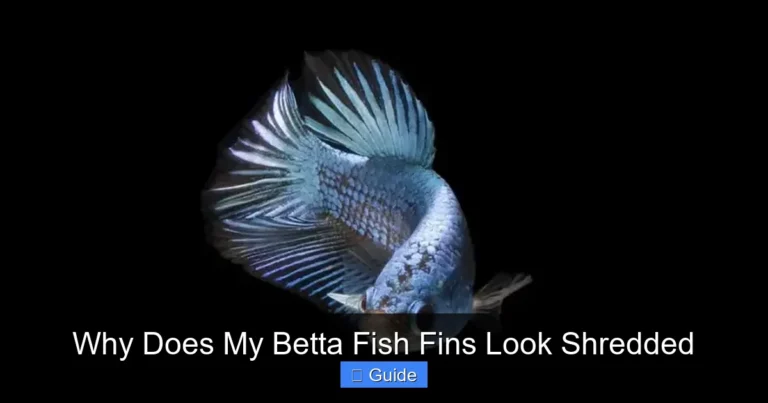
Betta fish, often called Siamese fighting fish, originate from the rice paddies and slow streams of Southeast Asia. Males are famous for their long, flowing fins and brilliant colors. Bettas are labyrinth fish, meaning they can breathe atmospheric air, which is why they often hang out near the water surface.
Male bettas are notoriously aggressive toward other bettas and sometimes toward fish with bright colors or long fins. This is called fin nipping aggression, and it is a major concern when pairing them with angel fish. Female bettas tend to be less aggressive but can still show territorial behavior.
Can Angel Fish and Bettas Live Together?
The compatibility between angel fish and bettas depends on several factors. It is not a simple yes or no answer. Let us break down what makes this pairing work or fail.
Temperament and Aggression Levels
Both angel fish and bettas can display territorial behavior. Male bettas are the most aggressive, and they may see the flowing fins of angel fish as a threat or even as another betta. This can lead to chasing, fin damage, and serious stress for both fish.
That said, some hobbyists report success keeping these species together. The key factors include tank size, the individual personalities of the fish, and how they are introduced. If you have a particularly docile betta and a calm angel fish, the odds improve significantly.
It is also worth noting that angel fish can be bullies at times. Their size advantage means they might outcompete a betta for food or space. Understanding both sides of the temperament equation is essential before making the commitment.
Tank Size Requirements
Space is one of the most critical factors in whether these two species can coexist. A cramped tank amplifies aggression and stress for both fish. Here are the general guidelines:
- Minimum tank size: 55 gallons for one betta and a pair of angel fish
- Recommended tank size: 75 gallons or larger for a more comfortable setup
- Additional space: Add 10 to 20 gallons for every extra fish you introduce
A larger tank provides more territories and hiding spots, which reduces the chances of confrontation. If you are serious about keeping angel fish with bettas, investing in a bigger tank is the single best thing you can do.
Setting Up the Perfect Tank
A proper tank setup makes all the difference when housing angel fish and bettas together. Getting the environment right helps minimize stress and aggression for both species.
Water Parameters
Both angel fish and bettas come from warm, tropical environments. Their water requirements overlap, which is one reason they can potentially live together. Here are the ideal parameters:
- Temperature: 78 to 82 degrees Fahrenheit
- pH level: 6.5 to 7.0
- Water hardness: Soft to moderately hard (3 to 8 dKH)
- Filtration: Gentle flow, as both species dislike strong currents
Stable water conditions are just as important as the right numbers. Sudden changes in temperature or pH can shock both fish and trigger illness. Use a reliable heater and thermometer, and test your water regularly with a quality test kit.
Tank Layout and Decor
The way you set up your tank directly impacts how well these fish get along. A well-planted tank with plenty of hiding spots helps reduce territorial disputes. Here are some setup tips:
- Use live plants like Amazon sword, java fern, and anubias to create natural barriers
- Add caves, driftwood, and rocks for hiding places
- Keep the background darker to reduce stress from bright lighting
- Leave open swimming space in the middle and upper levels
- Use a soft substrate like sand or fine gravel
The goal is to break up lines of sight so neither fish feels constantly threatened. Angel fish tend to occupy the middle and upper levels of the tank, while bettas spend a lot of time near the surface. Designing the tank with vertical space in mind works well for both species.
Feeding Angel Fish and Bettas Together
Feeding two different species in the same tank can be tricky. Angel fish and bettas have different eating habits and speeds, which creates a common problem.
Diet Differences
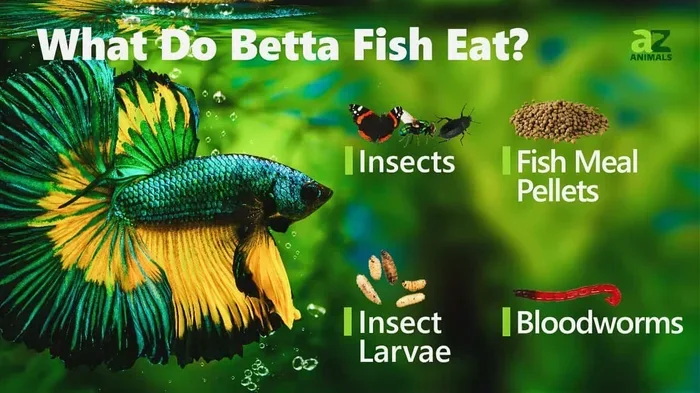
Bettas are carnivores and need a protein-rich diet. They thrive on betta pellets, frozen bloodworms, and brine shrimp. Angel fish are omnivores and enjoy a more varied diet that includes flakes, pellets, vegetables, and live or frozen foods.
The challenge is that angel fish are generally faster and more aggressive eaters. A betta may struggle to get enough food if the angel fish hog everything. This is a real concern and one of the most common reasons mixed tanks fail.
Feeding Strategies
You can overcome feeding challenges with a few simple strategies:
- Feed the betta first: Drop betta-specific food near the betta’s favorite spot before adding food for the angel fish.
- Use target feeding: Use a pipette or turkey baster to deliver food directly to each fish.
- Feed at different levels: Sprinkle sinking pellets for the angel fish and floating pellets for the betta at the same time.
- Feed small amounts multiple times a day: This reduces competition and ensures both fish get their share.
Watch both fish during feeding time for the first few weeks. If you notice one fish consistently losing out, adjust your feeding routine immediately. A well-fed fish is a less aggressive fish.
Potential Risks and How to Avoid Them
Keeping angel fish and bettas together comes with real risks. Understanding these risks helps you prepare and respond quickly if problems arise.
Fin Damage and Fin Nipping
One of the biggest concerns is fin damage. Male bettas with long fins may attract the attention of angel fish, who sometimes nip at flowing fins. Conversely, a territorial betta may chase and bite the fins of an angel fish.
You can reduce fin damage by:
- Choosing angel fish with shorter fins (wild-type varieties)
- Providing plenty of plants and decorations to break up sight lines
- Removing the aggressor to a separate tank if fin damage occurs
- Monitoring both fish daily for signs of torn or ragged fins
Stress and Disease
Stressed fish are vulnerable to diseases like ich, fin rot, and velvet. When angel fish and bettas are in the same tank, stress levels can rise quickly if the setup is not right. Signs of stress include clamped fins, loss of color, hiding constantly, and refusing food.
If you notice any of these signs, act fast. Test your water parameters, check for aggression, and consider separating the fish if needed. Prevention is always better than treatment when it comes to fish health.
When to Separate the Fish
Sometimes, despite your best efforts, these two species simply cannot coexist. Here are signs that separation is necessary:
- Constant chasing that does not stop after the first few days
- Visible fin damage on either fish
- One fish consistently being denied food
- Both fish showing signs of chronic stress
- Aggression escalating over time rather than calming down
Do not wait too long to separate fish that are not getting along. A separate quarantine tank can save lives and give you time to reassess your setup. Remember, the well-being of your fish always comes first.
Better Alternatives for Betta Tank Mates
If you discover that angel fish and bettas do not work well together in your setup, do not worry. There are plenty of other options that can make great companions for your betta.
Peaceful community fish like neon tetras, corydoras catfish, and kuhli loaches are popular choices. Snails such as mystery snails and nerite snails also make excellent tank mates because they do not compete for territory and help keep the tank clean.
Before adding any new fish, always research its compatibility with bettas. Some species that work well with bettas include what fish can go with bettas like ember tetras and harlequin rasboras. These smaller, peaceful fish are less likely to trigger aggression from your betta.
You can also explore options for female bettas, as they tend to be less aggressive and may accept a wider range of tank mates. If you are curious about specific pairings, check out our guide on can you put bettas and angel fish together for more detailed insights on this particular combination.
Final Thoughts on Keeping Angel Fish with Bettas
So, can angel fish go with bettas? The answer is yes, but it requires patience, preparation, and close monitoring. Not every combination will work, and that is okay. Every fish has its own personality, and sometimes the best decision is to keep them in separate tanks where they can each thrive.
If you do decide to try this pairing, start with a large tank, plenty of hiding spots, and a solid feeding plan. Watch your fish closely during the first few weeks and be ready to make changes if needed. The reward of a successful community tank is well worth the effort.
For more information on betta compatibility, check out our guide on can bettas go with other fish to explore additional tank mate options and tips.
Remember, the goal is a healthy and happy aquarium for all its inhabitants. Take your time, do your research, and enjoy the rewarding hobby of fish keeping. With the right approach, you might just find the perfect balance between these two beautiful species.
Frequently Asked Questions
Can I keep one male betta with one angel fish?
It is possible but risky. Male bettas are highly territorial and may see the angel fish as a rival, especially if it has long fins. A larger tank with plenty of hiding spots improves your chances of success.
What size tank do I need for angel fish and bettas together?
A minimum of 55 gallons is recommended. Larger tanks, ideally 75 gallons or more, give both fish enough space to establish territories and reduce aggression significantly.
Are female bettas less aggressive with angel fish?
Yes, female bettas are generally less aggressive than males and may coexist with angel fish more peacefully. However, individual personalities vary, so always monitor their behavior closely.
What should I do if my betta is chasing my angel fish?
Separate the fish immediately if chasing is constant and does not stop. Persistent aggression can lead to injury, stress, and disease. Reassess your tank setup before attempting to reintroduce them.
Can angel fish eat the same food as bettas?
They can share some foods, but their nutritional needs differ. Bettas need high-protein diets, while angel fish benefit from a more varied omnivore diet. Feeding them separately ensures both get proper nutrition.
How long does it take for bettas and angel fish to get used to each other?
It can take anywhere from a few days to several weeks. Some fish adjust quickly while others never fully acclimate. Watch for signs of stress and aggression during the first two to four weeks carefully.