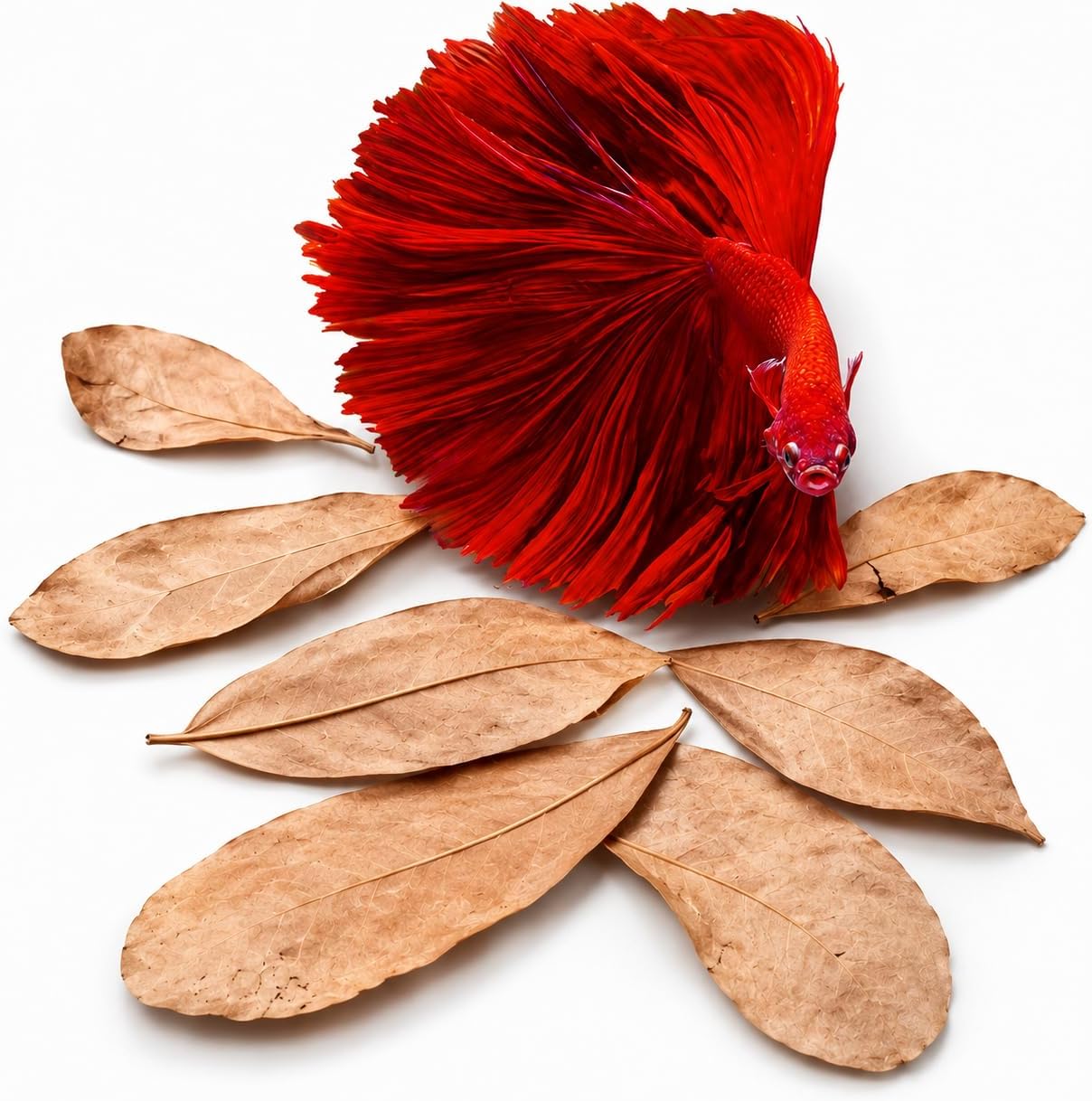
What Temperature Should a Betta Fish Tank Be At

Keeping your betta fish tank at the right temperature is the single most important factor in your fish’s health, happiness, and lifespan. Betta fish thrive in water temperatures between 76°F and 82°F (24°C to 28°C), which closely mimics their natural tropical habitat in Southeast Asia. Fluctuations outside this range can cause severe stress, weaken the immune system, and lead to deadly diseases like ich and fin rot. In this guide, we will break down exactly what temperature should a betta fish tank be at, why it matters, how to maintain it consistently, and what tools you need to keep your betta comfortable year-round.
Key Takeaways
- Keep water between 76°F and 80°F: This is the ideal betta temperature for health.
- Use a reliable aquarium heater: A tank heater maintains stable tropical fish warmth.
- Avoid temperature fluctuations: Sudden changes stress betta fish and weaken immunity.
- Monitor with a thermometer daily: Accurate readings ensure your betta stays comfortable.
- Place the tank away from drafts: Cold spots and direct sunlight cause dangerous swings.
- Adjust heater settings seasonally: Room temperature shifts affect aquarium warmth, so check regularly.
📑 Table of Contents
- Why Temperature Matters So Much for Your Betta Fish
- The Ideal Temperature Range for Betta Fish
- How to Keep Your Betta Fish Tank at the Right Temperature
- Signs Your Betta’s Tank Temperature Is Off
- Common Mistakes When Managing Tank Temperature
- Quick Tips for Perfect Betta Fish Tank Temperature
- Final Thoughts on Betta Fish Tank Temperature
Why Temperature Matters So Much for Your Betta Fish
If you own a betta fish, you already know they’re some of the most beautiful creatures in the aquatic world. Their flowing fins and vibrant colors make them a favorite among fish keepers. But here’s something many new owners don’t realize: keeping your betta fish tank temperature right is one of the most important things you can do for your pet’s health and happiness.
Betta fish are tropical fish. That means they need warm, stable water to thrive. When the water gets too cold or too hot, your betta can become stressed, sick, or worse. Understanding the ideal betta fish temperature range is the foundation of great betta fish care.
In this guide, we’ll walk you through everything you need to know about the perfect betta fish tank temperature. From the ideal numbers to the tools you need, we’ve got you covered. Let’s dive in.
The Ideal Temperature Range for Betta Fish
So, what temperature should a betta fish tank be at? The short answer is between 76°F and 82°F (24°C to 28°C). This is the optimal temperature range for most betta fish species. Let’s break it down a bit more.
Betta fish originate from the warm, shallow waters of Southeast Asia. Their natural aquatic environment is warm and stable. That’s why they do best in water that mimics those conditions. When your tank stays within that sweet spot, your betta stays active, colorful, and healthy.
Understanding the Numbers
Here’s a quick breakdown of what different temperatures mean for your betta:
- Below 72°F (22°C): Too cold. Your betta will become sluggish and may develop health problems.
- 76°F to 82°F (24°C to 28°C): The ideal betta fish temperature. This range keeps your fish happy and healthy.
- Above 86°F (30°C): Too hot. High temperatures can reduce oxygen levels and stress your fish.
For more details on the best numbers, check out this helpful guide on what is the best temperature for a betta fish tank. It goes deep into the science behind those numbers.
Celsius vs. Fahrenheit: What You Need to Know
If you’re outside the United States, you might be wondering about Celsius. The ideal range in Celsius is 24°C to 28°C. You can read more about this specifically here. Either way, the key is consistency. A stable temperature matters more than the exact number.
| Temperature | Fahrenheit | Celsius | Effect on Betta |
|---|---|---|---|
| Too Cold | Below 72°F | Below 22°C | Sluggish, risk of disease |
| Ideal Range | 76°F – 82°F | 24°C – 28°C | Active, healthy, happy |
| Too Hot | Above 86°F | Above 30°C | Stress, low oxygen levels |
How to Keep Your Betta Fish Tank at the Right Temperature
Now you know the target numbers. But how do you actually maintain them? That’s where the right fish tank setup comes into play. Let’s look at the tools and methods that work best.
Using a Water Heater
A good water heater is the most reliable way to keep your tank warm. There are several types to choose from:
- Submersible heaters: These sit inside the tank and are easy to install. They work well for most betta tanks.
- Hang-on heaters: These attach to the back of the tank. They’re a bit bulkier but work great too.
- Heater mats: These go underneath the tank. They provide gentle, even warmth.
No matter which type you choose, always pair it with an aquarium thermometer. This lets you monitor the water temperature throughout the day. Without a thermometer, you’re basically guessing.
Can Betta Fish Be Kept at Room Temperature?
Some people wonder if they can skip the heater altogether and just rely on room temperature. The honest answer? It depends. If your room stays consistently warm, around 76°F to 80°F, your betta might be fine. But most homes fluctuate in temperature, especially during winter.
For a detailed look at this topic, read about whether betta fish can be kept at room temperature. In most cases, a small heater is the safest bet. It gives you peace of mind and keeps your fish comfortable year-round.
Using a Heat Lamp or Other Warming Methods
In addition to heaters, some keepers use a heat lamp or heating pad to help stabilize warmth. These work best as supplementary tools, not replacements for a proper heater. A heat lamp can help raise the temperature a few degrees, but it won’t maintain it on its own.
Here are some quick tips for temperature management:
- Place your tank away from windows and drafts. Cold air from outside can cause temperature fluctuations.
- Keep the tank on a stable surface. Avoid placing it near air conditioning vents or radiators.
- Use a timer for your heater. This keeps the temperature steady without overworking the device.
- Check the thermometer daily. It takes just a few seconds and can save your fish’s life.
Signs Your Betta’s Tank Temperature Is Off
Even with the best setup, things can go wrong. That’s why you need to watch your fish closely. Here are some clear signs that your betta habitat might have a temperature problem.
Signs the Water Is Too Cold
When the water drops below the ideal range, your betta will show it. Look for these warning signs:
- Your betta becomes very slow and stops swimming much.
- The fish clamps its fins close to its body.
- Your betta stops eating or eats much less.
- The colors start to fade or look dull.
- Your fish hides more than usual and seems stressed.
Cold water also weakens your betta’s immune system. This makes them more vulnerable to diseases like betta fish health issues such as fin rot and ich. If you notice these signs, check your heater right away.
Signs the Water Is Too Hot
Too much heat can be just as dangerous. Here’s what to watch for:
- Your betta gasps at the surface. This means the water has low oxygen.
- The fish swims erratically or seems restless.
- You notice unusual swimming patterns or loss of balance.
- The water feels noticeably warm when you touch the glass.
High temperatures speed up metabolism but reduce available oxygen. For more on this, see our article on what temperature is too hot for a betta fish. It covers the dangers of overheating in detail.
Common Mistakes When Managing Tank Temperature
Even experienced keepers can make mistakes. Let’s look at the most common ones and how to avoid them.
Not Using a Heater
Some owners think their betta will be fine without one. While it’s possible in some warm climates, it’s risky. Most homes aren’t warm enough year-round. A small 25-watt heater is usually enough for a betta tank. It’s a small investment that makes a huge difference.
Relying on Room Temperature Alone
As we mentioned earlier, room temperature changes a lot. A warm day can turn into a cold night. Your tank water reacts slowly to these changes. That’s why a dedicated heater is always the better choice.
Ignoring Temperature Changes
Many people set their heater and forget about it. But tank maintenance includes regular temperature checks. Heaters can malfunction, thermometers can drift, and seasons change. Make it a habit to check your readings at least once a day.
Placing the Tank in the Wrong Spot
Where you put your tank matters more than you think. A tank near a window might look nice, but direct sunlight can cause the water to heat up unevenly. Similarly, a tank near a door or vent will experience cold drafts. Find a stable, indoor spot for your betta fish comfort.
Choosing the Wrong Tank Size
Smaller tanks heat up and cool down faster than larger ones. A 5-gallon tank holds temperature more steadily than a 1-gallon bowl. If you’re unsure about the right size, learn more about what kind of tank does a betta fish need. The right tank makes temperature control much easier.
Quick Tips for Perfect Betta Fish Tank Temperature
Let’s wrap everything up with some easy-to-follow tips. These are simple habits that will keep your betta thriving.
- Invest in a good heater. A reliable heater is the single best tool for temperature control. Look for one with a built-in thermostat.
- Get a quality thermometer. Digital thermometers are the most accurate. Stick-on types work in a pinch but can lose accuracy over time.
- Keep the room stable. Avoid placing your tank near doors, windows, or vents. Stable room temperatures help your heater work less hard.
- Do regular water changes. Fresh water at the right temperature supports good water quality. Always match the new water to the tank temperature before adding it.
- Watch your fish. Your betta will tell you a lot through its behavior. Active and eating well means things are going great. Lethargy or clamped fins means something needs attention.
- Use a thermometer before adding new fish. If you plan to keep other species, make sure the temperature works for everyone. Not all fish share the same preferences. If you’re curious about tank mates, check whether betta fish can be kept in a community tank for guidance.
Here’s a quick comparison of different heating methods:
| Heating Method | Best For | Pros | Cons |
|---|---|---|---|
| Submersible Heater | Most betta tanks | Accurate, reliable, easy to install | Takes up some tank space |
| Hang-On Heater | Larger tanks | External, keeps tank interior clear | Can be bulkier, less precise for small tanks |
| Heater Mat | Alternative option | Gentle heat, no tank intrusion | Slower to adjust, less precise |
| Heat Lamp | Supplementary warming | Quick warmth, good for dips | Not a standalone solution, can overheat |
Final Thoughts on Betta Fish Tank Temperature
Keeping the right betta fish tank temperature is one of the simplest yet most powerful things you can do for your fish. A stable, warm environment means a healthier, happier betta with brighter colors and more energy. It all comes down to understanding the ideal range, using the right tools, and staying consistent.
Remember, your betta depends entirely on you for its water conditions. A good heater, a reliable thermometer, and a little daily attention go a long way. Avoid the common mistakes we covered, follow the tips, and watch your betta flourish.
The right temperature is the foundation of great betta fish care. Get that right, and everything else falls into place. Your fish will thank you for it. Now go give your betta the warm, cozy home it deserves.
Frequently Asked Questions
What temperature should a betta fish tank be at?
The ideal betta fish tank temperature ranges between 76°F and 82°F (24°C to 28°C). This warm range mimics their natural tropical habitat and keeps them healthy and active. Straying too far outside this range can cause serious health problems.
Can betta fish survive in cold water below 76°F?
Betta fish can tolerate slightly cooler water for short periods, but prolonged exposure to temperatures below 76°F weakens their immune system. Cold water makes them sluggish and more vulnerable to diseases like ich and fungal infections. Always use a reliable aquarium heater to maintain a stable betta fish tank temperature.
What happens if the betta fish tank temperature gets too hot?
Temperatures above 86°F can stress your betta, reduce oxygen levels in the water, and shorten their lifespan. Hot water also promotes algae growth and harmful bacteria. Keeping the tank within the recommended range ensures a safe and comfortable environment.
How can I maintain the right betta fish tank temperature?
Use a submersible aquarium heater rated for your tank size and pair it with a built-in thermostat or separate thermometer. Place the heater near the filter outflow to distribute warm water evenly throughout the tank. Regular monitoring prevents sudden temperature swings that can shock your fish.
Do I need a heater for a betta fish tank?
Yes, a heater is essential for maintaining a consistent betta fish tank temperature, especially in rooms that stay below 78°F. Room temperature water is often too cool for bettas, even if it feels comfortable to you. A good heater is one of the most important investments for your betta’s health.
What is the best thermometer for monitoring betta fish tank temperature?
An inline digital thermometer or a simple stick-on thermometer strip works well for most betta setups. Place the thermometer on the opposite side of the tank from the heater for the most accurate reading. Check the temperature at least once a day to catch any fluctuations early.