What Do Betta Fish Eat in a Tank
Knowing what do betta fish eat in a tank is the key to keeping your betta healthy and vibrant. Bettas thrive on a varied diet that includes high-quality pellets, frozen foods, and occasional treats. This guide covers everything from daily feeding routines to the best food choices for your tank.
If you own a betta fish, you have probably stared at your little guy and wondered, “What exactly should I be feeding him?” It is a great question. What do betta fish eat in a tank is not just a random search query. It is the foundation of good betta care. A proper diet keeps your fish colorful, active, and living a long life. On the flip side, a poor diet leads to health problems, dull colors, and a shortened lifespan.
Many new betta owners make the mistake of feeding the same thing every day or giving too much food. Both habits cause problems. The good news is that feeding your betta does not have to be complicated. Once you understand what makes a balanced betta diet, everything falls into place. This guide breaks it all down in simple, easy-to-follow steps.
Key Takeaways
- Betta pellets are the foundation: A high-quality pellet should make up the bulk of your betta’s daily diet.
- Variety is essential: Mixing in frozen and live foods like bloodworms and brine shrimp keeps your betta healthy.
- Overfeeding is a real danger: Feed small amounts twice a day and remove uneaten food promptly.
- Betta fish can eat vegetables: Small amounts of cooked peas can aid digestion and prevent constipation.
- Wild diet differs from tank diet: Understanding what bettas eat in nature helps you replicate a balanced meal plan.
- Feeding schedule matters: Consistency in feeding times supports better digestion and overall health.
- Avoid human food: Many common foods are harmful or nutritionally incomplete for bettas.
📑 Table of Contents
Understanding the Betta Fish Diet
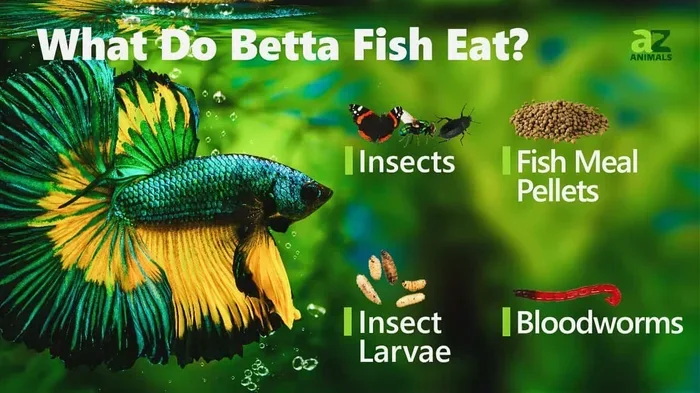
Betta fish are carnivores by nature. In the wild, they eat insects, larvae, and small organisms found near the water surface. What do betta fish eat in a tank should closely mirror this natural diet. Your goal is to provide protein-rich foods that match their biological needs.
Bettas have a short digestive tract. This means they process food quickly and do not do well with heavy, filler-filled foods. Many cheap fish flakes contain fillers like corn and wheat. These offer little nutritional value and can cause bloating and constipation in bettas.
Why Diet Matters for Betta Health
A well-fed betta displays bright, vivid colors and stays active throughout the day. Poor nutrition shows up in dull colors, lethargy, and a weakened immune system. When a betta gets sick frequently, diet is often the first thing to check. A strong diet supports a strong immune system, which helps your fish fight off diseases naturally.
Here are the key nutrients your betta needs every day:
- Protein: Bettas need a diet that is at least 30 to 40 percent protein. This fuels their energy and supports muscle health.
- Fat: Healthy fats provide concentrated energy and help absorb vitamins. Look for foods with fish oil or similar sources.
- Fiber: A small amount of fiber aids digestion and prevents constipation. This is especially important for bettas.
- Vitamins and minerals: Vitamins A, C, and E support immune function, skin health, and overall vitality.
Best Foods for Betta Fish in a Tank
Not all fish foods are created equal. When it comes to what do betta fish eat in a tank, quality matters more than quantity. Let us break down the best food options you can choose from.
Betta Pellets
High-quality betta pellets should be the staple of your fish’s diet. These pellets are specifically formulated for bettas. They sink slowly, which is perfect because bettas feed near the water surface. Look for pellets where the first ingredient is whole fish or fish meal, not fillers.
Some excellent pellet brands include Hikari Betta Bio-Gold and Omega One Betta Buffet. These brands are trusted by hobbyists and provide balanced nutrition. Feed two to three pellets per meal, twice a day. Pellets expand in water, so do not overfeed.
Frozen and Freeze-Dried Foods
Frozen and freeze-dried foods are excellent supplements. They are packed with protein and mimic the live prey bettas would eat in nature. Common options include bloodworms, brine shrimp, and daphnia.
Always thaw frozen foods before feeding. Freeze-dried foods should be soaked in tank water for a few minutes before offering them to your betta. This prevents digestive issues caused by dry food expanding inside the fish.
Here is a quick comparison of popular frozen and freeze-dried options:
- Bloodworms: High in protein but should be treated as an occasional food, not a staple.
- Brine shrimp: Great for conditioning and breeding. Lower in fat than bloodworms.
- Daphnia: Acts as a mild laxative and aids digestion. Excellent for constipated bettas.
- Mysis shrimp: Nutrient-dense and a favorite among many betta keepers.
Live Foods for Bettas
Live foods are the closest thing to what bettas eat in the wild. Many bettas go crazy for live foods because they trigger natural hunting instincts. If you want to explore what betta fish eat in the wild, live foods are the best way to replicate that experience.
Good live food options include micro worms, grindal worms, and live brine shrimp. These are easy to culture at home or purchase from pet stores. Live foods carry a slight risk of introducing parasites or bacteria, so always source them from reputable suppliers. If you are concerned about this, frozen foods are a safe and convenient alternative.
Betta Flakes
Betta flakes are another option, but they come with some downsides. Flakes tend to fall apart quickly and can cloud the water. Uneaten flakes decompose fast, which raises ammonia levels in your tank. If you use flakes, choose a high-quality betta-specific brand and feed only what your fish can consume within two minutes.
For most keepers, pellets are a better choice than flakes. Pellets hold their shape longer and provide more consistent nutrition per serving.
Can Betta Fish Eat Vegetables?
Yes, bettas can eat small amounts of certain vegetables. Vegetables provide fiber that helps with digestion. The best options are cooked peas (shelled), blanched spinach, and cucumber slices.
Peas are especially helpful. If your betta is constipated, a single cooked pea can work wonders. Just make sure to peel the skin off before feeding. Vegetables should only make up a tiny portion of the diet, about five to ten percent of total food intake.
Feeding Schedule and Portion Sizes
Getting the timing and portion size right is just as important as choosing the right foods. So, what do betta fish eat in a tank on a daily basis? Let us look at the ideal feeding routine.
How Often Should You Feed Your Betta?
The standard recommendation is to feed your betta twice a day. Morning and evening feedings work well. Some experienced keepers fast their betta one day per week. This gives the digestive system a break and helps prevent bloating and constipation.
Fasting once a week is a simple practice with big benefits. It mimics the natural eating patterns bettas experience in the wild, where food is not always available every single day.
How Much Food Per Feeding?
Less is more when it comes to bettas. A good rule of thumb is to offer only what your betta can eat in two minutes. For most bettas, this means two to three pellets per feeding. If you are feeding frozen or live foods, a small pinch is enough.
Overfeeding is one of the most common mistakes new betta owners make. Excess food sinks to the bottom of the tank, rots, and pollutes the water. This leads to ammonia spikes, which can make your betta seriously ill. Remove any uneaten food after a couple of minutes to keep the tank clean.
Common Feeding Mistakes to Avoid
Even experienced fish keepers sometimes fall into bad habits. Here are the most common mistakes people make when feeding their bettas.
Overfeeding
Bettas have tiny stomachs, roughly the size of their eye. It is very easy to overfeed them. A bloated betta becomes lethargic and may develop swim bladder issues. If you notice your betta’s belly looking round and tight after feeding, you are giving too much food.
Feeding the Wrong Foods
Do not feed your betta generic tropical fish flakes or goldfish food. These products are not formulated for a betta’s high-protein needs. They contain fillers that offer little nutritional value and can cause digestive problems over time.
If you are curious about what can go in a betta fish tank, remember that not everything is suitable for feeding. Stick to foods specifically designed for bettas or approved supplemental options.
Inconsistent Feeding Schedule
Bettas thrive on routine. Feeding at the same times each day helps regulate their metabolism and digestive health. Irregular feeding can stress your fish and lead to unpredictable eating patterns. Set reminders on your phone if you need to stay consistent.
Ignoring Uneaten Food
Leaving uneaten food in the tank is a recipe for poor water quality. Decaying food releases ammonia and nitrites, which are toxic to fish. Always remove leftovers promptly after feeding time is over.
Betta Fish Appetite and Behavior Around Food
Every betta has its own personality, and that includes how they act at feeding time. Some bettas are enthusiastic eaters who race to the surface the moment they see food. Others are more laid back and take their time.
If your betta suddenly stops eating, pay attention. A loss of appetite can signal illness, stress, or water quality problems. Check your tank parameters first. If the water is clean and the temperature is stable, consider offering a different food type. Bettas can be picky eaters, and sometimes a simple change in food brand or variety reignites their appetite.
Some bettas also eat less during colder months. If you want to understand this behavior better, check out this guide on why betta fish eat less in winter. Temperature changes can slow down a betta’s metabolism, which naturally reduces their hunger.
Special Dietary Considerations
Different situations call for different dietary approaches. Understanding these special needs helps you provide the best care possible.
Feeding a Sick Betta
When your betta is unwell, appetite often drops. If your fish is still willing to eat, offer easily digestible foods. Daphnia is an excellent choice because it acts as a natural laxative and is gentle on the stomach. Soaked pellets are also easier to digest than dry ones.
For bettas with swim bladder disorder, feeding a single cooked pea (peeled and mashed) can help regulate buoyancy. Always consult a veterinarian if health problems persist.
Feeding a Young Betta
Baby bettas, or fry, need more frequent small feedings. They should be fed three to four times a day with very small portions. Infusoria, baby brine shrimp, and finely crushed pellets work well for young bettas. As they grow, you can gradually reduce feeding frequency and increase portion size.
Feeding a Senior Betta
Older bettas may become less active and have slower digestion. Offer softer, easier-to-digest foods. Soaked pellets and frozen foods that are thawed work well. You may also need to reduce portion sizes slightly as metabolism slows with age.
Key Takeaways
- High-quality pellets form the foundation: They should be the main part of every meal.
- Supplement with variety: Frozen, freeze-dried, and occasional live foods keep your betta healthy and engaged.
- Feed small amounts twice a day: Two to three pellets per feeding is usually enough.
- Fast one day per week: This supports digestion and prevents overfeeding-related issues.
- Remove uneaten food promptly: This keeps your tank water clean and your betta healthy.
- Watch for appetite changes: A sudden loss of appetite can indicate stress or illness.
Feeding your betta does not have to be complicated or stressful. Once you establish a routine with quality foods and proper portions, you will see the results in your fish’s energy, color, and overall health. The answer to what do betta fish eat in a tank is simple: a balanced, protein-rich diet with variety and consistency. Your betta will thank you with vibrant colors and lively behavior every single day.
Take some time today to evaluate your current feeding routine. Are you offering the right foods? Are you feeding the right amounts? Small adjustments can make a big difference. Your betta fish depends on you for every meal, and a little knowledge goes a long way toward giving him a happy, healthy life.
If you are still deciding on the right setup for your betta, you might want to explore what all you need for a betta fish tank to make sure everything from food to filtration is covered.
Frequently Asked Questions
How often should I feed my betta fish in a tank?
Feed your betta twice a day, once in the morning and once in the evening. Offer only what your fish can eat within two minutes. Most bettas do well with two to three pellets per feeding. Skipping one day per week with a fasting period helps digestion and overall health.
Can betta fish eat regular fish flakes?
Regular fish flakes are not ideal for bettas. They often contain fillers and lack the high protein levels bettas need. Betta-specific flakes are a better option, but pellets are generally preferred because they hold their shape better and provide more consistent nutrition per serving.
What human foods can betta fish eat?
Bettas can eat small amounts of cooked peas (peeled), blanched spinach, and cucumber slices. Avoid bread, crackers, and processed foods. These contain ingredients that are harmful to fish and offer no nutritional benefit. Vegetables should only make up a tiny part of the diet.
Why is my betta fish not eating?
A betta that refuses food may be stressed, sick, or experiencing poor water conditions. Check your tank temperature and water parameters first. If the environment is stable, try offering a different food type. Bettas can be picky, and a simple food change often solves the problem. If the refusal continues for more than a few days, investigate further for signs of illness.
Are bloodworms good for betta fish?
Bloodworms are a great treat and a good source of protein. However, they should not be the main part of your betta’s diet. Bloodworms are high in fat and low in other essential nutrients. Use them as a supplement once or twice a week alongside a staple of quality pellets.
Can betta fish eat betta pellets every day?
Yes, betta pellets can be fed daily and should form the foundation of your betta’s diet. Choose a high-quality pellet with fish meal as the first ingredient. Feed two to three pellets twice a day. Adding variety with frozen or freeze-dried foods a few times a week keeps the diet balanced and interesting for your fish.