How Big Can a Betta Fish Get

Contrary to popular belief, betta fish don’t stay tiny. Under ideal conditions, a healthy adult betta typically reaches 2.5 to 3 inches in length, with some exceptional individuals surpassing 4 inches. Their ultimate size is a complex equation of genetics, water quality, diet, and tank environment—not just the size of their bowl. Providing a properly heated, filtered tank with a balanced, high-quality diet is the single most important factor in helping your betta reach its full, healthy growth potential. Never judge a betta’s future size by its initial pet store display; with proper care, they can and do grow significantly larger.
You’ve seen them, haven’t you? Those dazzling, little fish with flowing fins, sedately floating in a tiny cup or vase on a store shelf. The common perception is that betta fish, or Siamese fighting fish, are destined for a life of miniature proportions. But what if we told you that this is one of the biggest myths in the aquarium hobby? The question how big can a betta fish get has a much more fascinating and encouraging answer than most people realize. It’s a story of hidden potential, shaped by DNA, and utterly unlocked by the quality of care you provide. Let’s dive deep into the true growth potential of these magnificent creatures and debunk the “tiny fish” myth once and for all.
Key Takeaways
- Average Size: A healthy, mature betta fish in proper care typically measures between 2.5 and 3 inches (6.5 – 7.5 cm) from the tip of its snout to the end of its tail fin.
- Maximum Potential: While rare, exceptionally well-cared-for bettas, particularly certain “giant” breeding lines, can reach lengths of 4 inches (10 cm) or more.
- Genetics Set the Ceiling: A betta’s genetic blueprint is the primary determinant of its ultimate size potential; you cannot make a genetically small betta grow into a giant.
- Environment is the Key: Poor water quality, cold temperatures, and tiny, unfiltered containers severely stunt growth and prevent a betta from reaching its genetic size potential.
- Diet Drives Development: A varied, high-protein diet with proper portion control is essential for muscle development and overall health, directly impacting growth.
- Gender Matters: Female bettas are often slightly smaller and have shorter fins than males, but both sexes grow to a similar body length.
- Wild vs. Captive: Wild bettas are generally smaller and leaner due to natural selection and environmental pressures, while captive-bred varieties, especially show lines, are often larger due to selective breeding and abundant food.
📑 Table of Contents
- Debunking the “Tiny Fish” Myth: Where the Misconception Comes From
- The Blueprint of Size: Genetics and the Ultimate Growth Ceiling
- The Environment Equation: How Tank Size, Water, and Temperature Dictate Growth
- Fueling Growth: The Critical Role of a High-Quality Diet
- Special Cases: The Giants and the Stunted
- Practical Care Guide: Optimizing Your Betta for Maximum, Healthy Growth
Debunking the “Tiny Fish” Myth: Where the Misconception Comes From
The image of the betta as a small, hardy fish that thrives in a jar is persistent and damaging. This misconception stems from two main sources: historical marketing and a misunderstanding of their natural habitat. For decades, pet stores have sold bettas in small, disposable containers because they can *survive* in poor conditions due to their labyrinth organ, which allows them to breathe atmospheric air. Survival, however, is not the same as thriving. A fish surviving in a half-cup of water is like a human surviving on a starvation diet—it may live, but it will be stunted, weak, and never reach its full potential. The how big can a betta fish get conversation starts with rejecting this “survival” narrative and embracing the “thriving” standard.
The Labyrinth Organ: A Survival Tool, Not a Size Excuse
Betta fish possess a unique respiratory organ called the labyrinth. This allows them to gulp air from the surface, enabling them to live in warm, stagnant, oxygen-poor waters like rice paddies and shallow ditches in their native Southeast Asia. This adaptation is a brilliant survival mechanism. However, it has been twisted into an excuse to keep them in minuscule, unheated bowls. The labyrinth organ lets them *endure* bad conditions, but it does not promote growth, vibrant color, or long-term health. In fact, the stress of poor water quality and cold temperatures actively suppresses their immune system and stunts their physical development. To answer how big can a betta fish get, we must look beyond this survival trait and focus on the conditions that allow for optimal growth.
A History of Misrepresentation in the Pet Trade
The betta’s journey from the fighting pits of Thailand to the global pet trade is key to understanding their size myth. They were originally bred for aggression, not beauty. When they arrived in the West in the late 19th and early 20th centuries, they were sold as novelty “fighting fish” in small containers. This established the cultural link between bettas and tiny vessels. Even as selective breeding in the latter half of the 20th century exploded for ornamental fins and colors (creating the “halfmoon,” “crowntail,” and “plakat” varieties we know today), the retail packaging often lagged behind. The cheap, space-efficient cup remained the default. This created a generations-long feedback loop: small container → stunted fish → public belief that bettas are small. Breaking this cycle requires education on what a betta *should* look like when given the correct environment.
The Blueprint of Size: Genetics and the Ultimate Growth Ceiling
If environment determines whether a betta reaches its potential, then genetics define that potential in the first place. Think of genetics as the architectural blueprint for your betta’s body. It sets the maximum height, length, and fin span it can achieve under perfect conditions. You cannot feed a betta with genes for a 2-inch body to become a 4-inch giant. However, you can easily prevent a betta with genes for a 3-inch body from ever reaching that size by providing subpar care. This is the most critical concept when exploring how big can a betta fish get.

Visual guide about How Big Can a Betta Fish Get
Image source: inpetcare.com
Selective Breeding for Size: The “Giant” Betta Phenomenon
Within the world of dedicated betta breeders, there is a line of work specifically focused on producing larger fish. These are often called “Giant Bettas” or “King Bettas.” Breeders selectively pair the largest, most robust individuals over many generations to amplify genes associated with greater body mass and length. A true, well-bred giant betta can routinely reach 3.5 to 4 inches in body length, with some exceptional specimens edging towards 5 inches, not counting the fins. It’s important to note that “giant” is a specific breeding goal, not just a label for any large-looking betta. A common pet store betta with good care might hit 3 inches; a giant betta from a reputable breeder, with equally excellent care, has the genetic potential to surpass 4 inches. When asking how big can a betta fish get, these giants represent the upper echelon of what’s possible.
Sexual Dimorphism: Do Males or Females Get Bigger?
There is a common assumption that male bettas are always larger due to their more impressive fins. In terms of pure body length (snout to tail base), the difference is minimal. A healthy male and female from the same genetic line will often be very similar in body size. The most noticeable difference is in fin length and body shape. Males typically have much longer, more elaborate fins (dorsal, caudal, anal) and a more streamlined, “torpedo” shape. Females usually have shorter fins and a slightly rounder, fuller body, especially when gravid (carrying eggs). So, while a male’s *overall silhouette* may appear larger due to his flowing fins, the actual skeletal and muscular body length is comparable between the sexes when both are properly cared for.
The Environment Equation: How Tank Size, Water, and Temperature Dictate Growth
Here is where you, the betta keeper, hold all the power. Genetics provides the blueprint, but your betta’s environment is the construction crew. A poor crew will leave the project half-finished and shoddily built. An excellent crew will realize the blueprint to its fullest. The factors of tank size, water quality, and temperature are non-negotiable for proper growth. To truly understand how big can a betta fish get, you must master these environmental pillars.

Visual guide about How Big Can a Betta Fish Get
Image source: aquariumsphere.com
Tank Size: It’s Not Just About Swimming Room
The absolute minimum for a betta is a 5-gallon (19-liter) tank, and even that is considered a bare minimum by modern, ethical standards. A 10-gallon (38-liter) tank is the widely recommended starting point for a single betta. Why does tank size matter for growth? First, it provides stable water parameters. In a tiny vase, a single betta’s waste produces a toxic spike in ammonia and nitrites almost immediately, causing constant stress and physiological harm. In a larger, filtered, cycled tank, these toxins are diluted and processed by beneficial bacteria, creating a stable, non-toxic environment. Second, it allows for mild exercise. While bettas are not marathon swimmers, they do explore, flare, and patrol a territory. A larger space encourages natural behavior and muscle tone. A fish crammed in a cup has no room to move properly, leading to lethargy and muscle atrophy, which stunts overall development. The bigger the tank (within reason), the more stable and enriching the environment, directly supporting healthy growth.
Water Quality: The Invisible Growth Suppressor
This is the single most important factor after genetics. Ammonia, nitrite, and nitrate are silent killers of growth. Even low, chronic levels of these toxins, which are inevitable in an unfiltered or uncycled tiny bowl, cause immense stress. A stressed betta diverts energy from growth and immune function to basic survival. Its metabolism slows, its appetite may decrease, and its body begins to deteriorate. Fin rot, velvet, and other diseases become common, all of which sap resources needed for growth. Maintaining pristine water through a proper aquarium cycle (establishing beneficial bacteria), regular partial water changes (25-50% weekly), and a gentle filtration system is paramount. You cannot expect a betta to grow if it’s living in a toxic soup. Crystal clear water is not just for aesthetics; it’s a fundamental requirement for reaching full size.
Temperature: The Metabolic Engine
Betta fish are tropical fish. Their optimal temperature range is 78-80°F (25.5-26.5°C). Temperature is the dial that controls their metabolic rate. In cold water (below 75°F/24°C), their metabolism slows dramatically. They become sluggish, their digestive system works inefficiently, and their immune system is compromised. Growth essentially pauses. They may survive for years in a cold room-temperature bowl, but they will be small, pale, and prone to illness. A consistent, warm temperature using an adjustable aquarium heater keeps their metabolism humming. This efficient metabolism processes food into energy and building blocks (proteins, fats) for growth and repair. A warm, stable environment is an active growth promoter. If you’re wondering how big can a betta fish get, the first question should be: “Is my heater on and accurate?”
Fueling Growth: The Critical Role of a High-Quality Diet
You can have a genetically gifted betta in a perfect 20-gallon tank with pristine water at 79°F, but if you’re feeding it cheap flakes once a week, it will not reach its size potential. Diet is the raw material for growth. Bettas are obligate carnivores by nature, meaning their diet in the wild consists almost entirely of insects, insect larvae (like mosquito wrigglers), and tiny crustaceans. They require a diet high in animal protein to build muscle and maintain their spectacular finnage.

Visual guide about How Big Can a Betta Fish Get
Image source: japanesefightingfish.org
Building the Perfect Betta Menu
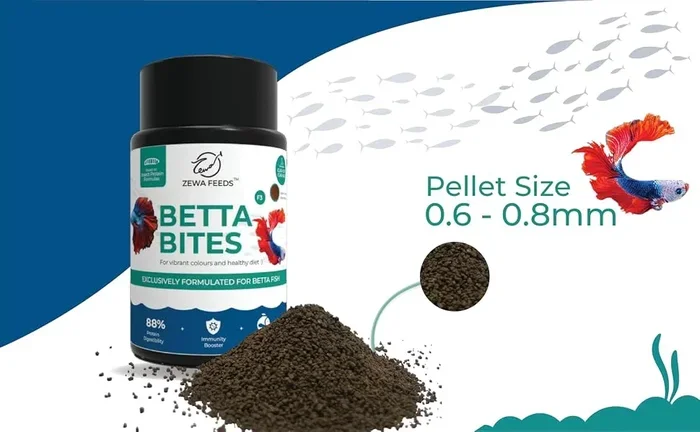
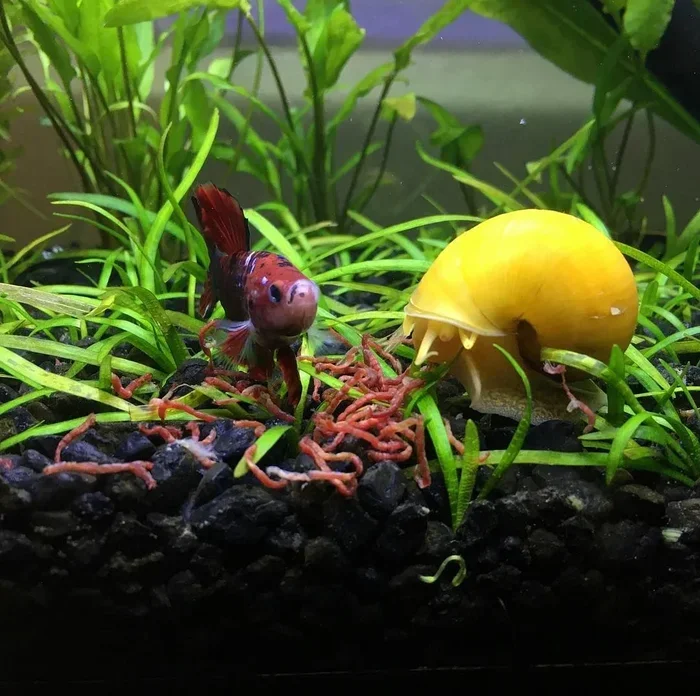
The foundation of a good diet should be a high-quality betta-specific pellet or granule. Look for brands where the first few ingredients are whole fish or shrimp meals (e.g., salmon meal, shrimp meal, krill meal), not fillers like wheat, soy, or potato. These should make up the bulk of their daily intake. Supplement this 2-3 times a week with frozen or live foods. Excellent options include daphnia (water fleas), brine shrimp, bloodworms, and mysis shrimp. These provide essential nutrients, amino acids, and fats that pellets alone may lack, and they offer mental stimulation as the betta hunts. Occasional treats of blanched, deshelled peas (for fiber) or a tiny piece of beef heart (for a protein boost, use sparingly) can be offered. The key is variety and quality.
Feeding Practices That Support Growth (and Prevent Disaster)
How you feed is as important as what you feed. Overfeeding is the #1 cause of water quality problems in betta tanks. A betta’s stomach is roughly the size of its eye. A suitable meal is 2-3 high-quality pellets or a small pinch of frozen food once or twice a day. Any uneaten food must be scooped out immediately to rot and foul the water. Underfeeding is also a risk, leading to malnutrition and stunting. A good rule: feed an amount your betta can consume in 2-3 minutes, once daily for adults, twice for juveniles or breeding pairs. Observing a healthy, alert betta with a slightly rounded (not bloated) belly after eating is a good sign. Remember, a lean, active fish is healthier and will grow more consistently than a fat, sluggish one from overfeeding.
Special Cases: The Giants and the Stunted
Within the spectrum of betta sizes, there are notable extremes that help illustrate the rules of growth. Understanding these special cases clarifies the core principles of how big can a betta fish get.
The Giant Betta: A Product of Selective Breeding
As mentioned, Giant Bettas are a specialized breeding project. They are not simply “big bettas” that happen to be large; they are the result of decades of selective breeding for genes that promote increased body mass, girth, and overall size. They often have a more robust, “bullish” build compared to the sleek standard betta. Caring for a giant betta is largely the same as for a standard one, but their larger mass means they may produce more waste, so impeccable filtration and water changes are even more critical. They are also sometimes more prone to buoyancy issues if overfed. If you seek the absolute maximum answer to how big can a betta fish get, a well-bred giant from a reputable breeder, housed in a spacious, warm tank and fed a premium diet, is your best candidate for seeing a 4+ inch betta.
The Stunted Betta: A Tragic but Common Sight
Conversely, the stunted betta is all too common. This is a fish that, due to prolonged poor conditions early in life (small cup, cold water, bad diet), has failed to develop properly. It may have a short, “dumpy” body, clamped fins, faded colors, and a generally weak appearance. Its internal organs may also be underdeveloped. The tragic part is that this stunting is often permanent. If a betta experiences severe stress or malnutrition during its first 6-8 months of life—its critical juvenile growth phase—its skeletal structure and overall size potential can be permanently capped, even if moved to a perfect tank later. It can recover in health and color, but it will remain small. This is why the question how big can a betta fish get must be asked *before* you bring a betta home. The goal is to provide ideal conditions from day one to prevent this irreversible stunting.
Practical Care Guide: Optimizing Your Betta for Maximum, Healthy Growth
Armed with the knowledge of genetics and environment, let’s create a actionable plan. Your goal is not just a big betta, but a healthy, vibrant, long-lived one. Size is an indicator of health, not the sole objective.
Tank Setup: The Foundation
Start with a minimum 5-gallon tank, but strongly consider a 10-gallon for ample space and stability. Equip it with:
- A Heater: A reliable, adjustable aquarium heater (25-50 watts for a 5-10 gallon) with a thermostat. Use a separate thermometer to verify accuracy. Maintain 78-80°F.
- A Filter: A gentle, adjustable filter (like a sponge filter or a hang-on-back with a flow diffuser) is essential. Bettas dislike strong currents. The filter should clean the water without tossing the fish around.
- A Secure Lid: Bettas are skilled jumpers. A tight-fitting lid is non-negotiable.
- Substrate & Décor: Soft sand or smooth gravel. Provide plenty of plants (live or silk) and hiding spots like caves or betta logs. This reduces stress, which promotes health and growth.
Fully cycle the tank (establish beneficial bacteria) for 4-6 weeks before adding your betta. This means testing water for ammonia, nitrite, and nitrate until ammonia and nitrite read zero and nitrate is low.
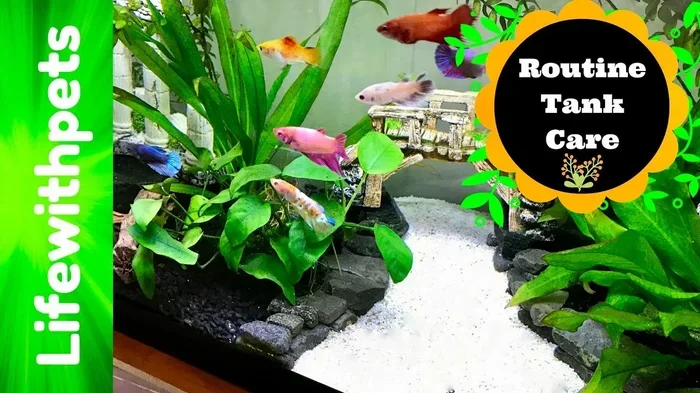
Daily & Weekly Maintenance Routine
Consistency is key. Establish this routine:
- Daily: Check heater and filter operation. Observe your betta for 5 minutes. Is it active? Eating? Fins held nicely? Any signs of illness (clamped fins, spots, fraying)?
- Feeding: Once or twice daily, offer 2-3 quality pellets or a small pinch of frozen food. Remove all uneaten food after 3 minutes.
- Weekly: Perform a 25-50% water change using dechlorinated water at the same temperature as the tank. During the change, gently clean the glass and vacuum the substrate to remove debris. Never clean filter media in tap water; rinse it gently in old tank water to preserve beneficial bacteria.
Use a liquid water test kit (like API Freshwater Master Test Kit) weekly to monitor parameters. Ammonia and nitrite must always be at 0 ppm. Nitrate should be kept below 20 ppm.
Monitoring Growth: How to Measure and What to Expect
To track your betta’s growth, you can measure its body length (not including fins) every few months. Gently net the fish and place it on a soft, wet surface (like a wet paper towel on a flat surface). Use a ruler to measure from the tip of the snout to the base of the caudal (tail) fin. Do this quickly and return the fish to the water. A betta’s first year is its main growth period. You’ll see the most dramatic increase in the first 6-8 months. After a year, growth slows significantly, though they may fill out a bit more. A healthy juvenile betta purchased at 2-3 months old might be 1 inch long. With perfect care, it should reach 2.5-3 inches by its first birthday. If after 8 months your betta is still under 2 inches despite excellent care, its genetic potential may simply be smaller.
Frequently Asked Questions
Can a betta fish really grow bigger than 3 inches?
Yes, absolutely. While the average healthy betta in good care reaches 2.5 to 3 inches, the upper limit for well-bred individuals, especially “giant” varieties, is 4 inches or slightly more. This maximum size is determined by genetics and achieved only with pristine water, warm temperatures, and a high-quality diet over its lifetime.
Will my betta grow bigger if I put it in a larger tank?
A larger tank itself doesn’t magically make a betta grow. However, the stable, clean, and low-stress environment that a larger, cycled, and filtered tank provides is *essential* for a betta to reach its full genetic size potential. A small, dirty, cold cup will permanently stunt a betta, no matter how good its genes are. The tank provides the conditions for growth, not the growth itself.
How can I tell if my betta is stunted?
A stunted betta will have a short, sometimes “dumpy” body shape that appears disproportional to its fins. Its fins may be underdeveloped or clamped. It may be lethargic, have poor color, and be prone to illness. Its overall size will be significantly smaller than the 2.5-3 inch norm for an adult, even if it appears otherwise healthy. Stunting is usually a result of poor care during its critical juvenile growth phase and is often permanent.
Do male or female bettas get larger?
In terms of pure body length (snout to tail base), males and females are very similar in size. The most noticeable difference is that males have much longer, more elaborate fins, making their overall silhouette appear larger. Females are often slightly smaller and have shorter fins, with a rounder body shape, especially when carrying eggs.
What is the single most important thing I can do to help my betta reach a good size?
Providing consistently warm, clean water is the single most important factor. This means maintaining a temperature of 78-80°F with a reliable heater and performing regular water changes in a properly cycled, filtered tank. Without this stable, non-toxic, thermally optimal environment, a betta cannot metabolize food efficiently or direct energy toward growth, regardless of diet or genetics.
Is it cruel to keep a betta in a small bowl if it seems fine?
Yes, it is considered cruel by modern aquatic veterinary and ethical standards. A betta may “seem fine” in a small bowl, surviving due to its labyrinth organ, but it is living in a constant state of stress and toxicity. Its growth will be stunted, its immune system weakened, and its lifespan drastically shortened. “Seems fine” is not an acceptable standard of care; “thriving” should be the goal, which requires a properly set-up aquarium of at least 5 gallons.