Can Bettas Go with Other Fish

Can bettas go with other fish? Yes, but it depends on the betta’s temperament, tank size, and the type of fish you choose. With the right setup and careful selection of peaceful, non-aggressive tank mates, bettas can thrive in a community aquarium. However, poor planning can lead to stress, injury, or even death for your fish.
Key Takeaways
- Bettas can live with other fish when the right conditions are met, including a large enough tank and compatible tank mates.
- Male bettas are more aggressive than females and require extra caution when choosing companions.
- Tank size matters — a minimum of 20 gallons is recommended for a betta community tank.
- Avoid fin-nipping fish like tiger barbs and aggressive species that may provoke your betta.
- Peaceful bottom dwellers and small schooling fish make the best tank mates for bettas.
- Always monitor behavior closely during the first few weeks after introducing new fish.
- Have a backup plan in case the betta does not accept its tank mates.
📑 Table of Contents
- Can Bettas Go With Other Fish? The Complete Guide to Betta Tank Mates
- Understanding Betta Fish Temperament
- What Makes a Good Tank Mate for Bettas?
- Best Fish to Keep With Bettas
- Fish to Avoid Keeping With Bettas
- How to Set Up a Betta Community Tank
- What to Do If Your Betta Does Not Get Along
- Frequently Asked Questions About Bettas and Other Fish
- Final Thoughts on Keeping Bettas With Other Fish
Can Bettas Go With Other Fish? The Complete Guide to Betta Tank Mates
If you have ever stared at your beautiful betta fish and wondered whether it might enjoy some company, you are not alone. The question of whether can bettas go with other fish is one of the most common questions new and experienced fish keepers ask. The short answer is yes, but the long answer requires a bit more thought, planning, and understanding of betta behavior.
Bettas, also known as Siamese fighting fish, have a reputation for being aggressive and territorial. This reputation is well-earned, especially when it comes to male bettas. However, that does not mean your betta has to live a solitary life. With the right tank setup, the right companions, and a good understanding of your individual betta’s personality, you can create a thriving community aquarium that includes your betta.
In this guide, we will walk you through everything you need to know about keeping bettas with other fish. We will cover which fish make great tank mates, which ones to avoid, how to set up your tank for success, and what to do if things do not go as planned. Whether you are a beginner or a seasoned aquarist, this article will give you the confidence to build a beautiful, peaceful community tank around your betta.
Understanding Betta Fish Temperament
Why Are Bettas Considered Aggressive?
To understand whether can bettas go with other fish, you first need to understand why they have such a fierce reputation. Bettas belong to the Osphronemidae family and were originally found in the shallow rice paddies, ponds, and slow-moving streams of Southeast Asia. In the wild, male bettas are extremely territorial. They will fight other males to the death to defend their space and breeding grounds.
This aggressive behavior has been amplified through generations of selective breeding. In countries like Thailand, bettas were historically bred specifically for fighting. While modern pet bettas are bred more for their stunning colors and flowing fins, that territorial instinct is still deeply embedded in their DNA.
Male vs. Female Betta Aggression
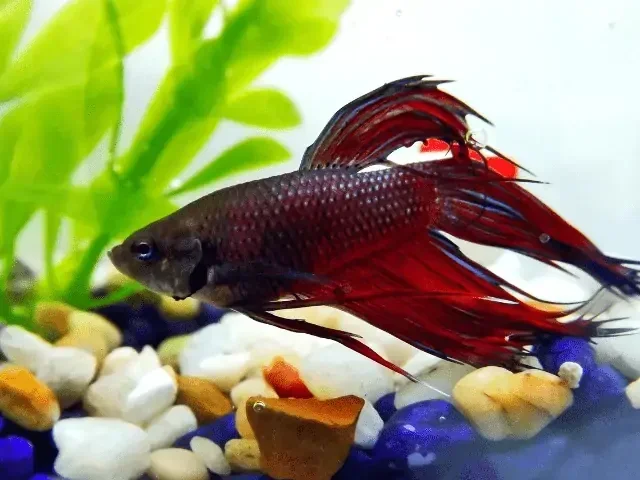
Not all bettas are created equal when it comes to aggression. Male bettas are significantly more territorial and aggressive than females. A male betta will often flare his gills, spread his fins, and attack anything he perceives as a rival. This includes other male bettas, fish with bright colors, and fish with long, flowing fins that resemble another betta.
Female bettas, on the other hand, tend to be more social and less aggressive. They can sometimes be kept together in groups called sororities, though this requires careful planning and a heavily planted tank. If you are looking to keep your betta with other fish, starting with a female betta may give you a better chance of success.
Every Betta Has a Unique Personality
Here is something many people do not realize: every betta has its own unique personality. Some male bettas are surprisingly docile and will ignore other fish entirely. Others will terrorize anything that moves in their tank. You will not know how your betta will react to tank mates until you try, which is why careful observation and a backup plan are so important.
What Makes a Good Tank Mate for Bettas?
Size and Speed
When choosing tank mates for your betta, size and speed are critical factors. You want fish that are not small enough to be seen as food but also not large enough to intimidate or bully your betta. Ideally, tank mates should be similar in size to your betta or slightly smaller. Fast-moving fish are also a good choice because they can easily get out of your betta’s way if he decides to chase them.
Temperament and Behavior
The best tank mates for bettas are peaceful, non-aggressive fish that will not provoke your betta. Avoid fish that are known fin nippers, as bettas with long, flowing fins are especially vulnerable. You also want to avoid fish that are overly boisterous or territorial, as they may stress out your betta or compete for the same space.
Water Parameter Compatibility
Any fish you add to your betta’s tank must thrive in similar water conditions. Bettas prefer warm water between 76°F and 82°F, a pH between 6.5 and 7.5, and soft to moderately hard water. Choosing fish that share these requirements will make it much easier to maintain a healthy environment for everyone in the tank.
Best Fish to Keep With Bettas
Corydoras Catfish
Corydoras catfish, often called cory cats, are one of the best tank mates for bettas. These peaceful bottom dwellers spend most of their time scavenging for food on the substrate, which means they rarely cross paths with your betta. They are social fish, so keep them in groups of at least five or six. Cory cats are hardy, easy to care for, and come in many different species, including the popular bronze cory and panda cory.
Neon Tetras
Neon tetras are small, colorful, and fast enough to avoid an angry betta. They are schooling fish, so you should keep them in groups of at least six. Their bright blue and red colors can sometimes attract a betta’s attention, but their speed and tendency to stay in the middle of the water column usually keep them out of trouble. Neon tetras thrive in the same warm water conditions that bettas prefer.
Harlequin Rasboras
Harlequin rasboras are another excellent choice. They are peaceful, active, and slightly larger than neon tetras, which makes them less likely to be seen as prey. Their subtle orange and black coloring is attractive without being so flashy that it triggers your betta’s aggression. Keep them in groups of six or more for the best results.
Kuhli Loaches
Kuhli loaches are quirky, eel-like fish that are perfect for a betta community tank. They are nocturnal and spend most of the day hiding among plants and decorations, so they rarely interact with bettas. Kuhli loaches are peaceful, social, and fun to watch when they do come out. Keep them in groups of at least three to five.
Ember Tetras
Ember tetras are tiny, peaceful fish with a beautiful orange-red coloration. They are small enough to fit in a community tank without taking up too much space, and their calm demeanor makes them unlikely to provoke a betta. Keep them in groups of eight to ten for a stunning visual display.
Otocinclus Catfish
Otocinclus catfish, or otos, are small algae eaters that make wonderful additions to a betta tank. They are extremely peaceful, stay small, and spend their time cleaning algae off plants and glass. They are social fish, so keep them in groups of at least three. Otos are a bit more sensitive than some other species, so make sure your tank is well-established before adding them.
Fish to Avoid Keeping With Bettas
Other Male Bettas
This should go without saying, but never keep two male bettas together. They will fight, often to the death. Even placing two male bettas in separate tanks next to each other can cause stress and aggressive flaring. If you want multiple bettas, keep them in completely separate tanks where they cannot see each other.
Fin-Nipping Fish
Fish like tiger barbs, serpae tetras, and some types of danios are known fin nippers. These fish are attracted to the long, flowing fins of bettas and will nip at them relentlessly. This can cause serious injury, stress, and infection. Always research a fish’s behavior before adding it to your betta’s tank.
Aggressive or Territorial Fish
Avoid any fish that is known for being aggressive or territorial. This includes cichlids, larger gouramis, and most types of goldfish. These fish will either bully your betta or be bullied by him, leading to a stressful and dangerous environment for everyone involved.
Fish With Bright Colors or Long Fins
Bettas are naturally attracted to fish that look like other bettas. Fish with bright red or blue colors, long flowing fins, or similar body shapes can trigger your betta’s territorial instincts. Guppies, for example, are often recommended as tank mates, but their bright colors and flowing tails make them a risky choice. If you do try guppies, choose duller-colored varieties and watch closely for signs of aggression.
How to Set Up a Betta Community Tank
Choose the Right Tank Size
Tank size is one of the most important factors when keeping bettas with other fish. A small tank will increase stress and aggression because there is not enough space for fish to establish their own territories. For a betta community tank, you should have a minimum of 20 gallons. A 20-gallon long tank is ideal because it provides plenty of horizontal swimming space and room for multiple fish to coexist peacefully.
Add Plenty of Plants and Hiding Spots
A well-decorated tank is essential for reducing aggression and stress. Live plants like Java fern, Anubias, and Amazon sword provide natural hiding spots and break up sight lines, which helps prevent your betta from feeling like he needs to defend the entire tank. Floating plants like hornwort or water sprite are also great because bettas love to rest near the surface. Add caves, driftwood, and other decorations to create additional hiding places for your tank mates.
Cycle Your Tank Before Adding Fish
Before you add any fish to your tank, make sure it is fully cycled. A cycled tank has established beneficial bacteria that break down harmful ammonia and nitrites. Adding fish to an uncycled tank can cause ammonia poisoning, which is deadly. The cycling process typically takes four to six weeks. Use a water test kit to confirm that your ammonia and nitrite levels are at zero before introducing any fish.
Introduce Your Betta Last
When setting up a community tank, it is best to add your betta last. This allows the other fish to establish themselves and claim their territories before the betta arrives. When your betta is introduced to an already established tank, he is less likely to view the entire space as his territory and more likely to simply find his own corner. This simple step can dramatically reduce aggression.
Monitor Behavior Closely
After introducing new fish, watch your tank closely for the first few weeks. Look for signs of aggression, such as chasing, flaring, nipping, or hiding. Some initial posturing is normal as fish establish a hierarchy, but persistent aggression is a problem. If your betta is relentlessly attacking other fish, you may need to remove either the betta or the aggressor.
What to Do If Your Betta Does Not Get Along
Have a Backup Plan
Even with the best planning, sometimes a betta simply will not tolerate tank mates. Always have a backup plan in place before you start. This could mean having a separate tank ready, keeping the fish store’s return policy in mind, or being prepared to rehome fish that do not work out. It is better to be prepared than to have a crisis on your hands.
Use a Tank Divider
If your betta is showing mild aggression but you do not want to remove the other fish, a tank divider can be a temporary solution. A divider separates the tank into sections, allowing fish to see each other without being able to physically interact. This can sometimes help fish get used to each other over time, though it does not always work.
Remove Aggressive Fish
If your betta is being aggressive, remove the other fish immediately. A stressed or injured fish can quickly develop health problems. Similarly, if another fish is bullying your betta, remove that fish. Your betta’s safety and well-being should always come first.
Consider a Species-Only Tank
Some bettas are simply not suited for community life, and that is perfectly okay. A species-only tank with a single betta can be just as beautiful and rewarding. You can create a stunning aquascape with live plants, interesting decorations, and a variety of textures and colors. Your betta will be happy and stress-free in his own space.
Frequently Asked Questions About Bettas and Other Fish
Can bettas live with other bettas?
Male bettas should never be kept together, as they will fight aggressively. Female bettas can sometimes be kept in groups called sororities, but this requires a large, heavily planted tank and careful monitoring.
What is the minimum tank size for a betta with tank mates?
A minimum of 20 gallons is recommended for a betta community tank. Larger tanks provide more space for fish to establish territories and reduce the likelihood of aggression.
Can bettas live with guppies?
Guppies are a risky choice because their bright colors and flowing tails can trigger a betta’s aggression. If you want to try guppies, choose duller-colored varieties and monitor behavior closely.
How do I know if my betta is stressed?
Signs of stress in bettas include loss of color, clamped fins, loss of appetite, excessive hiding, and erratic swimming. If you notice these signs, check your water parameters and look for potential stressors in the tank.
Can bettas live with snails or shrimp?
Yes, many bettas do well with snails and shrimp. Nerite snails and mystery snails are popular choices. Cherry shrimp can also work, though some bettas may see smaller shrimp as food. Ghost shrimp are a safer option.
How long does it take for a betta to adjust to tank mates?
It can take anywhere from a few days to a few weeks for a betta to adjust to new tank mates. During this time, monitor behavior closely and be prepared to separate fish if necessary.
Final Thoughts on Keeping Bettas With Other Fish
So, can bettas go with other fish? Absolutely, but success depends on careful planning, the right tank setup, and a good understanding of your betta’s individual personality. There is no one-size-fits-all answer, because every betta is different. Some will happily share their space with a community of peaceful fish, while others prefer to live alone.
The key is to start with a large, well-decorated tank, choose peaceful and compatible tank mates, introduce your betta last, and monitor behavior closely. Be prepared to make changes if things do not work out, and never force a community setup on a betta that clearly wants to be alone.
With patience and attention to detail, you can create a beautiful, harmonious aquarium that showcases your betta alongside a carefully chosen community of fish. It takes a bit more effort than a species-only tank, but the reward of watching your betta thrive alongside compatible tank mates is well worth it. Happy fish keeping!
Frequently Asked Questions
Can bettas live with other fish in a small tank?
Bettas should not be kept with other fish in tanks smaller than 20 gallons. Small tanks increase stress and aggression because there is not enough space for fish to establish separate territories. A larger tank is essential for a successful community setup.
What are the safest fish to keep with a betta?
The safest fish to keep with a betta include corydoras catfish, harlequin rasboras, ember tetras, kuhli loaches, and otocinclus catfish. These species are peaceful, non-aggressive, and unlikely to provoke your betta.
Can a male betta live with other fish?
Yes, a male betta can live with other fish, but it requires more caution than with a female betta. Choose peaceful, fast-moving tank mates and avoid fish with bright colors or long fins that may trigger aggression. Always monitor behavior closely.
Why is my betta attacking its tank mates?
Your betta may be attacking tank mates due to territorial behavior, stress, or incompatibility with the other fish. Common triggers include fish with bright colors, long fins, or aggressive behavior. Remove the aggressive fish or separate the betta if the behavior continues.
Can bettas and goldfish live together?
No, bettas and goldfish should not be kept together. Goldfish prefer much cooler water than bettas, produce a lot of waste, and are messy eaters. These differences make them completely incompatible as tank mates.
How many tank mates can a betta have?
The number of tank mates depends on your tank size and the species you choose. In a 20-gallon tank, you could keep a betta with a small school of six to eight tetras or rasboras and a group of five or six corydoras. Avoid overcrowding, as this increases stress and aggression.