How to Feed a Betta Fish While on Vacation

Going on vacation doesn’t mean stressing about your betta fish. You can use automatic feeders, gel food blocks, or ask a trusted friend to keep your betta fed and healthy while you’re away. This guide covers the best methods, how much to feed before you leave, and tips to prevent common problems like overfeeding and water quality issues.
Going on vacation is exciting, but leaving your betta fish behind can cause worry. You want your colorful companion to stay healthy and well-fed while you’re sipping cocktails on a beach somewhere. The good news is that how to feed a betta fish while on vacation is simpler than most people think. You have several solid options, and none of them require a degree in fish science.
Many betta owners panic at the thought of leaving their fish for days. They either overfeed before they go or buy complicated equipment they don’t need. The truth is, betta fish are tougher than they look. They can go a few days without food, and there are plenty of practical solutions for longer trips too.
In this guide, we’ll walk you through every method you can use. We’ll also cover how much to feed before you leave, what foods work best, and how to keep your tank water clean while you’re gone. Whether you’re heading out for a long weekend or a two-week adventure, you’ll find a plan that works.
Key Takeaways
- Automatic feeders: The most reliable option for feeding your betta on a set schedule while you’re away.
- Gel food and blocks: Slow-release options that prevent overfeeding and keep water quality stable.
- Fish sitters: A trusted friend or neighbor can feed your betta manually with simple instructions.
- Pre-vacation prep: Feeding the right amount before you leave helps prevent waste and hunger.
- Water quality matters: A clean tank before vacation reduces the risk of illness and stress.
- Betta fish can go 2-3 days without food: Short trips may not require any special feeding setup.
📑 Table of Contents
- How Long Can a Betta Fish Go Without Food?
- Best Methods to Feed Your Betta Fish While on Vacation
- What to Feed Your Betta Before and During Vacation
- Preparing Your Tank Before You Leave
- Common Mistakes to Avoid When Feeding Your Betta on Vacation
- What to Do When You Return from Vacation
- Quick Tips for Feeding Your Betta While on Vacation
- Final Thoughts on Feeding Your Betta While on Vacation
How Long Can a Betta Fish Go Without Food?
Before we dive into feeding methods, it helps to know your betta’s limits. A healthy adult betta fish can survive 2 to 3 days without any food at all. Some experienced fish keepers even say up to 5 days is safe for a well-fed adult betta.
But here’s the catch. Going too long without food can stress your fish. Stress weakens the immune system. A weakened immune system makes your betta vulnerable to diseases like ich and fin rot. So while your betta can technically survive a few days without eating, you should never make a habit of it.
If your vacation is shorter than three days, you might not need any special feeding equipment. Just make sure you feed your betta a normal meal before you leave. For trips longer than that, you’ll want to set up one of the methods we cover below.
Best Methods to Feed Your Betta Fish While on Vacation
There are several tried-and-true ways to ensure your betta gets fed while you’re away. Each method has pros and cons, and the right choice depends on how long you’ll be gone and how much setup time you have.
1. Automatic Fish Feeders
An automatic fish feeder is the gold standard for feeding bettas while on vacation. These small devices attach to the side of your tank and dispense food at pre-set times. You fill the hopper with betta pellets or flakes before you leave, and the feeder handles the rest.
Most automatic feeders let you schedule up to four or six feedings per day. You can also control the portion size. This means you can replicate your normal feeding routine almost exactly.
Here’s why automatic feeders work so well:
- Consistent timing: Your betta gets fed at the same hours every day.
- Portion control: You decide exactly how much food each serving contains.
- No reliance on another person: You don’t need to ask a neighbor or friend for help.
- Works for trips up to two weeks: Most feeders hold enough food for 10 to 14 days.
Just make sure you test the feeder a few days before your trip. Fill it with food and check that it dispenses correctly. You don’t want to discover a jammed mechanism while you’re already on the beach.
2. Slow-Release Food Blocks
Slow-release food blocks are another popular option. You drop the block into the tank, and it slowly dissolves over several days, releasing small amounts of food as it breaks down.
These blocks are affordable and easy to use. They’re a great choice for shorter trips of three to seven days. However, they do have some downsides. The food release rate isn’t always consistent. And if your betta doesn’t eat quickly enough, the dissolving block can cloud your water and raise ammonia levels.
If you choose this route, monitor your water parameters closely when you get back. A sudden spike in ammonia can harm your fish.
3. Ask a Friend or Neighbor (Fish Sitter)
Sometimes the simplest solution is the best one. Ask a trusted friend, neighbor, or family member to come by and feed your betta while you’re away.
This method works well if your trip is under a week. You just need to give clear instructions. Tell your fish sitter exactly how much food to give, how often, and where the food is stored.
Here’s a quick setup checklist for your fish sitter:
- Leave a small container of betta pellets or frozen food.
- Write down the feeding schedule (usually once or twice a day).
- Explain that less is more. Overfeeding is the biggest risk.
- Leave your tank light schedule so they know when to turn it on and off.
- Provide your contact number in case something goes wrong.
Many people also ask their fish sitter to do a partial water change while they’re gone. This helps keep the tank clean and your betta comfortable. You can find more details on maintaining betta fish water quality in our care guide.
4. Pre-Vacation Feeding Strategy
One clever approach is to adjust your feeding schedule right before you leave. Start feeding your betta one day before your trip and then skip the morning feeding on departure day. This way, your fish has a full stomach but won’t be hungry the first day you’re gone.
For a three-day trip, feed your betta normally the day before and skip feeding on the morning you leave. When you return, offer a small meal and gradually return to the normal schedule.
This strategy works best for short trips. For longer vacations, combine it with one of the methods above.
What to Feed Your Betta Before and During Vacation
The type of food you use matters just as much as the feeding method. Not all fish foods are created equal, and some work better for extended absence than others.
Best Foods for Vacation Feeding
When choosing food for your betta’s vacation feeding setup, stick with high-quality options. Here’s what works best:
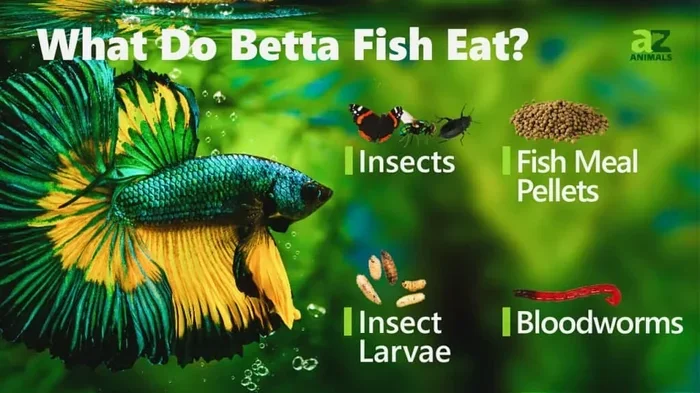
- Betta pellets: The staple diet for most bettas. They’re easy to portion and work well in automatic feeders.
- Frozen bloodworms: A protein-rich treat that many bettas love. Thaw a small amount before using in a feeder.
- Freeze-dried food: Lightweight and shelf-stable. Great for automatic feeders and slow-release blocks.
- Gel food: A newer option that holds moisture and releases nutrients slowly. Excellent for longer trips.
Avoid using flakes for vacation feeding. They dissolve too quickly and can dirty your water. Also, stay away from human foods like bread or crackers. Some people wonder if they can feed things like peanut butter to their betta. The answer is no. Human foods lack the proper nutrition and can seriously harm your fish.
If you want to add variety, you can also offer blanched peas as a treat. Just make sure to remove the shell and cut them into tiny pieces. Peas are a great source of fiber and can help prevent constipation in bettas.
How Much Food to Use
Portion control is critical when you’re away from home. Overfeeding is the number one mistake betta owners make, and it gets worse during vacation. Uneaten food decomposes in the water, spiking ammonia and nitrite levels. This can make your betta seriously ill.
As a general rule, feed your betta an amount roughly the size of its eyeball per feeding. For most adult bettas, that’s about two to four pellets per meal. When using an automatic feeder, start with the smallest setting and adjust based on how quickly your fish eats.
Preparing Your Tank Before You Leave
Feeding is only one part of the equation. Before you go on vacation, you need to prepare your tank properly. A clean, stable environment makes everything easier for your fish while you’re away.
Water Change and Tank Cleaning
Do a partial water change 1 to 2 days before your departure. Replace about 25 to 30 percent of the water with fresh, dechlorinated water at the right temperature. This reduces waste buildup and gives your betta a clean slate while you’re gone.
Also, clean the filter media gently in old tank water (not tap water). A clean filter keeps the water cycling properly, which is essential for your betta’s health.
Check Your Tank Equipment
Make sure your heater and filter are working properly before you leave. Betta fish need warm water between 76 and 82 degrees Fahrenheit. If your heater fails while you’re away, the temperature drop can stress or even kill your fish.
If you’re worried about power outages, consider a battery-powered air pump as a backup. This keeps oxygen flowing through the water if the power goes out.
Adjust the Lighting Schedule
Betta fish need a regular light cycle. If you have a timer for your tank light, set it to a normal day-night schedule. If you don’t have a timer, consider getting one. Consistent lighting helps regulate your betta’s sleep cycle and reduces stress.
Common Mistakes to Avoid When Feeding Your Betta on Vacation
Even experienced fish keepers make mistakes when preparing for a trip. Here are the most common errors to watch out for:
Overfeeding before you leave. It’s tempting to give your betta a big meal right before you go. But uneaten food ruins water quality fast. Feed a normal portion the day before and skip the morning-of meal.
Using too much slow-release food. Food blocks can overwhelm a small tank if you use too much. One small block is enough for most betta tanks for up to a week.
Relying solely on vacation feeder blocks for trips over 7 days. These blocks work for short trips but aren’t reliable enough for longer ones. Use an automatic feeder or a fish sitter instead.
Forgetting about water quality. Even with perfect feeding, your tank water can degrade over time. A water change before you leave and a water test when you return are both essential steps.
Not testing your equipment. Whether it’s an automatic feeder or a timer, test everything at least a few days before your trip. Discovering a problem on the day you leave is a nightmare scenario.
What to Do When You Return from Vacation
Coming home to your betta is always a relief. But don’t rush to overfeed as soon as you walk in the door. Your betta may have been on a reduced feeding schedule, and a big meal right away can cause digestive issues.
Here’s your return routine:
- Test the water first. Check ammonia, nitrite, and nitrate levels. If anything is off, do a partial water change immediately.
- Offer a small meal. Give your betta about half its normal portion. Wait 10 minutes and see if it eats eagerly.
- Gradually return to normal feeding. Over the next two days, increase portions back to the regular amount.
- Observe your fish. Watch for signs of stress, such as clamped fins, loss of color, or lethargy. If you notice anything unusual, check the water parameters and consider a treatment for ich or other common diseases.
Also, take this time to clean your tank. Remove any uneaten food or debris from the vacation feeding period. Your betta will appreciate the fresh, clean environment.
Remember that every betta is different. Some eat eagerly the moment food hits the water. Others take their time. Patience is key when you return from vacation. Give your fish a few days to settle back into its routine.
Quick Tips for Feeding Your Betta While on Vacation
- Always test your automatic feeder at least 3 days before your trip.
- Never double up on feedings if you forget one. It’s better to skip than to overfeed.
- Keep your tank away from direct sunlight while you’re gone to prevent algae blooms and temperature spikes.
- Leave clear, written feeding instructions for any fish sitter.
- If your trip is under 3 days, you can safely skip feeding entirely.
- Use a water conditioner when doing pre-vacation water changes to remove chlorine and chloramine.
- Consider asking your vet or a local fish store for advice if your betta has special dietary needs.
Final Thoughts on Feeding Your Betta While on Vacation
Leaving your betta behind doesn’t have to be stressful. With the right plan in place, you can enjoy your vacation knowing your fish is well cared for. Whether you choose an automatic feeder, a slow-release food block, or a trusted fish sitter, the key is preparation.
Start planning a few days before your trip. Test your equipment, do a water change, and stock up on the right food. These small steps make a huge difference in keeping your betta healthy and happy while you’re away.
And when you come home, take it slow. Test your water, offer a small meal, and give your betta time to readjust. Your fish will be glad to see you, and you’ll both get back to a normal routine in no time.
For more tips on betta care, check out our guides on how to take care of betta fish water and how to feed your betta fish at home. You can also learn about treating ich on a betta fish if you notice any white spots after returning from your trip.
Frequently Asked Questions
Can I leave my betta fish alone for a week?
Yes, but only with proper preparation. Use an automatic feeder or a slow-release food block, and make sure your tank water is clean before you leave. A week is the upper limit for most bettas without feeding, so test all equipment thoroughly before your trip.
What happens if I overfeed my betta before vacation?
Overfeeding before a trip is one of the worst things you can do. Uneaten food decays quickly and spikes ammonia levels, which can make your betta seriously ill. Stick to a normal portion the day before and skip the morning-of feeding.
Are automatic fish feeders safe for bettas?
Yes, automatic fish feeders are safe and effective for bettas. Just make sure you use the correct food size (small pellets work best) and test the feeder before your trip to ensure it dispenses properly without jamming.
Can I use a food block instead of an automatic feeder?
Food blocks work well for short trips of three to seven days. They dissolve slowly and release small amounts of food over time. However, they are less reliable than automatic feeders and can affect water quality if used for too long.
How much should I feed my betta before leaving for vacation?
Feed your betta a normal, healthy meal the day before you leave. Do not overfeed. The goal is a full but not stuffed stomach. Skip the morning feeding on the day you depart to prevent excess food from sitting in the tank.
Should I ask someone to feed my betta or use a feeder?
It depends on your trip length and comfort level. For trips under a week, a fish sitter is simple and reliable. For longer trips, an automatic feeder gives you more control and consistency. You can also combine both methods for extra peace of mind.
=== CONCLUSION ===
Feeding your betta fish while on vacation doesn’t have to be complicated. With the right approach, you can enjoy your time away without worrying about your fish. Automatic feeders, slow-release food blocks, and trusted fish sitters all get the job done effectively.
Remember to prepare your tank before you leave, use the right food in the right amounts, and take it slow when you get back. A little planning goes a long way in keeping your betta healthy and happy.
Now that you know how to feed a betta fish while on vacation, you can plan your next trip with confidence. Your betta will be just fine, and you’ll get to enjoy your well-deserved break.