Can a Betta Fish Poop
Betta fish do poop, and understanding their waste is key to a thriving aquarium. You’ll learn what normal betta droppings look like, how diet and tank conditions affect them, and simple steps to keep the water clean and your fish happy.
Key Takeaways
- Betta fish definitely poop: Like all fish, they excrete solid waste that you can see in the tank.
- Healthy poop is a sign of good diet: Proper nutrition produces firm, dark-colored pellets; mushy or floating waste can signal a problem.
- Water quality matters: Frequent water changes and a good filter prevent waste buildup and keep your betta stress‑free.
- Watch for signs of illness: Diarrhea, blood, or unusually large amounts of waste require immediate attention.
- Tank size and décor influence waste: A spacious, well‑planted tank gives your betta room to swim and helps natural bacteria break down waste.
- Regular tank maintenance is essential: Cleaning the substrate and checking the filter weekly keeps the environment safe.
- Knowing the answer to “can a betta fish poop” helps you become a better caretaker: It guides feeding, cleaning, and health‑monitoring routines.
📑 Table of Contents
- Introduction: Why the Question “Can a Betta Fish Poop?” Matters
- 1. The Biology of Betta Digestion
- 2. Recognizing Normal Betta Poop
- 3. Factors That Influence Betta Poop
- 4. Maintaining Clean Water When Your Betta Poops
- 5. Health Checks: When Poop Signals Trouble
- 6. Practical Tips for Betta Owners
- Conclusion: Embrace the Poop, Keep Your Betta Happy
Introduction: Why the Question “Can a Betta Fish Poop?” Matters
When you first bring home a vibrant betta, the excitement often focuses on the dazzling fins and the gentle bubble‑nest building. But beneath the beauty lies a very practical concern: can a betta fish poop? The short answer is a confident yes, and the longer answer is packed with useful information about your pet’s health, tank hygiene, and everyday care.
Understanding your betta’s waste patterns helps you spot problems early, keep the water crystal clear, and create a stress‑free environment. In this guide we’ll explore everything you need to know about betta poop—from what it looks like, to what influences its consistency, to simple maintenance tricks that make cleaning a breeze.
1. The Biology of Betta Digestion
How a Betta Processes Food
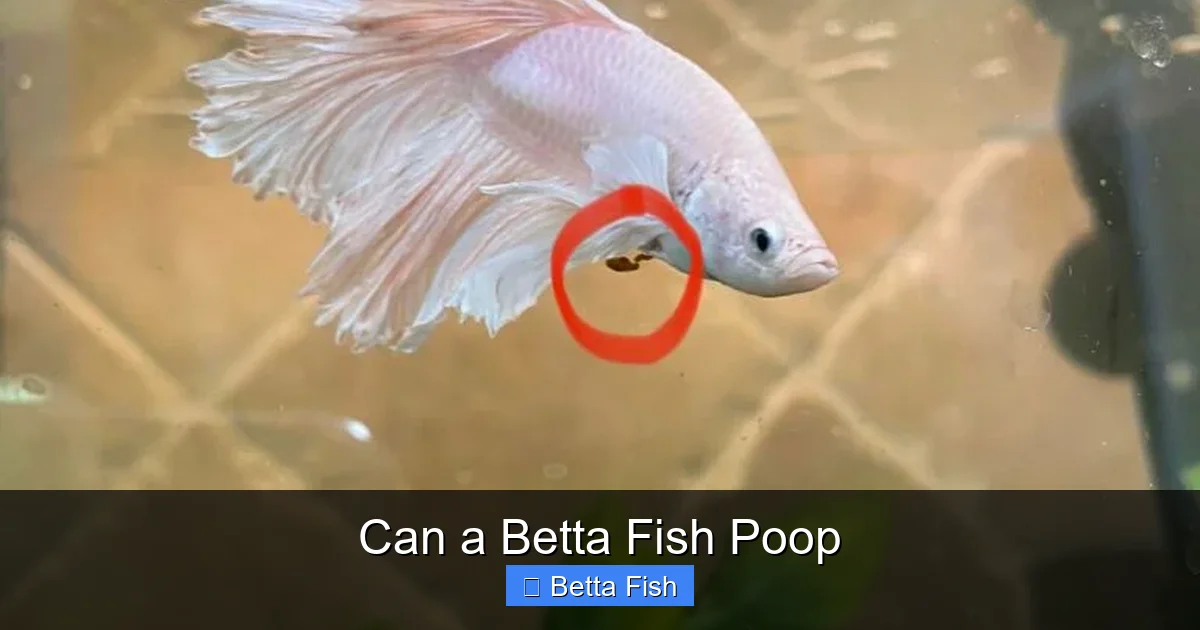
Betta fish are carnivorous predators. In the wild they chase tiny insects, larvae, and small crustaceans. In captivity they thrive on high‑protein pellets, frozen bloodworms, and occasional live foods. The digestive system works like a tiny conveyor belt: mouth → stomach → intestines → vent (the exit point for waste).
Visual guide about Can a Betta Fish Poop
Image source: buildyouraquarium.com
What Happens Inside the Gut?
Enzymes break down proteins, while beneficial bacteria in the intestines help extract nutrients. The leftover material, mixed with water, becomes the solid waste you may see drifting on the surface or settling on the substrate. This is the answer to the question “can a betta fish poop?” – absolutely, and it’s a normal part of the digestive cycle.
2. Recognizing Normal Betta Poop
Appearance and Size
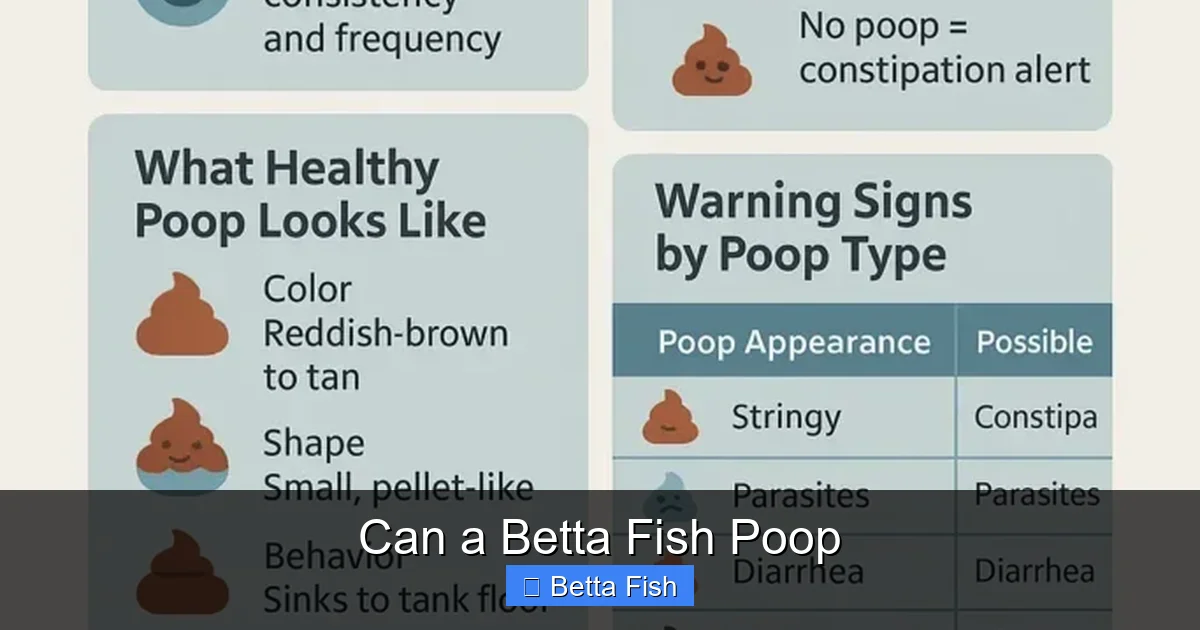
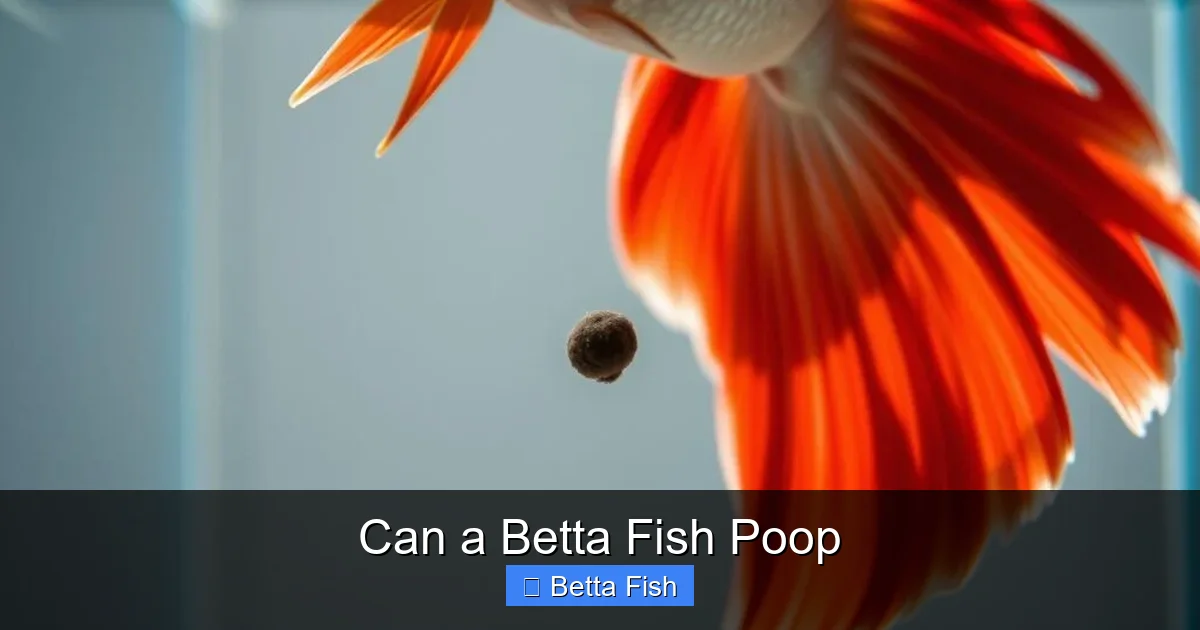
Healthy betta waste is usually small, dark, and firm—about the size of a grain of rice. It often sinks slowly to the bottom, especially if you have a fine‑grained substrate. Occasionally you’ll see a tiny white or brown pellet that floats briefly before disappearing.
Visual guide about Can a Betta Fish Poop
Image source: koibettafish.com
Frequency
Most bettas poop once or twice a day, especially after a feeding. If you feed twice daily, expect to see waste within a few hours of each meal. A sudden increase or decrease in frequency can signal changes in diet, stress, or illness.
When Poop Looks Odd
- Mushy or watery waste: May indicate over‑feeding or a diet too low in fiber.
- White, stringy strands: Often a sign of parasites or a fungal infection.
- Blood or red tint: Requires immediate veterinary attention.
3. Factors That Influence Betta Poop
Diet Quality
The type of food you give directly affects waste consistency. High‑quality betta pellets contain the right balance of protein and fiber, producing firm droppings. Low‑quality flakes or excessive treats can cause loose stools.
Visual guide about Can a Betta Fish Poop
Image source: koibettafish.com
Feeding Schedule
Consistency is key. Feeding the same amount at the same times each day helps regulate the digestive system. Over‑feeding not only leads to more waste but also pollutes the water faster.
Tank Conditions
Warmer water speeds up metabolism, meaning a betta may poop more often. Keep the temperature between 76‑82°F (24‑28°C) for optimal digestion. Poor water quality can stress the fish, causing irregular waste patterns.
4. Maintaining Clean Water When Your Betta Poops
Regular Water Changes
Even though bettas produce relatively little waste compared to larger fish, regular partial water changes (20‑30% weekly) keep ammonia and nitrite levels low. Use a gentle siphon to remove debris from the substrate where poop may settle.
Filtration Tips
A low‑flow sponge filter works well for betta tanks. It provides biological filtration without creating strong currents that stress the fish. Replace filter media every 4‑6 weeks to maintain bacterial colonies that break down waste.
Substrate and Plants
Fine sand or smooth gravel makes it easier to spot and vacuum waste. Live plants like Java fern or Anubias not only look pretty but also absorb nitrates, helping control waste buildup.
5. Health Checks: When Poop Signals Trouble
Signs of Digestive Issues
If you notice frequent diarrhea, bloating, or a lack of appetite, your betta may be dealing with constipation, parasites, or a bacterial infection. Adjust the diet—add a small amount of boiled peas (mashed) to help with constipation, or consult a vet for medication.
Testing Water Parameters
High ammonia or nitrite levels can irritate the gut, leading to abnormal waste. Test the water weekly with a reliable kit. Aim for ammonia = 0 ppm, nitrite = 0 ppm, nitrate < 20 ppm.
When to Seek Professional Help
Blood in the waste, a sudden drop in activity, or a swollen abdomen are red flags. A veterinarian who specializes in fish can provide treatment options.
6. Practical Tips for Betta Owners
Tip 1: Keep a Feeding Log
Write down what and how much you feed each day. This makes it easy to spot patterns when you notice changes in poop.
Tip 2: Use a Small Net to Remove Visible Waste
Gently skim the surface after feeding. Removing waste promptly reduces the risk of ammonia spikes.
Tip 3: Add a Bio‑Ball or Ceramic Ring
These provide extra surface area for beneficial bacteria, enhancing waste breakdown.
Tip 4: Choose the Right Tank Size
Even though bettas can survive in small bowls, a 5‑gal tank gives more stable water parameters, making waste management easier. Learn more about tank size in our guide on Can You Keep Betta Fish In A Small Bowl.
Tip 5: Consider Tank Mates Carefully
If you want companions, pick peaceful species that won’t out‑compete your betta for food, because extra fish mean extra waste. Check out What Fish Can Live With A Male Betta for safe options.
Conclusion: Embrace the Poop, Keep Your Betta Happy
Answering the simple question “can a betta fish poop?” opens the door to better care practices. By recognizing normal waste, monitoring diet, and maintaining clean water, you give your betta the best chance to thrive and display those spectacular fins we all love. Remember, a little poop is a sign of a healthy, active fish—just keep the tank clean, feed responsibly, and enjoy watching your betta flourish.
Frequently Asked Questions
Can a betta fish poop after every feeding?
Yes, most bettas will produce a small amount of waste within a few hours of eating. Seeing poop after each meal is normal and indicates a healthy digestive system.
What does cloudy water mean when my betta poops?
Cloudy water often results from excess waste or uneaten food breaking down. Perform a partial water change and check your feeding amount.
Is it safe to let betta waste accumulate in the tank?
No. Accumulated waste raises ammonia levels, which can stress or even kill your betta. Regular cleaning prevents toxic spikes.
Can I feed my betta human food to reduce poop?
Occasionally small pieces of boiled peas can help with constipation, but human foods should never replace a balanced betta diet.
Do bettas poop more in warm water?
Warmer water speeds metabolism, so a betta may excrete slightly more often. Keep the temperature within the recommended range to avoid stress.
How often should I clean the substrate to remove betta waste?
Vacuum the substrate during each weekly water change. This removes settled poop and keeps the tank environment healthy.