What Can I Use to Clean Betta Fish Tank
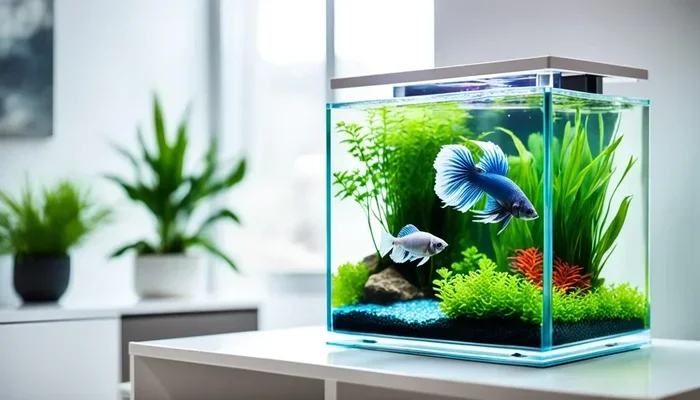
Keeping your betta fish tank clean is essential for your fish’s health and happiness. You can use several safe and effective cleaning tools, including a gravel vacuum, algae scraper, and fish-safe water conditioner. Never use soap, harsh chemicals, or household cleaners, as these can be fatal to your betta. This guide covers everything you need to know about betta fish tank cleaning the right way.
Your betta fish tank should be a clean, safe home for your colorful companion. But figuring out what can I use to clean betta fish tank is not always straightforward. Many new fish owners make the mistake of reaching for household cleaners or skipping maintenance altogether. Both approaches can lead to serious problems for your fish.
The good news is that betta fish tank cleaning does not have to be complicated. With the right tools and a simple routine, you can keep the water crystal clear and your betta healthy. In this guide, we walk you through every safe option, every product to avoid, and every step you need to follow for effective tank maintenance.
Whether you are a complete beginner or looking to improve your current routine, this article has you covered. We will explore aquarium cleaning supplies, safe water sources, and practical tips that make the process easy and stress-free. Let us dive right in.
Key Takeaways
- Never use soap or harsh chemicals: These are extremely dangerous for betta fish and can kill them quickly.
- A gravel vacuum is essential: It removes waste and debris from the substrate without disturbing your fish.
- Use a soft algae scraper: Keep tank walls clean without scratching or damaging the glass.
- Always treat water before adding it: A good water conditioner removes harmful chlorine and chloramine from tap water.
- Partial water changes work best: Replace 25-30% of the water weekly to maintain a healthy tank cycle.
- Avoid bottled or purified water without testing: Not all water types are safe or balanced for betta fish.
- Regular maintenance prevents problems: A consistent cleaning routine keeps your betta thriving for years.
📑 Table of Contents
- Why Cleaning Your Betta Fish Tank Matters
- Safe Tools and Supplies for Cleaning Your Betta Tank
- What You Should Never Use to Clean a Betta Tank
- Best Water Sources for Your Betta Tank
- Step-by-Step Guide to Cleaning Your Betta Tank
- Common Mistakes to Avoid During Tank Cleaning
- Expert Tips for a Sparkling Clean Betta Tank
- Conclusion
Why Cleaning Your Betta Fish Tank Matters
A dirty tank is more than just an eyesore. It creates a harmful environment that can make your betta sick. Waste, uneaten food, and algae buildup all release toxins into the water. These toxins stress your fish and weaken its immune system over time.
Regular cleaning helps maintain the tank cycle, which is the biological process that breaks down harmful ammonia. When you skip cleaning, ammonia and nitrite levels spike. This can cause burns on your betta’s fins, labored breathing, and even death. A consistent cleaning routine prevents all of this.
Beyond water quality, cleaning also keeps the tank looking beautiful. A well-maintained aquarium lets you enjoy your betta’s vibrant colors and playful behavior every single day. So let us look at the best tools and supplies you can safely use.
Safe Tools and Supplies for Cleaning Your Betta Tank
Not all cleaning tools are created equal. Some are specifically designed for aquariums, while others can do more harm than good. Here is a breakdown of the safest and most effective aquarium cleaning supplies you should consider.
Gravel Vacuum
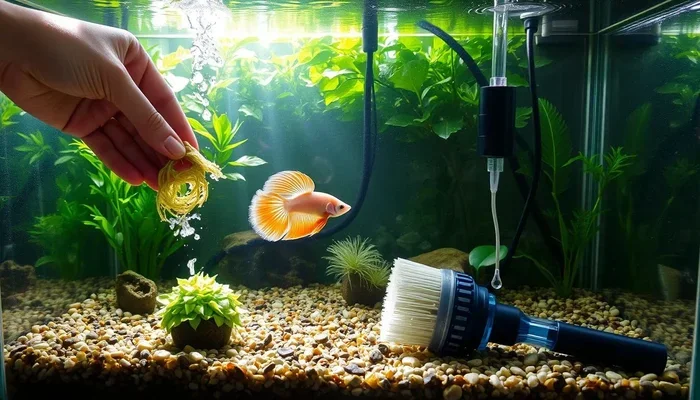
A gravel vacuum is hands-down the most important tool for tank maintenance. It siphons out debris, leftover food, and fish waste from the substrate. You can clean the gravel without removing your betta from the tank.
Here is how to use one effectively:
- Place the vacuum tube into the gravel at an angle.
- Start the siphon by sucking on the other end or using a priming pump.
- Move the tube slowly across the substrate to pick up waste.
- Remove about 25-30% of the total water volume.
- Dispose of the dirty water and refill with treated water.
Using a gravel vacuum during every partial water change is the gold standard for betta fish tank cleaning. It keeps the substrate clean without disrupting beneficial bacteria.
Algae Scraper or Magnetic Cleaner
Algae growth on tank walls is completely normal. However, too much algae blocks light and looks unsightly. A soft algae scraper or magnetic cleaner makes quick work of this problem.
Choose a scraper with a soft pad designed for aquarium glass. Avoid metal scrapers, which can scratch the surface. Scratches create tiny spaces where bacteria and algae can hide, making future cleaning harder.
For betta tanks, a magnetic algae cleaner is especially convenient. You hold one magnet on the outside and guide it from the inside. No need to reach into the water. Just glide it gently across the walls during your weekly routine.
Fish-Safe Water Conditioner
Whenever you add new water to the tank, you must treat it first. Tap water contains chlorine and chloramine, which are deadly for betta fish. A good water conditioner neutralizes these chemicals instantly.
Look for a conditioner that also removes heavy metals and adds protective slime coat to your fish. This extra layer of protection helps your betta stay healthy during and after water changes.
Always follow the dosage instructions on the label. Overdosing is rarely harmful but wastes product, and underdosing may not fully protect your fish.
Soft Cleaning Sponges and Buckets
Use a dedicated bucket and soft sponge for tank cleaning. Never use a sponge that has been used for household cleaning. Residual soap or detergent can be lethal, even in tiny amounts.
A simple microfiber cloth works well for wiping the outside of the tank. For the inside glass and decorations, a soft-bristled brush designed for aquariums is ideal. These brushes are gentle on surfaces but tough on algae and buildup.
What You Should Never Use to Clean a Betta Tank
Knowing what to avoid is just as important as knowing what to use. Many common household products seem harmless but can destroy your entire tank ecosystem.
Soap and detergent are the number one enemy of aquarium owners. Even a tiny residue can poison your betta. Never wash your tank, decorations, or tools with soap. This includes dish soap, hand soap, and all-purpose cleaners.
Bleach and harsh chemicals should also be kept far away from your aquarium. These substances strip the beneficial bacteria from your tank and create toxic conditions. If you ever accidentally introduce soap or bleach into the tank, perform an immediate full water change and rinse everything thoroughly.
Some people wonder if they can use household cleaners on tank accessories. The answer is no. Even rinsing thoroughly may leave behind invisible residues. Always use products that are specifically labeled as safe for aquariums.
Best Water Sources for Your Betta Tank
The water you add to your tank matters just as much as the cleaning tools you use. Not all water sources are safe for betta fish. Here is a closer look at your options.
Tap Water
Tap water is the most common source for aquarium owners, and for good reason. It is readily available and affordable. However, tap water must always be treated with a water conditioner before adding it to the tank.
If you are unsure whether your local tap water is safe, you can contact your water utility for a water quality report. This report will tell you the levels of chlorine, chloramine, and other additives in your water supply.
For more details on using tap water safely, check out our guide on Can I Use Tap Water For My Betta Fish Tank. It covers everything you need to know about making tap water safe for your betta.
Purified and Distilled Water
Purified water and distilled water are free from contaminants and chemicals. However, they also lack beneficial minerals that betta fish need. You may need to add a remineralizer to balance the water before use.
Learn more about using purified water in your betta tank by reading our article on Can I Use Purified Water In My Betta Fish Tank. It explains the pros and cons in detail.
Bottled and Spring Water
Not all bottled water is created equal. Some brands contain added minerals or pH adjusters that may not be suitable for betta fish. Spring water can vary widely in mineral content depending on the source.
If you choose to use bottled water, always check the label. Look for water with neutral pH and low mineral content. You can also test the water with a simple aquarium test kit before adding it to your tank.
Step-by-Step Guide to Cleaning Your Betta Tank
Now that you know which tools and water sources to use, let us walk through a complete cleaning session. Follow these steps for safe and effective betta fish tank cleaning.
Step 1: Prepare your supplies. Gather your gravel vacuum, algae scraper, bucket, water conditioner, and a clean towel. Having everything ready makes the process smooth and fast.
Step 2: Turn off all equipment. Switch off the heater, filter, and any lights. This keeps your betta calm and prevents debris from being stirred up during cleaning.
Step 3: Remove algae from the walls. Use your magnetic cleaner or soft scraper to wipe down the glass. Work from the top down for the best results.
Step 4: Vacuum the gravel. Insert the gravel vacuum and siphon out about 25-30% of the water. Focus on areas with visible debris or waste buildup. This is the most important step for maintaining water quality.
Step 5: Rinse decorations gently. If any decorations look dirty, rinse them in the bucket of removed tank water. Never use tap water directly on decorations, as it can kill beneficial bacteria.
Step 6: Refill with treated water. Add fresh water slowly to avoid disturbing the substrate. Treat the new water with conditioner according to the product instructions. Match the temperature of the new water to the existing tank water.
Step 7: Turn equipment back on. Switch the heater, filter, and lights back on. Check that everything is working properly. Give your betta a few minutes to adjust.
Following these steps every one to two weeks keeps your tank in excellent shape. Consistent tank maintenance is the single best thing you can do for your betta’s health and longevity.
Common Mistakes to Avoid During Tank Cleaning
Even experienced fish owners sometimes make mistakes. Here are the most common errors to watch out for during your betta fish tank cleaning routine.
- Using soap or household cleaners: This cannot be stressed enough. Even a microscopic amount of soap can be fatal.
- Replacing all the water at once: A full water change shocks your betta and destroys beneficial bacteria. Stick to partial changes of 25-30%.
- Ignoring the filter: Never rinse your filter media in tap water. Use removed tank water to preserve the beneficial bacteria colony.
- Skipping water conditioner: Untreated tap water will harm or kill your fish. Always condition new water before adding it.
- Cleaning too aggressively: Scrubbing too hard can remove the beneficial biofilm from surfaces. Gentle cleaning is more effective in the long run.
- Neglecting the thermometer: Adding water that is too cold or too warm stresses your betta. Always match the temperature before refilling.
Avoiding these mistakes saves you time, money, and most importantly, protects your fish. A little knowledge goes a long way in keeping your betta happy and healthy.
Expert Tips for a Sparkling Clean Betta Tank
Here are some bonus tips from experienced aquarists to take your tank maintenance to the next level.
First, consider adding live plants to your tank. Plants naturally absorb nitrates and compete with algae for nutrients. This means less algae growth and cleaner water between maintenance sessions. Some great low-light options for betta tanks include java fern, anubias, and amazon sword.
Second, do not overfeed your betta. Excess food sinks to the bottom and decays, polluting the water. Feed small amounts once or twice a day, and remove any uneaten food after a few minutes.
Third, test your water regularly. A basic aquarium test kit measures pH, ammonia, nitrite, and nitrate levels. Testing helps you catch problems early before they become serious. For more information on water quality, read our article on Can I Add Water To My Betta Fish Tank.
Finally, be patient and consistent. Cleaning a betta tank is not a one-time event. It is an ongoing commitment that becomes second nature with practice. Your betta will reward you with vibrant colors, active swimming, and a long, healthy life.
Conclusion
What can I use to clean betta fish tank? The answer is simple: safe, aquarium-specific tools and fish-safe water. A gravel vacuum, soft algae scraper, and quality water conditioner are all you need for routine maintenance. Never use soap, bleach, or harsh chemicals, and always treat your water before adding it to the tank.
By following the steps and tips in this guide, you can keep your betta’s home clean, safe, and beautiful. Consistent tank maintenance is the foundation of good betta fish care. Your fish will thank you with years of vibrant health and stunning color. Start your cleaning routine today, and enjoy the peace of mind that comes with a well-maintained aquarium.
Frequently Asked Questions
Can I use soap to clean my betta fish tank?
No, never use soap or any household cleaner in your betta tank. Soap residues are extremely toxic to fish and can kill your betta quickly. Always use aquarium-specific tools and supplies that are designed to be safe for fish.
How often should I clean my betta fish tank?
A partial water change and light cleaning should be done every one to two weeks. This routine keeps ammonia and nitrite levels stable. The frequency may vary depending on tank size, filtration, and the number of fish you keep.
Can I use tap water for my betta fish tank?
Yes, but you must treat it with a water conditioner first. Tap water contains chlorine and chloramine that are harmful to betta fish. A conditioner removes these chemicals and makes the water safe for your aquarium.
Do I need a filter for my betta fish tank?
A filter greatly simplifies tank maintenance by removing debris and supporting the beneficial bacteria cycle. If you use a filter, make sure the flow is gentle, as bettas prefer calm water. For more details, check out our guide on Can You Use A Filter In A Betta Fish Tank.
What happens if I put too much water conditioner in the tank?
Overdosing water conditioner is rarely fatal but can cause temporary stress. Always follow the dosage instructions on the product label. If you accidentally add too much, perform a small water change to dilute the excess.
Can I use bottled water instead of tap water for my betta tank?
Some bottled water brands are safe, but others contain added minerals or pH adjusters that may not suit betta fish. Always check the label and test the water before use. For more information, read our article on Can I Use Bottled Water For My Betta Fish Tank.