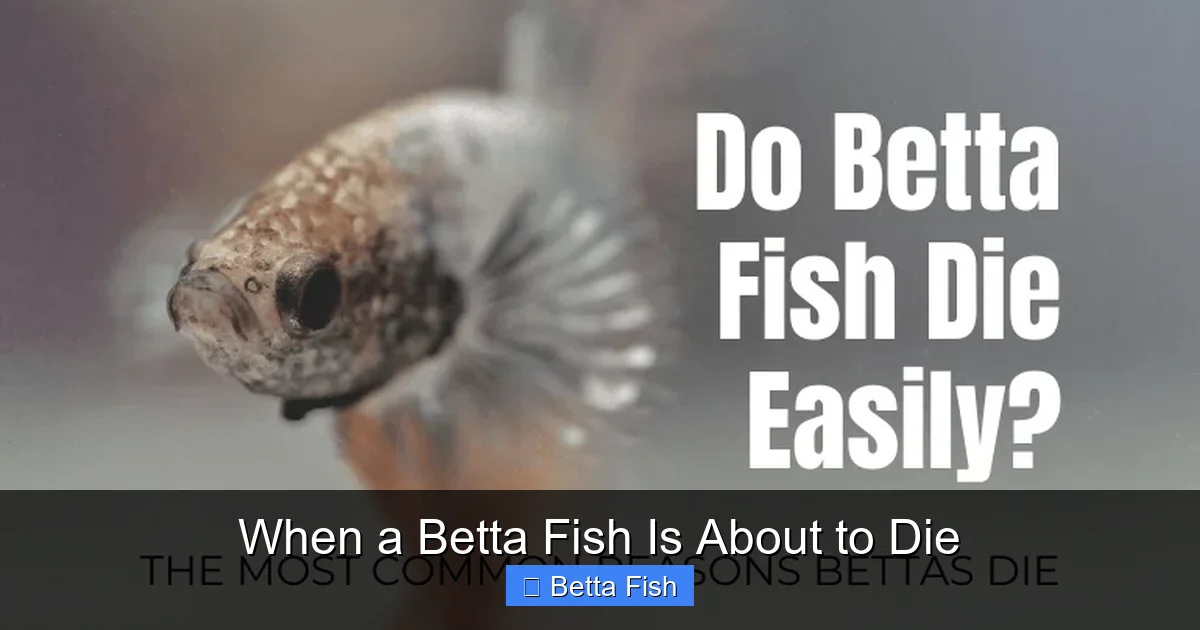
When a Betta Fish Is About to Die
Seeing your betta fish decline is incredibly difficult. Key warning signs include extreme lethargy, loss of appetite, faded colors, and labored breathing. While some causes are reversible with urgent care, others indicate a fish is nearing the end. Understanding these signs helps you provide comfort or make timely decisions.
Hey there, fellow fish friend. Let’s have a real talk. There’s no sugarcoating it—watching a betta fish, with its vibrant personality and stunning colors, fade away is one of the hardest parts of being a pet owner. It’s a moment filled with worry, sadness, and often a lot of confusion. “Is this it?” you wonder, staring at your usually active friend who now seems so still. The truth is, knowing the specific signs that a betta fish is about to die isn’t about causing panic; it’s about empowerment. It gives you the knowledge to act with purpose, whether that means launching a rescue mission or providing a serene, dignified end. This guide is here to walk you through every visible clue, every behavioral shift, and every actionable step. We’ll separate the urgent from the hopeless, because sometimes, the most loving thing you can do is understand what’s truly happening.
First, a vital note: a betta fish is about to die when its body systems are shutting down due to an irreversible cause. However, many symptoms that look “terminal” are actually cries for help from a fish suffering from a treatable condition. The line between “very sick” and “dying” can be thin, and your observation skills are the bridge. Our goal here is to help you cross that bridge with clarity. For foundational knowledge on creating a thriving environment, you can always reference our comprehensive care guides and mission, which stress that prevention is the strongest tool in your arsenal.
Key Takeaways
- Severe Lethargy is a Major Red Flag: A betta that can’t swim normally, floats lifelessly, or hides constantly is in serious distress.
- Loss of Appetite is More Than Picky Eating: Refusing all food for several days, especially when other symptoms are present, signals a critical decline.
- Physical Deterioration is Visible: Look for significant fading, clamped fins, torn or rotting fin edges, and a sunken belly.
- Breathing Difficulties Mean Emergency: Rapid gill movement, gasping at the surface, or imbalance often point to fatal water quality or disease issues.
- Not All Decline is Immediately Fatal: Some symptoms, like mild fin rot or constipation, are treatable if caught early and addressed properly.
- Your Quick Action is Crucial: Isolating the fish, testing water, and consulting an aquatic vet can sometimes reverse a downward spiral.
- Compassionate End-of-Life Care Matters: If recovery is unlikely, focus on reducing stress and providing a peaceful, clean environment.
📑 Table of Contents
- Decoding the Distress: Recognizing the Physical Signs of Imminent Decline
- The Behavioral Collapse: How Your Betta’s Actions Change
- Why Is This Happening? Common Causes Behind the Decline
- What To Do NOW: The Immediate Action Plan
- The Hardest Conversation: Knowing When to Say Goodbye
- Prevention: The Only Guarantee
- Conclusion: From Knowledge to Peace of Mind
Decoding the Distress: Recognizing the Physical Signs of Imminent Decline
Betta fish are masters of masking illness—it’s a survival instinct from the wild. By the time you see clear physical changes, the internal struggle has often been underway for a while. Paying close attention to your fish’s body is your first and most important diagnostic tool. These aren’t just minor quirks; they are urgent signals.
The Tell-Tale Signs of Failing Health
Let’s break down the physical indicators that demand your immediate attention.
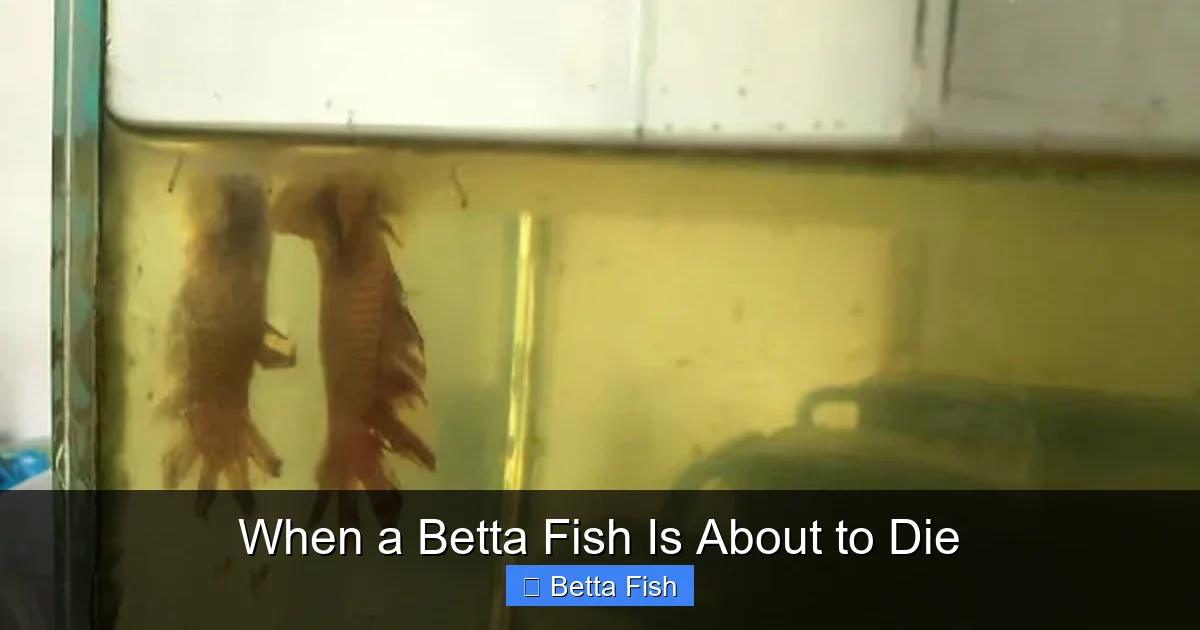
- Extreme Lethargy and Loss of Buoyancy: This is the big one. A healthy betta is curious, exploring its territory, and has precise control over its swim bladder. A betta that is about to die will often lose this control. You might see it sinking to the bottom and struggling to rise, floating upside down or on its side, or simply resting on the substrate for hours on end, unresponsive to your presence or food. This isn’t just resting; it’s a profound lack of energy and neurological function.
- Significant Color Fading and Clamped Fins: Betta fish are famous for their jewel-like colors. When a betta is under severe stress or near death, these colors can drain dramatically, leaving the fish looking pale, grayish, or washed out. Concurrently, its fins, which should be gracefully spread, will become “clamped”—held tightly against the body like a closed book. This is a classic sign of extreme stress, pain, or systemic failure.
- Visible Deterioration of Fins and Body: Look closely. Are the fin edges torn, shredded, or developing a white, black, or fuzzy edge? This could be advanced fin rot, a bacterial or fungal infection that has overwhelmed the fish’s immune system. Similarly, watch for sores, red streaks (possible hemorrhaging), or a noticeably emaciated, sunken belly. A swollen, pinecone-like appearance is a devastating sign of dropsy, a condition with a very poor prognosis.
- Labored Breathing and Gasping: Betta fish breathe with a labyrinth organ, but they still rely heavily on oxygen from the water. If you see your betta’s gills flaring rapidly and repeatedly, or if it is constantly swimming to the surface to gasp for air, this indicates a critical lack of dissolved oxygen. This is almost always due to catastrophic water quality issues, high ammonia/nitrite poisoning, or a severe gill disease. This is an emergency situation where the fish is literally suffocating.
- Profound Loss of Appetite: Bettas can be picky, but they are opportunistic feeders. A complete and persistent refusal of food for 3-5 days, especially when paired with any of the above symptoms, is a grave sign. The body is shutting down and no longer has the energy or desire to process food.
Remember, one of these signs alone might not mean “imminent death,” but a combination, especially lethargy paired with clamped fins and loss of appetite, paints a very clear picture of a fish in its final decline.
The Behavioral Collapse: How Your Betta’s Actions Change
Behavior is the canary in the coal mine. Before the body fails, the spirit often dims. A betta that is about to die will exhibit behaviors that are fundamentally opposite to its nature.
Visual guide about When a Betta Fish Is About to Die
Image source: buildyouraquarium.com
From King to Hermit: The Withdrawal
The flaring, patrolling, and curious betta you know vanishes. Instead, you’ll find your fish hiding consistently in the back of the tank, behind plants or décor, or simply resting on the bottom in a secluded corner. This isn’t shyness; it’s a desperate attempt to conserve energy and avoid perceived threats because it feels too weak to defend itself. The vibrant personality that once followed you at the glass is gone, replaced by a silent, motionless presence.
The Erratic and the Still: Motor Function Fails
As nervous system function declines, coordination fails. You might see your betta swimming in frantic, unproductive circles, bumping into the glass or décor, or suddenly darting to the surface and sinking. This is often a sign of severe swim bladder disorder, which can be caused by overfeeding, constipation, or internal infection. In the final stages, this gives way to complete stillness. The fish may hover motionless, sometimes upside down, using the last of its energy just to maintain basic orientation.
The Social Withdrawal (Even from Tank Mates)
Bettas are solitary and often aggressive, but a dying betta will lose even this territorial drive. It will not flare at its reflection or at other fish. It becomes completely non-reactive. This profound apathy is a stark contrast to its usual feisty self and is a deeply concerning indicator that the fish’s systems are failing.
Why Is This Happening? Common Causes Behind the Decline
Understanding the “why” is critical for future prevention and sometimes, for identifying a last-ditch treatment. A betta is about to die because a primary support system has failed beyond repair. Here are the most common culprits.

Visual guide about When a Betta Fish Is About to Die
Image source: fishkeepingguide.net
Water Quality: The Silent Killer
This is the #1 cause of betta death and the most common reason a seemingly healthy fish suddenly crashes. Bettas are often sold in tiny, dirty cups, making new owners think they are hardy. They are not. Ammonia and nitrite are toxic to their gills and organs, causing burns, organ failure, and suffocation. Chronic high nitrates weaken the immune system. A spike in these parameters—often from overfeeding, decaying food, or an uncycled tank—can kill a betta in hours. If you see gasping, lethargy, and clamped fins together, test your water immediately. This is a medical emergency for the fish.
Advanced Disease and Infection
Bettas are susceptible to specific ailments. Fin rot, if left untreated, can consume the entire fin and lead to systemic infection. Columnaris (cotton wool disease) is a fast-acting bacterial infection that causes gray/white patches and rapid deterioration. Dropsy (symptom of internal organ failure, often bacterial) causes severe swelling and a pineconing scale texture; it is almost always fatal. Swim Bladder Disorder can be from constipation or infection, but if the fish is also fading and lethargic, the underlying cause is likely severe. Once these infections reach an advanced stage, treatment success rates plummet.
Severe Stress and Trauma
Bettas stress easily. A sudden, drastic temperature change (thermal shock), being attacked by an aggressive tank mate, a terrifying loud noise, or even improper handling can cause such acute stress that the fish’s body shuts down. This is often seen as a sudden, complete collapse with no prior gradual symptoms. Chronic stress from a too-small tank, constant harassment, or poor water also suppresses the immune system, paving the way for fatal disease.
Old Age and Organ Failure
Betta fish typically live 2-5 years. As they age, their organs simply wear out. You might see a gradual slowing down, reduced appetite, and fading over weeks or months. This is a natural, peaceful decline. There is no specific disease; it’s just the end of their lifespan. This is different from a sudden crash due to water quality.
What To Do NOW: The Immediate Action Plan
If you see the signs, don’t just wait. You have a small window where intervention might save a life, or at least provide immense comfort. Think of this as fish first aid.
Visual guide about When a Betta Fish Is About to Die
Image source: bettafishnest.com
Step 1: Isolate and Assess
Gently net the betta and place it in a clean, bare “hospital tank.” This should be a small, separate aquarium (even a 1-gallon clean container) with dechlorinated water at the correct temperature (78-80°F). No gravel, no decorations that can harbor bacteria. This removes any immediate stressors from the main tank (bad water, aggressive fish) and lets you monitor it closely. Immediately test the water in both the main and hospital tank. Ammonia or nitrite above 0 ppm is a critical emergency.
Step 2: The Water Change & Parameter Fix
If the hospital tank water is pristine (0 ammonia/nitrite, low nitrate) and the main tank’s water is toxic, the issue is likely water quality. Perform a 50% water change in the hospital tank with properly conditioned water. If the main tank is the source, you must perform aggressive water changes there to protect any other fish. The goal is to dilute toxins instantly. Ensure you are using a water conditioner that neutralizes ammonia, nitrite, and heavy metals.
Step 3: Fast and Observe
Stop feeding for 24-48 hours. A stressed or constipated digestive system needs a break. After the fast, offer a tiny amount of a high-quality, easily digestible food like daphnia or a soaked betta pellet. Observe: does it show any interest? Can it swim to it? This is a key indicator of remaining will to live.
Step 4: Consider Treatment (With Caution)
If you suspect a specific disease based on visible symptoms (e.g., fuzzy growth for fungus, ragged fins for fin rot), you can use a targeted medication in the hospital tank. Never medicate in the main tank and never use multiple medications at once. Salt soaks (1 tsp per gallon of aquarium salt) can help with some external issues but are not a cure-all. Your best resource is an aquatic veterinarian. If your betta’s condition is severe and you have the means, seeking professional diagnosis is the most responsible step. You can learn more about finding specialized care through dedicated resources, which is a mission we deeply support at bettafishinfo.com.
The Hardest Conversation: Knowing When to Say Goodbye
Sometimes, despite our best efforts, a betta is simply too far gone. This is not a failure of your love or care. It’s an acknowledgment of the fish’s suffering. How do you know when the kindest act is to let go?
The Point of No Return: Recognizing Futile Suffering
If your betta is exhibiting the following, recovery is statistically near-impossible, and continuing aggressive treatment may only prolong distress:
- Complete inability to swim or maintain any buoyancy (constantly sinking/floating upside down).
- No reaction to gentle prodding or food for over 24 hours in clean, warm water.
- Advanced dropsy (severe, whole-body swelling).
- Advanced internal infections with no appetite for days.
- Rapid, open-mouth gill movement while gasping, even in pristine, oxygen-rich water.
In these cases, the fish’s body is in multi-organ failure. Keeping it alive in that state is not humane.
Compassionate Euthanasia: A Final Act of Love
This is a difficult topic, but it’s part of responsible pet ownership. The goal is a quick, painless, and stress-free passing. The most widely accepted and humane method for small fish is the clove oil overdose. It works as an anesthetic that, in high concentration, stops the heart. It must be done correctly and with care to avoid distress. Another method is the rapid chill (for tropical fish only), which involves placing the fish in a small container of tank water that is then placed in a freezer. This should only be used if clove oil is unavailable and must be done swiftly to avoid prolonged chilling stress. Never use alcohol, physical trauma, or flushing. Always research the method thoroughly or consult a vet to ensure it is done correctly and with the least possible fear for the fish.
Prevention: The Only Guarantee
The absolute best way to avoid facing “when a betta fish is about to die” is to build a life where that moment is as far in the future as possible. Prevention is not glamorous, but it is everything.
The Foundational Trinity: Tank, Water, Diet
Get these three pillars right, and you eliminate 90% of the causes of premature death.
- Tank Size & Setup: A 5-gallon tank is the absolute minimum for a single betta. It provides stable water parameters and space. You must have a gentle filter and a heater. Bettas are tropical fish. Live or silk plants provide hiding spots and reduce stress. Avoid rough decorations that can tear fins.
- The Nitrogen Cycle: This is non-negotiable. A tank must be fully cycled before adding a fish. This establishes beneficial bacteria that process toxic fish waste. An uncycled tank is a death sentence. Learn how to cycle a tank properly—this is the single most important piece of knowledge for any fish keeper.
- Water Maintenance: Test water weekly with a liquid test kit. Perform 25-50% water changes weekly, using a dechlorinator. Never overfeed—a betta’s stomach is the size of its eye. Uneaten food decays and pollutes the water.
Vigilance and Routine
Make observing your betta a daily habit. Spend a minute each day watching it eat, swim, and interact. You will learn its “normal” and will spot an anomaly within hours. This daily vigilance is your earliest warning system. Combine this with a strict maintenance schedule, and you create an environment where your betta can truly thrive for years, not just survive.
Conclusion: From Knowledge to Peace of Mind
Facing the possibility that your betta fish is about to die is a heavy emotional burden. But knowledge transforms that burden into a pathway for action and compassion. You now know the physical red flags—the lethargy, the clamped fins, the gasping. You understand the behavioral collapse, from the fiery flare to the silent hide. You know the common killers: toxic water, relentless disease, and unmanageable stress. Most importantly, you have an action plan: isolate, test, change water, and assess. You understand the profound difficulty of knowing when to fight and when to provide a peaceful end. And you hold the keys to prevention: a cycled, filtered, heated tank with clean water and proper feeding.
Your role as a betta owner is to be a vigilant guardian and a compassionate caretaker. Sometimes, that means fighting a desperate battle. Sometimes, it means providing a serene, quiet space for the final chapter. And most often, it means creating such a stable, loving home that the question of “when” is pushed far, far into the future. For every step of this journey—from setting up that first perfect tank to navigating the toughest end-of-life decisions—reliable information is your anchor. That’s why we’ve dedicated ourselves to providing clear, science-based guidance at bettafishinfo.com, because every betta deserves a chance at a full, vibrant life, and every owner deserves to feel equipped to give them that chance.
Frequently Asked Questions
How long can a betta fish live once it starts showing severe signs of decline?
This varies wildly based on the cause. A betta with severe water poisoning may die within hours. One with a slow-progressing internal issue or old age might linger for days or even a week or two in a state of decline. The key is the rate of deterioration; rapid decline is often fatal within 24-48 hours.
Can a betta fish be saved if it’s floating upside down?
Sometimes, yes. Upside-down swimming is a classic sign of swim bladder disorder. If it’s caused by constipation, fasting for a few days and then feeding daphnia can help. If it’s due to infection or permanent organ damage, the prognosis is poor. Immediate isolation, warm clean water, and fasting are the first steps to see if there’s any improvement.
Is it cruel to let a dying betta fish suffer?
Yes, knowingly allowing a fish to suffer with no hope of recovery is considered cruel. If a betta is in constant distress, unable to eat or swim properly, and shows no improvement after addressing immediate issues like water quality, humane euthanasia is the kinder choice. The goal is to prevent prolonged suffering.
What’s the most common mistake owners make when a betta is dying?
The most common mistake is not testing the water immediately. Owners often assume the problem is a disease and start medicating, when the real culprit is toxic ammonia or nitrite from poor water quality. The second mistake is overfeeding a sick fish, which only worsens water quality and digestive issues.
Should I remove a dying betta from its tank?
Yes, you should isolate it in a clean hospital tank. This removes any stress from other fish, allows you to control the pristine water environment perfectly, and prevents the spread of any contagious disease to other tank inhabitants. It also lets you monitor it closely without disturbance.
Do betta fish suffer when they die?
Fish do not process pain and emotion like mammals, but they have nociceptors and respond to noxious stimuli. A slow, stressful death from water poisoning or advanced disease involves suffering. A rapid, humane euthanasia or a peaceful passing in clean, warm water after a life well-lived involves minimal distress. Our responsibility is to minimize suffering, which is why clean water and timely decisions are so critical.