How to Tell If Betta Fish Is Angry
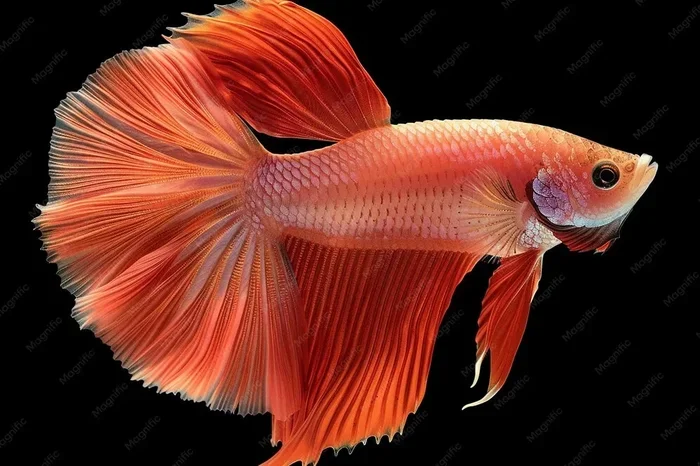
Knowing how to tell if betta fish is angry helps you keep your pet healthy and happy. Betta fish show anger through flaring gills, darkened colors, and aggressive chasing. Understanding these signs lets you fix the problem before stress harms your fish.
Betta fish are beautiful, lively creatures that bring joy to any home. But sometimes they seem mad. Their fins flare, their colors darken, and they chase everything in sight. If you have ever wondered how to tell if betta fish is angry, you are not alone. Many betta owners face this confusing behavior and worry about their fishy friend.
Understanding your betta’s mood is a key part of responsible fish care. Angry behavior in bettas is actually quite common. It usually stems from territory, stress, or environmental issues. The good news is that once you learn the signs, you can take action quickly. This guide walks you through every angry behavior, what causes it, and how to help your betta chill out.
Happy betta behavior looks very different from angry behavior. Learning both sides helps you read your fish better. Let us dive into the world of betta emotions and body language.
Key Takeaways
- Flaring gills and fins is the most obvious sign your betta is angry.
- Darkened body color often signals aggression or stress in bettas.
- Territorial behavior like chasing tank mates shows clear anger.
- Bubble nest destruction can indicate your betta is upset or agitated.
- Quick tank adjustments like reducing reflections can calm an angry betta fast.
- Knowing the difference between anger and illness prevents wrong treatments.
- Regular water changes and proper tank setup reduce anger triggers significantly.
📑 Table of Contents
Understanding Betta Fish Emotions and Behavior
Betta fish may not feel emotions exactly like humans do. But they absolutely display mood-related behaviors. Their actions tell you a lot about how they feel inside. Think of it like reading a dog’s body language. A wagging tail means happiness. A growling dog means warning. Bettas have their own version of this communication system.
Bettas are territorial by nature. In the wild, they claim small patches of water and defend them fiercely. This instinct carries over into home aquariums. Even a mirror reflection can trigger a territorial response. Your betta does not know it is just its own reflection. It sees a rival and goes on the attack.
Stress plays a huge role in betta mood. Poor water quality, wrong temperatures, and crowded tanks all contribute. When a betta feels unsafe, it becomes defensive. That defensiveness often looks like anger. So sometimes what seems like rage is really just fear or discomfort.
Why Reading Betta Body Language Matters
Your betta cannot talk to you. It uses body language instead. Fins, colors, and swimming patterns all send messages. Learning to read these signals makes you a better fish parent. You will spot problems early and keep your betta healthy. It also strengthens the bond between you and your fish.
Common Signs Your Betta Fish Is Angry
If you want to know how to tell if betta fish is angry, watch for these clear signs. Each behavior tells a different story. Some signs are subtle. Others are impossible to miss. Let us break them down one by one.
Flaring Gills and Fins
This is the number one sign of an angry betta. Your fish will spread its gills wide and extend its fins fully. It makes the betta look much bigger than it really is. In the wild, this scares off rivals and predators. At home, it usually means your betta feels threatened.
Flaring happens for a few reasons. A mirror nearby causes it. Another fish in the tank can cause it. Even a bright light shining at the wrong angle might trigger it. Occasional flaring is normal. But constant flaring means something in the environment needs to change.
Darkened or Muted Body Color
A happy betta shows bright, vibrant colors. An angry or stressed betta often turns dark. The body may look almost black or deep red. This color change is a stress response. It happens when the fish feels the need to look tough or hide its true appearance.
Some bettas also develop vertical stripes when stressed. These dark bars run along the body. They are sometimes called “stress stripes.” If you see these along with other angry signs, your betta is definitely not feeling calm.
Aggressive Chasing and Fin Nipping
An angry betta will chase anything that moves. It might dart after tank mates, its own reflection, or even your hand near the glass. Some bettas nip at fins of other fish. This aggressive behavior comes from a strong territorial drive.
Chasing is different from playful swimming. Watch the intensity. Angry chasing is fast and relentless. Playful swimming is slow and curious. If your betta bites at another fish’s fins, that is a red flag. You may need to separate them immediately.
Refusing to Eat
Loss of appetite is a strong sign of anger or stress in bettas. A healthy betta loves its food. If your fish suddenly ignores pellets or live food, something is wrong. Anger can suppress the appetite completely. The fish is too focused on defending its territory to eat.
However, refusal to eat can also signal illness. That is why it is important to check for other signs too. If your betta stops eating AND shows darkened colors, it is likely anger or stress. If it stops eating AND looks bloated, illness might be the cause.
Destroying Bubble Nests
Male bettas build bubble nests as part of their natural behavior. A happy, calm male will carefully build and maintain one. An angry or stressed betta might tear its bubble nest apart. This destructive behavior shows deep agitation.
Do not panic if you see a destroyed nest. It does not always mean something is seriously wrong. But if it keeps happening, check the tank conditions. Something is making your betta feel unsafe or irritated.
What Triggers Anger in Betta Fish
Understanding the causes of anger helps you prevent it. Bettas do not get mad for no reason. Something in their environment or routine triggers the behavior. Let us look at the most common triggers.
Reflections in the Tank
This is one of the biggest anger triggers for bettas. A glass tank reflects light and images. Your betta sees what it thinks is another fish. It flares, chases, and fights the reflection all day long. This constant battle exhausts your fish and raises its stress levels.
You can fix this easily. Cover the sides of the tank with paper or dark vinyl. Reduce the lighting so reflections are less visible. Move the tank away from windows that create glare. These simple changes make a huge difference.
Overcrowded or Wrong Tank Mates
Bettas need space to feel secure. A tank that is too small causes constant tension. Even in a large tank, the wrong tank mates can trigger anger. Fish with bright colors or long fins often provoke bettas. They look too much like rival bettas.
Good tank mates for bettas include snails, shrimp, and peaceful bottom dwellers. Avoid fish that nip fins or are too flashy. Always research compatibility before adding new fish to the tank.
Poor Water Quality
Dirty water makes bettas irritable and sick. High ammonia levels, low pH, and wrong temperatures all cause stress. A stressed betta becomes an angry betta fast. Regular water changes keep the environment stable and comfortable.
Test your water weekly. Keep the temperature between 76 and 82 degrees Fahrenheit. Use a water conditioner to remove chlorine and toxins. Clean water is the foundation of a calm, happy betta.
Lack of Enrichment and Hiding Spots
Bettas need places to hide and explore. A bare tank with nothing to do gets boring. Boredom leads to frustration, which looks like anger. Plants, caves, and decorations give your betta things to interact with. They also provide safe spaces where your fish can retreat.
How to Tell the Difference Between Anger and Illness
This is one of the trickiest parts of betta care. Many illness symptoms look like anger signs. A sick betta might darken in color, refuse food, or stay in one corner. An angry betta shows similar behaviors. Telling them apart is crucial for proper treatment.
Here is a simple way to think about it. Anger usually comes on suddenly. Something changed in the environment, and your betta reacts. Illness develops more slowly over days or weeks. If your betta seems angry for no clear reason, it might actually be sick.
Check for physical signs too. Clamped fins, white spots, swollen belly, and red streaks are illness clues. If you see these along with angry behavior, consider checking for sickness first. Treating anger when the real problem is illness will not help your fish.
Quick Comparison: Anger vs Illness
Use this guide to quickly figure out what is going on with your betta.
- Anger signs: Flaring at reflections, chasing tank mates, sudden color darkening after a change, destroying bubble nests.
- Illness signs: Gradual color loss, white spots on body, clamped fins for days, lethargy, bloating, loss of balance.
- Overlap signs: Refusing food, staying in corners, darkened color. Check for other clues to tell them apart.
If you are ever unsure, it is safe to check water parameters first. Bad water causes both stress and illness. Fixing the water often solves both problems at once.
How to Calm an Angry Betta Fish
Once you know your betta is angry, you want to help it relax. The approach depends on what is causing the anger. Here are proven methods to calm your fish down and restore peace.
Remove or Reduce Triggers
If reflections are the problem, block them. If a tank mate is causing stress, separate the fish. If the water is dirty, do a partial water change. Removing the trigger is the fastest way to reduce anger. Your betta will calm down once it feels safe again.
Add Plants and Hiding Spots
Live or silk plants give your betta places to hide. Caves and driftwood create natural boundaries. These additions break up the tank space and make your betta feel more secure. A fish that feels safe is a fish that is less likely to act out.
Maintain a Consistent Routine
Bettas thrive on routine. Feed at the same times each day. Do water changes on a regular schedule. Keep the light cycle consistent. Predictability reduces stress. A stress-free betta is a much happier, calmer fish.
For more tips on managing stress, check out this guide on treating a stressed betta fish. The same calming techniques work for anger too.
Give Your Betta Space
Sometimes the best thing you can do is leave your betta alone. Avoid tapping on the glass or sticking your hand in too often. Give it time to adjust to changes. Most anger episodes pass within a few hours once the trigger is removed.
Preventing Anger Before It Starts
The best way to deal with an angry betta is to prevent anger in the first place. A well-set-up tank with good care goes a long way. Here are the top prevention strategies every betta owner should follow.
- Choose the right tank size. At least 5 gallons for a single betta. Larger is always better.
- Keep water clean. Test weekly and do partial changes every one to two weeks.
- Remove mirrors and reflective surfaces. Your betta does not need to see itself.
- Choose compatible tank mates carefully. When in doubt, keep your betta solo.
- Add enrichment. Plants, caves, and gentle water flow keep your betta stimulated.
- Feed a balanced diet. High-quality pellets, occasional treats, and consistent feeding times.
- Maintain stable temperature. Use a heater and thermometer to keep conditions steady.
Following these steps creates an environment where your betta feels safe and content. A happy betta rarely shows anger. Prevention is always easier than treatment.
When to Be Concerned About Your Betta’s Behavior
Most anger episodes are normal and short-lived. Your betta flares at a reflection, calms down, and moves on. But sometimes angry behavior signals a deeper problem. Knowing when to worry helps you protect your fish’s health.
Watch for anger that lasts more than a day or two without an obvious trigger. If your betta stays dark in color, refuses food, and stays hidden for an extended period, something is wrong. Chronic anger can weaken the immune system and lead to illness.
Also pay attention if the anger is directed at you or happens randomly. A betta that bites at your hand every time you approach the tank is not just being territorial. It may be in constant pain or discomfort. In these cases, check water quality first, then look for signs of disease.
Trust your instincts. You know your betta better than anyone. If something feels off, it probably is. Early intervention saves lives and keeps your fish thriving for years.
Conclusion
Learning how to tell if betta fish is angry is an essential skill for every betta owner. Flaring gills, darkened colors, aggressive chasing, and appetite loss all point to anger or stress. Once you recognize these signs, you can take action fast. Remove triggers, improve water quality, and add enrichment to your tank.
Remember that most anger in bettas comes from the environment. Fix the tank, and you fix the behavior. A well-cared-for betta is a calm, colorful, and joyful companion. Your fish depends on you to read its body language and respond with care.
Start today by checking your tank setup and water parameters. Small changes lead to big improvements in your betta’s mood and health. Your angry betta will thank you with bright colors and peaceful swimming.
Frequently Asked Questions
How do I know if my betta fish is angry or just playing?
Angry behavior is intense and aggressive. Flaring is forceful, chasing is relentless, and the fish looks tense. Playful behavior is relaxed and slow. A playing betta swims casually and explores without flaring or chasing. Watch the energy level to tell the difference.
Can a betta fish stay angry all the time?
No, bettas do not stay angry permanently. Anger episodes usually last from a few minutes to a few hours. If your betta stays agitated all day, something in the tank is wrong. Check water quality, remove triggers, and look for signs of illness.
Will my betta fish calm down after a water change?
Yes, often a water change helps calm an angry betta. Fresh water removes irritants like ammonia and chlorine. Many bettas become more relaxed after a clean water change. Just make sure the new water is the right temperature and treated with conditioner.
Is it normal for a betta to flare at its own reflection?
Yes, it is very normal. Bettas see their reflection as a rival fish. They flare, chase, and even fight the image. This behavior is instinctive and common. However, constant flaring at reflections causes stress. Block the reflection to keep your betta calm.
What should I do if my betta fish is angry at its tank mates?
Separate the aggressive fish immediately if chasing or fin nipping occurs. Not all fish get along with bettas. Remove the problematic tank mate and observe your betta’s behavior. If the anger stops, the tank mate was the trigger. Choose more peaceful companions next time.
Can poor water quality make a betta fish angry?
Absolutely. Dirty water is one of the top causes of stress and anger in bettas. High ammonia and nitrate levels irritate your fish and make it defensive. Test your water regularly and do partial changes weekly. Clean water keeps your betta happy and relaxed.