Is Zephyrhills Water Safe for Betta Fish
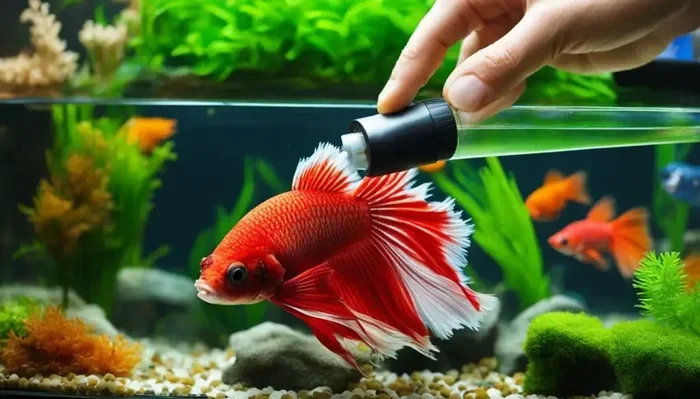
Zephyrhills water can be safe for betta fish, but it requires some preparation. This spring water contains natural minerals that may benefit your fish, yet the pH and hardness levels need checking. Always test and condition Zephyrhills water before adding it to your betta tank to ensure a safe and thriving environment.
Zephyrhills water is a popular spring water brand found in many grocery stores across the United States. If you own a betta fish, you might wonder whether this convenient bottled water is a good choice for your finned friend. The short answer is that Zephyrhills water can be safe for betta fish, but only with the right preparation and testing.
Many betta fish owners reach for bottled spring water when they need to refill their tanks. It seems simpler than dealing with tap water and water conditioner. But not all spring waters are created equal. The mineral content, pH level, and overall quality of Zephyrhills water can vary, which directly impacts your betta’s health. This guide will walk you through everything you need to know about using Zephyrhills water for your betta fish.
We will cover what makes this water different, what to watch out for, and how to prepare it safely. By the end, you will have a clear answer on whether Zephyrhills water belongs in your betta tank.
Key Takeaways
- Zephyrhills water is spring water: It contains natural minerals that can be beneficial but may also need adjustment for betta fish.
- pH levels matter: Betta fish thrive in specific pH ranges, and Zephyrhills water may fall outside the ideal zone without treatment.
- Testing is essential: Always test your water parameters before introducing Zephyrhills water into your betta tank.
- Water conditioner helps: Using a quality conditioner removes chlorine and neutralizes harmful chemicals.
- Alternatives exist: If Zephyrhills water doesn’t suit your betta, several other water options are available and safe.
📑 Table of Contents
- What Is Zephyrhills Water?
- Is Zephyrhills Water Safe for Betta Fish?
- How to Prepare Zephyrhills Water for Your Betta Fish
- Comparing Zephyrhills Water to Other Water Sources
- Common Mistakes When Using Zephyrhills Water for Betta Fish
- Expert Tips for Using Zephyrhills Water with Betta Fish
- When to Avoid Zephyrhills Water for Betta Fish
- Conclusion
What Is Zephyrhills Water?
Zephyrhills is a brand of natural spring water sourced from Florida’s springs. It is known for its clean taste and natural mineral content. The water comes from underground springs and is bottled without heavy processing. This means it retains the natural minerals that it picks up from the earth.
For humans, this mineral profile is often seen as a positive. But for betta fish, the story is a bit more complicated. The natural minerals in spring water include calcium, magnesium, and trace elements. These can affect the water hardness and pH level of your aquarium.
Mineral Content in Zephyrhills Water
Zephyrhills spring water contains a moderate level of dissolved minerals. Here is a general breakdown of what you might find:
- Calcium: Supports biological functions but can raise water hardness.
- Magnesium: Present in small amounts and generally not harmful.
- Sodium: Very low levels, which is good for betta fish.
- pH Level: Typically ranges between 6.5 and 8.5 depending on the source and batch.
The exact mineral profile can vary from one production batch to another. This inconsistency is one reason why testing your water is so important before using it for your betta fish.
Is Zephyrhills Water Safe for Betta Fish?
The safety of Zephyrhills water for betta fish depends on several factors. Betta fish are sensitive creatures. They thrive best in stable water conditions with specific parameters. Let us break down what you need to know.
pH Levels and Betta Fish
Betta fish prefer a pH range of 6.5 to 7.5. This is slightly acidic to neutral. Zephyrhills spring water can sometimes fall within this range, but it is not guaranteed. The natural spring source means the pH can shift based on seasonal changes and geological factors.
If the pH of your Zephyrhills water is too high or too low, it can stress your betta. Stressed fish are more susceptible to disease and may show signs of lethargy, loss of appetite, or faded colors. Always test the pH before adding Zephyrhills water to your tank.
Water Hardness (GH and KH)
Water hardness refers to the amount of dissolved minerals, primarily calcium and magnesium. Betta fish prefer soft to moderately hard water. Zephyrhills spring water tends to be on the harder side due to its mineral content.
High water hardness is not immediately dangerous, but over time it can cause problems. It can lead to mineral buildup in your tank and affect the overall stability of your aquarium environment. If you notice white deposits on your tank glass or equipment, that is a sign of hard water.
Chlorine and Chloramine
One of the biggest advantages of Zephyrhills water is that it does not contain chlorine or chloramine. Municipal tap water is treated with these chemicals to make it safe for human consumption. But they are harmful to fish. Spring water brands like Zephyrhills typically do not add these chemicals.
However, this does not mean the water is completely free of contaminants. Environmental factors, storage conditions, and the bottling process can all introduce trace elements. For this reason, it is still a good idea to use a water conditioner even with bottled spring water.
How to Prepare Zephyrhills Water for Your Betta Fish
If you decide to use Zephyrhills water for your betta fish, preparation is key. You cannot simply pour it straight into your tank. Here is a step-by-step guide to making it safe.
Step 1: Test the Water Parameters
Before using Zephyrhills water, test it with a reliable aquarium test kit. Check the following parameters:
- pH level: Should be between 6.5 and 7.5.
- General hardness (GH): Should be between 3 and 8 dGH.
- Carbonate hardness (KH): Should be between 3 and 8 dKH.
- Ammonia, nitrite, and nitrate: Should all be at zero or very low levels.
If any of these parameters are out of range, you will need to adjust the water before adding it to your tank.
Step 2: Condition the Water
Even though Zephyrhills water is free of chlorine and chloramine, using a water conditioner adds an extra layer of safety. A good conditioner also neutralizes heavy metals and other trace contaminants that may be present.
Add the conditioner according to the manufacturer’s instructions. Let the water sit for a few minutes after conditioning to allow it to fully mix and activate.
Step 3: Match the Temperature
Betta fish are tropical fish. They need warm water to stay healthy. The ideal temperature range is 76 to 82 degrees Fahrenheit (24 to 28 degrees Celsius). Zephyrhills water often comes out of the bottle at room temperature, which may be too cool for your betta.
Use a submersible heater to warm the water to the correct temperature before adding it to your tank. Avoid sudden temperature changes, as these can shock your fish.
Step 4: Acclimate Your Betta
When adding the prepared Zephyrhills water to your tank, do it gradually. If you are performing a water change, replace only about 25% of the water at a time. This helps your betta adjust to any slight differences in water chemistry.
For new tank setups, let the water cycle for 24 to 48 hours before introducing your betta. This allows any remaining impurities to dissipate and the water to stabilize.
Comparing Zephyrhills Water to Other Water Sources
Zephyrhills water is just one option among many for betta fish owners. Let us compare it to some other common water sources to give you a clearer picture.
| Water Source | Pros | Cons |
|---|---|---|
| Zephyrhills Spring Water | No chlorine, natural minerals, readily available | Variable pH, can be hard, inconsistent batches |
| Tap Water | Free, easy to access, consistent supply | Contains chlorine and chloramine, requires conditioning |
| Distilled Water | Pure, no contaminants, consistent quality | Lacks minerals, needs remineralization |
| RO Water | Very pure, customizable mineral content | Requires a system, lacks natural minerals |
As you can see, Zephyrhills water has some advantages over tap water because it does not contain chlorine. However, it also has drawbacks compared to distilled or RO water, which offer more consistency. If you want a deeper dive into spring water options, check out our guide on can you use spring water for betta fish.
For those considering other bottled water brands, you might also find our article on can I use bottled water for my betta fish tank helpful in comparing options.
Common Mistakes When Using Zephyrhills Water for Betta Fish
Even with good intentions, betta fish owners can make mistakes when using bottled spring water. Here are some common pitfalls to avoid.
Skipping Water Tests
The biggest mistake is assuming that because Zephyrhills water is “natural,” it is automatically safe. Natural does not mean consistent. Every batch can have different mineral levels and pH readings. Always test before use.
Not Conditioning the Water
Some owners skip the water conditioner step because spring water lacks chlorine. But trace metals and other contaminants can still be present. A quality conditioner provides peace of mind and extra protection for your fish.
Ignoring Temperature
Pouring cold Zephyrhills water directly into a warm betta tank can cause temperature shock. Always check the temperature and adjust it to match your tank before adding the water.
Using Zephyrhills Water as the Only Water Source
Relying solely on Zephyrhills water for all your water changes can be costly and impractical. Many betta owners use a mix of sources, such as tap water with conditioner for routine changes and spring water for top-offs. Find a balance that works for your budget and your fish.
Not Storing Water Properly
If you buy Zephyrhills water in bulk, store it properly. Keep bottles away from direct sunlight and in a cool, clean area. Improper storage can lead to bacterial growth or changes in water chemistry over time.
Expert Tips for Using Zephyrhills Water with Betta Fish
Here are some expert-backed tips to get the best results when using Zephyrhills water in your betta tank:
- Buy smaller bottles first: Test a small quantity before committing to large purchases. This lets you verify the water quality without wasting money.
- Keep a log: Record the pH and hardness of each batch you test. Over time, you will notice patterns and can adjust your approach accordingly.
- Mix with conditioned tap water: A blend of Zephyrhills water and conditioned tap water can give you the best of both worlds. It balances the mineral content and reduces costs.
- Use a quality test kit: Liquid test kits tend to be more accurate than test strips. Invest in a good kit for reliable readings every time.
- Monitor your betta’s behavior: After any water change, watch your betta closely. Active swimming, a healthy appetite, and vibrant colors are all good signs. Lethargy or hiding may indicate a problem with the water.
If you are curious about how Zephyrhills water compares to other spring water brands, our article on can you use bottled spring water for betta fish offers more detailed comparisons.
When to Avoid Zephyrhills Water for Betta Fish
There are certain situations where Zephyrhills water may not be the best choice for your betta fish. Being aware of these scenarios can save you time and protect your fish’s health.
If your betta fish is already showing signs of stress or illness, it is best to stick with water you know is safe and consistent. Introducing a new water source during a health crisis can complicate recovery. In these cases, conditioned tap water or RO water with remineralization may be a safer option.
Additionally, if you live in an area with very soft tap water, Zephyrhills spring water may be too hard. The extra minerals can push your water parameters outside the ideal range for bettas. Always consider your existing water conditions before making a switch.
For more information on water safety, you may also want to read about is well water okay for betta fish, which covers another common water source and its implications for fish health.
Conclusion
So, is Zephyrhills water safe for betta fish? The answer is yes, with proper preparation. Zephyrhills spring water is free of chlorine and contains natural minerals that can benefit your aquarium. However, its variable pH and mineral content mean you cannot simply pour it in without testing and conditioning first.
By following the steps outlined in this guide, you can safely use Zephyrhills water for your betta fish. Test the parameters, condition the water, match the temperature, and introduce it gradually. Pay attention to how your betta responds after each water change.
Remember, every betta fish is unique. What works perfectly for one fish may not work as well for another. The key is to stay observant, keep your water parameters stable, and always prioritize your fish’s health. With the right approach, Zephyrhills water can be a great addition to your betta fish care routine.
Take the time to test and prepare your water properly. Your betta fish will thank you with vibrant colors, energetic swimming, and a long, healthy life. Happy fish keeping!
Frequently Asked Questions
Can I use Zephyrhills water for my betta fish without conditioning it?
While Zephyrhills water does not contain chlorine, it can still have trace metals and other contaminants. Using a water conditioner adds a safety layer and neutralizes any harmful substances. Always condition the water before adding it to your betta tank.
What pH level should Zephyrhills water have for betta fish?
Betta fish thrive in water with a pH between 6.5 and 7.5. Zephyrhills spring water can vary in pH, so it is essential to test each batch before use. If the pH is too high or too low, you can adjust it with aquarium-safe pH adjusters.
Is Zephyrhills water better than tap water for betta fish?
Zephyrhills water has the advantage of being free from chlorine and chloramine, which are harmful to fish. However, tap water that is properly conditioned with a water conditioner can also be safe. The best choice depends on your specific water parameters and your betta’s needs.
How often can I use Zephyrhills water for water changes?
You can use Zephyrhills water for regular water changes, but it should be tested and conditioned each time. For routine maintenance, many owners mix Zephyrhills water with conditioned tap water to balance cost and water quality. Limit water changes to 25% at a time to avoid stressing your betta.
What happens if Zephyrhills water is too hard for my betta fish?
If the water is too hard, it can lead to mineral buildup in your tank and stress your betta. Signs of hard water issues include white deposits on surfaces and your fish showing signs of discomfort. You can dilute hard water with distilled or RO water to reduce hardness.
Can I mix Zephyrhills water with other types of water for my betta fish?
Yes, mixing Zephyrhills water with conditioned tap water or RO water is a common practice. This approach allows you to balance the mineral content and pH levels while keeping costs manageable. Just make sure all components are tested and safe before mixing them in your tank.