Can a Betta Fish Sleep

Betta fish do rest, but they don’t sleep like mammals. Understanding their sleep patterns helps you provide a calm environment, preventing stress and promoting a healthy, vibrant betta.
Key Takeaways
- Betta sleep is a series of short rests: They do not have a single long night‑time sleep like humans.
- Light cycles matter: Consistent darkness cues bettas to settle down.
- Tank setup influences rest: Plants, hiding spots, and low flow help them feel safe.
- Stress disrupts sleep: Loud vibrations, bright lights, and aggressive tank mates can keep a betta awake.
- Monitor behavior: Drooping fins, slower swimming, and hovering near the surface often signal rest.
- Sleep duration varies: On average, bettas rest 8‑12 hours a day, broken into many short periods.
- Proper care improves rest: Balanced diet, clean water, and a regular day‑night schedule support healthy sleeping habits.
📑 Table of Contents
- Introduction: Why Betta Sleep Matters
- What Does Sleep Look Like for a Betta?
- How Long Do Betta Fish Sleep?
- Creating the Perfect Sleep Environment
- Common Myths About Betta Sleep
- How to Tell If Your Betta Isn’t Getting Enough Rest
- Practical Tips to Improve Betta Rest
- Conclusion: Rest Is Essential for a Happy Betta
Introduction: Why Betta Sleep Matters
If you’ve ever watched a betta fish flare its glorious fins and wondered what goes on when the lights go out, you’re not alone. Many new owners ask, “can a betta fish sleep?” The short answer is yes, but the way bettas rest is quite different from the way we do. Understanding their sleep habits is more than a curiosity—it’s a key part of keeping them healthy, vibrant, and stress‑free.
In this article we’ll explore exactly how bettas rest, what cues they need, and practical steps you can take to give your fish the best possible “bedtime.” We’ll also clear up common myths, compare betta sleep to other fish, and answer the most frequent questions pet parents have.
What Does Sleep Look Like for a Betta?
Fish Sleep vs. Human Sleep
Fish don’t have eyelids, so you can’t see them “close their eyes.” Instead, they enter a low‑activity state where metabolism slows, muscles relax, and the brain processes the day’s information. For bettas, this means hovering near the bottom or a plant, floating motionless, and often keeping their fins slightly folded.
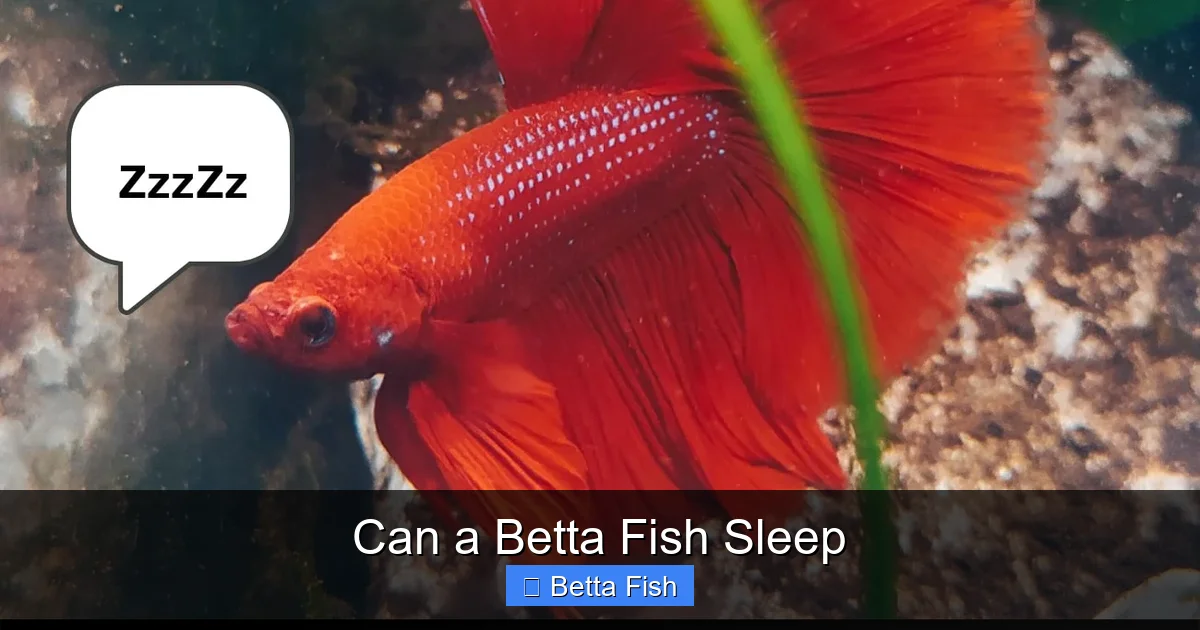
Visual guide about Can a Betta Fish Sleep
Image source: buildyouraquarium.com
Typical Rest Patterns
Bettas usually break their rest into several short periods throughout the night. A single uninterrupted 8‑hour block is rare. Instead, you’ll notice a pattern of 30‑minute to 2‑hour rests interspersed with brief bursts of activity, especially if something disturbs them.
Signs Your Betta Is Resting
- Slow, gentle movements or staying completely still.
- Fins held close to the body rather than spread out.
- Hovering near the water surface or a plant leaf.
- Reduced response to external stimuli (e.g., tapping the glass).
How Long Do Betta Fish Sleep?
While exact numbers vary, most healthy bettas rest for about 8‑12 hours in a 24‑hour period. The total time is split into many short naps, which adds up to a full night’s rest. If you’re curious about the finer details, our dedicated guide on how long does a betta fish sleep dives deeper into scientific observations and hobbyist reports.

Visual guide about Can a Betta Fish Sleep
Image source: fishlab.com
Factors That Influence Rest Duration
- Light cycle: Consistent 10‑12 hours of darkness encourages longer total rest.
- Tank size and décor: A cramped or barren tank can make a betta feel exposed, shortening rest periods.
- Water quality: High ammonia or fluctuating pH can keep a betta alert.
- Tank mates: Aggressive or overly active companions may disturb a betta’s sleep.
Creating the Perfect Sleep Environment
Control Light and Darkness
Just like us, bettas thrive on a regular day‑night rhythm. Use a timer on your aquarium light to provide 10‑12 hours of light followed by 12‑14 hours of darkness. Avoid sudden bright flashes at night; a dim night light is acceptable if it mimics a natural moonlit glow.
Visual guide about Can a Betta Fish Sleep
Image source: bettafish.org
Provide Hiding Spots
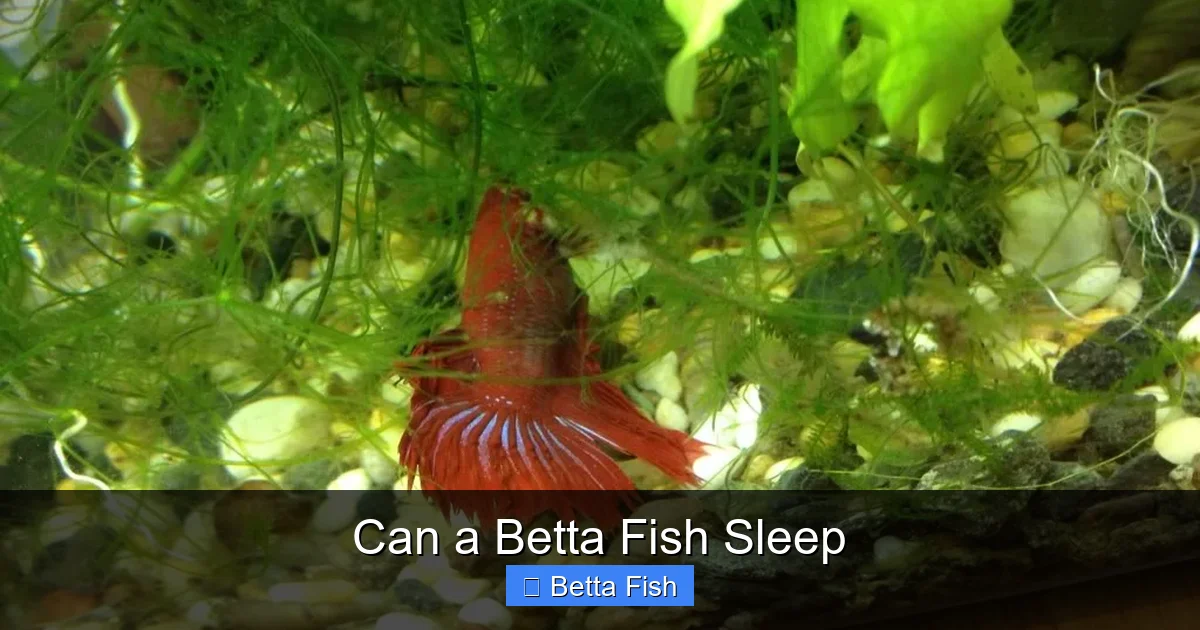
Live plants, silk moss, or decorative caves give bettas a sense of security. When they can tuck themselves away, they’re more likely to settle down without stress. Avoid sharp plastic décor that can damage their delicate fins.
Maintain Gentle Water Flow
Strong currents can keep a betta upright and alert. A low‑flow filter or a gentle sponge filter creates calm water while still providing necessary filtration.
Keep Noise and Vibration Low
Even subtle vibrations from nearby appliances can startle a betta. Place the tank on a stable surface away from speakers or heavy foot traffic.
Common Myths About Betta Sleep
Myth 1: Bettas Don’t Need Sleep
Some owners think bettas are “always on” because they’re so colorful. In reality, lack of rest leads to faded colors, reduced appetite, and increased susceptibility to disease.
Myth 2: A Betta Will Sleep Only When the Lights Are Off
While darkness is a strong cue, bettas can also nap during the day if they feel safe. However, a regular dark period is essential for a full rest cycle.
Myth 3: Small Bowls Provide Adequate Rest
Cramped bowls limit hiding places and water stability, making it harder for a betta to rest. For a healthier sleep routine, upgrade to a 5‑gal tank with proper filtration. Learn more about why a bowl may not be ideal in our article can you keep betta fish in a small bowl.
How to Tell If Your Betta Isn’t Getting Enough Rest
Behavioral Red Flags
- Faded or dull colors.
- Frequent hiding or staying at the bottom all day.
- Loss of appetite or irregular feeding.
- Increased aggression toward tank mates.
Health Consequences
Chronic sleep deprivation can weaken the immune system, making the betta prone to fin rot, ich, and fungal infections. Regular observation and a stable environment are the best preventive measures.
Practical Tips to Improve Betta Rest
Establish a Consistent Routine
Turn lights on and off at the same times each day. Use a programmable plug or a timer for automatic control.
Upgrade Your Tank
Move from a bowl to a 5‑gallon (or larger) tank with a gentle filter. Add live plants like Java fern or Anubias for natural cover.
Feed at Regular Times
Offering food at the same times helps set a daily rhythm. Avoid late‑night feedings that can keep your betta alert.
Monitor Water Quality
Test water weekly for ammonia, nitrite, and nitrate. Perform 25‑30% water changes weekly to keep parameters stable.
Consider Tank Mates Carefully
If you want companions, choose peaceful, non‑fin‑nipping species. Our guide on what fish can live with a male betta offers a vetted list of safe options.
Conclusion: Rest Is Essential for a Happy Betta
Answering the question “can a betta fish sleep?” opens the door to better care practices. Bettas do rest, but they need a calm, dark environment, plenty of hiding places, and a stable routine to achieve quality sleep. By paying attention to light cycles, tank setup, and water quality, you’ll notice brighter colors, more active behavior, and a healthier fish overall. Remember, a well‑rested betta is a happy betta—so give your finned friend the night it deserves.
Frequently Asked Questions
Do bettas close their eyes when they sleep?
No. Betta fish lack eyelids, so they cannot physically close their eyes. Rest is shown by reduced movement and relaxed fins.
How many hours a day should a betta sleep?
Most bettas rest for about 8‑12 hours total in a 24‑hour period, broken into several short naps rather than one long sleep.
Can I keep a betta in a bowl and still let it sleep well?
While a betta can survive in a bowl, the limited space and lack of hiding spots often prevent proper rest. A larger tank with décor is recommended for better sleep.
Will bright aquarium lights keep my betta awake?
Yes. Constant bright lighting can disrupt the natural day‑night cycle, keeping a betta alert and reducing total rest time.
What signs show my betta is stressed and not sleeping enough?
Faded colors, loss of appetite, constant hiding, and increased aggression are common indicators of stress and insufficient rest.
Is it okay to feed my betta right before turning off the lights?
Feeding a short time before darkness is fine, but avoid late‑night feedings that may keep the betta active when it should be winding down.