When Betta Fish Die Do They Float or Sink

The position of a betta fish after death—floating or sinking—is not a guaranteed indicator but is primarily determined by the buildup of decomposition gases. Most bettas will initially float due to gases forming in their swim bladder and body cavity, but they may sink later as gases escape or if they were already negatively buoyant. Factors like cause of death, water temperature, and time since passing all play a role. Understanding this helps in confirming death and taking appropriate, respectful action.
Key Takeaways
- Buoyancy is gas-driven: A floating betta is usually caused by decomposition gases getting trapped, similar to other animals.
- Sinking doesn’t always mean alive: A betta can sink if it was negatively buoyant in life or after gases dissipate post-mortem.
- Time is a critical factor: Position can change over hours; a floating fish may sink, and a sunk fish may float later.
- Look for other definitive signs: Check for gill movement, eye clarity, and response to gentle prodding to confirm death.
- Cause of death matters: Diseases like Dropsy (causing extreme bloating) or physical trauma can alter the typical floating pattern.
- Temperature affects decomposition speed: Warmer water accelerates gas formation and breakdown, changing buoyancy faster.
- Respectful disposal is key: Once confirmed dead, remove the fish promptly to maintain water quality and prevent disease spread.
📑 Table of Contents
- When Betta Fish Die: The Floating vs. Sinking Mystery
- The Betta’s Unique Anatomy: A Built-in Buoyancy Control System
- The Science of Decay: Why Gases Make Things Float
- The Timeline of Buoyancy Change: A Practical Guide
- What the Position Tells You (And What It Doesn’t)
- What To Do When You Find Your Betta: A Step-by-Step Guide
- Prevention and Proactive Care: Honoring Your Betta by Keeping Them Healthy
- Conclusion: Beyond the Final Position
When Betta Fish Die: The Floating vs. Sinking Mystery
You walk up to your betta’s tank for your daily hello, and your heart sinks. Your vibrant, finned friend is lying motionless on the substrate or floating listlessly at the surface. The immediate, panicked question arises: “Is he dead?” And then, a strangely specific follow-up: “When betta fish die, do they float or sink?” It’s a question many betta owners wrestle with, born from a mix of hope and the need for a clear, clinical sign. The answer, like so much in biology, isn’t a simple yes or no. It’s a process, a little science experiment playing out in your aquarium, governed by physics, anatomy, and the relentless march of decomposition.
Understanding what happens to a betta’s body after life ceases is more than just morbid curiosity. It’s a practical tool for any fish keeper. It helps you distinguish between a sleeping (or lethargic) betta and one that has truly passed. It explains why your late fish might be in a different position an hour later. Most importantly, it guides you on what to do next for the health of your remaining tank ecosystem and for your own peace of mind. So, let’s dive into the watery world of post-mortem buoyancy and settle this once and for all.
The Betta’s Unique Anatomy: A Built-in Buoyancy Control System
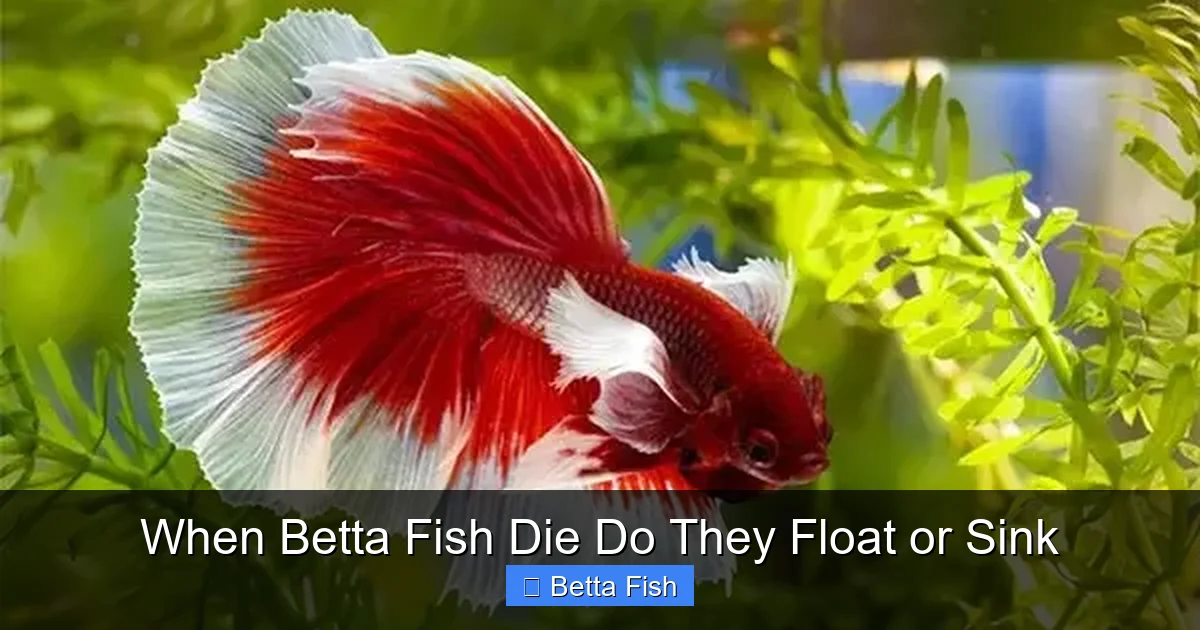
To understand what happens after death, we first need to grasp how a betta fish controls its position in the water while alive. Betta splendens, like all bony fish, possess a remarkable internal organ called the swim bladder. This is a gas-filled sac that acts like a biological balloon, allowing the fish to effortlessly maintain its depth without constant swimming. The betta is a master of this; you’ll often see them hovering motionless in the mid-water column, a feat of buoyancy control.
Visual guide about When Betta Fish Die Do They Float or Sink
Image source: bettafishworld.com
How the Swim Bladder Works
The swim bladder isn’t just a static bag. The fish regulates the amount of gas (primarily oxygen) inside it through a complex network of blood vessels and a gland called the rete mirabile. By adding or removing gas, the betta can become more buoyant (float up) or less buoyant (sink down). This system is delicate and can be disrupted by overfeeding, constipation, infection, or physical injury, leading to the common “swim bladder disorder” where a betta may float uncontrollably or sink and struggle to rise.
Beyond the Swim Bladder: Overall Density
A fish’s overall density compared to water is the final arbiter of floatation. A healthy betta with a properly inflated swim bladder is nearly neutrally buoyant. Its muscle mass, bone density, and body fat all contribute. A very thin, malnourished betta might be slightly less dense and float more easily. Conversely, a very heavy, large-finned betta might be slightly denser and have a tendency to sink. This baseline density is the starting point for our post-death analysis.
The Science of Decay: Why Gases Make Things Float
Here is the core, universal principle: decomposition produces gases. As bacteria and enzymes break down the soft tissues of any animal—fish, mammal, or insect—they produce gases like methane, carbon dioxide, and hydrogen sulfide as metabolic byproducts. These gases are lighter than water. They become trapped within the body cavities and tissues, dramatically increasing the overall volume of the cadaver while adding very little weight. This creates a powerful buoyant force, much like inflating a balloon.
Visual guide about When Betta Fish Die Do They Float or Sink
Image source: bettafishworld.com
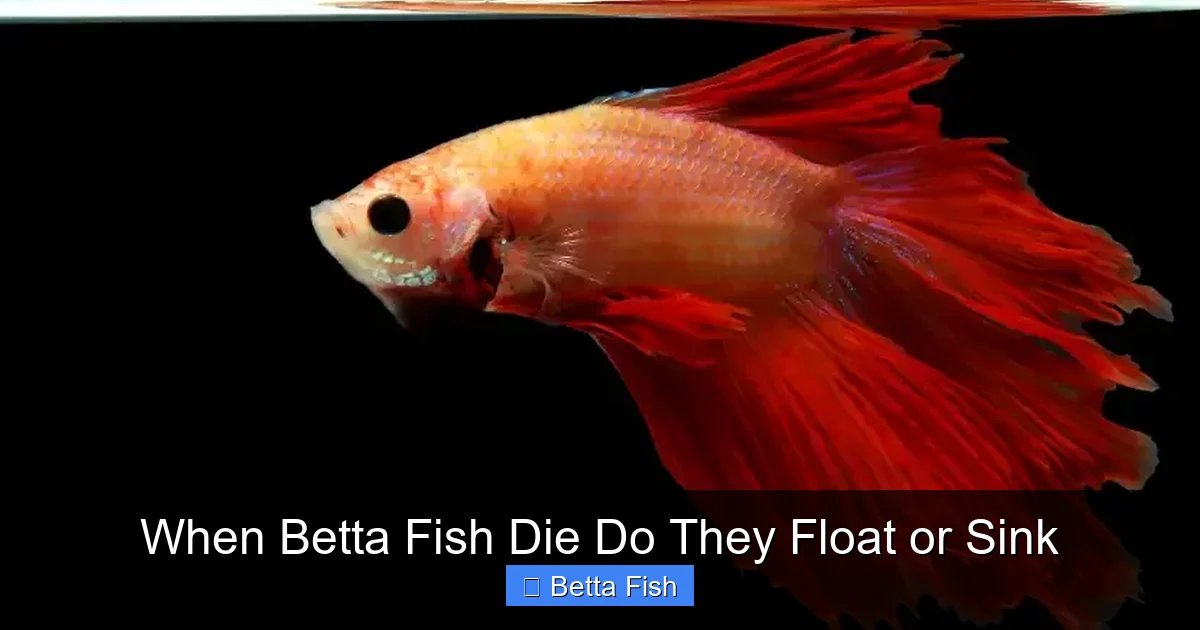
Think of a dead bird or rodent you might find. Often, it floats in a puddle or on a pond surface for the same reason. The same process occurs in your betta. The gases first accumulate in the digestive tract and then permeate the body cavity. The swim bladder, no longer under active control, often fills with gas as well. This is why the most common observation for a recently deceased betta is floating.
Why a Betta Might Sink Instead
If gas buildup is the rule, why do so many owners report finding their betta on the bottom? There are several key explanations:
- Pre-existing Negative Buoyancy: A betta that was sick, constipated, or suffering from swim bladder issues might have been negatively buoyant in life. If it dies in this state, the initial gas production might not be enough to overcome its inherent density, so it sinks.
- Rapid Gas Escape: The fish’s skin and membranes, especially in a small, fragile betta, can be permeable. Some gases may escape quickly through the body wall, preventing a full “inflation.”
- Trapped Air vs. Trapped Gases: A betta that gulps air from the surface (which they do, as labyrinth fish) might have excess air in its digestive system at the moment of death. This air can dissipate faster than the slower-generated decomposition gases.
- Immediate Sinking: If death is caused by something that instantly stops all biological function without initiating a slow decay (like a sudden toxin or extreme physical trauma), the gas production phase might be delayed or minimal, leading to immediate sinking.
- Time Delay: The sinking betta you find might have died hours ago. It may have floated initially, then sank as gases slowly leaked out or were consumed by other bacteria.
The Timeline of Buoyancy Change: A Practical Guide
This is the most helpful way to think about it: buoyancy is a timeline, not a binary state. Here’s a typical progression in a tank at average room temperature (72-78°F or 22-26°C):

Visual guide about When Betta Fish Die Do They Float or Sink
Image source: hometanks.com
0-2 Hours After Death
The body is still fresh. Minimal gas has formed. If the betta was negatively buoyant in life, it will likely remain on the bottom. If it was neutrally or positively buoyant, it may float. This stage is ambiguous.
2-12 Hours After Death
Bacterial decomposition kicks into gear. Gas production increases significantly. This is the peak floating period. Even a betta that sank initially will often rise to the surface as gases accumulate. You’ll see the fish belly-up or nose-down at the top, sometimes bloated in appearance.
12-48+ Hours After Death
As decomposition advances, the body’s structural integrity breaks down. The skin and membranes become leaky, allowing gases to escape into the water. The bloating subsides. A once-floating betta will now begin to sink and may settle on the substrate, sometimes in a somewhat “deflated” state. At this point, the body is softening significantly.
Important Note: In very warm water (above 80°F/27°C), this entire timeline speeds up dramatically. Floating may occur within an hour and sinking soon after. In cold water (below 70°F/21°C), the process slows, and a betta might remain in its initial position for a much longer period.
What the Position Tells You (And What It Doesn’t)
Now we can translate this science into practical fish-keeping knowledge. Let’s bust some myths and establish clear guidelines.
Myth: A Floating Betta is Definitely Dead.
False. As we covered, a living betta with severe swim bladder disease or extreme constipation can be permanently stuck at the surface, gasping for air. It will show other signs of life: occasional gill flickers, a response if you gently tap the glass, or a slight shift in position. A truly dead betta will have no movement, no gill movement, and its eyes will often become cloudy or sunken within hours.
Myth: A Sunk Betta is Just Sleeping or Sick.
Often true, but not always. Betta fish do rest on the substrate or plant leaves. A sick betta will often be lethargic and bottom-sitting. However, a recently deceased betta can also be on the bottom, especially if it had underlying health issues that made it negatively buoyant. This is why position alone is never a confirmation of death.
The Definitive Signs of Death
To be sure, you must look for these three things:
- No Respiratory Movement: Watch the gill covers (operculum) for at least 60 seconds. In a living fish, they move in a steady, rhythmic motion. In death, they stop completely.
- No Response to Stimulus: Gently nudge the fish with a net or a clean finger (avoid bare hands to prevent contamination). A living fish will dart away, twitch, or at least tense its muscles. A dead fish will be completely limp and unresponsive.
- Eye Changes: Within a few hours, the eyes of a dead fish will typically turn cloudy, gray, or sunken. This is a very reliable late-stage sign.
What To Do When You Find Your Betta: A Step-by-Step Guide
Discovery is just the first step. Your actions next are critical for your tank’s health and for handling the situation with care.
Step 1: Confirm, Don’t Assume.
Perform the three checks above. Give it a full minute of observation. If there’s any gill movement at all, the fish is alive and in critical condition. If it’s completely unresponsive with clear eyes, it may just be in a very deep sleep (rare for bettas, but possible). Wait 10-15 minutes and recheck.
Step 2: Assess the Situation.
If confirmed dead, note its position and appearance. Is it bloated? Covered in fuzzy white growth (fungus)? This can give clues about the cause of death (e.g., Dropsy, velvet, bacterial infection). This information is valuable for understanding if your other fish are at risk.
Step 3: Remove the Body Promptly.
A decomposing body in a closed ecosystem like an aquarium is a major ammonia spike waiting to happen. It also becomes a breeding ground for pathogens. Using a net, carefully remove the body. Avoid tearing it if it’s bloated and fragile.
Step 4: Dispose of the Body Respectfully.
Do not flush the fish down the toilet (it can spread disease to local waterways and is often illegal). Options include: wrapping in paper towel and disposing in the trash, burying in a garden (away from edible plants), or, if your municipality allows, flushing the body after wrapping. Some pet stores or veterinarians may offer cremation services.
Step 5: Investigate the Cause.
This is the most important step for prevention. Test your water parameters immediately (Ammonia, Nitrite, Nitrate, pH, Temperature). Review recent changes: new food, new tankmates, a skipped water change, a temperature drop. Consider common betta ailments. Understanding the “why” is the best way to protect your other fish.
Prevention and Proactive Care: Honoring Your Betta by Keeping Them Healthy
While we can’t prevent all deaths, we can create an environment that minimizes preventable tragedy. Proper betta care is the ultimate answer to the “floating or sinking” question—keeping them alive and thriving.
The Foundational Four: Water, Heat, Space, Diet
- Water Quality is Non-Negotiable: A filtered tank (a gentle sponge filter is ideal) with weekly 25-50% water changes is essential. Test water regularly. Ammonia and nitrite must be at 0 ppm. Bettas are sensitive to poor water quality, which leads to stress, immune suppression, and disease.
- Stable, Warm Temperature: Bettas are tropical fish. They require a consistent temperature of 78-80°F (25.5-26.5°C). A reliable aquarium heater is a must for most climates. Cold water slows metabolism and immunity, leading to diseases like dropsy.
- Adequate Space and Enrichment: A 5-gallon tank is the absolute minimum for a single betta. They need room to swim, explore, and display natural behaviors. Provide plants (live or silk), caves, and other decorations to reduce stress and boredom.
- Proper, Varied Diet: Feed high-quality pellets or frozen foods (brine shrimp, daphnia) once or twice a day, only what they can eat in 2-3 minutes. Overfeeding is the #1 cause of constipation and swim bladder issues, which can lead to premature death. Fast your betta one day a week to aid digestion.
Vigilance is Key
Get to know your betta’s normal behavior. Is he a curious explorer or a relaxed hoverer? Does his color change when happy or stressed? Daily observation is the best health check. Notice changes in appetite, activity, fin condition, or body shape (like swelling). Catching an illness in its first 24 hours dramatically increases the chances of successful treatment and prevents a tragic end.
Conclusion: Beyond the Final Position
So, when betta fish die, do they float or sink? The scientific consensus is clear: most will float initially due to decomposition gases, but many factors—from their health at the time of death to the temperature of their water—can cause them to sink instead, or to change position over time. The position of the body is a fascinating clue in the forensic investigation of your aquarium, but it is never the sole verdict.
The real takeaway for every betta keeper is this: your focus should be on the vibrant, swimming life, not the still, floating or sinking end. By providing impeccable water quality, stable heat, proper nutrition, and attentive care, you stack the odds in favor of a long, healthy life for your aquatic companion. If the worst does happen, use the moment as a learning experience. Test your water, review your care routine, and honor your betta’s memory by applying those lessons to your next finned friend. The floating or sinking question is answered by science, but the legacy of your care is written in the every day, thriving life you provide.
Frequently Asked Questions
Will my betta fish always float when it dies?
No, not always. While gas buildup from decomposition commonly causes floating, a betta can sink if it was negatively buoyant due to illness, if gases escape quickly, or if death was instantaneous. Position changes over time are normal.
How long after death will a betta fish float?
Floating typically begins within 2-12 hours after death as decomposition gases accumulate. In warmer water, this can happen much faster, within an hour or two. The floating phase can last for another 12-24 hours before the body may sink as gases dissipate.
My betta is bloated and floating but still moving slightly. Is it dead?
Almost certainly not. A bloated, floating betta with any gill movement or response to stimuli is likely suffering from severe swim bladder disorder, constipation, or dropsy. It is alive and in distress, requiring immediate investigation of water quality and possible treatment.
What causes a betta to become bloated and float before death?
>Common causes include overfeeding leading to constipation, internal bacterial infections (like dropsy which causes fluid buildup), tumors, or permanent damage to the swim bladder from injury or genetics. This condition makes them float uncontrollably and is a sign of serious illness.
What should I do if I find my betta floating or sunk and confirmed dead?
First, remove the body immediately with a net to prevent a dangerous ammonia spike and disease spread. Dispose of it respectfully (wrap in paper towel and trash, or bury). Then, test your aquarium water parameters to investigate the possible cause of death and protect any other fish.
Can a betta fish play dead?
No. Fish do not have the neurological capacity for such a complex behavior. A motionless betta is either sleeping, severely ill/lethargic, or dead. The only way to tell is to check for gill movement and response to gentle stimulation. Death is a complete and permanent cessation of all biological functions.