Is It Better to Fish in a Hay Current Trout

Fishing in a hay current trout setup can dramatically improve your catch rates. Understanding how hay affects water flow and trout behavior helps you choose the right spots and techniques. This guide covers everything from current speed to bait selection for maximum success.
Fishing in a hay current trout environment is one of the most rewarding experiences an angler can have. Hay in the water changes everything. It creates current, stirs up food, and draws trout in like magnets. Whether you are a beginner or a seasoned angler, understanding how to fish these spots can level up your game significantly.
The idea of using hay to influence water flow is not new. Farmers and fishermen have known for years that hay bales placed in rivers create natural current breaks. Trout love these spots because the food collects there and the energy cost of holding position is lower. If you want to learn is it better to fish in a hay current trout setup, you are in the right place.
This guide breaks down everything you need to know. From reading the water to choosing the right bait, we cover it all. You will walk away with actionable tips you can use on your next fishing trip.
Key Takeaways
- Hay currents create natural feeding zones that attract trout to specific areas
- Current speed matters — trout hold in slower water near hay-infused flow
- Bait presentation changes when fishing in hay current compared to still water
- Timing and weather play a big role in how trout respond to hay current
- Equipment choices like rod and line weight affect your success in current
📑 Table of Contents
- What Is a Hay Current and Why Do Trout Love It?
- Is It Better to Fish in a Hay Current Trout Setup?
- Best Techniques for Fishing Hay Current Trout Spots
- Equipment Recommendations for Hay Current Trout Fishing
- Common Mistakes to Avoid When Fishing Hay Current Trout Spots
- How Current and Water Conditions Affect Your Success
- Expert Tips for Maximizing Your Hay Current Trout Catch
- Connecting Current Fishing to Betta Fish Tank Setup
- Conclusion
What Is a Hay Current and Why Do Trout Love It?
A hay current forms when hay or organic material enters a river or stream. As the hay breaks down, it interacts with the water flow. This creates gentle, swirling currents that differ from the main river current. Trout are drawn to these areas for several key reasons.
First, the hay stirs up tiny insects and organisms. These become a natural food source for trout. Second, the current break gives trout a place to rest while still having access to food. Third, the hay provides cover and shade. Trout feel safer in these spots and are more likely to feed.
How Current Speed Affects Trout Positioning
Not all current is the same. Trout position themselves based on how fast the water moves. In a hay current trout setup, the current is usually slower than the main flow. This is exactly what trout want. They do not need to fight strong water to hold their position.
Here is what to look for when scouting a hay current spot:
- Slow-moving water right next to faster flow
- Bubble lines where surface current meets still water
- Eddies behind hay bales or debris
- Depth changes near hay accumulation points
Trout will stack up in these areas, especially during feeding times. The key is finding the seam between fast and slow water. That is where the magic happens.
Is It Better to Fish in a Hay Current Trout Setup?
The short answer is yes. Fishing in a hay current trout environment gives you a real advantage. The concentrated food source and reduced current make trout more predictable. They hold in specific spots and feed actively. This is much easier to fish than open, fast-moving water.
Compare this to fishing in a strong current where trout have to work hard to stay in place. In those spots, trout are more spread out and less willing to commit to your bait. The hay current gives them everything they need in one convenient location.
However, there are some things to watch out for. Too much hay can make the water murky. If visibility drops too low, trout become wary and harder to approach. The sweet spot is a moderate amount of hay that creates current without reducing water clarity too much.
Comparing Hay Current Fishing to Other Methods
Let us look at how hay current fishing stacks up against other popular methods:
- Hay current fishing — High trout concentration, easy to locate fish, natural presentation
- Open river fishing — Requires more searching, trout scattered, harder to target
- Still water fishing — No current to deal with, but less natural food flow
- Tide fishing — Productive in coastal areas but different species and conditions
Each method has its place. But for targeting trout specifically in freshwater rivers, the hay current approach is hard to beat. The fish are there waiting for you.
Best Techniques for Fishing Hay Current Trout Spots
Once you find a good hay current spot, the next step is choosing the right technique. How you present your bait makes all the difference. Trout in these spots are feeding, but they are also cautious. They have plenty of food options, so your presentation needs to look natural.
Drift Fishing in Hay Current
Drift fishing is one of the most effective methods for hay current trout fishing. The idea is simple. You let your bait drift naturally with the current right through the trout holding area. No heavy casting is needed. You simply position yourself upstream and let the bait flow down to the fish.
Use a light setup. A medium-light rod with four to six pound test line works great. The goal is to keep your bait moving naturally with the current. Add just enough weight to keep the bait in the strike zone without fighting the flow too much.
Using Bait That Matches the Hatch
Hay currents attract specific types of insects and small organisms. The best bait mimics what is naturally available. Some top choices include:
- Live worms — classic and effective in current
- Crushed insects — matches the natural food stirred up by hay
- Small minnows — works well in deeper hay current spots
- Artificial flies — great for fly fishing in these areas
Pay attention to what is hatching in the area. If you see bugs on the surface, match your bait to them. Trout in hay current spots are opportunistic feeders, so giving them something familiar increases your chances.
Timing Your Fishing Sessions
Timing matters a lot when fishing hay current trout spots. Early morning is often the best time. Trout are actively feeding after the cool night hours. Midday can also be productive, especially on cloudy days when trout feel safer moving into open current areas.
Many anglers also find success during the evening bite. The light is lower, and trout become more confident in their feeding. If you can, fish during the first two hours after sunrise and the last two hours before sunset.
Equipment Recommendations for Hay Current Trout Fishing
Having the right gear makes a big difference. Fishing in current requires equipment that can handle the flow while still giving you control. You do not need expensive gear, but you do need the right setup.
Rod and Reel Selection
For hay current trout fishing, a spinning rod in the five to six-and-a-half foot range is ideal. Look for a medium-light to medium action rod. This gives you the sensitivity to feel bites and the flexibility to handle current without snapping your line.
Pair it with a spinning reel that has a smooth drag system. When a trout takes your bait in current, you need that drag to work perfectly. A reel with a good line capacity of about one hundred yards of four-pound test is a solid choice.
Line and Leader Choices
Use a monofilament or fluorocarbon leader in clear water. Fluorocarbon sinks faster and is less visible underwater. This is important in hay current spots where trout can get a good look at your bait before committing to it.
If the water is slightly stained or murky from the hay, monofilament works well too. It has more stretch, which helps absorb the shock of trout strikes in current.
Common Mistakes to Avoid When Fishing Hay Current Trout Spots
Even experienced anglers make mistakes in hay current situations. Knowing what to avoid can save you a lot of frustration and lost fish.
Using Too Much Weight
The biggest mistake is adding too much weight to your setup. Heavy sinkers fight the current and make your bait look unnatural. Trout in hay current spots are used to seeing light, natural food drifting by. Keep your weight minimal and let the current do the work.
Fishing Too Fast
Patience is key. Do not rush from spot to spot. A good hay current trout spot can hold multiple fish. Take your time. Work the spot thoroughly before moving on. Cast upstream, let the bait drift through, and retrieve slowly. Repeat this several times before deciding the spot is dead.
Ignoring Water Clarity
Hay can make the water murky if there is too much of it. If you cannot see more than a few inches below the surface, you might need to move to a different spot. Trout in extremely murky water become less active and harder to catch with bait presentation alone.
How Current and Water Conditions Affect Your Success
Understanding how water conditions interact with hay current is essential. The current speed, water temperature, and weather all play a role in whether trout will be actively feeding.
In general, trout prefer water temperatures between fifty and sixty-five degrees Fahrenheit. Hay current spots tend to stay cooler because the water is moving and shaded by the hay. This makes them ideal trout habitat, especially during warmer months.
Rain can also change things. Light rain often improves fishing because it washes more insects into the current. Heavy rain can make the water too muddy and push trout into deeper holding areas. If you want to learn more about fishing in different weather conditions, check out our guide on is it better or worse to fish in the rain for helpful insights.
The Role of Light and Shadow
Trout are sensitive to light. Bright sunny days can make them retreat to deeper water or under heavy cover. Overcast days often produce better results because trout feel more comfortable moving into shallower current areas.
Interestingly, the shade created by hay piles actually helps trout feel safe. They can feed in current areas that would normally be too exposed. This is another reason why hay current trout fishing can be so productive.
If you are curious about how light conditions affect fishing, our article on is it better to fish in the sun or shade provides excellent detail on this topic.
Expert Tips for Maximizing Your Hay Current Trout Catch
Here are some pro tips that can help you catch more trout in hay current spots:
- Approach from downstream. Trout face into the current. If you approach from behind them, you are less likely to spook them.
- Use natural colors. Browns, greens, and natural bait colors work best in hay current water.
- Fish the edges. The edge of a hay current where it meets still water is a prime holding spot for trout.
- Keep your line tight. In current, slack line means missed bites. Stay connected to your bait at all times.
- Match the size. Use small bait and small hooks. Trout in current are not going to chase large prey.
These tips come from years of experience fishing current trout spots. They may seem simple, but they make a real difference in your catch rate.
Connecting Current Fishing to Betta Fish Tank Setup
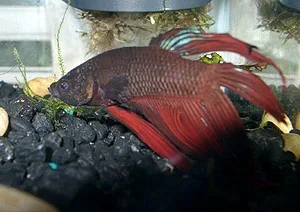
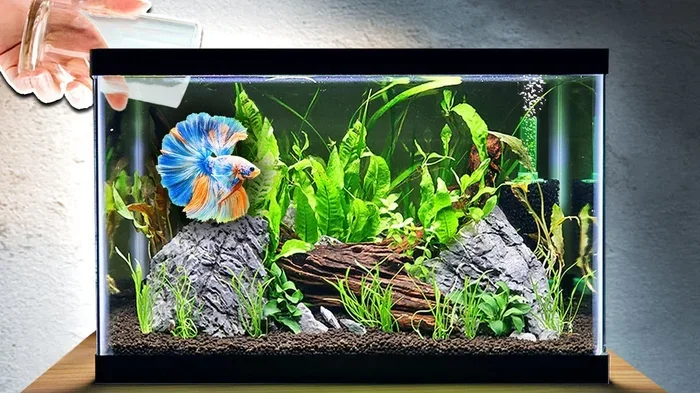
You might be wondering what hay current trout fishing has to do with betta fish. The connection is about understanding water flow. Just like trout respond to current in rivers, betta fish respond to current in tanks. Bettas prefer gentle flow, not strong currents that exhaust them.
If you keep betta fish at home, understanding current helps you set up a better tank environment. Bettas need a filter, but the flow should be gentle. Too much current stresses bettas and makes them hide instead of being active and healthy. For more on this topic, read our guide on can a betta fish have too much current to understand the ideal flow levels.
The same principles apply. Fish seek areas where the current matches their energy level. In rivers, trout find relief in hay current breaks. In tanks, bettas find comfort in gentle, filtered flow. Understanding this connection makes you a better angler and a better fish keeper.
Also, the substrate in your tank matters. Just like choosing the right fishing spot, choosing the right tank bottom affects your fish’s health. Learn more about which is better sand or gravel for a fish tank to create the best environment for your aquatic pets.
Conclusion
So, is it better to fish in a hay current trout setup? The evidence says absolutely yes. Hay current spots concentrate trout, provide natural food, and reduce the energy fish need to hold position. This makes them some of the most productive fishing spots you can find.
The key is understanding how current works, choosing the right bait and technique, and being patient. Avoid common mistakes like using too much weight or rushing through spots. With the right approach, you will see better results every time you fish a hay current trout area.
Whether you are fishing for fun or trying to build your skills, hay current trout fishing offers something for everyone. The next time you are on the water, look for those hay-infused current breaks. The trout are waiting for you.
Frequently Asked Questions
What is a hay current trout fishing spot?
A hay current trout spot is an area in a river or stream where hay or organic material creates a gentle current break. Trout gather here because the flow is slower, food is abundant, and they feel safe from predators.
Why do trout prefer hay current areas?
Trout prefer hay current areas because the current is reduced, making it easier to hold position. The hay also stirs up insects and small organisms that trout feed on naturally.
What is the best bait for hay current trout fishing?
Live worms, small minnows, and artificial flies that match the local hatch work best. Keep your bait small and natural-looking to match the food trout are already feeding on in these spots.
Can you fish hay current spots in any season?
Yes, hay current spots can be productive year-round. However, spring and fall often produce the best results because trout are more active in cooler water temperatures and feeding heavily.
How do you know if a hay current spot is too murky?
If you cannot see at least a few inches below the surface, the water may be too murky. Trout become less active and less willing to commit to your bait in extremely low-visibility conditions.
Does weather affect hay current trout fishing?
Yes, weather plays a big role. Overcast days and light rain often improve fishing. Bright sunny days can push trout deeper. For more on how weather affects fishing, check out our guide on is it better to go fishing before or after rain.