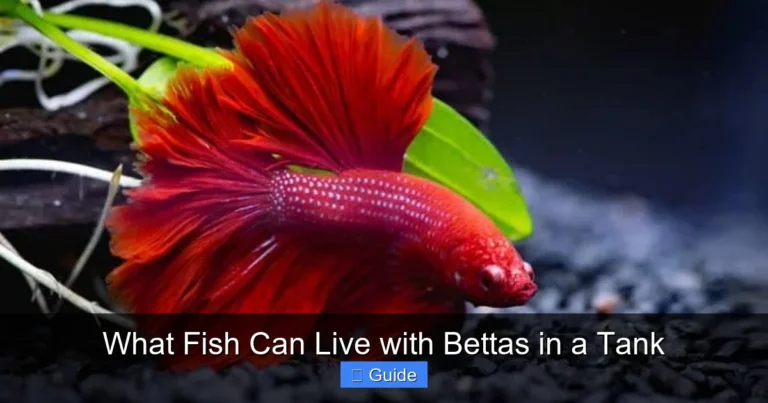
Are Betta Freshwater Fish
Yes, betta fish are absolutely freshwater fish. They naturally live in freshwater habitats like rice paddies, canals, and slow-moving streams in Southeast Asia. This guide covers everything you need to know about keeping bettas in a freshwater aquarium, from tank setup to feeding and tank mates.
Have you ever wondered are betta freshwater fish? If you are thinking about getting a betta fish, this is one of the first questions that comes up. The short answer is yes. Betta fish are freshwater fish through and through. They do not live in saltwater, and putting them in a saltwater tank would be harmful to their health.
Betta fish, also known as Siamese fighting fish, come from Southeast Asia. They live in warm, slow-moving freshwater bodies like rice paddies, flood plains, and canals. Understanding their natural habitat helps you create a better home for them in your own freshwater aquarium. In this guide, we will walk you through everything you need to know about keeping bettas in freshwater.
Whether you are a complete beginner or a seasoned fish keeper, this article covers the essentials. We will talk about tank setup, water conditions, feeding, and even which tank mates work well with bettas. Let us dive right in!
Key Takeaways
- Betta fish are freshwater creatures: They thrive in freshwater environments and cannot survive in saltwater.
- Proper tank setup matters: A minimum 5-gallon tank with a heater and filter keeps your betta healthy and happy.
- Water parameters are critical: Maintain temperatures between 76-82°F and keep pH between 6.5 and 7.5.
- Tank mates can coexist: Certain peaceful fish and snails can share a tank with your betta.
- Feeding habits affect health: Feed your betta 1-2 times daily with high-quality pellets or frozen food.
- Freshwater plants enhance their environment: Live plants like pothos and java fern improve water quality and reduce stress.
📑 Table of Contents
What Makes Betta Fish Freshwater Creatures?
The simple truth is that betta fish have evolved to live in freshwater environments. Their bodies are not designed to handle salt. Unlike marine fish that have special cells to regulate salt intake, bettas lack those adaptations. This makes freshwater their only safe living space.
In the wild, bettas live in shallow, warm freshwater bodies. These include standing ponds, slow rivers, and flooded fields. The water in these habitats is soft and slightly acidic. Replicating these conditions in a home tank is the key to keeping a healthy betta.
Betta Fish Natural Habitat
Betta fish are native to countries like Thailand, Cambodia, Vietnam, and Malaysia. They are used to warm, calm water with plenty of vegetation. In the wild, they often live in small puddles and rice paddies where the water is still and warm. This is why a betta tank setup should mimic these natural conditions as closely as possible.
Many people think bettas can live in tiny bowls. That is a myth. While they can survive in small spaces for a short time, they thrive best in a properly sized freshwater aquarium with a heater, filter, and live plants.
Freshwater vs Saltwater: Why Bettas Cannot Live in Saltwater
You might be curious about are betta saltwater or freshwater fish. The answer is clear: they are freshwater. Saltwater would cause serious health problems for bettas. Their gills and kidneys are built to process freshwater, not salt. Putting a betta in saltwater would lead to dehydration, stress, and eventually death.
If you want to learn more about this topic, check out our detailed guide on are betta saltwater or freshwater fish for a deeper dive into the differences.
| Feature | Freshwater Betta | Saltwater Fish |
|---|---|---|
| Habitat | Rice paddies, canals, ponds | Oceans, coral reefs |
| Water Type | Fresh, soft, warm | Salty, mineral-rich |
| Temperature Range | 76-82°F | 72-78°F (varies widely) |
| pH Level | 6.5-7.5 | 8.0-8.4 |
| Betta Compatibility | Yes | No |
Setting Up the Perfect Freshwater Betta Tank
Creating the right environment is the most important part of betta care. A freshwater betta tank should be comfortable, clean, and warm. Let us break down exactly what you need.
Tank Size and Shape
A common mistake is keeping a betta in a tiny bowl. While bettas can survive in small containers, they do much better in larger tanks. A minimum 5-gallon tank is recommended for a single betta. This gives them room to swim and explore, which keeps them active and less stressed.
Round bowls are not ideal because they have a small surface area. This limits oxygen exchange. A rectangular tank is a better choice. It provides more swimming space and better gas exchange at the water surface.
Heating and Filtration
Betta fish need warm water to stay healthy. A submersible heater set to 78°F is perfect. Temperature fluctuations can stress your fish, so a thermostat is a must-have.
As for filters, not all filters are created equal. Strong filters can create too much current, which bettas do not like because they are weak swimmers. A gentle sponge filter works great. If you are unsure about filtration, you can read our article on are water filters necessary for betta fish for expert advice.
Plants and Decorations
Adding live plants to your freshwater betta tank does wonders. Plants provide hiding spots, reduce stress, and improve water quality. Some great options include java fern, anubias, and pothos plants. Just make sure any plants you add are safe for bettas.
Avoid plants with sharp edges or thorny leaves. Bettas have long, flowing fins that can tear easily. Soft-leaved plants are the best choice. You can also add smooth rocks and driftwood to create a natural look.
Water Parameters for a Healthy Betta
Keeping the right water conditions is essential for your betta’s health. Bettas are sensitive to changes in water quality. Let us look at the key parameters you need to monitor.
Temperature
The ideal temperature for a betta fish is between 76°F and 82°F. Cold water can make your betta sluggish and more prone to illness. Hot water can cause stress and reduce oxygen levels. A reliable aquarium thermometer helps you keep things stable.
pH and Water Hardness
Betta fish prefer slightly acidic to neutral water. A pH between 6.5 and 7.5 is ideal. Water hardness should be soft to moderate. You can test your tap water before adding it to the tank. Many cities have hard water, which may need to be treated with a water conditioner.
Water Changes and Maintenance
Regular water changes are crucial. Replace about 25% of the tank water every week. This removes toxins like ammonia and nitrite that can build up over time. Always use a water conditioner to remove chlorine and chloramine from tap water before adding it to the tank.
Quick tip: Never change all the water at once. This can shock your betta and disrupt the beneficial bacteria in your tank. Gradual changes are always safer.
Feeding Your Freshwater Betta Fish
Feeding is one of the most important parts of betta care. Bettas are carnivorous by nature. They need a protein-rich diet to stay healthy and vibrant. Let us look at what to feed and how often.
Best Foods for Bettas
High-quality betta pellets should be the staple of your fish’s diet. Look for pellets that list fish meal or shrimp as the first ingredient. You can also offer frozen or live foods like bloodworms, brine shrimp, and daphnia as treats.
Avoid feeding your betta flakes meant for tropical fish. These do not provide enough protein and can cause digestive issues. A varied diet keeps your betta healthy and brings out their natural colors.
How Often to Feed
Feeding your betta once or twice a day is enough. A good rule is to give them only what they can eat in two minutes. Overfeeding is a common mistake that can lead to bloating, constipation, and poor water quality.
If you want more detailed guidance on feeding schedules, check out our article on are you supposed to feed betta fish everyday. It covers the dos and don’ts of betta feeding in detail.
Can Bettas Live With Other Fish?
This is one of the most common questions among new betta owners. The answer is: it depends. Male bettas are known for being aggressive, especially toward other bettas. But that does not mean they cannot have tank mates.
Good Tank Mates for Bettas
Peaceful, non-fin-nipping fish can make great companions for bettas. Some good options include:
- Corydoras catfish: These bottom-dwellers stay out of your betta’s way.
- Neon tetras: Small, peaceful, and colorful.
- Mystery snails: They clean algae and do not bother bettas. You can read more about snails in our article on can freshwater snail live with a betta fish.
- Harlequin rasboras: Schooling fish that add movement to the tank.
Fish to Avoid
Some fish are not compatible with bettas. Avoid fin-nippers like tiger barbs and serpae tetras. Also, do not keep two male bettas together. They will fight, and the results can be fatal. If you are unsure about which fish can go with a betta, our guide on are there other fish that can go with a betta has more detailed recommendations.
Common Mistakes to Avoid with Freshwater Bettas
Even experienced fish keepers make mistakes. Here are some common errors to watch out for when keeping bettas in freshwater.
Keeping Bettas in Bowls
This is probably the biggest myth in the fishkeeping world. While bettas can survive in small containers, they thrive in larger tanks. A bowl does not provide enough space, oxygen, or room for enrichment. A 5-gallon tank is the minimum for a happy, healthy betta.
Skipping the Heater
Betta fish are tropical creatures. They need warm water to function properly. Room temperature water is usually too cold. Without a heater, your betta may become lethargic, lose its appetite, and fall ill more easily.
Overfeeding
It is tempting to feed your betta too much, especially because they are so eager at feeding time. But overfeeding leads to obesity, bloating, and dirty water. Stick to a consistent feeding schedule and remove any uneaten food after a few minutes.
Ignoring Water Quality
Bettas are sensitive to ammonia and nitrite. Even small amounts can be deadly. Test your water regularly and perform weekly water changes. A well-maintained freshwater aquarium is the foundation of good betta health.
Signs of a Healthy Freshwater Betta Fish
How do you know if your betta is thriving? Here are some signs to look for:
- Bright, vibrant colors: A healthy betta will have rich, vivid colors. Fading color can indicate stress or illness.
- Active swimming: Your betta should explore the tank and swim with ease. Lethargy is a red flag.
- Good appetite: A healthy betta will eat eagerly and finish food within a couple of minutes.
- Intact fins: Fins should be flowing and whole. Torn or clamped fins can signal poor water quality or aggression from tank mates.
- Bubble nests: Male bettas often build bubble nests. This is a sign of a happy, comfortable fish. Learn more about this behavior in our article on do betta fish bubble nest mean they are happy.
Keeping a close eye on these signs helps you catch problems early and keep your betta in top shape.
Conclusion
So, are betta freshwater fish? Absolutely yes. Betta fish are freshwater creatures that need a warm, clean, and well-maintained tank to thrive. From tank size to water parameters, feeding habits, and tank mates, every detail matters when it comes to betta care.
By following the tips in this guide, you can create a beautiful and healthy freshwater aquarium for your betta. Remember to keep the water warm, feed them properly, and choose compatible tank mates. A well-cared-for betta fish can live 3 to 5 years, sometimes even longer, bringing joy and color to your home.
Start with the basics, keep learning, and enjoy the process of creating the perfect home for your freshwater betta. Your fish will thank you with vibrant colors and lively behavior every single day!
Frequently Asked Questions
Can betta fish survive in saltwater?
No, betta fish cannot survive in saltwater. They are freshwater fish that lack the biological adaptations to process salt. Placing a betta in saltwater will cause dehydration, stress, and death.
What size tank does a betta fish need?
A minimum 5-gallon tank is recommended for a single betta fish. Larger tanks provide more swimming space and better water stability. Avoid tiny bowls or vases that limit movement and oxygen exchange.
How often should I change my betta’s water?
Perform a 25% water change every week. This removes harmful toxins like ammonia and nitrite. Always treat new water with a conditioner to remove chlorine and chloramine before adding it to the tank.
Can betta fish live with other freshwater fish?
Yes, bettas can live with certain peaceful fish like corydoras catfish, neon tetras, and mystery snails. Avoid aggressive or fin-nipping species. Always research compatibility before adding new fish to a betta tank.
Why is my betta fish not eating?
A loss of appetite can be caused by poor water quality, low temperatures, or stress. Check your water parameters and temperature first. If conditions are stable, try offering different foods like frozen bloodworms or live brine shrimp to stimulate their appetite.
Do betta fish need a heater?
Yes, betta fish need a heater to maintain a stable temperature between 76°F and 82°F. They are tropical fish that cannot tolerate cold water. A submersible aquarium heater with a thermostat is the best choice for keeping the water at the right temperature.