Will a Betta Fish Eat a Goldfish
No, you should never house a betta fish with a goldfish. While a betta might not always actively hunt a full-grown goldfish, the combination is fraught with danger. Bettas are carnivorous, aggressive, and require warm water, while goldfish are omnivorous, peaceful, and need cold water. The betta’s predatory instincts can lead to fin-nipping and stress for the goldfish, and the incompatible water temperature needs will compromise the health of one or both fish. Keeping them separate is the only safe and humane choice for both pets.
Key Takeaways
- Fundamental Incompatibility: Bettas and goldfish have opposite temperaments and entirely different natural habitat requirements, making them unsuitable tank mates.
- Bettas Are Carnivorous Predators: Betta fish are instinctive hunters that will nibble on long, flowing fins. A goldfish’s fins are a prime target for this behavior.
- Water Temperature War: Bettas require tropical water (78-80°F), while goldfish require cold water (65-75°F). There is no safe, stable temperature for both species.
- Goldfish Produce Excessive Waste: Goldfish are notoriously messy, producing high levels of ammonia. This quickly poisons a betta, which is highly sensitive to poor water quality.
- Size Isn’t a Guarantee of Safety: Even a large, fancy goldfish is not safe. The betta’s constant harassment causes fatal stress, and a small goldfish or fry is at immediate risk of being eaten.
- Aggression is Triggered by Environment: A betta’s aggression is amplified in a tank that is too small, poorly decorated, or shared with incompatible species like a goldfish.
- The Only Safe Solution is Separation: The ethical and responsible choice is to provide each species with its own properly sized, species-appropriate aquarium.
📑 Table of Contents
- Will a Betta Fish Eat a Goldfish? The Short, Critical Answer
- Betta Fish 101: The Aggressive, Tropical Carnivore
- Goldfish 101: The Messy, Cold-Water Gentle Giant
- The Brutal Reality of Co-Habitation: What Actually Happens
- Safe and Suitable Tank Mates: The Right Alternatives
- Conclusion: Respect Their Differences, Provide Proper Care
Will a Betta Fish Eat a Goldfish? The Short, Critical Answer
Let’s get straight to the point, because this is a very common and dangerous question in the aquarium hobby. The direct answer is: yes, a betta fish can and will eat a goldfish, or at the very least, inflict severe harm upon it. It’s not a matter of “if” but of “when” and “how badly.” While your gentle, flowing fantail goldfish might seem like a peaceful, large companion for a flashy betta, the reality is a biological and behavioral nightmare waiting to happen. This pairing is arguably one of the worst possible combinations for a community tank, and understanding why is crucial for the health and survival of both beautiful fish. This guide will break down every single reason—from their opposing diets to their clashing temperature needs—why these two iconic fish should never, under any circumstances, share the same water.
The Core Problem: A Predator and a Peaceful Herbivore
At its heart, this is a predator-prey dynamic gone wrong. The betta, also known as the Siamese fighting fish, is a carnivorous labyrinth fish from the shallow, warm rice paddies and slow-moving streams of Southeast Asia. It is an instinctive hunter. In the wild, its diet consists of insects, insect larvae, and tiny crustaceans. Anything that moves and is small enough to fit in its mouth is, biologically speaking, food.
The goldfish, originating from the cool, temperate waters of China, is an omnivore that sifts through substrate and nibbles on plant matter, algae, and small invertebrates. It is not equipped with predatory behaviors. Its long, flowing fins—the very feature that makes fancy goldfish so admired—are like a red flag to a betta. The betta sees these fins as rival male betta fins (which it will flare at and attack) or, more likely, as tasty, wiggling morsels. Fin-nipping is almost a guarantee, leading to torn, ragged fins, open wounds, and fatal infections for the goldfish.
Betta Fish 101: The Aggressive, Tropical Carnivore
To understand the danger, you must first understand the betta. This is not a passive, decorative fish. It is a complex, intelligent, and fiercely territorial creature with a reputation for a reason.

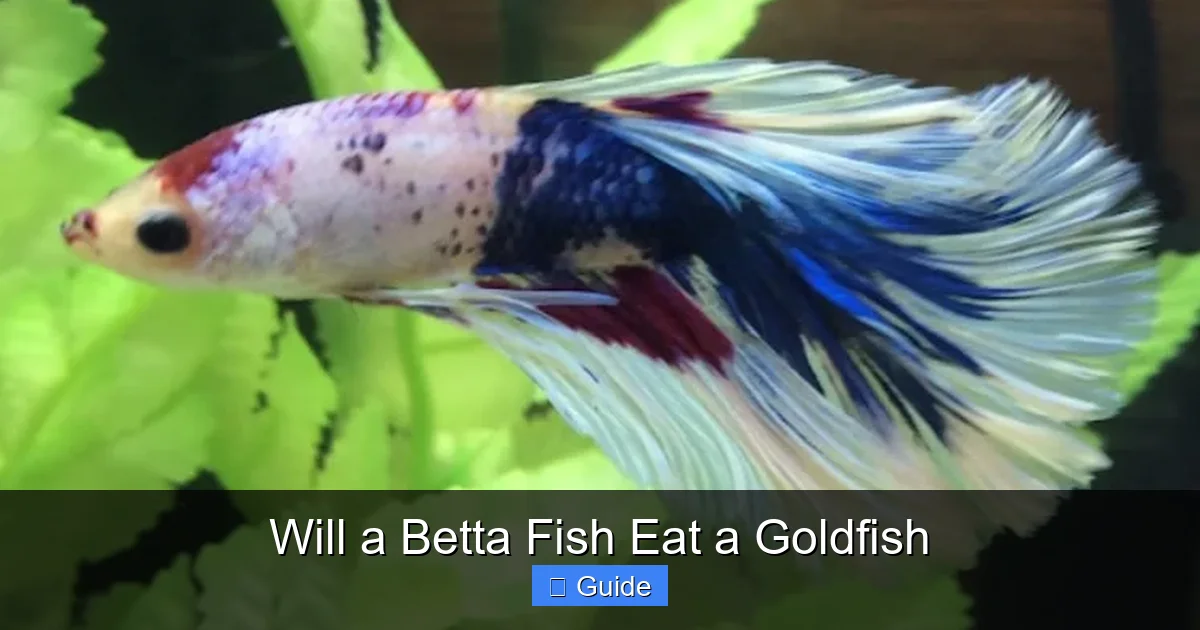
Visual guide about Will a Betta Fish Eat a Goldfish
Image source: petfood.guide
The Labyrinth Organ and a Meat-Based Diet
Betta fish possess a unique respiratory structure called a labyrinth organ, allowing them to gulp air from the surface. This adaptation for oxygen-poor waters doesn’t change their fundamental dietary needs. They are obligate carnivores. Their digestive systems are short and designed for protein. Feeding a betta flake food or plant-based foods leads to constipation, swim bladder disease, and a host of other health problems. In an aquarium, they require high-quality pellets, frozen, or live foods like brine shrimp, daphnia, or bloodworms.
This carnivorous instinct is non-negotiable. A betta will investigate anything that moves in its territory. A goldfish, with its slow, undulating movements and prominent fins, is the perfect stimulus for a betta’s hunting response. Even if the goldfish is too large to be swallowed whole, the betta will relentlessly nip at its fins and scales. This is not “play”; it is predatory behavior with devastating consequences.
Territorial Aggression and the “Fighting Fish” Legacy
The name “Siamese fighting fish” comes from their historical use in gambling matches in Thailand, where males were pitted against each other. While modern bettas are less intensely bred for aggression than those historical lines, the territorial instinct remains powerful. A betta needs a defined territory with plants, rocks, or driftwood to claim as its own. Introducing any other fish, especially one with a different body shape and fin type, is seen as an intruder. The betta will flare its gills, spread its fins, and chase the “intruder” relentlessly to drive it away. A goldfish, being a peaceful, schooling fish, has no such defensive aggression. It will simply be pursued until it is exhausted, stressed, and injured.
Goldfish 101: The Messy, Cold-Water Gentle Giant
Now, let’s look at the other side of the equation. The goldfish is often misunderstood as a simple, hardy, small-bowl fish. This myth is at the root of many problems. The common goldfish and its fancy relatives have significant and demanding needs that are the polar opposite of a betta’s.
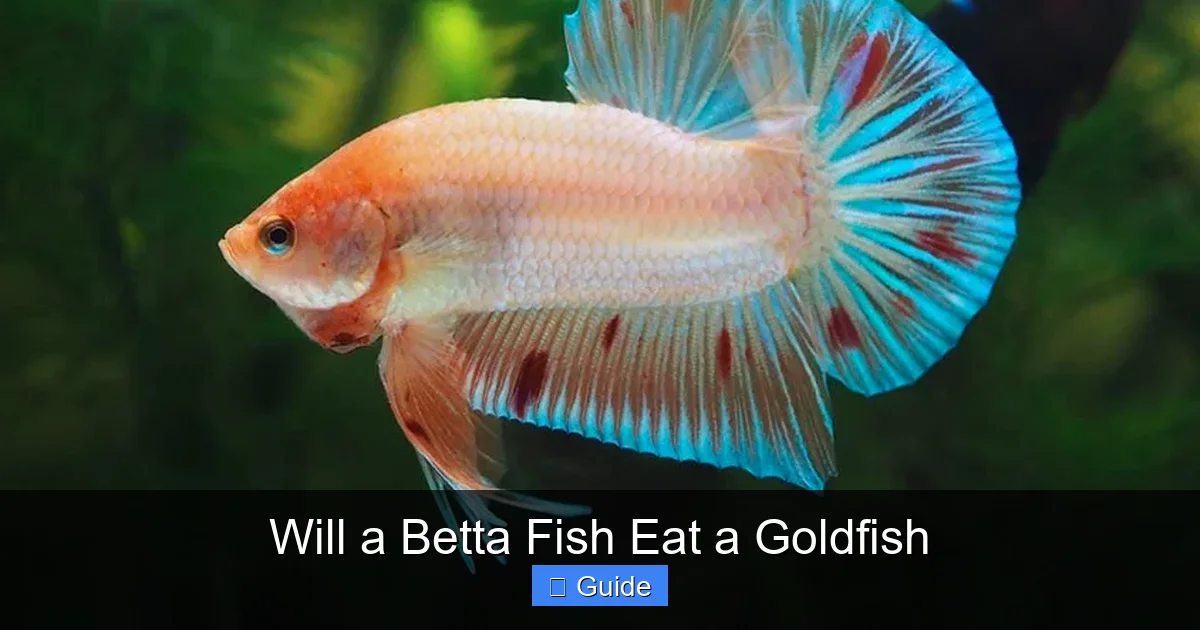
Visual guide about Will a Betta Fish Eat a Goldfish
Image source: thegoldfishtank.com
Incompatible Water Temperature: The Non-Negotiable Divide
This is the single most concrete, scientific reason these fish cannot coexist. Bettas are tropical fish, requiring a consistent water temperature between 78°F and 80°F (25.5°C – 26.7°C). Their metabolism, immune system, and overall vitality depend on this warmth. Goldfish, however, are cold-water fish. They thrive in temperatures between 65°F and 75°F (18°C – 24°C). Fancy goldfish varieties can be slightly more tolerant but still prefer the cooler end of that range.
There is no overlapping “safe zone.” If you set the tank to 78°F for the betta, the goldfish will be in water that is chronically too warm, leading to a sped-up metabolism, increased waste production, oxygen depletion, and a severely shortened lifespan. If you set it to 70°F for the goldfish, the betta’s immune system will become sluggish, making it prone to diseases like ich and velvet, and its digestion will slow, causing constipation and dropsy. You cannot compromise on temperature; you must choose one species over the other, dooming the other to poor health.
The Ammonia Bomb: Goldfish Waste Production
Goldfish are, to put it scientifically, incredibly messy. They have a long, inefficient digestive tract and produce a massive amount of waste relative to their body size. A single common goldfish can produce as much waste as a dozen small tropical fish. This waste rapidly breaks down into toxic ammonia and nitrites. A betta fish is notoriously sensitive to poor water quality. Even low, chronic levels of ammonia will burn its gills, cause lethargy, strip its slime coat, and make it susceptible to disease. In a shared tank, the goldfish would quickly create a toxic environment that would sicken and kill the betta long before the betta’s aggression even becomes the primary issue. The bio-load (the amount of biological waste) is simply too high for a betta to tolerate.
The Brutal Reality of Co-Habitation: What Actually Happens
Let’s walk through the likely, grim timeline if you ignore all advice and place these two fish together in a single tank, even a large one.
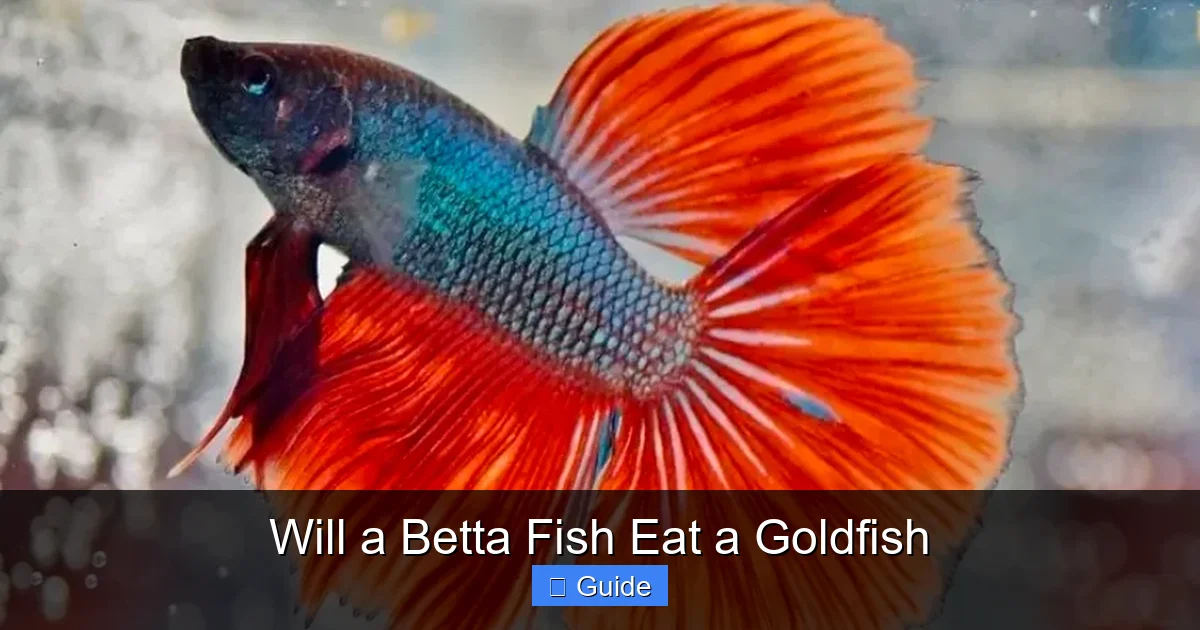
Visual guide about Will a Betta Fish Eat a Goldfish
Image source: thegoldfishtank.com
Phase 1: Immediate Curiosity and Flaring
The moment the goldfish is introduced, the betta will see a large, moving, finned object in its territory. It will immediately begin flaring its gills and fins, a display of intimidation. The goldfish, confused and stressed, will likely try to hide or swim away calmly. This chase response is instantly triggered.
Phase 2: Chronic Stress and Fin Nipping
The betta will not stop. It will patrol its territory, constantly harassing the goldfish. The goldfish, unable to escape in a confined space, will live in a state of perpetual flight. This chronic stress cripples its immune system. Within hours or days, the betta will begin taking test bites at the goldfish’s long, flowing fins—the fancy oranda, veil tail, or common comet fins are irresistible targets. These are not full attacks, but persistent nibbling that removes chunks of fin tissue.
Phase 3: Infection, Exhaustion, and Death
Torn fins are open wounds, a direct pathway for bacterial and fungal infections. Fin rot sets in quickly, especially in the suboptimal water conditions created by the goldfish’s waste. The goldfish becomes lethargic, spends all its time at the bottom or corner of the tank, stops eating, and its beautiful fins become ragged, blackened, and disintegrating. Simultaneously, the poor water quality from the goldfish’s waste begins to poison the betta. The betta may also become stressed by its own inability to “win” against this large, non-reactive target, leading to its own health decline. The outcome is always a slow, painful death for at least one, and usually both, fish.
Safe and Suitable Tank Mates: The Right Alternatives
If you love both bettas and goldfish, the good news is you can keep both! But you must provide them with separate, appropriate homes. Here’s who each can safely live with.
For Your Betta: Peaceful, Tropical Companions
A single male betta can thrive in a well-planted, heated 5-gallon (19-liter) tank or larger with carefully chosen tank mates. The rule is: avoid anything with long, flowing fins that resembles another betta (like guppies or fancy male mollies) and avoid anything too large or boisterous that might stress the betta. Excellent, peaceful choices include:
- Small schooling tetras: Neon tetras, ember tetras, or harlequin rasboras. They are fast, stay in a school, and occupy different tank levels.
- Corydoras catfish: These peaceful, armored bottom-dwellers are perfect. They clean the substrate and are not seen as a threat.
- Kuhli loaches: Eel-like, nocturnal, and harmless. They add great activity at the bottom.
- Snails: Nerite snails, mystery snails (though bettas may try to nip at their antennae). They help with algae.
- Shrimp: Ghost shrimp or amano shrimp can work, but there’s a risk the betta may eat smaller shrimp like cherry shrimp. Always observe closely.
Key: A heavily planted tank with clear lines of sight breaks up territory and reduces chasing. Always have a backup plan (a separate “hospital” tank) if aggression occurs.
For Your Goldfish: Their Own Kind or Very Specific Species
Goldfish are social and should be kept in groups of at least two. Their tank needs are immense. A single common or comet goldfish needs a minimum of 30 gallons (113 liters), with an additional 10 gallons for each additional goldfish. Fancy goldfish need a minimum of 20 gallons each. They require powerful filtration to handle their waste and, crucially, no heater. They are cold-water fish. Compatible tank mates are extremely limited because of their temperature and waste requirements. The only truly safe and suitable mates are other goldfish. Some very experienced keepers have success with:
- Other cold-water fish: Like weather loaches (dojo loaches) or certain varieties of large, hardy snails.
- Absolutely no tropical fish. The temperature difference is fatal. Do not attempt to mix them with anything from a warm-water community tank.
Key: Focus on providing ample space, a strong canister filter, and regular, large water changes. A goldfish pond (in suitable climates) is the ultimate ideal environment.
Conclusion: Respect Their Differences, Provide Proper Care
The desire to mix beautiful, popular fish is understandable. We see them in pet stores side-by-side and assume they must get along. But the question “will a betta fish eat a goldfish?” exposes a fundamental truth of responsible fishkeeping: not all fish are compatible, and their needs are not a matter of opinion but of biology. The betta’s predatory instinct, its need for warm, stable tropical water, and its sensitivity to poor water quality are absolute. The goldfish’s peaceful nature, its prolific waste production, and its need for cool water are equally absolute. These two sets of needs are in direct, irreconcilable conflict.
Choosing to house them together is not a gamble; it is a guaranteed path to suffering for one or both animals. The ethical, compassionate, and ultimately simpler path is to set up two separate, correct environments. Give your betta a heated, planted 5+ gallon sanctuary with gentle tank mates. Give your goldfish a massive, unheated, well-filtered tank or pond with its own kind. By respecting their inherent differences, you ensure that both your betta and your goldfish can live long, healthy, and stress-free lives, displaying their natural beauty to its fullest. That is the true mark of a dedicated and knowledgeable aquarist.
Frequently Asked Questions
Can I use a tank divider to keep a betta and goldfish together?
No. A divider does not solve the core problems. The water temperature and chemistry must still be a compromise that will harm one species. The betta will still see the goldfish through the divider, causing constant stress and flaring. The goldfish’s waste will still pollute the entire water volume. Dividers are for separating aggressive fish of the same species type, not for bridging incompatible biological needs.
What about a betta fry (baby betta) and a goldfish?
This is even more dangerous. A betta fry, while tiny, is a voracious carnivore. It would see a goldfish fry (baby goldfish) as perfect food and eat it immediately. An adult goldfish would also see a betta fry as a snack. There is no safe size or life stage combination for these two species.
My betta seems calm and doesn’t flare at the goldfish. Is it safe?
Appearances can be deceiving. A betta may seem “calm” due to stress or illness, not contentment. Furthermore, the goldfish is likely living in a state of terrified hiding, which you might not witness. The damage is being done by the goldfish’s waste poisoning the betta and the chronic stress weakening the goldfish’s immune system. Lack of visible chasing does not mean safety.
Could a very large goldfish, like a big koi, be safe from a betta?
While a large koi-sized goldfish is physically too big to be eaten, the betta will still relentlessly harass it. The constant stress can cause the goldfish to rub against tank decor, damaging its slime coat and leading to infections. Additionally, you still cannot meet the temperature needs of both. A koi also produces a staggering amount of waste that would quickly destroy water quality for a sensitive betta.
What is the absolute minimum tank size if I absolutely must try to keep them together?
There is no safe minimum tank size. Even a 100-gallon tank does not resolve the fundamental temperature incompatibility and the goldfish’s massive bio-load relative to a betta’s sensitivity. The advice against mixing them is not about tank size; it’s about non-negotiable biological parameters. Please reconsider and provide separate tanks.
Are there any fish that look like goldfish that could live with a betta?
Yes, there are some peaceful, tropical fish with elongated fins that are much more compatible. The Honey Gourami is a fantastic, peaceful relative of the betta with a similar shape but a much calmer temperament. Endler’s livebearers (males have bright colors and a sword-like tail) are also good, active, and peaceful companions for a betta in a properly sized, planted tank.