Are Water Filters Necessary for Betta Fish

Water filters can greatly improve water quality, but they aren’t the only way to keep bettas healthy. Understanding your betta’s needs, tank size, and maintenance routine will help you decide whether a filter is essential or optional.
Key Takeaways
- Filters improve water stability: They remove waste and keep ammonia low, which is vital for betta health.
- Small tanks can survive without a filter: Frequent water changes and proper conditioning can replace a filter in a 2‑5 gallon setup.
- Live plants act as natural filters: They absorb nitrates and provide oxygen, reducing the need for mechanical filtration.
- Choosing the right filter matters: Low‑flow, sponge‑type filters are ideal because they don’t stress bettas.
- Maintenance is key: Even the best filter must be cleaned regularly to avoid harmful bacterial spikes.
- Water parameters still matter: Temperature, pH, and hardness must be monitored regardless of filtration.
- Cost vs. effort: A simple filter may save time and money compared to daily water changes.
📑 Table of Contents
- Introduction: Why This Question Pops Up
- 1. How Betta Fish Breathe and Why Water Quality Matters
- 2. When a Filter Is Absolutely Helpful
- 3. Can You Skip a Filter? The No‑Filter Approach
- 4. Balancing Flow: Why Too Much Current Is Bad for Bettas
- 5. Practical Tips for Setting Up the Ideal Betta Habitat
- 6. Cost, Convenience, and Personal Preference
- Conclusion: Are Water Filters Necessary for Betta Fish?
Introduction: Why This Question Pops Up
When you first bring home a vibrant Betta splendens, the tank often looks like a tiny bowl with a few pebbles and a little plant. Many new owners ask, “Are water filters necessary for betta fish?” The answer isn’t a simple yes or no because it depends on tank size, your schedule, and how much you enjoy hands‑on maintenance.
Betta fish are hardy, but they are also sensitive to poor water quality. In the wild they swim in slow‑moving, oxygen‑rich streams that constantly refresh their environment. In a home aquarium, we must mimic that freshness either with a filter, frequent water changes, or a combination of both. Below we’ll break down the science, the practicalities, and the best ways to keep your betta thriving.
1. How Betta Fish Breathe and Why Water Quality Matters
Labyrinth organ: a built‑in air pump
Betta fish possess a labyrinth organ that lets them gulp air from the surface. This adaptation means they can survive in low‑oxygen water, but it doesn’t make them immune to toxins. Ammonia, nitrite, and nitrate can still damage gill tissue and cause stress.
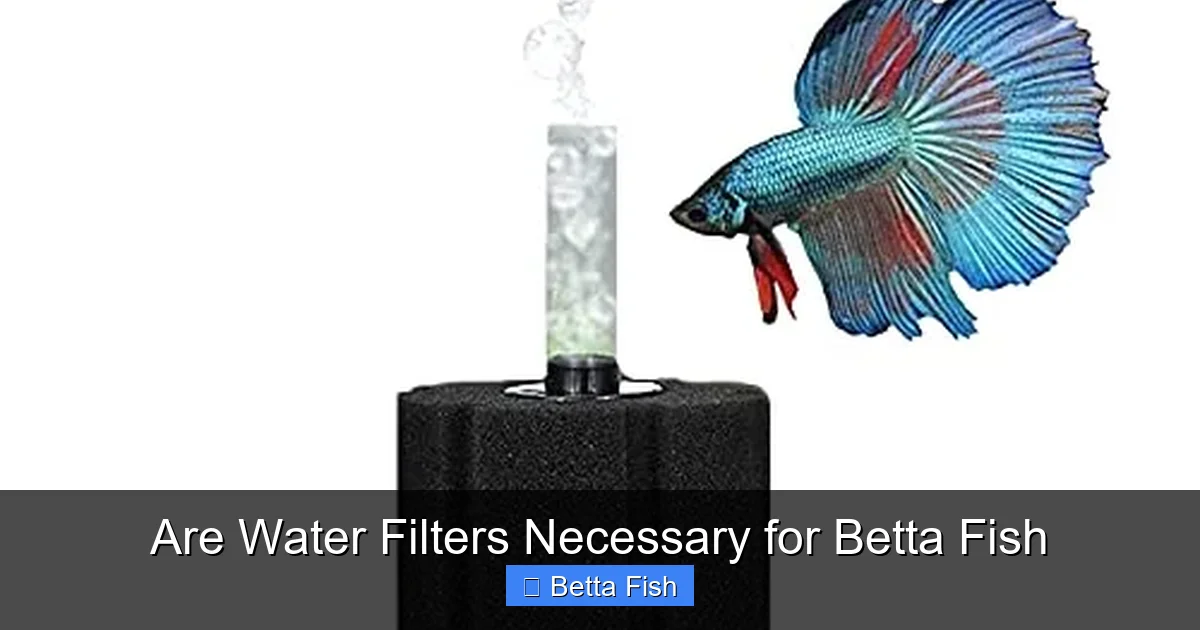
Visual guide about Are Water Filters Necessary for Betta Fish
Image source: m.media-amazon.com
Ammonia, nitrite, nitrate: the three‑step danger
When bettas excrete waste, bacteria in the tank convert ammonia → nitrite → nitrate. Ammonia and nitrite are acutely toxic; nitrate is less so but can cause chronic health issues if it builds up. A good filter speeds up this conversion and removes excess nitrate, keeping the water safe.
What the research says
Studies on small freshwater tanks show that a stable bio‑filter reduces spikes in ammonia by up to 85 %. For a betta kept in a 3‑gallon tank, this means fewer stress‑related color fades and fewer “fin rot” incidents.
2. When a Filter Is Absolutely Helpful
Tank size matters
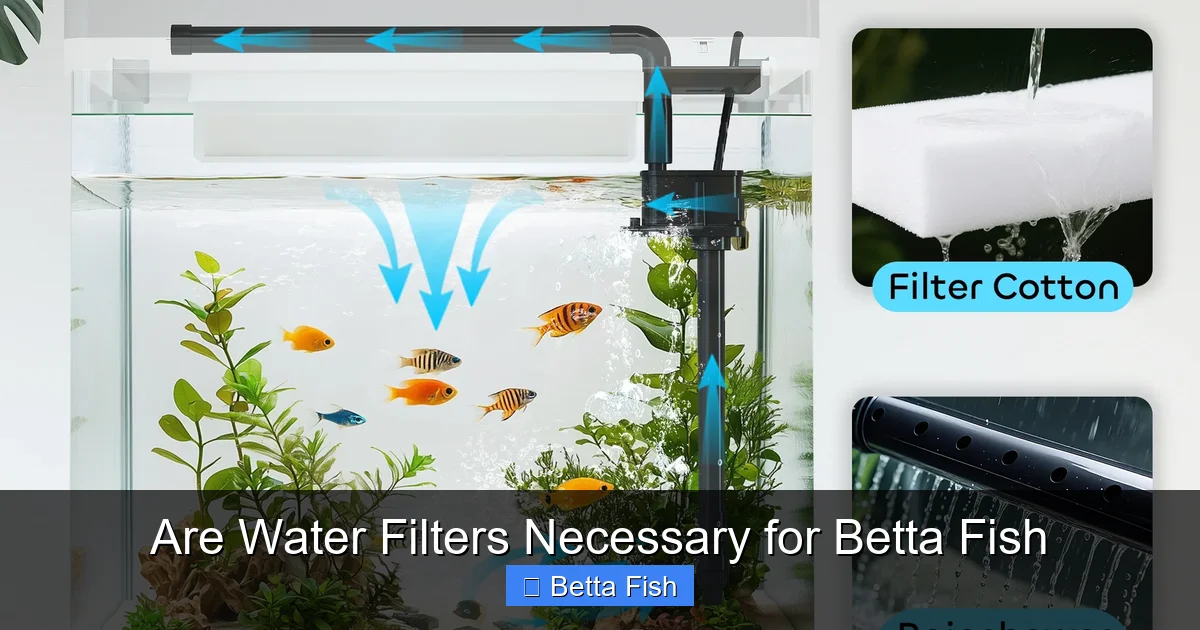
In tanks larger than 5 gallons, waste accumulates faster than a manual water change can keep up. A low‑flow filter provides continuous mechanical and biological filtration, preventing toxic build‑up.
Visual guide about Are Water Filters Necessary for Betta Fish
Image source: pawhutstore.com
Heavy feeding and active play
If you feed your betta high‑protein pellets or live foods daily, the extra waste makes a filter almost mandatory. The filter will trap uneaten food and break down the extra ammonia.
Live plants and décor
While live plants act as natural bio‑filters, they need light and CO₂ to thrive. In a dimly lit tank, a small filter can compensate for the plant’s reduced capacity.
Choosing the right filter for bettas
- Sponge filters: Provide gentle flow, excellent biological media, and can be hidden behind decorations.
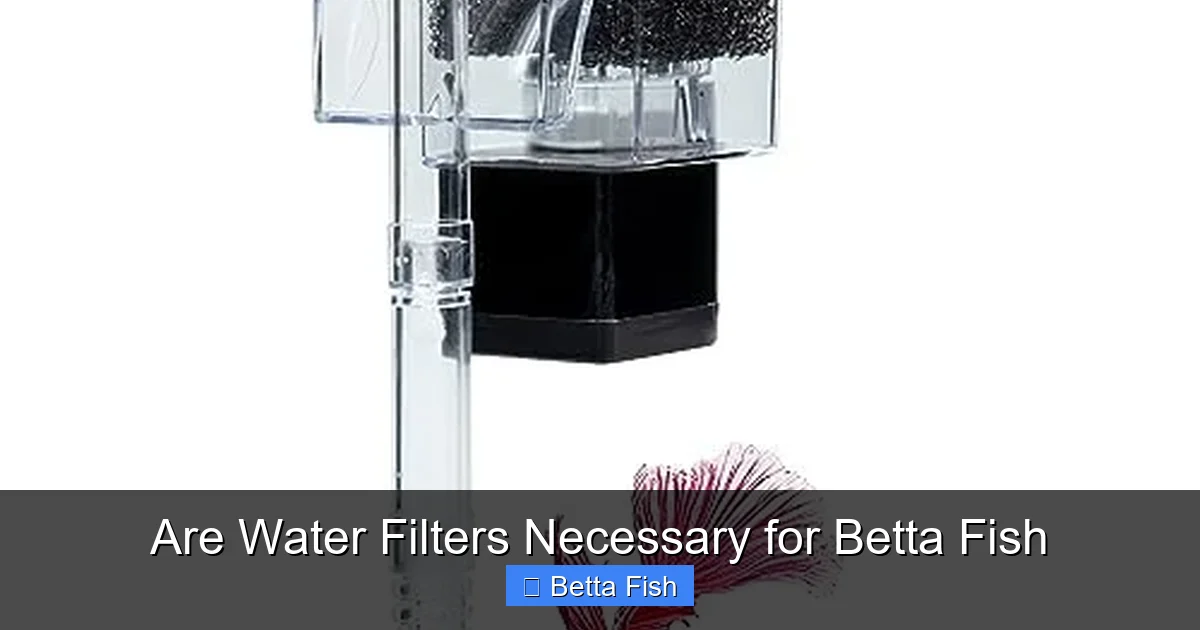
- Hang‑on‑back (HOB) filters with adjustable flow: Set to the lowest setting to avoid stressing the betta.
- Internal power filters: Small models (under 100 mL/hour) work well in 2‑5 gallon setups.
3. Can You Skip a Filter? The No‑Filter Approach
Frequent water changes
If you prefer a filter‑free tank, you must perform partial water changes at least twice a week. Change 25‑30 % of the water each time, using a water conditioner to remove chlorine and chloramines.
Visual guide about Are Water Filters Necessary for Betta Fish
Image source: m.media-amazon.com
Conditioning and dechlorination
Tap water contains chlorine, chloramine, and sometimes heavy metals. Use a water conditioner (How To Condition Tap Water For Betta Fish) every time you add new water. This step is crucial whether you have a filter or not.
Using live plants as natural filters
Fast‑growing species like Java moss, Anubias, and Amazon sword absorb nitrates and provide hiding spots. Pair them with a substrate that encourages beneficial bacteria, and you’ll have a mini‑ecosystem that reduces the need for a mechanical filter.
Monitoring water parameters
Invest in a liquid test kit for ammonia, nitrite, and nitrate. Test weekly; if any level spikes, increase the frequency of water changes immediately. Consistent testing is the safety net for a filter‑free setup.
4. Balancing Flow: Why Too Much Current Is Bad for Bettas
Betta temperament
Bettas are territorial and enjoy calm waters where they can display their fins fully. Strong currents can cause fatigue, stress, and even damage delicate fins.
Adjusting flow without losing filtration
- Use a filter with an adjustable flow dial and set it to “low” or “gentle.”
- Place a pre‑filter sponge or a piece of foam at the outlet to diffuse the stream.
- Position the filter intake near the water surface, away from the betta’s favorite resting spot.
DIY flow reducer
Cut a piece of fine mesh or a coffee filter and attach it to the filter’s outflow tube with a zip tie. This simple trick cuts the water speed by up to 60 % while still allowing filtration.
5. Practical Tips for Setting Up the Ideal Betta Habitat
Step‑by‑step filter installation
- Rinse the filter media in dechlorinated water—never in tap water.
- Place the filter in the tank, ensuring the intake tube is not directly aimed at the betta.
- Fill the tank slowly to avoid air bubbles clogging the filter.
- Turn the filter on, set to low flow, and observe for 24 hours.
- Check that the water surface remains calm and that the betta can rest without being pushed.
Water change routine
Even with a filter, a weekly 20 % water change helps remove dissolved organics. Use a gravel vacuum to stir the substrate lightly, releasing trapped waste for the filter to process.
Choosing the right water
Betta fish thrive in soft, slightly acidic water (pH 6.5‑7.0). If you use tap water, first test for hardness and pH, then adjust with a water conditioner or a small amount of reverse osmosis (RO) water. For more details, see What Water To Use For Betta Fish.
Temperature control
Maintain a stable temperature between 76‑82 °F (24‑28 °C). Fluctuations stress bettas and can compromise their immune system. A reliable heater with a thermostat is a must‑have. Learn more about ideal temperatures at What Temperature Should Water Be For Betta Fish.
Live plant selection
Plants not only filter water but also provide enrichment. Good choices include Java fern, Cryptocoryne, and Marimo moss balls. For a full list, check Which Live Plants Are Good For Betta Fish.
6. Cost, Convenience, and Personal Preference
Financial considerations
A basic sponge filter costs $5‑$10 and lasts years with proper cleaning. In contrast, performing weekly 30 % water changes can increase your water bill and time spent.
Time investment
If you have a busy schedule, a low‑maintenance filter can free up hours each week. However, if you enjoy the ritual of water changes, a filter‑free tank can be just as rewarding.
Final decision matrix
| Scenario | Recommended Setup |
|---|---|
| 2‑gal bowl, occasional caretaker | No filter, 2‑3 weekly water changes, live plants |
| 5‑gal tank, regular feeding | Low‑flow sponge filter + weekly 20 % water change |
| 10+ gal community tank | HOB or canister filter with adjustable flow, bi‑weekly water changes |
Conclusion: Are Water Filters Necessary for Betta Fish?
The short answer is: they are not strictly mandatory, but they are highly beneficial for most hobbyists. A well‑chosen, low‑flow filter simplifies water maintenance, stabilizes water parameters, and creates a healthier environment for your betta. If you prefer a minimalist setup, you can succeed with diligent water changes, proper conditioning, and live plants, but you must stay on top of testing and cleaning.
Ultimately, the decision rests on your tank size, how much time you can devote to maintenance, and your personal comfort level. Whichever path you choose, remember that consistent monitoring and love are the true keys to a happy betta.
Frequently Asked Questions
Do bettas need a filter if I change the water weekly?
Weekly 20‑30 % water changes can keep a small, well‑conditioned tank healthy, but a filter still helps remove invisible waste and reduces the frequency of changes.
Can a filter harm a betta’s delicate fins?
Only if the flow is too strong. Use a low‑flow sponge or add a diffuser to protect the fins.
What type of filter is best for a 3‑gallon betta tank?
A small sponge filter with an air pump is ideal because it provides gentle biological filtration without creating a strong current.
How often should I clean the filter?
Rinse the filter media in tank water (not tap water) every 2‑4 weeks, or whenever the flow slows noticeably.
Are live plants enough to replace a filter?
Live plants significantly improve water quality, but they work best when combined with regular water changes and proper lighting.
Will a filter affect the temperature of the water?
Most small filters have minimal impact on temperature. However, if the room is cool, a heater should still be used to maintain a stable range.