Are Betta Fish Wild

Yes, betta fish are wild animals that originate from the shallow waters of Southeast Asia. Understanding their natural habitat, behavior, and origins helps every betta keeper provide better care and appreciate these stunning fish even more.
Have you ever looked at your betta fish and wondered where it really comes from? Maybe you have thought about whether your colorful pet is truly wild or if humans created it from scratch. The answer might surprise you. Are betta fish wild? Yes, absolutely. Betta fish are wild creatures that have been domesticated over many generations, but their roots trace back to the shallow, warm waters of Southeast Asia.
These fish are far more fascinating than most people realize. In the wild, bettas live in rice paddies, slow-moving streams, and even temporary puddles during the monsoon season. They have survived in some of the most challenging water conditions on the planet. Understanding their wild origins gives you a deeper appreciation for these beautiful fish and helps you take better care of them at home.
In this guide, we will explore everything about betta fish in the wild. We will cover where they live, how they behave, what they eat, and why their wild cousins look so different from the pets in our tanks. Whether you are a beginner or a seasoned betta keeper, this article will give you valuable insights you can actually use.
Key Takeaways
- Betta fish are genuinely wild: They come from the shallow streams, rice paddies, and marshes of Southeast Asia.
- Wild bettas look different: Their colors and fins are more muted compared to the bred varieties we see in pet stores.
- They can survive in tough conditions: Wild bettas thrive in warm, slow-moving waters with low oxygen levels.
- Habitat loss is a real threat: Wild betta populations face dangers from pollution and urban development.
- You should never release pet bettas into the wild: Releasing domestic bettas can harm local ecosystems and the fish themselves.
- Understanding their wild origins improves care: Mimicking natural conditions helps your pet betta live a healthier, happier life.
📑 Table of Contents
Where Do Wild Betta Fish Come From?
The story of betta fish begins in the warm, tropical regions of Southeast Asia. Countries like Thailand, Cambodia, Vietnam, and Malaysia are home to wild betta populations. These fish have lived in these areas for thousands of years, long before anyone thought to bring them into our homes.
The Natural Habitats of Wild Bettas
Wild bettas are not found in deep rivers or fast-moving currents. They prefer shallow, still, or slow-moving bodies of water. Here are the places where you will find them living naturally:
- Rice paddies: Flooded rice fields provide perfect conditions for bettas. The warm, shallow water is rich in insects and small organisms that bettas eat.
- Slow-moving streams: Streams with gentle currents give bettas plenty of hiding spots among rocks, leaves, and submerged vegetation.
- Marshes and swamps: These areas have warm, stagnant water with lots of plant life. Bettas thrive here because they can breathe air directly from the surface.
- Temporary puddles: During the rainy season, bettas can even survive in small puddles that form overnight. This is one of the reasons they are so resilient.
If you want to learn more about the specific locations where these fish live, check out where wild betta fish are found. The geography is fascinating and helps explain why bettas evolved the way they did.
How Wild Betta Fish Look Different
One of the biggest surprises for new betta owners is learning that wild bettas look very different from the fish sold in pet stores. Wild bettas have shorter fins and duller colors. Their bodies are typically a muted green, brown, or gray. This coloring helps them blend into their surroundings and avoid predators.
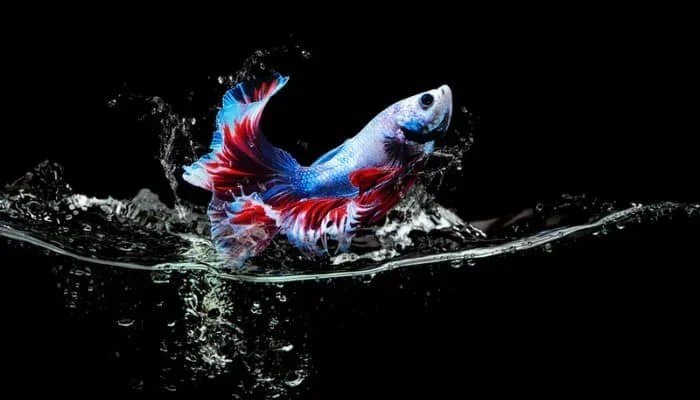
The bright blues, reds, and purples that we associate with bettas are the result of selective breeding over many decades. Breeders chose fish with the most vibrant colors and the longest fins to pass on to the next generation. So when you look at your pet betta, you are looking at a domesticated version of a wild animal.
Can Betta Fish Survive in the Wild?
This is one of the most common questions people ask. The short answer is yes, betta fish can survive in the wild. In fact, they have been doing it for thousands of years. But the full answer is more complicated than that.
Why Wild Betta Fish Are So Resilient
Betta fish have a special organ called the labyrinth organ. This amazing adaptation allows them to breathe air directly from the surface of the water. In the wild, this means they can survive in water with very low oxygen levels. Most other fish would not last a day in these conditions.
Here is what makes wild bettas so tough:
- Air breathing: They can gulp air from the surface, which lets them survive in stagnant water.
- Warm water tolerance: They thrive in temperatures between 75 and 80 degrees Fahrenheit.
- Low oxygen survival: Their labyrinth organ compensates for oxygen-poor environments.
- Adaptability: They can adjust to changing water conditions during the wet and dry seasons.
However, this does not mean that every pet betta can be released into a local pond and survive. Domestic bettas have been bred in controlled conditions for generations. They may lack the survival instincts of their wild cousins. If you are considering releasing a betta, please read this important guide first: can you release betta fish into the wild.
The Real Threats to Wild Betta Populations
While bettas are resilient, their wild populations are not doing great. Habitat destruction is the biggest threat. Rice paddies are being replaced by urban development. Pollution from agriculture and industry is contaminating their water. Climate change is also altering the weather patterns that create the seasonal habitats bettas depend on.
Some wild betta species are now considered endangered. The loss of natural habitats means fewer places for these fish to live and breed. Conservation efforts are underway in some regions, but much more work is needed to protect these remarkable creatures.
To understand the full picture of their conservation status, you can explore whether wild betta fish are endangered and what is being done to help them.
Wild Betta Fish Behavior and Social Life
Understanding how bettas behave in the wild gives you a much better picture of what they need in captivity. Their natural behavior is shaped by their environment, and replicating some of those conditions at home can make your betta much happier.
Territorial Behavior in the Wild
Betta fish are famous for their aggression, and this trait serves a very real purpose in the wild. Male bettas are highly territorial. They claim a small area of the water and defend it fiercely against other males. This is why two male bettas should never be kept in the same tank.
In their natural habitat, bettas establish territories among dense vegetation. The plants provide cover and reduce the need for constant fighting. When a rival male enters the territory, the betta will flare its gills, spread its fins, and display bright colors to intimidate the intruder. Physical fights are a last resort.
Bubble Nesting: A Wild Behavior
If you have ever seen your betta building a bubble nest, you have witnessed a behavior directly tied to their wild instincts. In the wild, male bettas build bubble nests on the surface of the water. These nests protect the eggs and newly hatched fry until they are big enough to swim on their own.
Bubble nesting is a sign that your betta feels safe and comfortable. It is also a sign of a healthy male. The nest-building behavior is triggered by the right water conditions and the presence of a female. Even in a tank without a female, a happy betta may build nests just because it is in its nature.
Curious about what bubble nests really mean? Find out more in our guide on do betta fish bubble nests mean they are happy.
Diet in the Wild
Wild bettas are carnivorous. They eat a diet rich in protein from small insects, larvae, and tiny crustaceans. In their natural habitat, they hunt at the water surface and among the plants. Their diet includes mosquito larvae, small worms, and any tiny organisms they can find.
At home, you can mimic this diet with high-quality betta pellets, frozen or live brine shrimp, and bloodworms. A varied diet keeps your betta healthy and mimics the diverse food sources they would find in the wild.
| Wild Diet | Captive Diet Equivalent | Notes |
|---|---|---|
| Mosquito larvae | Frozen or live brine shrimp | Great protein source |
| Small insects | Betta pellets | Staple food for captive bettas |
| Tiny worms | Bloodworms | Feed as a treat, not staple |
| Plankton and microorganisms | High-quality flake food | Good for variety |
Wild Betta Fish vs. Domestic Betta Fish
The differences between wild bettas and the bettas we keep as pets are striking. Selective breeding has transformed these fish in many ways. Understanding these differences helps you appreciate what makes each type special.
Physical Differences
Domestic bettas have been bred for vibrant colors, long flowing fins, and specific fin shapes like crowntail and double tail. Wild bettas, on the other hand, have short fins and dull coloring that helps them hide from predators. The contrast is dramatic when you see the two side by side.
Behavioral Differences
Wild bettas are more cautious and rely heavily on camouflage. They spend a lot of time hiding among plants and waiting for prey. Domestic bettas are often bolder because they have been raised in safe, controlled environments. They are more likely to swim openly and interact with their owners.
Health and Hardiness
Wild bettas are generally hardier than domestic ones. Generations of selective breeding have made domestic bettas more susceptible to certain health issues. Their elaborate fins can be prone to tearing and infection. Wild bettas, with their shorter fins and natural resilience, tend to be more robust.
Should You Keep Wild Betta Fish in Your Tank?
Some fish keepers are interested in adding wild-caught bettas to their aquariums. This is possible, but it comes with important considerations. Wild bettas may carry parasites or diseases that domestic fish do not. They also need specific water parameters that closely match their natural habitat.
If you are thinking about adding a wild betta to your tank, make sure you research the specific species and its needs. Not all bettas are compatible with community tanks, and wild specimens may be more aggressive than their domestic counterparts. You can learn more about this topic at can I add a wild betta in my fish tank.
Tips for Keeping Wild Bettas
- Quarantine first: Always quarantine wild-caught fish for at least two weeks to monitor for illness.
- Mimic natural water conditions: Use warm, slightly acidic water with gentle filtration.
- Provide plenty of hiding spots: Live plants, caves, and driftwood help wild bettas feel secure.
- Feed a natural diet: Offer live or frozen foods that resemble what they would eat in the wild.
- Watch for stress signs: Wild bettas may take longer to adjust to tank life and need patience.
How You Can Help Protect Wild Betta Fish
Every betta lover can play a role in protecting wild betta populations. These fish face real threats in their natural habitats, and small actions can make a big difference.
- Never release pet bettas into the wild: Domestic bettas are not equipped to survive in unfamiliar environments and can introduce diseases to wild populations.
- Support conservation efforts: Look for organizations working to protect Southeast Asian wetlands and waterways.
- Buy from responsible breeders: Avoid supporting the illegal wildlife trade or irresponsible breeding practices.
- Spread awareness: Share what you have learned about wild bettas with other fish keepers and friends.
- Reduce water waste: Conserving water helps protect the natural habitats that bettas and countless other species depend on.
Protecting wild bettas is not just about saving one species. It is about preserving entire ecosystems. The same wetlands that house wild bettas are home to thousands of other plants and animals. When we protect these habitats, we protect biodiversity as a whole.
Conclusion
The answer to the question are betta fish wild is a resounding yes. Betta fish are wild animals that have been beautifully adapted by nature to survive in some of the harshest freshwater environments on Earth. Their wild origins shape everything about them, from their labyrinth organ to their territorial behavior to their muted natural coloring.
By understanding where bettas come from and how they live in the wild, you become a more informed and compassionate keeper. You can create a home tank that honors their natural instincts and provides them with a life that is as close to the wild as possible. Whether you keep a domestic betta or dream of one day housing a wild specimen, the key is respect for the animal and its origins.
Take what you have learned from this guide and apply it. Your betta fish will thank you with vibrant colors, active behavior, and a long, healthy life. And who knows? Maybe you will become an advocate for wild betta conservation too. These remarkable fish deserve our attention and protection.
Frequently Asked Questions
Are betta fish wild animals?
Yes, betta fish are wild animals. They originate from the shallow waters of Southeast Asia, including Thailand, Cambodia, Vietnam, and Malaysia. While they have been domesticated for generations, they are still wild creatures at their core.
Can a pet betta fish survive if released into the wild?
It is very unlikely that a domestic pet betta would survive if released into the wild. They have been bred in controlled conditions and may lack the survival instincts needed. They could also introduce diseases to wild populations. Always rehome your betta responsibly rather than releasing it.
What do wild betta fish eat in their natural habitat?
Wild bettas eat a diet of small insects, mosquito larvae, tiny worms, and microorganisms found in their shallow water habitats. In captivity, you can replicate this with high-quality pellets, frozen brine shrimp, and bloodworms for a balanced diet.
Why do wild betta fish have dull colors compared to pet store bettas?
Wild bettas have dull, muted colors as a survival mechanism. Their natural coloring helps them blend into their surroundings and avoid predators. The bright, vibrant colors of pet store bettas are the result of selective breeding by humans over many years.
Are wild betta fish endangered?
Some wild betta species are facing threats from habitat loss, pollution, and climate change. While not all species are currently endangered, their wild populations are declining in many areas due to the destruction of their natural wetland habitats.
How can I tell if my betta fish has wild origins?
Wild bettas typically have shorter fins, duller coloring, and a more streamlined body shape compared to domestic breeds. If you purchased your betta from a reputable breeder or rescue, ask about its lineage. Wild-caught bettas may also be more skittish and cautious than domesticated ones.