Are Betta Fish Naturally Colorful
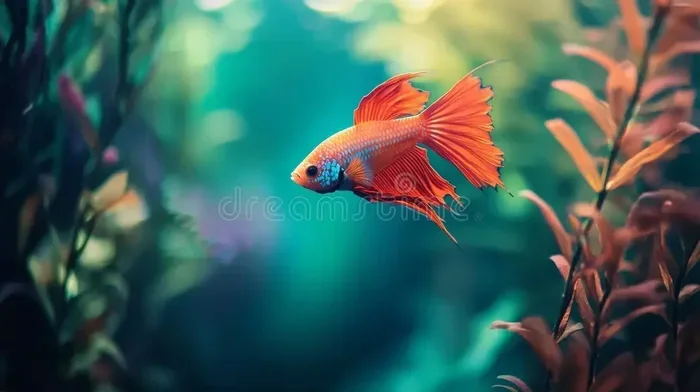
Yes, betta fish are naturally colorful, but their brilliant shades come from a mix of wild genetics and centuries of selective breeding. Wild bettas display subtle earthy tones, while domesticated bettas showcase vibrant reds, blues, and greens. Understanding what makes betta fish colorful helps you care for them better and keep their colors vivid.
Have you ever stared at a betta fish and wondered, are betta fish naturally colorful? It is a great question, and the answer might surprise you. These little fish carry some of the most stunning hues in the entire aquatic world. But not all of that brilliance comes from human intervention. In fact, betta fish have been displaying color long before anyone thought to breed them for looks.
The story of betta fish color is one of nature, genetics, and a bit of human creativity. Wild bettas live in the shallow rice paddies and streams of Southeast Asia. There, their colors help them survive. Domesticated bettas, on the other hand, have been shaped by generations of careful breeding. Both versions are colorful, but in very different ways. Let us dive into the science, the history, and the practical side of betta fish coloration.
Key Takeaways
- Betta fish are naturally colorful: Even wild bettas have pigment cells that produce color, though domesticated varieties are far more vivid.
- Genetics play a big role: Selective breeding over centuries amplified the natural color potential of betta fish.
- Diet affects color brightness: Foods rich in carotenoids and spirulina can enhance and maintain vibrant betta fish colors.
- Stress causes color fading: Poor water conditions and stress can dull your betta’s natural palette.
- Wild bettas are more subdued: Natural betta fish colors lean toward greens, browns, and muted reds for camouflage.
- Color changes are normal: Betta fish can shift colors due to age, mood, health, and environment.
📑 Table of Contents
What Makes Betta Fish Colorful
The short answer is that betta fish get their color from special cells in their skin called chromatophores. These cells contain pigments that reflect light and create the colors you see. There are several types of chromatophores, and each one produces a different color. This is true for both wild and domesticated bettas.
The Role of Chromatophores
Chromatophores are the magic behind betta fish colors. Here is how they work:
- Melanophores produce black and brown pigments. These give bettas their darker shades and patterns.
- Xanthophores create yellow and red tones. These are responsible for the warm colors many people love.
- Iridophores reflect light and produce iridescent blues and greens. These cells are what make bettas shimmer.
- Leucophores reflect white light and add a pearly or white base to the fish’s appearance.
All of these cells work together to create the complex color patterns you see on a healthy betta. The density, distribution, and activity of these cells are largely determined by genetics. This is why some bettas are naturally more colorful than others, even within the same litter.
Why Are Betta Fish So Colorful in Captivity
If you have ever visited a pet store and seen a betta in brilliant red or electric blue, you might wonder why wild bettas look so different. The answer lies in selective breeding. People have been choosing the most colorful bettas to breed for hundreds of years. Over generations, this has amplified the natural color potential of the species.
In the wild, bright colors can actually be a disadvantage. Bold reds and blues make a fish stand out to predators. That is why wild bettas tend to have more muted, earthy tones. Their colors help them blend into the murky waters and vegetation where they live. Captive breeding removed the pressure of survival and let color shine.
So when you ask, are betta fish naturally colorful, the answer is yes. But domesticated bettas are the result of both nature and human selection working together over centuries.
The Natural Colors of Wild Betta Fish
Wild betta fish are often overlooked when people talk about color. Most people picture the bright blue or red bettas sold in pet stores. But wild bettas have their own kind of beauty. Their colors are more subtle, but they serve an important purpose.
Common Wild Betta Colors
Wild bettas typically display a mix of the following natural tones:
- Dark greens and browns: These help the fish blend into the dense vegetation of their natural habitat.
- Muted reds and oranges: Often visible on the fins and edges of the body, but not as intense as domestic varieties.
- Subtle iridescent sheens: Wild bettas can show a faint blue or green shimmer, especially when light hits their scales at certain angles.
- Stripes and spots: Many wild bettas have patterns that break up their outline and help them hide from predators.
These colors are not less impressive than what you see in a pet store. They are perfectly adapted to the wild betta’s environment. In fact, if you want to see what bettas looked like before selective breeding, learning about where bettas are found naturally gives you great context.
How Habitat Affects Natural Color
The environment a betta lives in plays a role in how colorful it appears. Shallow, warm waters with lots of plant life filter the light. This changes how colors are perceived. A betta that looks dull in a bright aquarium might appear more vibrant in its natural setting. The water clarity, the substrate, and the surrounding vegetation all influence color perception.
This is one reason why betta fish can appear to change color intensity depending on their surroundings. Their chromatophores respond to light and stress levels, which are shaped by the environment.
Do All Betta Fish Have the Same Colors
Not all bettas look the same. In fact, there is a wide variety of color types and patterns found in both wild and domestic populations. Some colors are more common, while others are rare and highly sought after.
Common Betta Color Types
Here are some of the most well-known color types you will find in betta fish:
- Solid colors: These bettas are one uniform color all over. Red, blue, green, and white are common solid colors.
- Bi-color: These fish have two distinct colors, usually with a lighter body and darker fins.
- Marble patterns: Marble bettas have a swirled mix of colors that can change over time. This pattern is caused by a specific genetic trait.
- Koi patterns: Similar to marble, koi bettas display patches of red, white, and orange that resemble the famous Japanese carp.
- Multicolor: These fish show three or more colors in complex patterns across their body and fins.
Each of these color types exists because of natural genetic variation. Breeders then select for the patterns and combinations they find most appealing. But the raw material for all of these colors is already present in the betta genome.
Are Female Betta Fish Colorful
A common question is whether female bettas are as colorful as males. The answer is yes, but usually less so. Male bettas have been selectively bred for brighter colors and longer fins. Females tend to be smaller and more subdued in color. However, some female bettas can be quite vibrant, especially when they are ready to breed.
If you are curious about how color differs between the sexes, this guide on female betta colors goes into more detail.
Can Betta Fish Lose Their Color
Yes, betta fish can lose color, and it is more common than many people think. Color fading is usually a sign that something in the fish’s environment or health needs attention. The good news is that you can often restore their vibrancy with the right care.
Common Causes of Color Fading
Here are the most common reasons a betta might lose its bright colors:
- Poor water quality: Dirty water with high ammonia or nitrite levels stresses your fish and dulls their colors. Regular water changes and proper filtration are essential.
- Stress: Betta fish are sensitive to their surroundings. Loud noises, aggressive tank mates, and bright flashing lights can all cause stress-related color loss.
- Illness: Diseases like ich or fin rot can cause a betta to look pale or washed out. Watch for other symptoms like clamped fins or loss of appetite.
- Old age: As bettas age, their colors naturally fade a bit. This is a normal part of their life cycle.
- Lack of proper nutrition: A diet without the right nutrients can lead to dull colors over time.
How to Keep Your Betta’s Colors Vibrant
Keeping your betta colorful is not hard. It comes down to a few simple practices:
- Maintain clean water with regular partial water changes.
- Feed a varied diet that includes high-quality pellets, frozen or live foods, and foods rich in carotenoids like brine shrimp.
- Keep the tank at a stable temperature between 76 and 82 degrees Fahrenheit.
- Provide gentle lighting that highlights the fish’s natural colors without causing stress.
- Avoid housing your betta with aggressive or flashy tank mates that might cause constant stress.
If you want to learn more about what keeps bettas healthy and colorful, check out our guide on whether water filters are necessary for betta fish. Clean water is the foundation of vibrant color.
Do Betta Fish Change Color Over Time
Yes, betta fish can and do change color throughout their lives. This is one of the most fascinating aspects of betta biology. A color change does not always mean something is wrong. Sometimes it is completely natural.
Natural Color Changes
Some bettas naturally shift color as they grow. A young betta might be mostly pale with a few spots. As it matures, those spots expand and the colors deepen. This is especially common in marble bettas, whose patterns can change almost weekly.
Another natural color change happens with mood. A betta that feels threatened might darken or pale up depending on the situation. This is a normal stress response and usually passes quickly once the threat is gone.
When Color Changes Signal a Problem
Not all color changes are harmless. A sudden, dramatic shift in color can indicate illness or poor water conditions. If your betta turns pale, develops white patches, or loses color rapidly, it is time to check the water parameters and look for other signs of disease.
For more on this topic, our article on whether betta fish get more colorful explores the timeline of color development in detail.
Quick Tips for Enhancing Your Betta’s Natural Color
Want to bring out the best in your betta’s natural palette? Here are some practical tips you can start today:
- Feed color-enhancing foods: Look for foods that contain spirulina, carotenoids, and astaxanthin. These nutrients support vibrant pigment production.
- Use a dark substrate: A darker gravel or sand background makes your betta’s colors pop by providing contrast.
- Keep the tank clean: Regular maintenance prevents stress and keeps colors bright.
- Add gentle plants: Live plants like java moss or anubias create a natural environment that helps bettas feel secure and show their true colors.
- Avoid overcrowding: A single betta in a properly sized tank will be less stressed and more colorful than one in a crowded community tank.
These small changes can make a big difference in how your betta looks and feels. Remember, a healthy betta is a colorful betta.
Common Mistakes That Dull Betta Colors
Many betta owners accidentally dull their fish’s colors without realizing it. Here are the most common mistakes to avoid:
- Overfeeding: Too much food pollutes the water and causes health issues that lead to color fading.
- Using harsh lighting: Bright, direct lights can stress bettas and wash out their natural colors. Use soft, indirect lighting instead.
- Ignoring water changes: Even with a filter, regular water changes are needed to remove toxins that dull color.
- Keeping bettas in tiny bowls: Small volumes of water fluctuate in temperature and chemistry quickly, which stresses fish and fades their palette.
- Feeding only flakes: A diet of only flake food lacks the nutrients needed for optimal color. Supplement with varied foods.
Avoiding these mistakes gives your betta the best chance to display its full natural color potential.
Final Thoughts
So, are betta fish naturally colorful? The answer is a clear yes. From the wild rice paddies of Thailand to the aquariums in our homes, betta fish carry a remarkable palette of colors. Wild bettas use subtle tones for survival, while domesticated bettas have been bred to display the full spectrum of the rainbow. Both are beautiful in their own way.
Understanding where betta colors come from helps you care for them better. Genetics, diet, water quality, and environment all play a role in how vibrant your fish looks. By providing clean water, proper nutrition, and a stress-free home, you help your betta show off its natural beauty every single day.
The next time you watch your betta swim, take a moment to appreciate the science behind those stunning colors. Every shimmer, every hue, and every pattern tells a story of evolution, genetics, and the careful work of breeders who have cherished these fish for generations.
Frequently Asked Questions
Are betta fish naturally colorful or are they dyed?
Betta fish are naturally colorful. Their vivid hues come from pigment cells in their skin called chromatophores. While some people may dye fish, reputable breeders and pet stores sell bettas with natural colors that come from genetics and selective breeding.
Why are my betta fish losing color?
Color loss in bettas is often caused by stress, poor water quality, illness, or aging. Check your water parameters, reduce stressors, and ensure your fish is eating a varied diet. If the color loss is sudden, test the water and look for signs of disease.
Can wild betta fish be as colorful as pet store bettas?
Wild bettas are colorful, but their colors are more subdued compared to domesticated varieties. Wild bettas have evolved muted tones for camouflage in their natural habitat. Pet store bettas have been selectively bred over generations for brighter, more vivid colors.
What is the most naturally colorful betta fish type?
Wild bettas in their natural habitat display a range of colors, but the most vibrant domesticated types include marble, koi, and solid red or blue bettas. These color patterns are the result of natural genetic traits amplified through selective breeding.
Does diet affect betta fish color?
Yes, diet plays a significant role in betta coloration. Foods rich in carotenoids, spirulina, and astaxanthin help enhance and maintain bright colors. A varied diet with high-quality pellets, frozen foods, and color-enhancing supplements keeps your betta looking its best.
Do betta fish change color as they age?
Yes, bettas can change color as they age. Young bettas often develop more vivid colors as they mature. Some color changes are gradual and natural, while sudden shifts may indicate stress or illness. Marble bettas are especially known for changing patterns throughout their lives.