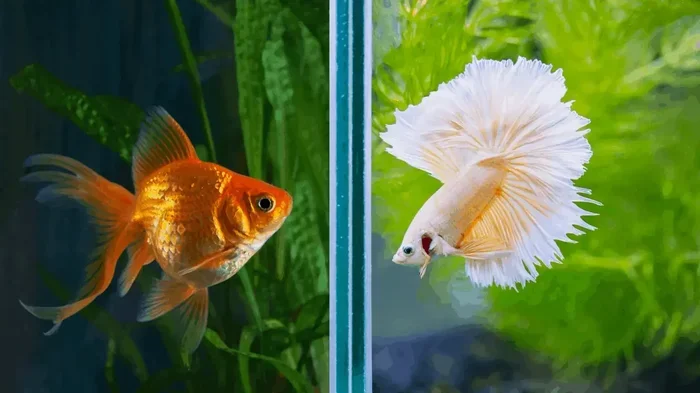
Are Bettas Aggressive to Other Fish

Are bettas aggressive to other fish? The answer depends on several key factors, including gender, tank setup, and individual personality. Male bettas tend to be more territorial, but betta fish behavior varies widely. With the right betta tank mates and a well-planned aquarium, most bettas can live peacefully alongside other species.
So, are bettas aggressive to other fish? This is one of the most common questions new fish owners ask. The short answer is: it depends. Bettas are often called “fighting fish” for a reason, but that doesn’t mean every betta will attack every other fish in the tank.
In fact, many betta owners successfully keep their fish in community tanks with peaceful species. The key is understanding betta fish behavior, knowing what triggers aggression, and picking the right tank setup. This guide covers everything you need to know about betta aggression, from personality traits to the best tank mates you can choose.
Whether you already have a betta or are planning to add one to a shared aquarium, this article will help you make smart decisions. Let’s dive in and explore the fascinating world of betta social behavior.
Key Takeaways
- Male bettas are naturally more aggressive due to their territorial instincts, especially toward fish with bright colors or long fins.
- Female bettas are generally less aggressive and can often coexist with other fish in a community tank.
- Tank size and setup play a huge role in reducing betta aggression and stress.
- Choosing the right tank mates is essential for a peaceful aquarium environment.
- Slow introductions and plenty of hiding spots help minimize conflict between bettas and other fish.
- Each betta has a unique personality, so individual behavior can surprise even experienced fish keepers.
📑 Table of Contents
Understanding Betta Fish Behavior
To answer the question “are bettas aggressive to other fish?” you first need to understand where this aggression comes from. Bettas belong to a group of fish called gouramis, and they have natural instincts shaped by their environment in Southeast Asia.
In the wild, bettas live in shallow rice paddies, slow-moving streams, and flood plains. These environments are crowded, and resources like food and shelter are limited. Over time, bettas developed strong territorial instincts to protect their space and survive.
Why Are Bettas Called Fighting Fish?
The name “fighting fish” comes from the male betta’s tendency to fight other males. In their natural habitat, male bettas defend territories from rival males. This behavior is deeply ingrained and hardwired into their DNA.
When two male bettas are placed in the same tank, they will often flare their gills, spread their fins, and attack each other. This can lead to serious injury or even death. That’s why experienced fish keepers never house two male bettas together.
However, this territorial behavior doesn’t automatically mean bettas will attack every other fish species. Bettas can distinguish between a rival betta and a completely different fish. Many peaceful species go completely unnoticed by a betta, especially if they don’t resemble a betta or invade their territory.
Male vs Female Betta Temperament
Male bettas are the more colorful and flashy of the two sexes, but they are also more prone to aggression. A male betta will often claim a spot in the tank and defend it fiercely. He may chase other fish that swim too close to his chosen area.
Female bettas, on the other hand, tend to be less territorial. While females can still show some aggression, they are generally more tolerant of other fish. Many owners successfully keep groups of female bettas together in what’s called a “sorority” setup.
If you’re wondering whether female bettas are less aggressive than males, the answer is usually yes. But individual personality still plays a big role. Some female bettas are just as feisty as any male, while some males are surprisingly laid-back.
Signs of Aggression in Bettas
Knowing the signs of betta aggression helps you intervene before any harm happens. Bettas communicate their feelings through body language, and once you learn to read it, you can manage their behavior much better.
Common Aggression Triggers
Several things can set off aggressive behavior in a betta fish:
- Bright colors or long fins: Fish that look similar to a betta may trigger territorial responses. This is why bright, long-finned fish like guppies or angelfish are sometimes risky tank mates.
- Crowded spaces: A small tank with too many fish increases stress and territorial disputes.
- Lack of hiding spots: Without places to retreat, fish feel trapped and more likely to fight.
- Mirror exposure: Some owners use mirrors to make their bettas “flare,” but this causes chronic stress and should be avoided.
- Feeding competition: When food is scarce, bettas become more defensive and aggressive around mealtime.
How to Spot Aggressive Behavior
Watch for these clear signs that your betta is feeling aggressive:
- Flaring: The betta spreads its gills and fins wide to look bigger and more threatening.
- Chasing: The betta actively swims after other fish in the tank.
- Nipping: The betta bites the fins or tails of other fish.
- Color darkening: A stressed or aggressive betta may become noticeably darker in color.
- Locking jaws: Two fish face each other and clamp their mouths open, which often precedes a physical fight.
If you notice any of these signs, it’s important to take action quickly. Sometimes simply rearranging the tank decor or adding more plants can reduce tension.
Best Tank Mates for Bettas
Choosing the right betta tank mates makes all the difference. Not every fish species is a good match for a betta, and picking the wrong one can lead to constant stress or injury.
When asking “are bettas aggressive to other fish?” the real question is: which fish can coexist peacefully with a betta? The answer lies in selecting species that share similar water conditions and don’t trigger territorial instincts.
Fish That Work Well With Bettas
Here are some excellent companions for a betta fish:
- Corydoras catfish: These small bottom-dwellers stay out of the betta’s way and help clean the tank.
- Neon tetras: Peaceful and fast-moving, tetras rarely provoke a betta’s aggression.
- Kuhli loaches: These quirky, eel-like fish are shy and keep to themselves.
- Snails (like mystery snails): Snails are peaceful and rarely bother a betta. They also help control algae.
- Ghost shrimp: Inexpensive and unobtrusive, ghost shrimp make great betta companions.
- Harlequin rasboras: These peaceful schooling fish add movement without triggering aggression.
For more detailed guidance on pairing bettas with other species, check out this article on whether bettas can live with other types of fish. It covers compatibility in depth.
Fish to Avoid With Bettas
On the other hand, some fish are likely to cause problems:
- Other male bettas: Never house two males together. It’s a recipe for disaster.
- Bright, long-finned fish: Fish like male guppies or angelfish can trigger a betta’s territorial instincts because they look like rival bettas.
- Fin-nipping species: Fish like tiger barbs may nip at a betta’s long fins, causing stress and injury.
- Very active, fast-swimming fish: Fish that constantly dart around can stress out a more laid-back betta.
Tips for Keeping Bettas With Other Fish
If you want to keep your betta in a community tank, the setup and introduction process matter a lot. A well-planned aquarium reduces aggression and keeps all fish healthy and happy.
Tank Size and Setup Matters
A larger tank gives every fish more space to claim its own territory. This is one of the most effective ways to reduce betta aggression. Here are some setup tips:
- Minimum tank size: Go for at least 10 gallons for a betta community tank. Larger is always better.
- Add plenty of plants: Live or silk plants create natural barriers and hiding spots that break up lines of sight between fish.
- Use caves and decorations: Each fish should have places to retreat and claim as their own.
- Maintain water quality: Clean water reduces stress, which directly reduces aggression.
Introduction Techniques That Work
How you introduce new fish to a betta tank can make or break the experience. Follow these steps for a smooth transition:
- Set up the tank first: Make sure all decorations, plants, and hiding spots are in place before adding any fish.
- Introduce the betta last: Add the other fish first so the betta doesn’t feel like its territory is being invaded.
- Use a divider initially: A clear divider lets the fish see each other without physical contact. Remove it after a few days if no aggression occurs.
- Feed before introductions: A well-fed betta is less likely to be aggressive toward new tank mates.
For a deeper look at whether bettas and other fish can coexist, this guide on whether you’re supposed to put betta fish with other fish offers great advice for beginners and experienced keepers alike.
Common Mistakes People Make
Even well-meaning fish owners make mistakes that lead to aggression or injury. Here are the most common ones to avoid:
- Underestimating tank size: A tiny bowl or tank is the fastest route to stressed, aggressive bettas. Every fish needs room to swim.
- Ignoring water parameters: Poor water quality causes stress, and stressed bettas become aggressive bettas. Test your water regularly.
- Overcrowding the tank: Too many fish in one space leads to competition and conflict. Stick to appropriate stocking levels.
- Mixing incompatible species: Just because a fish is peaceful on its own doesn’t mean it’s a good match for a betta.
- Skipping observation: Watch your fish daily. Catching early signs of stress or aggression lets you fix problems before they escalate.
Many owners also wonder about feeding. If you’re curious about whether betta food is safe for other fish, check out this article on whether betta food can be fed to other fish for helpful tips.
Final Thoughts on Betta Aggression
So, are bettas aggressive to other fish? The honest answer is that it varies from fish to fish. Most bettas have the potential for aggression, especially males, but that doesn’t mean they can’t live peacefully with other species. With the right tank setup, compatible tank mates, and a little patience, you can create a harmonious aquarium where your betta thrives alongside other fish.
Remember that every betta has its own unique personality. Some are calm and curious, while others are bold and defensive. Learning your individual fish’s behavior is the best way to build a successful community tank. Start small, observe closely, and adjust as needed. A little planning goes a long way toward a happy, healthy aquarium for everyone.
If you’re considering adding a betta to a community tank or already have one and want tips on compatible companions, understanding betta behavior is your first and most important step. Take the time to set up the right environment, choose thoughtful tank mates, and enjoy the rewarding experience of keeping these beautiful, fascinating fish.
Frequently Asked Questions
Are all bettas aggressive toward other fish?
No, not all bettas are aggressive. While male bettas tend to be more territorial, many individual bettas are peaceful and can live with other fish without any issues. Personality varies from fish to fish.
Can I keep a betta with goldfish?
It’s generally not recommended. Goldfish need cooler water temperatures than bettas, and their size and activity level can stress bettas out. They also have different care requirements that make them poor tank mates.
Do female bettas fight with each other?
Female bettas can fight, but they are usually less aggressive than males. A carefully set up sorority tank with plenty of hiding spots and space can help reduce conflict between female bettas.
What should I do if my betta is attacking other fish?
If your betta is actively attacking tank mates, separate them immediately. Reassess your tank setup, add more hiding spots, and consider whether the tank is too small or the tank mates are incompatible.
How big should my tank be for a betta community?
A minimum of 10 gallons is recommended for a betta community tank. Larger tanks provide more space and reduce territorial disputes, making it easier for all fish to coexist peacefully.
Can bettas live with shrimp or snails?
Yes, bettas often do well with snails and shrimp. These creatures stay out of the betta’s way and are unlikely to trigger territorial behavior. Ghost shrimp and mystery snails are popular, safe choices.