Do Betta Fish Grow to the Size of Their Tank
So, do betta fish grow to the size of their tank? The short answer is no, but tank size still plays a huge role in their health and growth. A betta fish will grow to its genetic potential, but a cramped tank can stunt development and cause serious health problems. In this guide, we break down exactly how tank size affects your betta and what you can do to help your fish thrive.
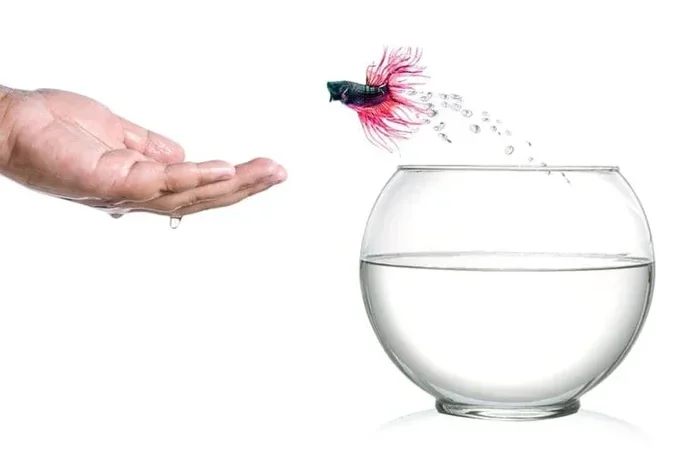
You may have heard the old myth that betta fish grow to the size of their tank. Maybe a friend told you that keeping your betta in a tiny bowl will keep it small. Maybe you saw a betta in a small vase at a pet store and thought it looked fine. The truth is, this idea is one of the most common misconceptions in the fish-keeping world. Let’s set the record straight and talk about what really happens when tank size comes into play.
So, do betta fish grow to the size of their tank? Not exactly. A betta fish has a genetic blueprint that determines its maximum size. But here is the catch: tank size still matters a lot. A cramped environment can prevent your fish from reaching its full potential. It can also lead to stress, disease, and a shorter lifespan. Understanding how this works will help you give your betta the best life possible.
Key Takeaways
- Betta fish do not grow to the size of their tank: Their growth is determined by genetics, not tank size.
- Small tanks can stunt growth: Poor water quality in tiny tanks affects health and development.
- A 5-gallon tank is the minimum: Most experts recommend at least 5 gallons for a single betta fish.
- Larger tanks improve overall well-being: More space means better water conditions and less stress.
- Tank setup matters just as much as size: Heater, filter, and decorations all play a role in healthy growth.
- Feeding and care impact growth rate: Proper diet and maintenance help your betta reach its full size potential.
📑 Table of Contents
The Truth About Betta Fish Growth
Let us start with the basics. Betta fish, also known as Siamese fighting fish, are small tropical fish native to Southeast Asia. In the wild, they live in rice paddies, flood plains, and slow-moving streams. Their growth is controlled by DNA, just like every other living creature. A healthy betta fish will typically grow to about 2 to 3 inches in length. Some can reach up to 3.5 inches under ideal conditions.
Now, you might wonder, does tank size affect growth rate? The answer is yes, but not in the way most people think. A betta fish kept in a tiny bowl or a very small tank will not shrink to fit the space. However, poor conditions caused by a small tank can slow down growth and lead to health issues. Think of it this way: a small tank does not make a fish smaller, but it can make a fish sicker.
What Determines Betta Fish Size?
Several factors determine how big your betta fish will get. Genetics play the biggest role. The parents’ size and lineage set the foundation for how large your fish can become. But other factors matter too:
- Diet quality: A nutritious, varied diet supports healthy growth.
- Water conditions: Clean, well-maintained water helps your fish thrive.
- Tank size: A properly sized tank promotes overall health and development.
- Stress levels: A calm environment allows your betta to grow without unnecessary setbacks.
- Age: Betta fish grow the most in their first few months of life.
When you combine all of these factors, you give your betta the best chance to reach its full size. And that starts with understanding the role tank size plays.
How Tank Size Affects Betta Fish Growth
Here is where things get interesting. Tank size does not directly control how big your betta fish will get. But it has a huge impact on the environment your fish lives in. And that environment directly affects growth and health.
In a small tank, waste builds up quickly. Ammonia and nitrite levels can spike fast, especially in tanks under 3 gallons. These toxins stress your fish and can damage their organs over time. A stressed betta fish will not grow as well as a healthy one. It might eat less, swim less, and show signs of illness more often.
On the other hand, a properly sized tank gives you more room to maintain stable water conditions. This means your betta fish can focus its energy on growing and staying active, rather than just surviving. If you want to learn more about the recommended tank size, check out this guide on A Recommended Size Of A Betta Fish Tank.
The Role of Water Quality
Water quality is the hidden link between tank size and betta fish growth. In a small tank, every drop of water is affected by waste faster. Even with regular water changes, it is hard to keep parameters stable in a tiny container. A larger tank dilutes waste more effectively and gives you a bigger buffer against sudden changes.
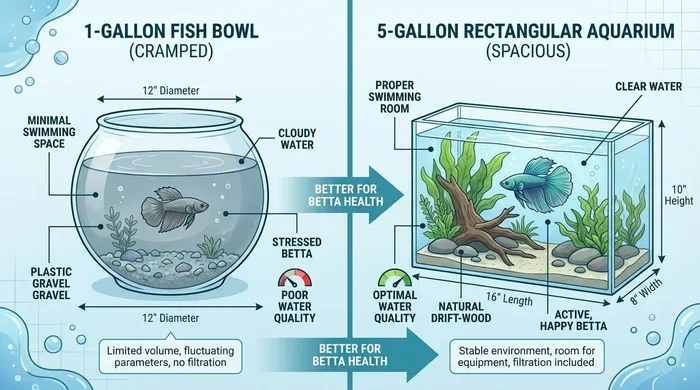
Here is a simple comparison to show the difference:
- 1-gallon bowl: Water quality changes rapidly. Requires frequent maintenance. High stress risk for your betta.
- 5-gallon tank: Much easier to maintain stable conditions. A good baseline for a single betta fish.
- 10-gallon tank or larger: Provides excellent stability. Allows for more room to add plants and decorations safely.
As you can see, bigger is almost always better when it comes to water stability. And stable water means a healthier, happier betta fish that can grow without unnecessary obstacles.
What Happens When Betta Fish Live in Small Tanks
Let us talk about what actually happens when a betta fish lives in a tank that is too small. This is important because many people still keep their bettas in bowls or tiny containers without realizing the consequences.
First, small tanks lead to poor water quality. Ammonia, nitrite, and nitrate levels fluctuate wildly. These chemicals are toxic to fish, even in small amounts. Over time, your betta may develop fin rot, ich, or other common diseases. Its colors may fade, and its fins may stop growing properly.
Second, stress takes a toll. A betta fish in a cramped space has nowhere to swim or explore. Bettas are curious creatures. They like to move around, investigate their surroundings, and establish a little territory. Without enough space, they become bored and anxious. Chronic stress weakens the immune system and makes your fish more vulnerable to illness.
Third, a small tank limits the equipment you can use. You cannot fit a proper heater or filter in a 1-gallon bowl easily. And both of these are essential for betta fish health. Without a heater, temperature swings can shock your fish. Without a filter, you have to change the water much more often to keep things clean. For more on why filtration matters, read Do Betta Fish Have To Be In A Filtered Tank.
Signs Your Betta Fish Tank Is Too Small
How do you know if your betta’s tank is too small? Watch for these warning signs:
- Faded colors: A stressed betta often loses its vibrant colors.
- Lethargy: Your fish stays at the bottom or hides more than usual.
- Frayed fins: Poor water quality can cause fins to deteriorate.
- Frequent illness: Repeated infections or disease outbreaks signal chronic stress.
- Clamped fins: This is a classic sign of discomfort or illness in betta fish.
- Loss of appetite: A stressed fish may stop eating or eat very little.
If you notice any of these signs, it is time to evaluate your tank setup. Upgrading to a larger tank can make a dramatic difference in your betta’s quality of life.
The Ideal Tank Size for Betta Fish
So what is the right tank size for a betta fish? The minimum recommendation from most experts is 5 gallons. But bigger is always better. A 5-gallon tank gives your betta enough room to swim and explore while making water maintenance much easier.
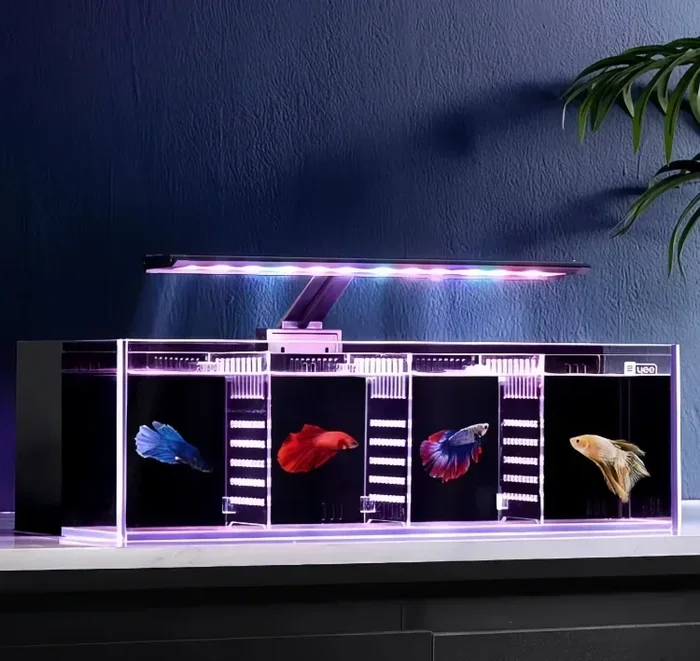
If you are just starting out, a 5-gallon tank is the sweet spot. It is large enough to support stable water parameters and small enough to fit on a desk or shelf. For those who want to go bigger, a 10-gallon tank offers even more stability and room for live plants and gentle decorations.
Here is a quick breakdown of tank sizes and what they offer:
- 1-3 gallons: Not recommended for long-term betta care. Very hard to maintain water quality.
- 5 gallons: The minimum recommended size. Good for a single betta fish with basic equipment.
- 10 gallons: Ideal for a single betta. Allows for a heater, filter, plants, and some open swimming space.
- 20 gallons or more: Excellent for a betta with a community of peaceful tank mates or a heavily planted setup.
Remember, the goal is not to make your betta fish grow bigger. The goal is to provide an environment where it can be healthy, active, and comfortable. If you are unsure about the right size for your setup, this article on What Size Tank To Betta Fish Need breaks it down in detail.
How to Promote Healthy Growth in Your Betta Fish
Now that you understand the role tank size plays, let us talk about how to actively support your betta fish’s growth and well-being. A good tank is just the starting point. There are several other things you can do to help your fish thrive.
Feed a High-Quality Diet
What your betta eats directly affects its growth and overall health. In the wild, bettas are carnivores. They eat insects, larvae, and small crustaceans. In captivity, you should replicate this diet as closely as possible.
- Betta pellets: Choose high-quality pellets with a protein content of at least 30%.
- Frozen or live food: Brine shrimp, bloodworms, and daphnia make excellent supplements.
- Feed in moderation: Give small amounts 2 to 3 times a day. Overfeeding leads to bloating and poor water quality.
A balanced diet gives your betta the nutrients it needs to grow strong and maintain vibrant colors. For more tips on enhancing your betta’s appearance, check out How To Enhance The Color Of Betta Fish.
Maintain Consistent Water Parameters
Stable water conditions are essential for healthy betta fish growth. Here are the ideal parameters:
- Temperature: 78-80°F (25-27°C). A heater is a must.
- pH: 6.5-7.5. Aim for consistency rather than perfection.
- Ammonia and nitrite: 0 ppm. These should always be absent in a cycled tank.
- Nitrate: Below 20 ppm. Regular water changes keep nitrate in check.
Use a liquid test kit to monitor your water regularly. Test kits are inexpensive and give you much more accurate results than test strips. Consistent water changes of 25-30% per week will keep your tank fresh and your betta healthy.
Add Plants and Enrichment
Betta fish love places to hide and explore. Live plants provide natural hiding spots and help keep the water clean. Silk or live plants are great choices because they do not tear delicate betta fins. You can also add caves, driftwood, or gentle decorations to create a stimulating environment.
Enrichment matters more than most people realize. A betta fish with things to explore will be more active and less stressed. Active fish tend to eat better and grow more consistently. For ideas on tank setup, this article on Do Betta Fish Have Things Inside Their Tank offers great inspiration.
Common Myths About Betta Fish and Tank Size
There are a lot of myths floating around about betta fish and tank size. Let us bust the most common ones so you can separate fact from fiction.
Myth 1: Betta fish will only grow as big as their tank. This is simply not true. A betta fish kept in a 1-gallon bowl will still grow to its genetic size of 2-3 inches. It may not reach that size if the conditions are poor, but that is because of stress and illness, not because it is “adapting” to the tank.
Myth 2: Bettas are fine in tiny bowls because they live in small puddles in the wild. While bettas do live in shallow waters, those waters are part of large, warm, slow-moving bodies of water. A tiny bowl does not replicate that environment at all. The water quality in a bowl deteriorates fast and offers nothing close to what a betta needs.
Myth 3: You do not need a filter in a small tank. Even in a small tank, a gentle filter helps maintain water quality. Bettas prefer calm water, so a sponge filter is a great option. It provides mechanical and biological filtration without creating too much flow.
Understanding these myths helps you make better decisions for your fish. Knowledge is the most powerful tool you have as a betta fish owner.
Final Thoughts
So, do betta fish grow to the size of their tank? No, but the size of their tank absolutely affects how well they grow and how healthy they stay. A betta fish has a natural size it will reach based on its genetics. Your job is to give it the best possible environment to get there.
Provide a tank of at least 5 gallons, maintain clean water, feed a quality diet, and keep stress levels low. These simple steps go a long way in helping your betta live a long, happy, and healthy life. Your fish may not grow to fill its tank, but it will certainly thrive in one that is properly sized and well-maintained.
Take what you have learned here and put it into action. Your betta fish will thank you with vibrant colors, active swimming, and a long, joyful life by your side.
Frequently Asked Questions
Do betta fish actually grow to the size of their tank?
No, betta fish do not grow to the size of their tank. Their size is determined by genetics. However, poor conditions in a small tank can prevent a betta from reaching its full growth potential due to stress and health issues.
What is the minimum tank size for a betta fish?
The minimum recommended tank size for a betta fish is 5 gallons. This size allows for stable water conditions and enough space for your fish to swim comfortably. Smaller tanks are much harder to maintain and can lead to health problems.
Can a betta fish live in a 1-gallon bowl?
A betta fish can survive in a 1-gallon bowl, but it is not ideal. Such a small volume makes it very difficult to maintain clean water, and the fish is more likely to experience stress, illness, and stunted development over time.
How big do betta fish get in a 5-gallon tank?
In a properly maintained 5-gallon tank, a betta fish will typically reach its full size of 2 to 3 inches. The tank size supports good water quality, which allows the fish to grow at a healthy rate and stay active.
Does a bigger tank make a betta fish grow faster?
A bigger tank does not directly make a betta fish grow faster, but it does create a healthier environment. Stable water quality and less stress allow your betta to focus its energy on growth and overall well-being, which can support reaching its full genetic size.
What happens if a betta fish lives in a tank that is too small?
If a betta fish lives in a tank that is too small, it may experience stress, faded colors, fin damage, and frequent illness. Poor water quality in a cramped space can also slow growth and shorten the fish’s lifespan significantly.