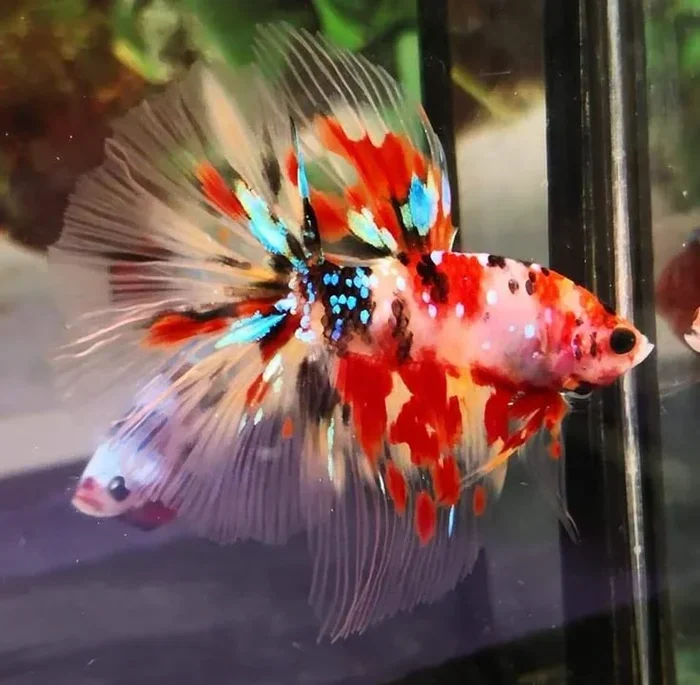
Can You Revive a Betta Fish and Bring It Back to Life
Can you revive a betta fish? It’s a common worry for fish owners. This guide explains the signs of a dying betta, the steps you can take to help, and when to seek professional advice.
Seeing your betta fish float listlessly at the bottom of the tank can be alarming. Many owners ask themselves, can you revive a betta fish once it looks dead or dying? The answer is not always simple, but with prompt action and proper care, you may be able to bring your fish back to health.
In this guide we’ll walk through the warning signs, immediate steps, home remedies, and when to call a professional. By following these tips, you’ll give your betta the best chance of recovery.
Key Takeaways
- Early detection: Watch for changes in behavior, appetite, and appearance.
- Water quality: Test for ammonia, nitrite, and pH; poor water is a common cause.
- Temperature stability: Keep the tank between 75‑80°F (24‑27°C).
- Oxygen boost: Add an air stone or increase surface agitation.
- Safe treatments: Use aquarium salt or medication as directed.
- Veterinary help: Seek a vet if symptoms persist after home care.
📑 Table of Contents
Can You Revive a Betta Fish? Signs and First Aid
Common Symptoms to Watch For
Before you try to help, you need to know what a sick betta looks like. Here are the most frequent signs:
- Lethargy – the fish stays at the bottom or floats on its side.
- Loss of appetite – it ignores food or spits it out.
- Discolored fins – fins may appear ragged, white, or frayed.
- White spots – small white points on the body or fins can indicate ich.
- Rapid breathing – gills move faster than normal, sometimes with gasping at the surface.
If you suspect your betta is dead, you can learn more about Can You Revive A Dead Betta Fish to understand the possibilities.
When to Act Quickly
If your betta shows several of these signs at once, treat it as an emergency. A healthy betta is active, eats eagerly, and has clear fins. When those traits disappear, it’s time to intervene.
Quick Tip
Keep a notebook of your betta’s behavior daily. Noting small changes like reduced swimming speed or altered feeding times can help you catch problems early.
Immediate Steps to Stabilize Your Betta
Test Water Quality
Poor water is the number one cause of betta illness. Ammonia, nitrite, and high pH can damage gills and weaken the immune system. Use a liquid test kit to check these levels.
For a deeper dive into safe water options, check our article on Can You Use Tap Water In A Betta Fish Tank. It explains how to treat tap water and keep it safe for your fish.
Ideally, ammonia and nitrite should be at 0 ppm, and pH should stay between 6.5 and 7.5. If any of these numbers are off, perform a partial water change with dechlorinated water.
Adjust Temperature
Bettas thrive in a narrow temperature range. A tank that is too cold slows their metabolism, making them more vulnerable to disease. Keep the water between 75°F and 80°F (24°C‑27°C).
You can use a small heater with a thermostat. Avoid sudden temperature swings; change the water gradually to prevent shock.
Increase Oxygen
Low oxygen forces your betta to breathe faster, which can stress an already weak fish. Add an air stone, increase the filter’s output, or gently stir the water surface.
A simple way to boost oxygen is to let the filter create bubbles. Just make sure the flow is not too strong; bettas prefer gentle movement.
Common Mistake
Overcleaning the filter can crash the nitrogen cycle. Never replace all filter media at once; rinse it gently in tank water to preserve beneficial bacteria.
Home Treatments and Remedies
Aquarium Salt Baths
A short salt bath can help with mild external infections. Mix one teaspoon of aquarium salt per gallon of water, and soak the betta for 5‑10 minutes.
Never use table salt; it contains additives that can harm fish. Always dissolve the salt completely before adding it to the tank.
Medications
Over‑the‑counter treatments for ich, fin rot, or fungal infections are available. Follow the label instructions exactly, and remove any chemical filtration media while medicating.
Common active ingredients include malachite green, formalin, and methylene blue. These can be effective, but they also require careful dosing.
Herbal Options
Some hobbyists use Indian almond leaves or alder cones. These release tannins that have mild antibacterial properties and can lower pH slightly.
While not a replacement for medication, they can create a more natural environment that supports healing.
Comparison of Common Rescue Methods
| Method | Pros | Cons | When to Use |
|---|---|---|---|
| Salt Bath | Easy to perform, low cost | Can irritate sensitive fish if overused | Mild external parasites |
| Medication | Targets specific pathogens | Requires accurate dosing, can affect beneficial bacteria | Confirmed infections like ich or fin rot |
| Herbal Additives | Improves water quality, gentle | Less potent, may not cure severe issues | Supportive care, mild cases |
Expert Insight
Aquarium veterinarian Dr. Lisa Nguyen recommends performing a bacterial culture when a fish shows persistent ulcers. This helps identify the exact pathogen and choose the most effective antibiotic.
When to Seek Veterinary Help
Signs You Need a Vet
Not every betta problem can be solved at home. Contact an exotic vet if you notice:
- Loss of balance or inability to swim upright.
- Open sores or ulcers on the body.
- White, cottony growths that spread despite treatment.
- Extreme weight loss or sunken belly.
For detailed steps on saving a betta from dying, see our guide Can You Save A Betta Fish From Dying. A vet can perform a skin scrape, prescribe antibiotics, or recommend advanced treatments that are not available over the counter.
Preventing Future Health Issues
Proper Tank Setup
Start with a tank of at least 5 gallons. Bettas need space to swim, and larger tanks are more stable in terms of water chemistry.
Include a filter with a gentle flow, a heater, and hiding places such as plants or caves. Avoid sharp decorations that could tear fins.
Routine Maintenance
Perform weekly water changes of 25‑30% using a gravel vacuum. Test water parameters regularly and keep a log. Clean the filter media as needed, but never replace all of it at once, as this can disrupt the beneficial bacteria.
Feed a high‑quality pellet or flake food, and avoid overfeeding. A varied diet with occasional frozen or live foods can boost immunity.
Quick Tip
When adding new water, always use a water conditioner that neutralizes chlorine and chloramine. This simple step prevents gill irritation and keeps your betta safe.
Conclusion
Seeing a betta in distress is scary, but knowing can you revive a betta fish and acting quickly can make all the difference. By spotting early signs, maintaining clean water, and applying appropriate treatments, you give your fish the best chance to recover.
Remember, prevention is always easier than cure. Keep your tank clean, monitor your betta’s behavior, and don’t hesitate to seek professional help when needed. With consistent care, your betta can live a long, healthy life.
Frequently Asked Questions
What are the first signs that a betta fish is dying?
Early signs include lethargy, loss of appetite, clamped fins, and rapid breathing. The fish may stay at the bottom or float on its side, and its colors may appear dull.
Can I use aquarium salt directly in the tank?
You can add aquarium salt directly, but it must be dissolved first and used at the recommended dose. Too much salt can harm beneficial bacteria and stress the fish.
How often should I change the water in a betta tank?
A weekly change of 25‑30% is ideal. This removes waste and keeps ammonia and nitrite levels low, which is crucial for a recovering betta.
What temperature should I keep for a sick betta?
Keep the water between 75°F and 80°F (24°C‑27°C). A stable temperature helps the fish’s immune system function properly.
Is it safe to use tap water without treatment?
Tap water often contains chlorine or chloramine, which can damage gills. Always use a water conditioner or let the water sit for 24 hours before adding it to the tank.
When should I take my betta to a vet?
Take your betta to an exotic vet if you notice open sores, persistent white growths, extreme weight loss, or if home treatments have no effect after a few days.