Can You Keep Other Fish With Betta Fish Safely
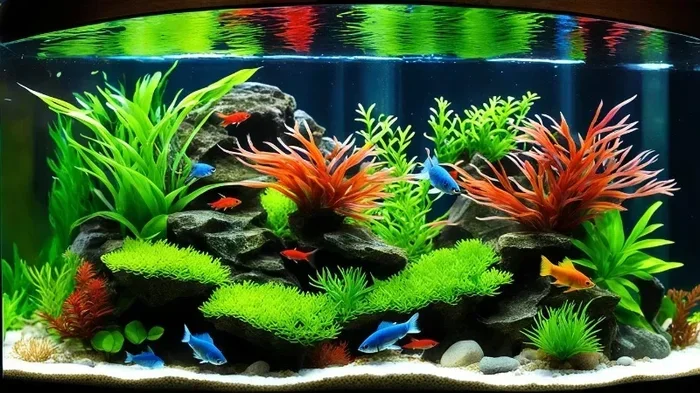
Many fish lovers ask: can you keep other fish with betta fish safely? The answer depends on your betta’s personality, tank size, and the species you choose. With the right betta tank mates and setup, you can create a beautiful community aquarium that keeps everyone happy and healthy.
Key Takeaways
- Not all bettas are the same: Some bettas are peaceful, while others are highly territorial. Always assess your betta’s behavior before adding tank mates.
- Tank size matters: A larger tank (at least 20 gallons) makes it much easier to keep compatible species with your betta.
- Choose peaceful community fish: Species like neon tetras, corydoras, and snails can coexist well with bettas when introduced properly.
- Avoid fin nippers and bright-colored fish: These can trigger betta aggression or cause injury to your betta’s delicate fins.
- Provide hiding spots: Plants, caves, and decorations break line of sight and reduce territorial behavior.
- Monitor closely after introductions: Watch for signs of stress or fighting during the first few days and be ready to separate fish if needed.
📑 Table of Contents
- Can You Keep Other Fish With Betta Fish Safely?
- Understanding Betta Behavior
- Best Tank Mates for Betta Fish
- Fish to Avoid With Betta Fish
- Setting Up the Perfect Tank for Betta and Tank Mates
- Comparison: Compatible vs Incompatible Tank Mates
- How to Introduce New Fish to Your Betta
- Common Mistakes When Keeping Betta With Other Fish
- Expert Insights on Betta Community Tanks
- Conclusion
Can You Keep Other Fish With Betta Fish Safely?
The short answer is yes, you can keep other fish with betta fish — but it’s not always simple. Bettas are known for their stunning colors and flowing fins, but they also have a reputation for being feisty. Whether your betta will welcome new roommates depends on several factors, including temperament, tank setup, and the species you choose.
In this guide, we’ll walk you through everything you need to know about betta compatibility with other fish species. You’ll learn which community fish work well, which ones to avoid, and how to set up your freshwater aquarium for success. Let’s dive in.
Understanding Betta Behavior
Before adding any betta tank mates, you need to understand how bettas behave in the wild and in captivity. Betta fish (Betta splendens) are territorial fish by nature. In the wild, they defend small patches of water filled with plants and hiding spots. This instinct carries over into home aquariums.
Why Are Bettas Aggressive?
Betta aggression is mostly driven by territory and breeding instincts. Male bettas, in particular, are famous for flaring at anything that enters their space. Their aggressive temperament is why they earned the nickname “Siamese fighting fish.”
But here’s the good news. Not every betta is the same. Some are calm and tolerant, while others are instantly hostile. Betta behavior varies from fish to fish. A few key factors influence this:
- Gender: Males are far more territorial than females.
- Individual personality: Some bettas are naturally chill.
- Tank size: Small tanks amplify aggression because there’s nowhere to escape.
- Past experiences: A betta that was bullied before may be more defensive.
Female Bettas and Community Life
Female bettas tend to be more social than males. They can sometimes live in small groups called sororities. However, even females can show betta aggression if the setup isn’t right. If you’re wondering can you put other fish with a female betta, the answer is often yes — with careful planning.
For more details on male betta compatibility, check out this helpful resource on keeping other fish with a male betta.
Best Tank Mates for Betta Fish
Choosing the right compatible species is the most important step. You want fish that won’t provoke your betta or get hurt by it. Here are some of the best betta tank mates that work well in a community aquarium.
Neon Tetras
Neon tetras are small, fast, and colorful. They stay in the upper levels of the tank, which reduces contact with your betta. They’re one of the most popular choices for a freshwater aquarium with bettas. Their small size and quick movements usually keep them safe. For a deeper look, see our guide on bettas and neon tetras.
Corydoras Catfish
Corydoras are bottom-dwellers that keep to themselves. They eat leftover food and help keep the tank clean. Since they stay near the substrate, they rarely interact with your betta. This makes them excellent peaceful fish companions.
Snails
Snails are some of the easiest tank mates for bettas. They move slowly, stay quiet, and don’t bother anyone. Mystery snails and nerite snails are great choices. They also help control algae in your betta habitat.
Ghost Shrimp
Ghost shrimp are transparent and stay small. They’re great cleaners and usually avoid conflict. However, some bettas may see them as food. Always watch their interactions closely.
Plants as Tank Mates
Adding live plants is one of the best ways to make a community fish setup work. Plants provide hiding spots, reduce stress, and break line of sight between aggressive fish. For tips on the best plants, check out our article on putting plants in with betta fish.
Fish to Avoid With Betta Fish
Just as some fish work well with bettas, others are a disaster waiting to happen. Knowing which fish species to avoid is just as important as knowing which ones to add.
Fin Nippers
Fish like tiger barbs and serpae tetras are notorious fin nippers. They will attack your betta’s long, flowing fins. A betta with damaged fins is stressed, vulnerable to infection, and miserable. Always avoid any aggressive temperament species near your betta.
Bright-Colored or Long-Finned Fish
Male guppies and fancy gouramis can look similar to bettas. Your betta might see them as rivals and attack. Betta compatibility drops sharply with these flashy species. If you’re curious about gouramis specifically, read our guide on bettas and gouramis.
Other Male Bettas
This one’s obvious. Two male bettas in the same tank will almost always fight. They may even kill each other. If you’re wondering can you put two male betta fish together, the answer is a firm no in nearly all cases.
Setting Up the Perfect Tank for Betta and Tank Mates
Even with the right compatible species, a poor setup can lead to disaster. Your aquarium setup plays a huge role in whether your betta and community fish will get along.
Tank Size
A bigger tank is always better when mixing bettas with other fish. A 5-gallon tank is the minimum for a single betta. But if you want betta tank mates, aim for at least 20 gallons. More space means more territory for everyone and less territorial behavior.
Hiding Spots and Decorations
Your tank needs plenty of hiding places. Plants, caves, driftwood, and rocks all help. These break the line of sight and give shy fish a place to retreat. A well-decorated tank mimics a natural betta habitat and reduces stress for everyone.
Water Conditions
Bettas thrive in warm water between 76°F and 82°F (24°C–28°C). Most community fish prefer similar conditions. Always check the water conditions requirements of any new fish before adding them. Keeping parameters stable is key to betta fish care.
Comparison: Compatible vs Incompatible Tank Mates
Here’s a quick comparison to help you choose the right betta compatibility partners:
| Feature | Compatible Tank Mates | Incompatible Tank Mates |
|---|---|---|
| Temperament | Peaceful, non-aggressive | Aggressive, territorial, fin-nipping |
| Swimming Level | Top or bottom dwellers | Mid-level competitors |
| Appearance | Dull or different colors | Bright colors, long fins |
| Size | Small or medium | Too large or too small (food-sized) |
| Speed | Fast or slow | Slow and easy targets |
| Tank Size Needed | 20+ gallons | Small tanks (5 gallons or less) |
How to Introduce New Fish to Your Betta
Introducing new fish the wrong way can trigger betta aggression instantly. Follow these steps for a smooth transition.
Step 1: Quarantine First
Keep new fish in a separate tank for at least two weeks. This prevents disease from spreading to your freshwater aquarium. It also lets you observe their behavior before risking a meeting with your betta.
Step 2: Rearrange the Tank
Before adding a new fish, rearrange decorations and plants. This breaks up established territories and makes your betta less likely to defend a specific spot. It gives everyone a fresh start.
Step 3: Use a Breeder Box or Divider
Place the new fish in a clear breeder box inside the tank. Let your betta see and get used to the newcomer without physical contact. This works well for betta fish care and reduces shock for both sides.
Step 4: Watch Closely
Once you release the new fish, watch the tank for at least an hour. Look for signs of betta aggression like flaring, chasing, or nipping. Also watch the newcomer for stress signals like hiding constantly or losing color.
Step 5: Have a Backup Plan
Always be ready to separate fish if things go wrong. Keep a spare tank or divider on hand. Sometimes, despite your best efforts, certain fish simply aren’t compatible species for each other.
Quick Tips for a Successful Community Betta Tank
- Start with a large tank. 20 gallons or more gives everyone room.
- Add plants first. Let the tank settle before adding fish.
- Choose slow-moving bottom dwellers. Corydoras and snails are great starters.
- Feed everyone at the same time. This prevents food-based competition.
- Watch for fin damage. Torn fins mean it’s time to separate.
- Keep water warm and clean. Stable water conditions reduce stress.
- Don’t overcrowd. More fish doesn’t mean more fun — it means more problems.
Common Mistakes When Keeping Betta With Other Fish
Even experienced hobbyists make mistakes. Here are the most common ones to avoid.
Putting a Betta in a Tiny Tank
A small tank is the number one cause of betta aggression. When there’s nowhere to hide, your betta sees every fish as a threat. Always give your betta enough space.
Ignoring Signs of Stress
If your betta is hiding, clamped fins, or refusing food, something is wrong. Don’t ignore these signals. Stress leads to illness and can make your betta lash out at community fish.
Adding Too Many Fish at Once
Introduce one new fish at a time. Adding multiple fish overwhelms your betta and makes it harder to identify the problem if fighting breaks out. Take it slow and steady for the best betta compatibility.
Expert Insights on Betta Community Tanks
Experienced aquarists agree that betta fish can live with others — but success depends on preparation. Dr. Linda Johnson, a fish behavior specialist, notes: “The biggest mistake people make is assuming all bettas have the same personality. Each fish is an individual. Patience and observation are your best tools.”
Another pro tip from aquaculture guides: always consider the feeding habits of all species. Bettas are slow eaters. Fast-moving community fish may steal their food. Make sure your betta gets enough to eat by using targeted feeding techniques like feeding pellets near the betta’s favorite spot.
Conclusion
So, can you keep other fish with betta fish safely? Absolutely — with the right approach. Choose compatible species, set up a spacious freshwater aquarium, and introduce new friends slowly. Pay attention to betta behavior and be ready to act if things go sideways.
Remember, every betta is different. What works for one may not work for another. Use the tips in this guide, stay patient, and you’ll have a thriving community aquarium that everyone — including your betta — will enjoy. Happy fishkeeping!
Frequently Asked Questions
Can I keep a betta fish alone?
Yes, bettas can live alone and often thrive as solo fish. In fact, many experts recommend keeping male bettas by themselves since they are highly territorial fish. A solo betta in a well-decorated tank with plants and hiding spots can be very happy and healthy.
What are the best peaceful fish for a betta tank?
The best peaceful fish for a betta include neon tetras, corydoras catfish, mystery snails, and ghost shrimp. These compatible species tend to mind their own business and don’t provoke betta aggression. Always introduce them gradually and watch their interactions.
Can betta fish live with guppies?
It’s risky. Male guppies have bright colors and long fins that can trigger betta aggression. Female bettas may sometimes coexist with female guppies, but it depends on individual temperament. For more details, see our article on female bettas and guppies.
How big should my tank be to keep betta with other fish?
You should use at least a 20-gallon tank when keeping a betta with community fish. A larger tank reduces territorial behavior and gives all fish enough space. Small tanks under 10 gallons make it very difficult to maintain stable water conditions and separate territories.
Will my betta attack other fish in the tank?
Possibly. Betta fish are naturally aggressive temperament creatures, especially males. They may chase, flare, or nip at other fish. Choosing the right betta tank mates and providing plenty of hiding spots greatly reduces the chance of attacks.
What should I do if my betta fights with a tank mate?
Separate the fish immediately. Use a divider or move one fish to a different tank. Watch for fin damage and treat any injuries with clean water and mild salt. Reassess betta compatibility before trying to reintroduce them, and consider keeping them separately if fighting continues.