A Recommended Size of a Betta Fish Tank

Choosing the right tank size is the single most important decision for a thriving betta. A minimum of 5 gallons is ideal, but many factors—like décor, filtration, and your fish’s personality—also play a role. Read on for a friendly guide that makes sizing your betta’s home easy and stress‑free.
Key Takeaways
- Minimum volume: Aim for at least 5 gallons (≈19 liters) to give your betta room to explore.
- Surface area matters: A wider tank reduces water tension and provides more surface for oxygen exchange.
- Filtration is optional but helpful: A gentle filter improves water quality without stressing the fish.
- Decor should be betta‑friendly: Use smooth plants, caves, and low‑flow currents.
- Temperature stability: Larger water volumes keep temperature steady, reducing stress.
- Future upgrades: Choose a tank that can accommodate more than one betta or other peaceful species if you ever want to expand.
- Regular maintenance: Even the perfect size needs weekly water changes and occasional cleaning.
📑 Table of Contents
Why Tank Size Is the Foundation of Betta Care
When you first see a betta fish, its bright colors and flowing fins make it look like a tiny, low‑maintenance pet. Many beginners think a tiny bowl or a 1‑gallon “betta cup” will do the trick. The truth is, a cramped environment can cause stress, disease, and a shortened lifespan.
Think of your betta like a small cat. A cat can survive in a closet for a day, but it will thrive in a roomy house with places to explore. The same principle applies underwater. A larger tank provides stable water parameters, more oxygen at the surface, and space for natural behaviors like bubble‑nest building.
What “recommended size” Really Means
The phrase recommended size of a betta fish tank isn’t a random number; it’s a guideline based on research, hobbyist experience, and the biology of the species. Betta splendens are native to shallow, slow‑moving waters in Southeast Asia, where they can claim a modest territory. In captivity, giving them at least 5 gallons mimics that natural setting while keeping water conditions easier to manage.
How Big Should the Tank Be? The 5‑Gallon Benchmark
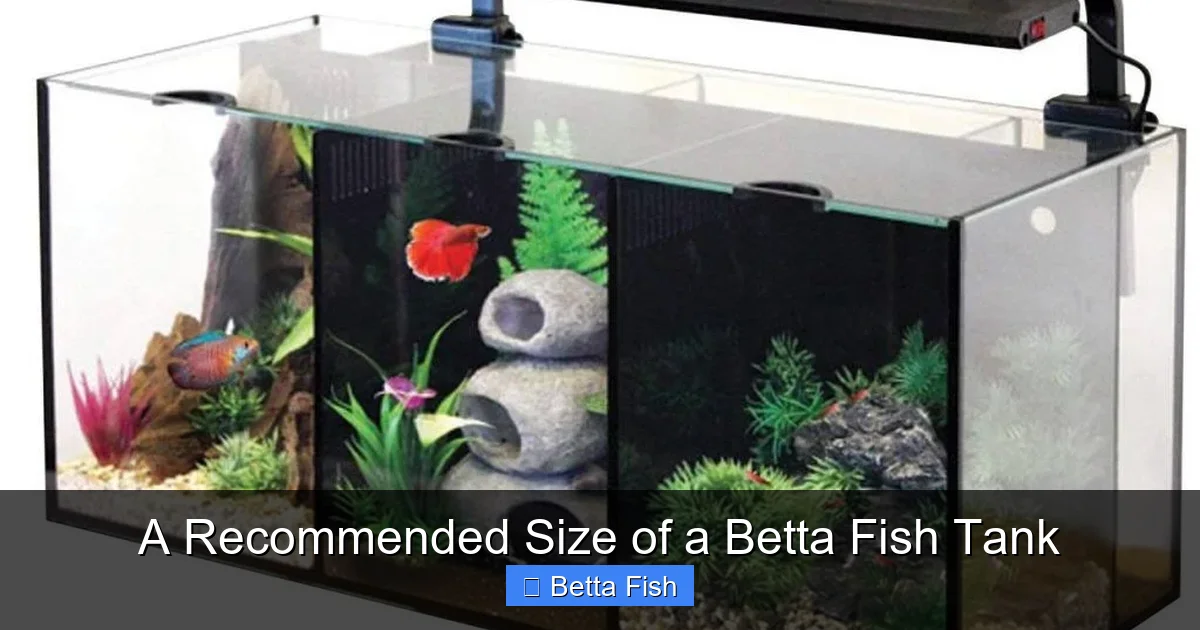
Most experts agree that the sweet spot for a single betta is a 5‑gallon (≈19 liter) tank. This size meets three critical needs:
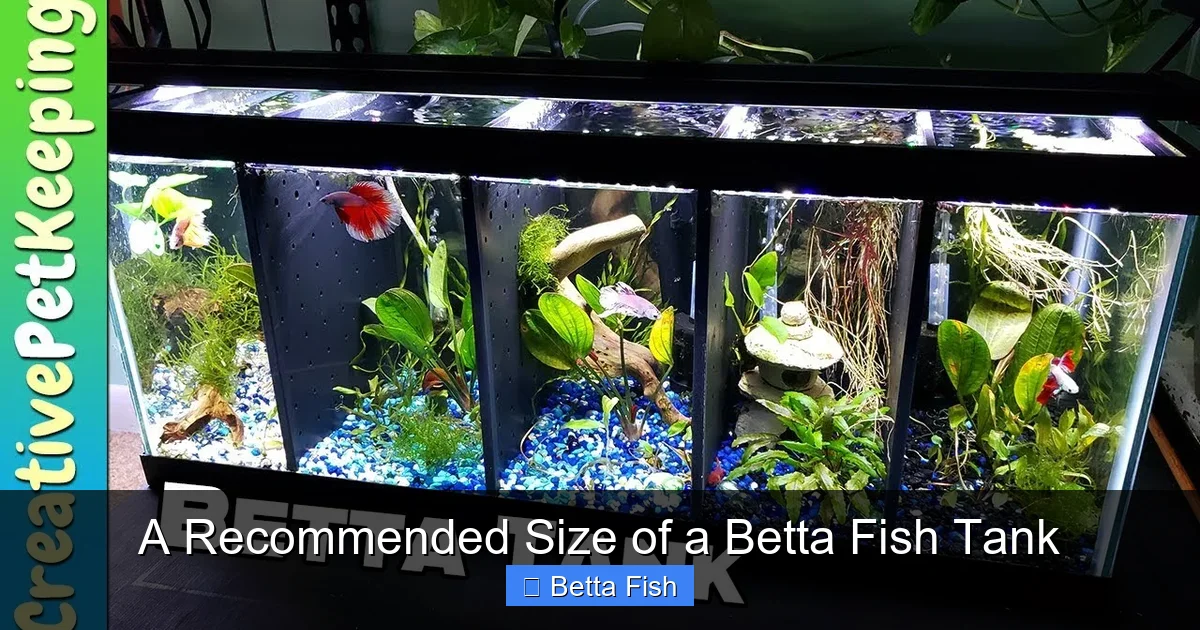
Visual guide about A Recommended Size of a Betta Fish Tank
Image source: fishsubsidy.org
- Surface area: A broader surface supplies more dissolved oxygen, which bettas need despite being able to breathe air.
- Water stability: Larger volumes buffer against rapid temperature swings and toxic spikes.
- Space for enrichment: You can add live plants, driftwood, and hiding spots without crowding.
If space or budget is a concern, a 2.5‑gallon (≈9.5 liter) tank is the absolute minimum, but you’ll need to monitor water quality twice a week and keep décor very simple.
Comparing Common Tank Sizes
| Tank Size | Surface Area (in²) | Pros | Cons |
|---|---|---|---|
| 1‑gallon | ≈30 | Cheap, fits on a desk | Very unstable, high stress |
| 2.5‑gallon | ≈45 | More stable than 1‑gallon | Limited décor, frequent water changes |
| 5‑gallon | ≈80 | Ideal balance of space and cost | Requires a stand or shelf |
| 10‑gallon+ | ≈150+ | Excellent stability, room for plants | Larger footprint, higher initial cost |
Designing the Perfect Betta Habitat
Once you’ve settled on the recommended size, the next step is making the tank a place your betta loves to live. Below are the key elements to consider.
Visual guide about A Recommended Size of a Betta Fish Tank
Image source: i.redd.it
Substrate and Plants
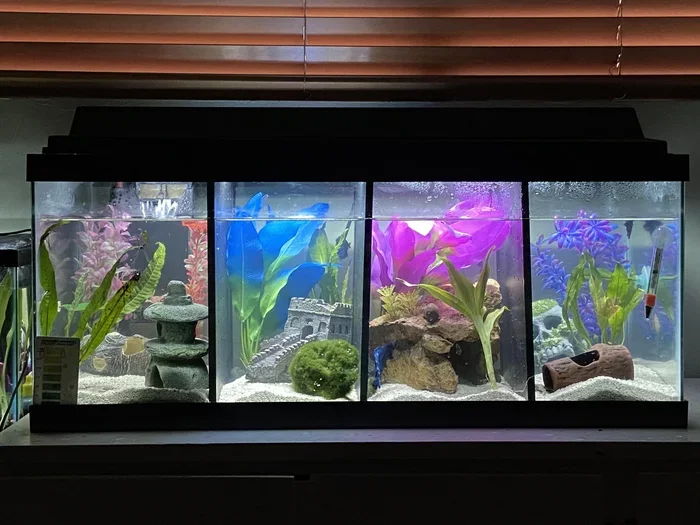
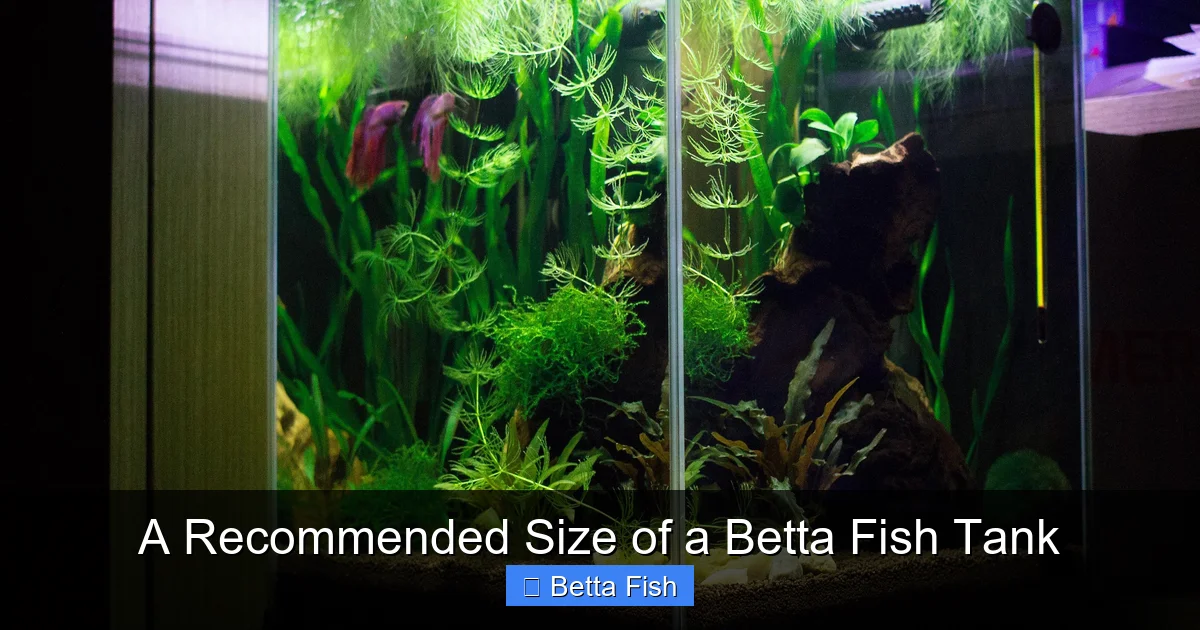
A soft sand or fine gravel mimics the riverbeds where bettas naturally roam. Live plants such as Java fern, Anubias, and Marimo moss balls are excellent because they are hardy and create hiding spots. If you prefer artificial plants, choose ones without sharp edges.
Decor and Hiding Spots
Betta males love to build bubble nests under a leaf or a piece of driftwood. Provide a flat surface—like a leaf of Amazon sword or a piece of slate—so the fish can showcase its breeding instincts. Caves, PVC pipes, and ceramic pots also work well, but make sure openings are large enough for the fish to swim in and out without injury.
Filtration and Water Flow
Betta fish aren’t strong swimmers, so a strong current can stress them. A low‑flow sponge filter or a hang‑on‑back (HOB) filter with the flow set to “gentle” is perfect. If you choose to go filter‑free, be prepared for weekly 25‑30% water changes and a reliable heater.
For more details on setting up a tank, see our guide on how to set up a tank for a betta fish.
Temperature and Lighting
Betta fish thrive at 76‑82 °F (24‑28 °C). A 5‑gallon tank holds heat better than a smaller bowl, reducing the need for constant heater adjustments. Use a 10‑hour light cycle to mimic natural day/night patterns; too much light can encourage algae growth.
Maintenance Made Simple
Even the perfect tank can become a problem if you neglect routine care. Below is a quick maintenance checklist tailored to the recommended size of a betta fish tank.
Visual guide about A Recommended Size of a Betta Fish Tank
Image source: i.ytimg.com
Weekly Routine
- Check temperature and adjust heater if needed.
- Test water for ammonia, nitrite, nitrate, and pH.
- Perform a 25‑30% water change using dechlorinated water.
- Trim any overgrown plants and remove debris.
Monthly Deep Clean
Every 30‑45 days, you’ll want to clean the substrate, rinse filter media in old tank water, and wipe down the glass. Avoid using soap; instead, use a dedicated aquarium scraper.
When to Upgrade
If you notice your betta becoming more active, building larger bubble nests, or if you’re tempted to add peaceful tank mates (like snails or shrimp), consider moving to a 10‑gallon tank. The extra space will keep water parameters stable and give all inhabitants room to breathe.
Common Questions About Tank Size
Below are answers to the most frequent concerns new betta owners have about tank size.
Can a betta survive in a 1‑gallon bowl?
Technically yes, but it’s not recommended. The water will heat and cool quickly, waste builds up fast, and the fish has no room to exhibit natural behaviors.
Will a larger tank make my betta more aggressive?
No. Aggression in bettas is usually directed toward other bettas, not the size of their own tank. A larger tank actually reduces stress, which can calm a temperamental fish.
Do I need a filter if I have a 5‑gallon tank?
A gentle filter is highly beneficial, but if you prefer a filter‑free setup, be diligent with water changes and use a high‑quality heater.
Can I keep more than one betta in a 5‑gallon tank?
Only if they are female “sorority” groups and the tank is heavily planted with many hiding spots. Males should never share a tank.
How does tank size affect lifespan?
Betta fish kept in appropriately sized tanks often live 3‑5 years, sometimes longer. Poor water quality in a tiny bowl can shorten that to 1‑2 years.
Putting It All Together: A Step‑by‑Step Guide
Ready to create the perfect home? Follow these steps, and you’ll have a thriving betta in no time.
Step 1: Choose the Tank
Select a clear glass or acrylic tank of at least 5 gallons. Rectangular tanks offer more surface area than tall, skinny ones.
Step 2: Add Substrate and Plants
Rinse the substrate, spread a thin layer, and plant your live or artificial greenery. Make sure any decorations are clean and free of sharp edges.
Step 3: Install Heater and Filter
Place the heater near the water flow for even distribution. Set it to 78 °F (25.5 °C) and let it stabilize before adding fish.
Step 4: Cycle the Tank
Even a small tank needs a nitrogen cycle. Use a fishless cycling method or add a few hardy “clean‑up crew” snails to start the process. For details, read how to cycle a betta tank without fish.
Step 5: Introduce Your Betta
Float the bag with the betta in the tank for 15‑20 minutes to equalize temperature, then gently release it. Watch for signs of stress—rapid gill movement or hiding for more than an hour could indicate a problem.
Step 6: Ongoing Care
Follow the weekly and monthly maintenance schedule outlined above. Keep an eye on water parameters, and enjoy watching your betta explore its new kingdom.
Conclusion: Size Matters, but So Does Love
Choosing the recommended size of a betta fish tank is the first step toward a happy, healthy pet. A 5‑gallon tank provides the space, stability, and enrichment a betta needs to display its natural beauty. Pair that with gentle filtration, proper heating, and regular care, and you’ll give your fish a life that’s as vibrant as its fins.
Remember, the tank is just the beginning. Your attention, curiosity, and willingness to learn will make the difference between a short‑lived novelty and a long‑lasting companion. Happy fish‑keeping!
Frequently Asked Questions
What is the minimum tank size for a betta fish?
The absolute minimum is 2.5 gallons, but 5 gallons is strongly recommended for stable water conditions and a healthier fish.
Can I use a glass bowl instead of a tank?
Bowl setups often lack surface area, proper filtration, and temperature stability, making them unsuitable for long‑term betta health.
How often should I change the water in a 5‑gallon betta tank?
Replace 25‑30% of the water weekly, and perform a full water change every 4‑6 weeks if the tank is well‑filtered.
Do bettas need a heater in a 5‑gallon tank?
Yes. A reliable heater maintains the ideal 76‑82 °F (24‑28 °C) range, which is crucial for metabolism and immunity.
Is a filter necessary for a betta tank?
A gentle filter is highly beneficial for water quality, but if you opt out, be diligent with frequent water changes and monitor parameters closely.
Can I add live plants to my betta’s tank?
Absolutely. Live plants improve water quality, provide hiding spots, and make the environment more natural for your betta.