Can You Keep Two Female Betta Fish Together Successfully
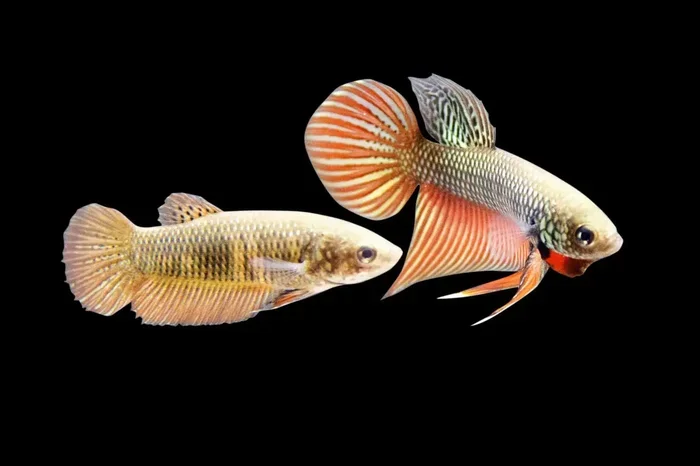
Yes, you can keep two female betta fish together, but it takes planning and the right setup. Female bettas are generally less aggressive than males, making a sorority tank possible with proper tank size, hiding spots, and careful introduction. This guide covers everything you need to know about keeping female bettas in the same home.
Key Takeaways
- Female bettas can live together: Unlike males, females are often less territorial and can coexist in a sorority tank setup.
- Tank size matters: You need at least a 20-gallon tank to give each betta enough space and reduce aggression.
- Introduce slowly: Quarantine and gradual introductions help prevent fights and stress.
- Provide hiding spots: Plants and decorations break up sight lines and give bettas their own territories.
- Monitor behavior: Watch for signs of stress or aggression, and be ready to separate if needed.
- Feed properly: Distributing food evenly prevents competition and keeps all fish healthy.
📑 Table of Contents
- Can You Keep Two Female Betta Fish Together? The Short Answer
- Understanding Female Betta Fish Behavior
- The Best Tank Setup for Two Female Betta Fish
- How to Introduce Two Female Betta Fish
- Common Mistakes When Keeping Two Female Betta Fish Together
- Signs Your Female Bettas Are Getting Along
- Can You Keep More Than Two Female Betta Fish Together?
- What to Do If Your Female Bettas Fight
- Expert Tips for a Successful Sorority Tank
- Final Thoughts on Keeping Two Female Betta Fish Together
Can You Keep Two Female Betta Fish Together? The Short Answer
If you love betta fish and want more than one, you might wonder if can you keep two female betta fish together is even possible. The good news is yes, it can work. But it is not as simple as tossing two fish into the same tank and hoping for the best.
Female bettas are often called “sorority” fish because they can live in groups under the right conditions. Male bettas, on the other hand, are notorious for fighting. Females tend to be calmer, but they still have their own personalities and boundaries. Understanding their behavior is the first step to a successful setup.
Many fish keepers have successfully housed multiple females in one tank. You just need to do your homework and prepare properly. Let us walk through everything you need to know.
Understanding Female Betta Fish Behavior
Before you set up a tank with more than one female betta, you need to understand how they think and act. Every fish has a unique temperament, but there are general patterns you should know about.
Are Female Bettas Less Aggressive?
Compared to male bettas, females are usually less aggressive. Males will flare and fight almost immediately if they see another male betta. Females can still be territorial, but their aggression tends to be more manageable. They may chase each other briefly, establish pecking orders, and then settle down.
Think of it like living in an apartment building. Everyone needs space, but if the building is big enough, people can coexist peacefully. The same idea applies to your aquarium.
What Is a Sorority Tank?
A sorority tank is a group housing setup for female bettas. Typically, experienced keepers house 3 to 6 females together in a large tank with plenty of hiding spots. The key is giving each fish enough room to claim her own territory without feeling threatened.
When done right, a sorority tank can be beautiful and fascinating to watch. The fish interact, establish hierarchies, and sometimes even become curious about each other.
The Best Tank Setup for Two Female Betta Fish
Setting up the right environment is the most important part of keeping female bettas together. A poor setup leads to stress, fights, and sick fish. A great setup keeps everyone happy and healthy.
Tank Size Requirements
So, what size tank do you actually need? The short answer is bigger is always better. If you are keeping two female bettas together, you should aim for at least a 20-gallon tank. A 10-gallon tank is the absolute minimum, but it is risky because there is not enough space for each fish to establish territory.
Here is a quick breakdown:
- 10 gallons: Not recommended. Too small for two bettas.
- 20 gallons: The minimum safe size for a pair.
- 30+ gallons: Ideal if you want to add more females later.
More space means less chasing, less stress, and a more peaceful tank overall.
Plants and Decorations
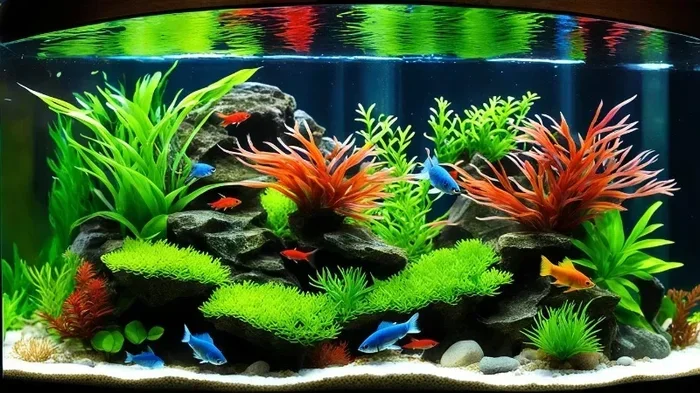
Live plants are your best friend in a sorority tank. They break up lines of sight and give each betta a place to hide and claim as her own. Some great plant options include java fern, anubias, and hornwort.
In addition to plants, add decorations like caves, driftwood, and rocks. These create natural barriers and give shy fish a safe place to retreat. The goal is to make the tank feel like several smaller territories rather than one open space.
Filtration and Water Conditions
Good filtration keeps the water clean and reduces stress on your fish. A gentle filter is ideal because bettas do not like strong currents. Sponge filters or hang-on-back filters with adjusted flow work well.
Keep the water temperature between 78 and 80 degrees Fahrenheit. The pH should be slightly acidic to neutral, around 6.5 to 7.5. Regular water changes of 25 to 30 percent per week will keep conditions stable.
How to Introduce Two Female Betta Fish
Introduction is the make-or-break step. A rushed or careless introduction can lead to serious fights. Take your time and follow these steps.
Step 1: Quarantine Each Fish
Before bringing any new fish home, quarantine them separately for at least two weeks. This helps you catch any diseases or parasites before they spread to your main tank. It also gives each fish time to adjust to your water conditions.
Step 2: Set Up the Tank First
Make sure your tank is fully cycled and decorated before adding any fish. The tank should have plenty of hiding spots and enough space for two fish. Do not add fish to an uncycled tank.
Step 3: Introduce at the Same Time
If possible, introduce both females to the tank at the same time. This prevents either fish from already claiming the whole tank as her own. If you must add them separately, add the more dominant fish last so the others already have established territories.
Step 4: Watch Closely
After introducing the fish, watch them closely for the first few hours and days. Some chasing is normal. However, if you see constant flaring, fin nipping, or one fish constantly hiding and refusing to eat, you may need to separate them.
Common Mistakes When Keeping Two Female Betta Fish Together
Even well-meaning fish keepers can make mistakes. Here are some common errors to avoid.
Using a Tank That Is Too Small
The most common mistake is using a tank that is too small. A tiny bowl or 5-gallon tank simply does not have enough space for two bettas. This leads to constant territorial disputes and stressed fish.
Skipping the Quarantine
Skipping quarantine can introduce diseases to your main tank. Always quarantine new fish before adding them to a community or sorority setup.
Not Providing Enough Hiding Spots
Without enough plants and decorations, bettas have nowhere to hide. This makes them feel vulnerable and increases aggression. Always plan your tank layout with hiding spots in mind.
Overfeeding
Overfeeding leads to poor water quality, which causes stress and illness. Feed your bettas small amounts twice a day and remove any uneaten food.
Signs Your Female Bettas Are Getting Along
How do you know if your setup is working? Look for these positive signs.
- Both fish eat normally and seem relaxed.
- They explore the tank freely without constant hiding.
- Chasing is brief and infrequent.
- Fins look healthy with no tears or damage.
- Both fish display normal coloration and energy levels.
If you see these signs, congratulations! Your sorority tank is thriving. On the other hand, if you notice constant aggression, loss of color, or one fish always hiding, it may be time to reconsider your setup or separate the fish.
Can You Keep More Than Two Female Betta Fish Together?
Once you have successfully kept two females together, you might wonder if you can add more. The answer is yes, but it gets more complex. More fish means more territorial dynamics to manage.
Experts generally recommend keeping no more than 4 to 6 females in a sorority tank. Beyond that, the risk of aggression increases significantly. You will also need an even larger tank, ideally 40 gallons or more, and more hiding spots.
If you are new to keeping female bettas together, start with two. Master that setup before expanding your sorority.
What to Do If Your Female Bettas Fight
Sometimes, despite your best efforts, two females just do not get along. If you notice serious fighting, do not panic. Here is what to do.
- Remove the more aggressive fish immediately.
- Give both fish time to calm down in separate tanks.
- Reassess your tank setup. Add more plants and hiding spots.
- Try reintroducing them slowly, perhaps with a divider first.
- If they still fight, accept that they may not be compatible and house them separately.
Remember, not every pair of fish will get along, and that is okay. Your fish’s health and comfort should always come first.
Expert Tips for a Successful Sorority Tank
Here are some bonus tips from experienced fish keepers to help you succeed.
- Choose similar-sized females: Fish of similar size are less likely to bully each other.
- Add the group at once: If possible, add all females simultaneously to prevent any one fish from claiming dominance early.
- Use a tank divider if needed: A divider allows fish to see each other without direct contact during the adjustment period.
- Keep the lights dim: Dim lighting reduces stress and aggression, especially during the first few days.
- Feed in multiple spots: Spread food across the tank so no single fish dominates the food supply.
Final Thoughts on Keeping Two Female Betta Fish Together
So, can you keep two female betta fish together? Absolutely, yes. It requires preparation, patience, and ongoing attention, but the reward is a vibrant and active sorority tank that is a joy to watch. The key is giving your fish enough space, plenty of hiding spots, and a careful introduction process.
Start with a 20-gallon tank or larger, load it up with live plants and decorations, and take your time introducing your fish. Watch their behavior closely, and be ready to adjust if needed. With the right approach, two female bettas can live happily side by side.
If you are still unsure, check out our guide on Can You Keep Two Betta Fishes On The Same Tank for more detailed information about tank sharing. You can also learn about Can You Keep A Female Betta With Other Fish to explore other compatible tank mates. For more on female betta companions, read about Can You Put Female Betta Fish With Guppies if you are considering mixing species.
Go ahead and give your bettas the home they deserve. With a little planning, you will have a beautiful sorority tank that makes your aquarium the envy of the neighborhood.
Frequently Asked Questions
Can two female betta fish live in a 10-gallon tank?
A 10-gallon tank is too small for two female bettas. You should use at least a 20-gallon tank to give each fish enough space to establish territory. A smaller tank increases stress and aggression, which can lead to fighting and health problems.
How many female betta fish can I keep together?
Most experts recommend keeping 3 to 6 females in a sorority tank. If you are just starting out, two females is the safest number. More fish require a larger tank and more hiding spots to prevent territorial disputes.
Do female betta fish fight with each other?
Female bettas can fight, but they are generally less aggressive than males. Some chasing and flaring is normal during introductions. However, constant fighting or fin damage means the fish are not compatible and should be separated.
How do I introduce two female bettas to the same tank?
Quarantine each fish first for two weeks. Set up a properly decorated tank with plenty of hiding spots. Introduce both females at the same time if possible, and watch them closely for the first few days for signs of aggression.
What plants are best for a female betta sorority tank?
Live plants like java fern, anubias, hornwort, and amazon sword are excellent choices. They provide hiding spots, break up lines of sight, and help maintain water quality. Avoid sharp-edged decorations that could damage betta fins.
What should I do if my female bettas are chasing each other constantly?
Brief chasing is normal during the establishment of a pecking order. If chasing is constant, add more hiding spots and plants. If the behavior continues or escalates to fighting, separate the fish and reassess your tank setup before trying again.