Do Betta Fish Jump Out of Bowls
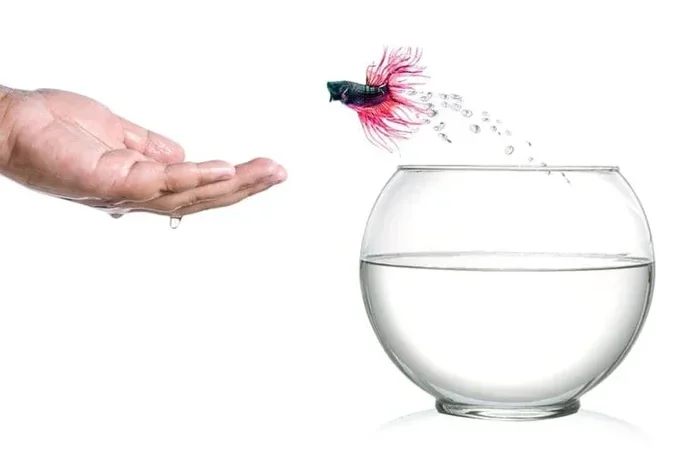
Yes, betta fish can and do jump out of bowls. This behavior is more common than most fish keepers realize, and it can be deadly if the right precautions aren’t taken. Understanding why betta fish jump is the first step toward keeping your pet safe and healthy in its environment.
Have you ever walked past your betta fish bowl and found your fish flopping on the floor? It is a scary and heartbreaking sight. Do betta fish jump out of bowls? The short answer is yes, they absolutely can. And it happens more often than most people think.
Betta fish are curious creatures. They explore their surroundings, react to movement, and sometimes make bold moves that surprise their owners. Jumping out of a bowl is one of those moves that can turn deadly fast. In this article, we will cover everything you need to know about why betta fish jump, what drives this behavior, and how you can prevent it from happening in your home.
Whether you are a new betta owner or have had fish for years, this guide will give you practical tips and real answers. Let us dive in and make sure your betta stays safe and sound where it belongs.
Key Takeaways
- Betta fish jump naturally: This is a built-in survival instinct, not a sign that something is always wrong.
- Bowl size matters a lot: Small, unfiltered bowls increase stress and jumping behavior significantly.
- A tight-fitting lid is essential: It prevents escapes and keeps your betta safe from fatal accidents.
- Water quality triggers jumping: Poor water conditions can stress your fish into trying to escape.
- Jumping out can be fatal: Betta fish cannot survive long out of water, even with their labyrinth organ.
- Simple fixes work: A good lid, proper water changes, and adequate tank size solve most jumping problems.
📑 Table of Contents
Why Do Betta Fish Jump Out of Bowls?
Understanding why betta fish jump out of bowls starts with knowing a little bit about their natural instincts. Betta fish, also known as Betta splendens, come from warm, shallow waters in Southeast Asia. In the wild, they live in rice paddies, floodplains, and slow-moving streams. These environments are not always deep. Sometimes, they are just a few inches of water.
Because of this, bettas have evolved to be able to breathe air from the surface. They have a special organ called the labyrinth organ that lets them take in oxygen directly from the air. This adaptation is amazing, but it also means they are naturally drawn to the surface of the water. And sometimes, that draw leads them to jump.
Natural Instincts and Survival Behavior
In the wild, betta fish face many challenges. Droughts can dry up their shallow habitats quickly. When water levels drop, bettas need to move to new water sources. Jumping is a survival skill that helps them do this. They can flop short distances to reach a new puddle or stream.
This same instinct shows up in home aquariums. Even though your betta has plenty of water, its natural drive to explore and move does not disappear. Some bettas jump simply because they can. Others jump in response to something specific in their environment.
It is also worth noting that not all betta fish jump. Some are calm and stay in the water. Others are more adventurous and prone to leaping. Genetics, personality, and living conditions all play a role.
The Role of the Labyrinth Organ
The labyrinth organ is one of the most fascinating features of betta fish. It works like a basic lung, allowing bettas to absorb oxygen from the air. This is why you often see your betta gulping at the surface.
Because they can breathe air, bettas do not need to stay submerged at all times. This gives them the ability to survive short periods outside of water. But it also means they are more likely to approach the surface and potentially jump. The closer they swim to the top, the higher the chance of an escape.
Common Reasons Why Bettas Try to Escape
Now that we understand the basics, let us look at the specific reasons your betta might be trying to jump out of its bowl. These reasons are important to identify because each one needs a different solution.
Poor Water Quality
Dirty water is one of the biggest triggers for jumping behavior. When ammonia and nitrite levels rise in a bowl, bettas become stressed. Stressed fish are more likely to try escaping. If your betta bowl does not have a filter, the water can get toxic fast.
Signs of poor water quality include:
- Cloudy or discolored water
- Strong ammonia smell
- Betta gasping at the surface
- Sluggish or unusual behavior
If you notice any of these signs, a water change is urgent. Clean water keeps your betta healthy and less likely to seek escape routes.
High Water Temperature
Betta fish need warm water, ideally between 76 and 82 degrees Fahrenheit. If the water gets too hot, oxygen levels drop. Your betta may swim to the surface more desperately and potentially jump in the process. Hot water also increases stress and metabolic rate, making fish more active and erratic.
Using a small heater designed for betta bowls can help maintain a stable temperature. Avoid placing the bowl in direct sunlight or near heat sources.
Lack of Space
Many people keep bettas in tiny bowls without realizing the impact it has on their well-being. Do betta fish like a lot of space? They definitely appreciate more room to swim. A cramped environment leads to boredom, frustration, and stress. All of these can trigger jumping.
A bowl under 2.5 gallons is generally too small for a betta long-term. Upgrading to a larger tank with proper filtration gives your fish a better life and reduces unwanted behaviors like jumping.
Reacting to Movement or Reflections
Betta fish are curious and territorial. They may see their own reflection in the glass and flare at it. This excitement can lead to sudden bursts of movement, including jumps. External movement near the bowl, like a shadow or a hand passing by, can also startle a betta into leaping.
Hunger or Feeding Excitement
Some bettas get so excited at feeding time that they jump. If you drop food into the bowl and your betta launches toward it, that is a clear sign. This type of jumping is usually not dangerous on its own, but it still increases the risk of an accidental escape.
How to Prevent Your Betta from Jumping Out
The good news is that preventing jumps is straightforward. With a few simple changes, you can keep your betta safely inside its home.
Use a Tight-Fitting Lid
The single most effective way to stop your betta from jumping out is to put a lid on the tank or bowl. A tight-fitting aquarium lid or mesh cover will block escape routes while still allowing air exchange for your betta to breathe at the surface.
Make sure the lid has small gaps or holes for airflow. Bettas need access to the surface, so a completely sealed container is not safe either. A mesh screen lid works great because it allows gas exchange while keeping your fish contained.
Keep the Water Clean
Regular water changes are essential. For a small bowl without a filter, change about 25 to 50 percent of the water every week. Use a water conditioner to remove chlorine and chloramine from tap water before adding it to the bowl.
Clean water means a happy, relaxed betta. And a relaxed betta is far less likely to try jumping out.
Maintain Proper Temperature
Invest in a small aquarium heater if you keep your betta in a bowl. A thermometer helps you monitor the temperature daily. Stable, warm water keeps your betta comfortable and reduces stress-related jumping.
Provide Enough Space
Upgrade your betta’s home whenever possible. A tank of at least 5 gallons is ideal. It gives your fish room to swim, explore, and stay active without feeling confined. Larger tanks are also easier to maintain stable water parameters in.
If you are currently using a small bowl, consider transitioning to a bigger setup gradually. Do betta fish like a lot of space? Absolutely, and giving them more room improves their overall health and behavior.
Feed Calmly and Consistently
Drop food gently into the water instead of throwing it from a height. Feed small amounts twice a day rather than one large meal. This keeps your betta calm during feeding and reduces the excitement that can trigger jumps.
What Happens When a Betta Fish Jumps Out?
This is the part that worries every betta owner. What happens if your fish actually does jump out of the bowl?
The answer depends on how long the fish is out of water and the conditions it faces. Betta fish can survive for a short time outside of water thanks to their labyrinth organ. They can breathe air, which gives them a small window of survival. But that window is limited.
If you find your betta on the floor or a surface outside the bowl, act quickly. Gently place it back into the water. The sooner you do this, the better the chances of survival. However, even a few minutes out of water can cause damage to the gills and scales.
Can betta fish survive out of water? Yes, for a short period. But repeated escapes or prolonged time outside the water can be fatal. Always check your bowl or tank to make sure your betta is safely inside, especially at night when fish are less active and more vulnerable.
Why is my betta fish jumping out of the water is a question many owners ask, and the reasons we covered above are the most common explanations. Addressing the root cause is always better than reacting after an escape happens.
Signs Your Betta Might Be About to Jump
Watching for warning signs can help you prevent an escape before it happens. Here are some behaviors to watch for:
- Swimming near the surface frequently: If your betta spends a lot of time at the top, it may be preparing to jump.
- Flaring at reflections: Aggressive behavior near the glass can lead to sudden bursts of movement.
- Rapid swimming in one spot: Pacing or darting around the bowl can signal restlessness.
- Gasping at the surface: This could indicate low oxygen or poor water quality, both of which can trigger escape attempts.
If you notice any of these signs, check your water parameters and consider adding or checking your lid right away.
Common Mistakes Betta Owners Make
Many jumping accidents happen because of simple mistakes. Here are a few to avoid:
- Leaving the bowl uncovered: This is the number one mistake. Even a small gap is enough for a betta to escape through.
- Overfeeding: Too much food fouls the water quickly and makes your betta more active and stressed.
- Ignoring water changes: Dirty water leads to stress, and stress leads to jumping.
- Placing the bowl in a high-traffic area: Constant movement and shadows near the bowl can startle your fish into jumping.
- Using a bowl that is too small: A tiny bowl limits movement and creates a stressful environment.
Avoiding these mistakes goes a long way in keeping your betta safe and your home fish-free from escaped escape artists.
Expert Insights on Betta Jumping Behavior
Experienced fish keepers and aquatic experts agree that jumping is a natural behavior for bettas. It is not something to panic over, but it is something to manage proactively. Many experts recommend keeping bettas in tanks with lids as a standard practice, regardless of whether the fish has shown jumping behavior before.
According to research on why betta fish jump out of the water, the behavior is linked to a combination of instinct, environmental factors, and water quality. The better you understand your fish’s environment, the easier it is to prevent unwanted escapes.
Experts also suggest that adding plants or decorations near the surface can give bettas a sense of security. When they feel safe, they are less likely to make desperate jumps. Live or silk plants that reach near the water surface work especially well.
Final Thoughts
Do betta fish jump out of bowls? Yes, they do, and it is something every betta owner should be prepared for. The good news is that prevention is simple. A tight-fitting lid, clean water, proper temperature, and enough space can solve most jumping problems.
Your betta fish depends on you for its safety. Taking a few minutes to check the bowl, change the water, and make sure the lid is secure can make all the difference. A happy betta is a betta that stays right where it should be.
Take action today. Check your betta’s bowl or tank. Make sure the lid fits properly. Test the water. And give your fish the safe, comfortable home it deserves. Your betta will thank you with vibrant colors and healthy, joyful swimming.
Frequently Asked Questions
Why do betta fish jump out of bowls?
Betta fish jump out of bowls because of natural instincts, poor water quality, high temperatures, lack of space, or excitement during feeding. Their labyrinth organ allows them to breathe air, which draws them to the surface and increases the chance of jumping. Addressing the root cause is the best way to prevent escapes.
Can a betta fish survive after jumping out of a bowl?
Yes, a betta can survive for a short time outside of water thanks to its labyrinth organ. However, the longer it stays out, the greater the risk of gill damage and dehydration. If your betta jumps out, return it to water immediately and monitor its behavior closely for the next few hours.
How do I stop my betta fish from jumping out of its tank?
The most effective solution is to use a tight-fitting lid or mesh cover on your tank. Keep the water clean, maintain proper temperature, and provide enough swimming space. A stress-free environment significantly reduces jumping behavior in bettas.
Are betta fish more likely to jump in small bowls?
Yes, bettas in small bowls are more likely to jump because the confined space increases stress and the water quality deteriorates faster. Small bowls also heat up and cool down quickly, which adds to environmental stress. Upgrading to a larger tank helps reduce this risk.
Do all betta fish try to jump?
Not all bettas jump, but many do to some degree. Some are more prone to jumping based on genetics, personality, and living conditions. Even if your betta has never jumped before, it is wise to keep a lid on the tank as a precaution.
Is it safe to keep a betta in a bowl without a lid?
It is not recommended. An uncovered bowl leaves your betta vulnerable to jumping, which can be fatal. Even if your betta has never shown jumping behavior, accidents can happen. A simple mesh lid provides protection while allowing proper air exchange for your fish.
=== CONCLUSION ===
Do betta fish jump out of bowls is a question with a clear and important answer. Yes, they do, and it is a behavior that every betta owner needs to understand and manage. From natural instincts to environmental triggers, there are many reasons your betta might try to escape. The good news is that with a few simple steps, you can keep your fish safe and healthy.
Always use a lid, keep the water clean, maintain proper temperature, and give your betta enough space. These small efforts make a huge difference. Your betta fish will live a happier, healthier life, and you will have peace of mind knowing your pet is safe from the dangers of jumping out.