Is Lake Fish Better Than River Fish
Is lake fish better than river fish? The answer depends on what you care about most. Lake fish tend to have a milder flavor, softer texture, and lower contaminant risk in many cases. River fish often carry a stronger taste, firmer bite, and higher omega-3 levels due to faster currents and natural diets. Both are freshwater fish options that deliver excellent health benefits. This guide breaks down every key difference so you can make the best choice for your plate and your well-being.
When people ask about lake fish vs river fish, they usually want to know which one tastes better, is healthier, or is easier to catch. Both types of freshwater fish have a lot to offer, but they differ in meaningful ways. Whether you are cooking dinner, planning a fishing trip, or just curious about aquatic life, understanding these differences helps you make smarter choices.
Lake water stays mostly still. It collects nutrients, sediments, and sometimes pollutants over time. River water flows constantly, carrying oxygen and food downstream. These two environments shape every aspect of the fish that live in them. From their diet to their muscle structure, the habitat matters a great deal.
So, which should you pick? Let us dive into the full comparison.
Key Takeaways
- Taste and Texture: Lake fish are generally milder and softer, while river fish tend to be firmer with a stronger flavor profile.
- Nutritional Value: River fish often contain higher levels of omega-3 fatty acids because of their active lifestyle in flowing water.
- Contaminant Levels: Lake fish may accumulate more pollutants in still water, whereas river fish can carry different risks from upstream contamination.
- Species Variety: Both environments host unique species, giving you diverse options for meals and aquarium keeping.
- Sustainability: Wild caught fish from both sources vary in sustainability, so checking the source matters more than the habitat type alone.
- Health Benefits: Both lake and river fish provide high-quality protein, vitamins, and minerals essential for a balanced diet.
📑 Table of Contents
Understanding Lake Fish and River Fish Habitats
The environment a fish lives in shapes everything about it. Lake fish and river fish grow up in very different worlds. A lake is a standing body of water. It warms up slowly and stays calm most of the time. A river moves fast. It has currents, rapids, and constantly changing conditions.
These differences affect the fish in several ways:
- Water movement: River fish swim against currents daily. This builds stronger muscles and denser flesh. Lake fish swim in calmer waters, so their bodies stay softer and more delicate.
- Oxygen levels: Flowing river water holds more dissolved oxygen. This supports a faster metabolism in river fish. Lake water can become oxygen-poor in deeper zones, especially during hot months.
- Food sources: River fish eat food carried by the current, like insects, smaller fish, and algae. Lake fish feed on whatever drifts or settles in the still water, including plankton and bottom-dwelling organisms.
- Temperature: Lakes stratify into layers. Surface water warms up while deeper water stays cold. Rivers maintain a more uniform temperature, though it varies with the season and flow rate.
If you are comparing freshwater fish for an aquarium, these habitat basics help you understand what each type needs. A lake ecosystem supports different species than a river ecosystem. Both are fascinating and worth exploring.
Taste and Texture Comparison
One of the biggest reasons people ask, “Is lake fish better than river fish?” comes down to flavor. Taste is subjective, but there are clear patterns worth knowing about.
Lake fish generally have a milder, sweeter taste. Their flesh tends to be softer and flakier. Species like bass, tilapia, and walleye from lakes are popular for their gentle flavor. This makes them great for people who do not enjoy strong fishy tastes.
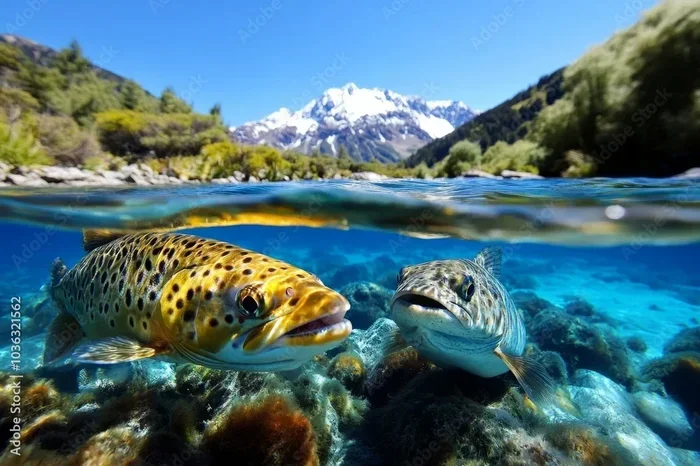
River fish, on the other hand, often have a more robust flavor. The constant movement and varied diet give them a firmer texture and a richer taste. Trout and catfish from rivers are well known for their distinctive bite. Many anglers and chefs prefer this stronger profile.
Here is a simple way to think about it:
- Mild and soft: Think lake fish like largemouth bass or bluegill.
- Firm and flavorful: Think river fish like rainbow trout or channel catfish.
If you are new to eating wild caught fish, lake varieties are often a safer starting point. They are less likely to overwhelm your palate. As you develop a taste for fish, river varieties can offer a more exciting experience.
Does Diet Affect the Taste?
Absolutely. What a fish eats directly impacts how it tastes. Lake fish often feed on plankton, small insects, and plant matter. This diet contributes to a cleaner, milder flavor. River fish consume a wider variety of food pushed along by the current, including smaller fish, crustaceans, and organic debris. This varied diet can add complexity to their taste.
If you want your freshwater fish to taste its best, consider where it was caught and what it ate. Fish from clean, well-fed lakes tend to taste the sweetest. Fish from rivers with strong flows often have the most satisfying texture.
Nutritional Value: Which One Wins?
Both lake fish and river fish are packed with nutrition. They provide high-quality protein, essential vitamins, and important minerals. However, there are some differences in their nutritional profiles that are worth exploring.
Omega-3 fatty acids are one of the most important nutrients in any fish. These healthy fats support heart health, brain function, and reduced inflammation. River fish often contain higher levels of omega-3s because their active lifestyle in flowing water builds leaner, more nutrient-dense muscle.
Here is how the nutrition compares:
- Protein: Both lake and river fish are excellent sources of complete protein. The difference is minimal between the two.
- Omega-3s: River fish typically edge out lake fish here. The constant swimming builds more omega-3-rich muscle tissue.
- Vitamin D: Fish from both habitats contain vitamin D, though levels vary by species more than by habitat.
- Minerals: Calcium, selenium, and phosphorus are present in both types. River fish may have slightly higher mineral content due to their denser flesh.
If your main goal is boosting your omega-3 intake, river fish might be the better choice. But honestly, any freshwater fish you eat regularly will do wonders for your health. The best fish is the one you will actually eat consistently.
Quick Tip for Maximizing Nutrition
How you cook your fish matters just as much as where it came from. Grilling, baking, or steaming preserves the most nutrients. Deep frying adds unhealthy fats and can reduce the beneficial omega-3 content. Keep your cooking method simple to get the most out of every fillet.
Contaminants and Safety Concerns
Safety is a serious topic when comparing any type of fish. Both lake fish and river fish can contain contaminants, but the types and levels differ.
Lake fish in stagnant or polluted waters may accumulate mercury, PCBs, and other chemicals. Still water does not flush these contaminants away as quickly. Over time, toxins build up in the fish tissue. Certain lake species, especially larger predatory fish, tend to carry higher contaminant loads.
River fish face different risks. Fast-moving water can carry pollutants from upstream sources like farms, factories, and urban runoff. However, the constant flow also helps dilute and disperse some contaminants. River fish are generally less likely to accumulate heavy metals compared to large lake predators.
Here are some safety tips for both types:
- Check local advisories: Many states and countries publish fish consumption guidelines based on water quality testing.
- Avoid large predatory species: Bigger fish tend to accumulate more contaminants regardless of the water source.
- Choose younger fish: Smaller, younger fish generally have lower levels of accumulated toxins.
- Clean and prepare properly: Remove skin and belly fat where many contaminants concentrate.
When in doubt, buy from trusted sources or check with local fishing authorities. Both wild caught fish from lakes and rivers can be safe and delicious when sourced responsibly.
It is also worth noting that freshwater fish from well-managed fisheries are regularly tested for safety. Farm raised options from both lake and river environments follow strict quality standards. You can enjoy your meal with confidence if you stay informed.
Popular Species from Each Habitat
Different fish species thrive in lakes and rivers. Here is a look at some of the most common and popular ones.
Common Lake Fish Species
- Largemouth Bass: A favorite among recreational anglers. It has a mild taste and firm, white flesh.
- Bluegill: Small but flavorful. Great for pan-frying and a staple in many lake communities.
- Walleye: Known for its delicate, sweet flavor. One of the most sought-after lake fish in North America.
- Tilapia: Widely farmed in lake-like environments. Mild and versatile in the kitchen.
- Trout (lake-dwelling): Some trout species live in lakes and offer a rich, nutty flavor.
Common River Fish Species
- Rainbow Trout: Firm and flavorful with a subtle sweetness. A top choice for river anglers.
- Channel Catfish: Bold taste and dense, moist flesh. A Southern cooking classic.
- Salmon (river-dwelling): Anadromous species that swim upstream. Rich in omega-3s and highly nutritious.
- Smallmouth Bass: Strong fighters with clean, white meat. Common in fast-flowing rivers.
- Sturgeon: Ancient river dwellers that produce caviar and firm, flavorful flesh.
Each species offers something unique. If you are deciding between lake fish and river fish, consider what species are available in your area. Local availability often matters more than the habitat type itself.
Aquarium and Betta Fish Considerations
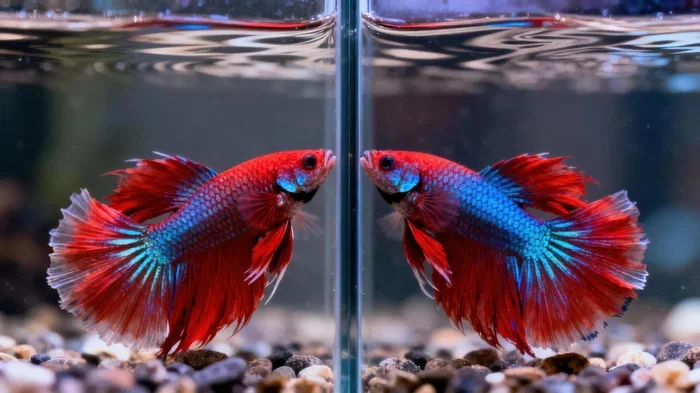
Even in the world of betta fish and aquarium keeping, the lake vs river discussion has relevance. Bettas naturally live in slow-moving freshwater environments that resemble the edges of lakes and rivers in Southeast Asia. Understanding their natural habitat helps you create better tank setups.
Betta fish thrive in warm, slow-flowing water with plenty of hiding spots. This is similar to the calm edges of lakes where vegetation grows thick. In the wild, bettas navigate between still pools and slow currents, much like river fish that move between fast and calm sections.
If you keep bettas or other freshwater fish in aquariums, consider these tips:
- Mimic natural conditions: Use gentle filtration to simulate slow-moving water, similar to lake edges.
- Add live plants: Plants provide shelter and improve water quality, just like vegetation in natural lakes and rivers.
- Maintain stable temperatures: Both lake and river environments have temperature ranges. Bettas prefer warm, stable conditions.
- Avoid strong currents: Most freshwater community fish, including bettas, do not thrive in fast-flowing water.
The more you understand about natural fish habitats, the better you can care for your aquarium inhabitants. Knowledge about lake fish and river fish translates directly into better fishkeeping practices.
Sustainability and Environmental Impact
Sustainability matters more than ever when choosing any type of fish. Both lake fish and river fish can be sourced sustainably or unsustainably. The key is knowing where your fish comes from and how it was caught.
Wild caught fish from healthy lakes and rivers support balanced ecosystems when managed properly. Overfishing, however, can deplete populations and disrupt food chains. Some river systems face pressure from dams and water diversion, which affects fish migration and breeding.
Here are some ways to make sustainable choices:
- Look for certifications: Labels like MSC or ASC indicate responsibly sourced fish.
- Buy local: Fish caught locally often have a lower carbon footprint than imported options.
- Support conservation efforts: Organizations that protect lakes and rivers help ensure fish populations stay healthy for future generations.
- Choose seasonal catches: Eating fish during their natural harvest seasons reduces pressure on breeding populations.
Whether you prefer lake fish or river fish, sustainability should guide your choices. A healthy environment produces healthier, better-tasting fish for everyone.
Are Farmed Fish a Good Alternative?
Farmed fish can ease pressure on wild populations, but the quality varies widely. Some farmed freshwater fish are raised in conditions that closely mimic natural habitats. Others are kept in crowded pens with lower-quality feed. If you choose farmed options, look for transparency about farming practices and feed sources.
Both farmed and wild fish from lakes and rivers can be part of a healthy, sustainable diet. The best approach is to stay informed and make choices that align with your values.
Which Should You Choose?
The truth is, there is no single winner in the lake fish vs river fish debate. Both types of freshwater fish offer incredible benefits. Your choice should depend on your priorities.
Choose lake fish if you want: A milder flavor, softer texture, and easy availability in many regions. Lake fish are often more approachable for people who are new to eating fish regularly.
Choose river fish if you want: A stronger taste, firmer texture, and potentially higher omega-3 content. River fish are excellent for experienced fish eaters who enjoy bold flavors.
Ultimately, the best fish is the one that is fresh, properly sourced, and prepared with care. Both lake fish and river fish can deliver on taste and nutrition when handled well.
If you are still curious about other comparisons, check out our article on is freshwater fish better than saltwater fish to explore how freshwater fish stack up against their saltwater cousins. You might also enjoy our piece on which sea fish is better than freshwater fish for a broader perspective on habitat-based comparisons.
Conclusion
Is lake fish better than river fish? The honest answer is that both have unique strengths. Lake fish offer milder flavors and softer textures that appeal to many palates. River fish bring bold tastes, firm textures, and often higher omega-3 levels. Both are excellent sources of protein, vitamins, and minerals that support a healthy diet.
When it comes to safety, both types can be consumed confidently if you follow local guidelines and choose fresh, responsibly sourced fish. Sustainability is another factor that applies equally to both habitats. Making informed choices helps protect the ecosystems that produce these valuable food sources.
Whether you are cooking at home, casting a line on the water, or setting up your next aquarium, understanding the differences between lake fish and river fish gives you an edge. Use this knowledge to pick the best fish for your needs and enjoy every bite.
Frequently Asked Questions
Are lake fish safer to eat than river fish?
Not necessarily. Both can be safe if sourced from clean waters. Lake fish in polluted or stagnant water may accumulate more toxins, while river fish can carry risks from upstream contamination. Always check local fish advisories before eating any wild caught fish.
Which has more omega-3 fatty acids, lake fish or river fish?
River fish generally have higher omega-3 levels because their active lifestyle in flowing currents builds leaner, more nutrient-dense muscle. However, the species you choose matters more than the habitat alone.
Can I substitute lake fish for river fish in recipes?
Yes, but expect some differences in flavor and texture. Lake fish are milder and softer, so they work well in delicate recipes. River fish are firmer and bolder, making them better for robust dishes. Adjust seasoning and cooking time accordingly.
Is it better to eat wild caught lake fish or farmed lake fish?
Wild caught fish often have a more natural diet and better texture. Farmed fish can be a sustainable alternative if raised responsibly. Look for transparency about farming practices regardless of the habitat type.
Do betta fish prefer lake-like or river-like environments?
Betta fish naturally live in slow-moving freshwater environments similar to the calm edges of lakes. They prefer gentle flow, warm water, and plenty of vegetation, which mimics both lake and river edge habitats in the wild.
What is the best way to cook freshwater fish from lakes or rivers?
Grilling, baking, and steaming are the best methods for preserving flavor and nutrients. Avoid deep frying, which adds unhealthy fats and can mask the natural taste of the fish. Season simply and let the quality of the fish shine through.