Do Betta Fish Have Emotions
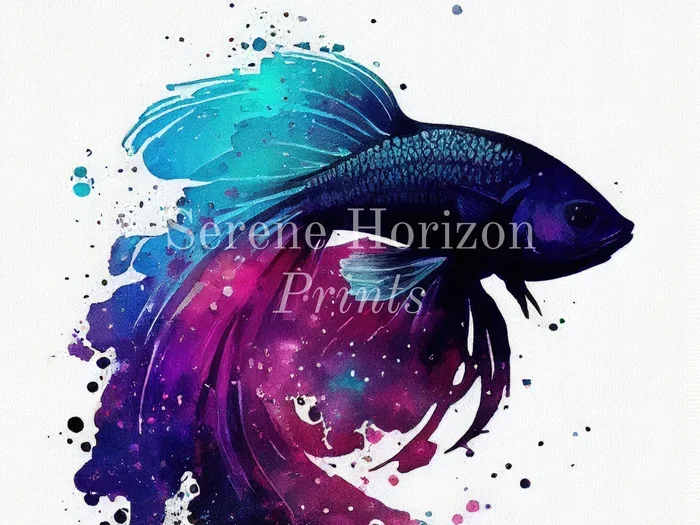
Do betta fish have emotions? The answer might surprise you. Research shows that betta fish feelings are more complex than most people think. These vibrant fish can experience stress, excitement, and even bonding with their owners. Understanding your betta’s emotional world helps you create a happier, healthier home for your finned friend.
Have you ever stared at your betta fish and wondered what’s going on inside that little head? Do they feel happy? Sad? Excited? The question of whether betta fish have emotions has fascinated fish keepers and scientists alike for years. The short answer is yes — bettas experience a range of feelings that affect their daily behavior and overall well-being.
Many people still think of fish as simple creatures that just swim around and eat. But betta fish behavior tells a very different story. These beautiful creatures respond to their environment, recognize their owners, and even show preferences. Understanding betta fish feelings opens up a whole new way to care for them. Let’s dive deep into the emotional world of these amazing fish.
Key Takeaways
- Betta fish do experience basic emotions: They can feel stress, fear, excitement, and even show signs of affection toward their owners.
- Body language is key: Watching your betta’s color changes, fin positions, and swimming patterns reveals a lot about their emotional state.
- A proper tank setup reduces negative emotions: Clean water, hiding spots, and a suitable environment keep your betta emotionally balanced.
- Betta fish can bond with their owners: Many owners report their bettas recognizing them and showing excitement during feeding time.
- Stress is a real emotional response: Poor tank conditions, loneliness, and loud noises can cause lasting emotional distress in bettas.
- Understanding fish emotions improves care: Recognizing emotional cues helps you respond better and build a stronger connection with your pet.
📑 Table of Contents
- What Science Says About Fish Emotions
- Signs Your Betta Fish Is Feeling Emotions
- Can Betta Fish Feel Happiness?
- Do Betta Fish Experience Stress and Fear?
- Do Betta Fish Bond with Their Owners?
- The Connection Between Emotions and Physical Health
- Are Betta Fish More Emotional Than Other Fish?
- Common Mistakes That Hurt Your Betta’s Emotional Health
- Final Thoughts on Betta Fish Emotions
What Science Says About Fish Emotions
For a long time, scientists believed fish were too simple to experience feelings. That view has changed dramatically. Modern research shows that fish emotions are real and measurable. Studies on fish sentience have proven that fish have complex nervous systems capable of processing emotions.
Betta fish, in particular, have surprisingly complex brains for their size. Their brain structure supports basic emotional responses similar to other vertebrates. Researchers have observed that bettas react to stimuli in ways that go beyond simple reflexes. They show fear when threatened, excitement when food appears, and even curiosity when exploring new spaces.
How Emotions Work in Fish Brains
The betta fish brain has structures that handle emotional processing. While it is not as complex as a mammal’s brain, it shares key features. The amygdala and other regions help process fear and pleasure responses. This means your betta can genuinely feel stress and enjoyment.
Understanding this biology helps us see why emotional responses in fish matter. When a betta feels safe, it thrives. When stressed, its health declines fast. This connection between emotions and physical health is why emotional well-being is so important in fish care.
Signs Your Betta Fish Is Feeling Emotions
You might be wondering how to tell if your betta fish is actually feeling something. Unlike humans, fish cannot smile or cry. But they communicate through betta fish body language in clear and observable ways. Learning these signs is like unlocking a secret language with your pet.
Here are the most common emotional signs in bettas:
- Color changes: A happy betta displays vibrant colors. A stressed betta often looks pale or faded.
- Fin position: Relaxed fins spread wide. Clamped fins close to the body signal fear or discomfort.
- Swimming patterns: Active, playful swimming shows excitement. Hiding or lethargy suggests sadness or stress.
- Bubble nests: Building bubble nests shows contentment and readiness to breed.
- Flaring at mirrors: This shows aggression or territorial feelings — a strong emotional response.
- Swimming to the front: Many bettas rush to the glass when their owner approaches, showing recognition and excitement.
Reading Color Changes as Emotional Signals
One of the most powerful emotional indicators in bettas is color. A betta fish mood often shows through its body color. When your betta is feeling good, its reds deepen and blues become more vivid. When stressed, colors dull and fade. This makes color a reliable emotional barometer for attentive owners.
Quick tip: Always compare your betta’s color to its baseline. Some bettas are naturally more muted, so knowing what is normal for your fish helps you spot real emotional changes.
Can Betta Fish Feel Happiness?
The idea of a happy betta fish might sound funny at first. But owners who spend time with their fish regularly can tell the difference. A happy betta is active, curious, and colorful. It explores its tank, builds bubble nests, and swims eagerly to the surface at feeding time.
Several factors contribute to betta fish happiness:
- Clean, warm water: Maintaining proper water parameters keeps your betta comfortable and emotionally stable.
- Adequate space: A tank of at least 5 gallons gives your betta room to explore and feel secure.
- Enrichment: Plants, caves, and open swimming areas stimulate your betta mentally and emotionally.
- Consistent routine: Feeding at the same times each day helps your betta feel safe and predictable.
- Gentle interaction: Talking to your betta or sitting near the tank can create a calming, positive environment.
Signs of a Happy Betta
Watch for these clear signs that your betta fish is feeling good. A happy betta will have flowing fins, bright colors, and steady swimming. It will build bubble nests regularly and show interest in its surroundings. Some bettas even “dance” at the water surface when they see their owner approaching. These behaviors are strong indicators of positive emotional states in fish.
Expert Insight: Aquatic behaviorists note that bettas kept in enriched environments show significantly more positive behaviors than those in bare tanks. Adding simple decorations and plants can dramatically improve your betta’s emotional health.
Do Betta Fish Experience Stress and Fear?
Unfortunately, betta fish stress is very common. And yes, it is an emotional experience. Just like humans, bettas can feel anxious, frightened, and overwhelmed. Chronic stress weakens their immune system and leads to disease. Recognizing emotional distress is critical for responsible fish keeping.
Common Causes of Emotional Stress in Bettas
Several things can trigger negative betta fish feelings:
- Poor water quality: Dirty or chemically unbalanced water creates constant stress.
- Small tanks: Keeping a betta in a tiny bowl severely limits its emotional and physical space.
- Loud noises and vibrations: These startle bettas and keep them in a state of fear.
- Aggressive tankmates: Even seeing aggressive fish through glass can stress a betta out.
- Sudden changes: Moving the tank or changing water temperature abruptly causes fear responses.
- Lack of hiding spots: Without places to retreat, bettas feel exposed and vulnerable.
How to Reduce Stress and Support Emotional Health
Creating a calm environment is the best way to protect your betta’s emotional well-being. Use a filtered tank with stable temperatures. Add live plants and hiding spots. Keep the tank in a quiet area of your home. Perform regular water changes to maintain clean conditions. These steps go a long way toward keeping your betta emotionally balanced.
Common Mistake: Many owners think bettas are tough fish that do not need much care. This is dangerously wrong. Bettas are sensitive creatures with real emotional needs. Neglecting their environment directly impacts their emotional health and lifespan.
Do Betta Fish Bond with Their Owners?
This is one of the most fascinating questions about betta fish emotions. Can a fish actually form a bond with a human? The evidence strongly suggests yes. Many betta owners report that their fish recognize them, get excited when they approach, and even seem to enjoy interaction.
Betta fish bonding works through association and recognition. Bettas have surprisingly good memory and can learn to connect specific people with positive experiences like feeding and gentle interaction. Over time, your betta may start swimming to the front of the tank when you walk by.
How Bonding Works with Betta Fish
Bonding happens through consistent positive experiences. When you feed your betta at the same times each day, it learns to associate your presence with food and safety. Some bettas even learn to take food from their owner’s fingers, which is a clear sign of trust and emotional connection.
If you want to strengthen your bond with your betta, try these tips:
- Spend time sitting near the tank each day.
- Talk softly to your betta so it gets used to your voice.
- Feed by hand occasionally to build trust.
- Keep a consistent routine so your betta feels secure.
- Avoid tapping on the glass or making sudden movements near the tank.
Some owners wonder if their betta feels loneliness. While bettas do not need companionship from other fish, they do benefit from regular interaction with their human caretaker. A betta that is ignored for long periods may become depressed and lose its vibrant colors. This shows that emotional connection matters to these fish.
Quick Tip: Try placing your hand near the tank (not touching the water) for a few minutes each day. Your betta will learn your presence is safe and positive. Over time, this simple habit strengthens your emotional bond.
The Connection Between Emotions and Physical Health
One of the most important things to understand is that betta fish emotions directly affect their physical health. Emotional stress weakens the immune system. A stressed betta is more vulnerable to diseases like ich, fin rot, and fungal infections. Conversely, a happy, emotionally balanced betta stays healthier and lives longer.
This connection between mind and body in fish is well-documented. Researchers have found that fish experiencing chronic emotional stress produce higher levels of cortisol, the stress hormone. Over time, elevated cortisol damages organs and shortens lifespan. This is why emotional care is not just nice to have — it is essential for your betta’s survival.
Emotional Health Checklist for Betta Owners
Use this quick checklist to make sure your betta’s emotional needs are met:
- Tank is at least 5 gallons with a filter and heater
- Water parameters are stable and clean
- Tank has plants and hiding spots for security
- Feeding schedule is consistent
- Tank is in a quiet area away from loud noises
- You interact with your betta regularly
- No aggressive fish are visible nearby
- Colors are vibrant and fins are flowing
Every item on this list supports your betta’s emotional well-being. If any area is lacking, your betta’s feelings and mood will suffer. The good news is that small improvements can make a big difference.
Are Betta Fish More Emotional Than Other Fish?
Betta fish are often considered more emotionally expressive than many other species. Their vivid colors, flowing fins, and active personalities make their emotional states easier to read. Compare this to a plain, shy fish that hides all day — you would notice a betta’s feelings much more easily.
That said, all fish experience basic emotions to some degree. The difference is in how easily we can observe them. Betta fish emotional intelligence is higher than average among aquarium fish, which is part of what makes them such beloved pets.
Compared to fish like goldfish or guppies, bettas tend to show more individual personality traits. Some are bold and curious. Others are shy and reserved. This variation in betta fish personalities reflects their emotional complexity. Each fish has its own unique emotional fingerprint.
Expert Insight: Studies on betta fish intelligence show that these fish can learn maze routes, recognize patterns, and remember solutions for months. This cognitive ability supports their capacity for emotional experiences, including memory-linked feelings like anticipation and satisfaction.
Common Mistakes That Hurt Your Betta’s Emotional Health
Many well-meaning owners accidentally harm their betta’s emotional well-being. Here are the most common mistakes to avoid:
- Keeping a betta in a tiny bowl: This is perhaps the worst thing you can do for its emotional and physical health.
- Ignoring water quality: Poor water causes chronic stress that builds over time.
- Placing the tank near loud electronics: TVs and speakers create vibrations that stress bettas out.
- Never interacting with your betta: Lack of stimulation leads to boredom and depression.
- Overcrowding the tank: Even without tankmates, too many decorations can make a betta feel cramped.
- Changing too much water at once: Sudden changes shock the system and trigger fear responses.
Avoiding these mistakes creates a stable, emotionally supportive environment where your betta can truly thrive.
Final Thoughts on Betta Fish Emotions
The question of whether betta fish have emotions is no longer up for debate. Science confirms what attentive owners have long suspected — these beautiful fish feel, respond, and connect. From happiness and excitement to stress and fear, bettas experience a genuine range of emotional states.
Understanding betta fish feelings transforms how you care for your pet. You start seeing your tank not just as a habitat, but as an emotional world that your fish experiences every day. When you pay attention to color, behavior, and body language, you unlock a deeper relationship with your betta.
The next time you look at your betta, remember that it is feeling. It is reacting. It is connecting with you in its own way. Treating your betta’s emotional needs with the same care you give its physical needs creates a happier, healthier life for your finned companion. Your betta fish may not speak, but it definitely feels.
Frequently Asked Questions
Do betta fish have feelings like humans?
Betta fish experience basic emotions such as stress, fear, excitement, and contentment. While their emotional range is simpler than human emotions, their feelings are real and scientifically documented. They respond emotionally to their environment and their owners.
How can I tell if my betta fish is sad?
A sad or depressed betta often shows faded colors, clamped fins, lethargy, and hiding behavior. Loss of appetite and lack of interest in surroundings are also signs. Improving tank conditions and increasing interaction can help lift your betta’s mood.
Can betta fish feel love toward their owners?
While we cannot say bettas feel love in the human sense, they do form strong bonds and show excitement around their owners. Many bettas recognize their caretakers and swim to the front of the tank when approached. This attachment reflects genuine emotional connection.
Do betta fish get lonely?
Bettas are solitary fish and do not need other fish for companionship. However, they can feel lonely without any interaction from their owner. Regular feeding routines, gentle interaction, and a stimulating environment help prevent emotional loneliness.
Can stress kill a betta fish?
Yes, chronic stress significantly shortens a betta’s lifespan. Prolonged emotional stress weakens the immune system and leads to diseases. Maintaining clean water, proper tank size, and a calm environment is essential for preventing stress-related health problems.
Are betta fish more emotional than other pet fish?
Betta fish tend to be more emotionally expressive than many other aquarium fish. Their active personalities and visible color changes make their emotional states easier to observe. However, all fish experience basic emotions to varying degrees based on their species and individual temperament.