Can Snails Be in a Tank with Betta Fish
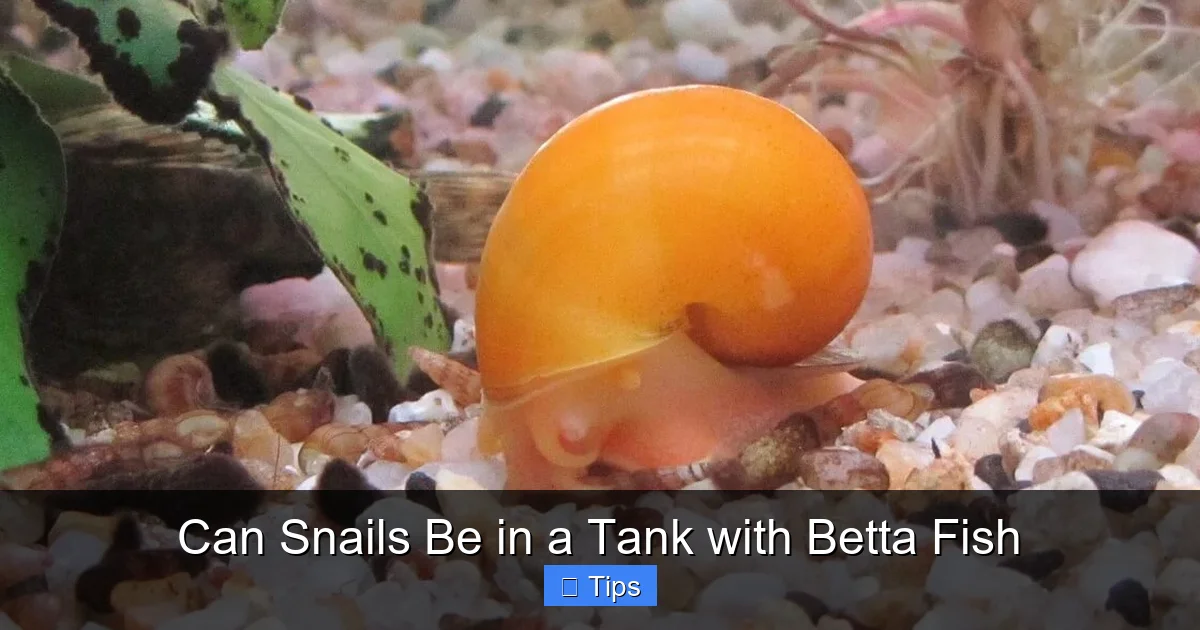
Yes, many snail species can be excellent, peaceful tankmates for betta fish. Their slow movements and hard shells typically make them uninteresting targets for a betta’s curiosity or aggression. Snails provide valuable cleanup services by consuming algae and uneaten food, helping maintain water quality. However, success depends on choosing the right snail species, providing a properly sized and decorated tank, and understanding both animals’ needs to prevent issues like overpopulation or snail predation.
So, you’ve got a beautiful, solitary betta fish—a Siamese fighting fish with its flowing fins and bold personality. You’ve set up a stunning tank, but maybe it feels a little… empty. Or perhaps you’re noticing some algae buildup and wondering about a natural cleanup solution. The thought crosses your mind: Can snails be in a tank with betta fish? It’s an excellent question, and the answer is a resounding, qualified yes. With careful selection and proper setup, snails can be fantastic, low-maintenance companions for your betta, enhancing the health and aesthetics of your aquatic world. This guide will dive deep into everything you need to know to create a successful betta and snail community.
Key Takeaways
- Compatibility is Species-Dependent: Not all snails are equal. Opt for peaceful, small-to-medium species like Nerite, Ramshorn, or Mystery snails. Avoid large, aggressive apple snails or tiny, prolific pest snails that bettas might see as food.
- Snails are Cleanup Crew, Not Decor: Their primary role is to help control algae and consume leftover food, improving tank hygiene. They should not be introduced solely for betta entertainment, as bettas often ignore them.
- Tank Size and Setup are Critical: A minimum 5-gallon tank is essential. Provide ample hiding places (plants, driftwood, caves) for the snail to retreat if the betta shows interest, and secure the lid to prevent escapes.
- Water Parameters Must Match: Both bettas and most common aquarium snails require similar tropical water conditions (temperature ~76-82°F, pH 7.0-7.5). Stable parameters are crucial for snail shell health.
- Monitor for Betta Aggression: While rare, some bettas may relentlessly harass a snail. Watch for constant chasing or nipping. If it occurs, you may need to rehome the snail or provide more complex décor.
- Prevent Unwanted Population Explosions: Many snails reproduce asexually. If you don’t want a snail army, choose male-only species (like Nerites) or species that require specific conditions to breed (like Mystery snails).
- Supplemental Feeding is Necessary: Snails cannot survive on algae and betta leftovers alone. Provide high-quality algae wafers, blanched vegetables (zucchini, spinach), or specialized snail food to ensure proper nutrition.
📑 Table of Contents
- Understanding Your Betta: The Temperamental Centerpiece
- The Snail Advantage: More Than Just a Pretty Shell
- Top Snail Species for Your Betta Tank: A Detailed Comparison
- Creating the Perfect Shared Habitat: Tank Setup & Maintenance
- Troubleshooting: When Harmony Falters
- Conclusion: A Rewarding Partnership
Understanding Your Betta: The Temperamental Centerpiece
Before even thinking about a snail, you must understand the star of the show: your betta. Betta splendens, with their vibrant colors and dramatic fins, are famously territorial. In the wild, they live in shallow, slow-moving waters like rice paddies and are solitary by nature. This instinct carries into captivity. A betta’s aggression isn’t necessarily malicious; it’s a defense of its perceived space.
The Betta’s Personality Spectrum
Not all bettas are created equal. Some are laid-back “gentle giants” who seem utterly uninterested in anything that moves slowly. Others are pint-sized tyrants who will flare at their own reflection. You need to observe your specific betta. A calm betta is far more likely to ignore a slowly cruising snail than one that’s constantly flaring at every shadow. If your betta is known to be particularly feisty, you’ll need to be extra diligent with tank setup and snail selection.
What Triggers a Betta?
Betta aggression is usually triggered by:
- Movement: Fast, darting movements (like some fish or shrimp) can trigger a chase response. Snails are perfect here—they are glacially slow.
- Color and Fins: Bright colors and long, flowing fins can be seen as rival bettas. Snails, with their solid shells and muted colors, don’t pose this threat.
- Invasion of Space: Anything that enters the betta’s established “bubble” near the surface or its favorite plant might get investigated.
Snails, therefore, hit the sweet spot: they move slowly, lack flashy colors, and generally mind their own business on the tank walls and substrate. This makes them one of the safest invertebrate options.
The Snail Advantage: More Than Just a Pretty Shell
Introducing a snail isn’t just about filling space; it’s a functional decision. Snails are the unsung heroes of the aquarium world, offering several key benefits that directly support your betta’s well-being.
Visual guide about Can Snails Be in a Tank with Betta Fish
Image source: healthyhomeaquarium.com
Natural Algae Control
While they won’t replace a good cleaning routine, many snails are excellent algae grazers. Species like Nerite snails are particularly renowned for their voracious appetite for the stubborn green spot algae that loves to coat tank glass and decorations. They’ll methodically scrape away, keeping your view clearer and reducing the need for you to scrub as frequently.
Waste Management and Detritus Removal
Snails are nature’s cleanup crew. They will actively seek out and consume uneaten betta pellets that sink to the bottom, decaying plant matter, and other organic detritus. This helps break down waste products before they fully decompose and spike your ammonia or nitrite levels. A cleaner substrate means a healthier, more stable nitrogen cycle for your betta.
Biological Filtration Boost
Like all aquarium inhabitants, snails produce waste (ammonia). In a cycled tank, the beneficial bacteria that process this ammonia are already present. A few snails add a tiny, negligible amount of extra bioload, but their real contribution is in the physical breakdown of waste, making it more accessible to those bacteria. It’s a synergistic relationship.
Stress Reduction for the Observer
Let’s be honest—watching a snail’s peaceful, methodical journey across the glass is calming. In a hobby where we worry about our betta’s stress levels, we sometimes forget our own. The gentle movement of a snail provides visual interest without the high-energy chaos of schooling fish, creating a more serene underwater scene.
Top Snail Species for Your Betta Tank: A Detailed Comparison
This is the most critical section. Choosing the wrong snail can lead to disaster—either a stressed betta, an overrun tank, or a dead snail. Here’s a breakdown of the best and worst candidates.
Visual guide about Can Snails Be in a Tank with Betta Fish
Image source: acaquarium.com
1. Nerite Snails (The Algae Specialists)
Nerite snails are arguably the gold standard for betta tanks.
- Pros: Excellent algae eaters (especially the Zebra and Tiger varieties). They have a beautiful, patterned shell. Crucially, they cannot reproduce in freshwater. They require brackish (slightly salty) water to lay eggs that will hatch, so you will never have a population explosion.
- Cons: They can be a bit more sensitive to poor water quality. Some species may try to escape if the water parameters aren’t ideal, so a tight-fitting lid is a must.
- Betta Compatibility: Excellent. Their hard shell and boring demeanor make them unappealing targets.
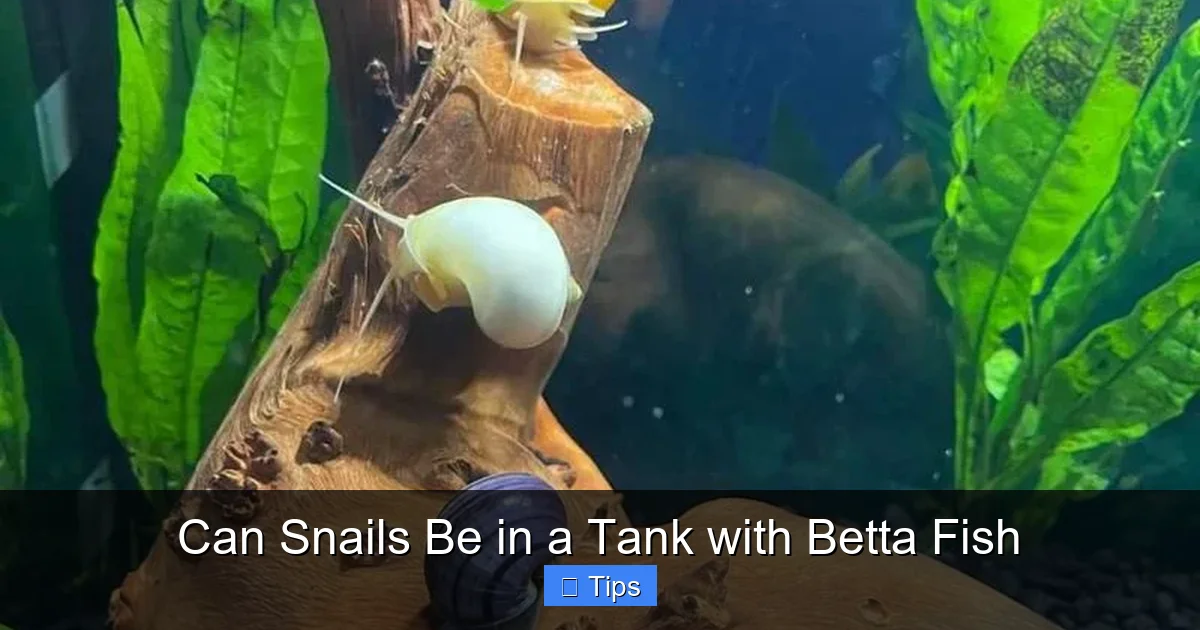
2. Mystery Snails (The Colorful Cleaners)
These are the popular, large, round snails that come in blue, gold, black, and ivory.
- Pros: Active cleanup crew that will eat algae, decaying matter, and leftovers. They are fascinating to watch as they surface for air. They are livebearers and can reproduce in freshwater, but the babies require very specific conditions to survive, so overpopulation is rarely an issue in a well-maintained betta tank.
- Cons: They produce more waste than smaller snails due to their size. Their larger size might attract a persistent betta, though the shell offers protection.
- Betta Compatibility: Very good. Their size is a benefit; a betta is unlikely to try and eat something with a shell that big.
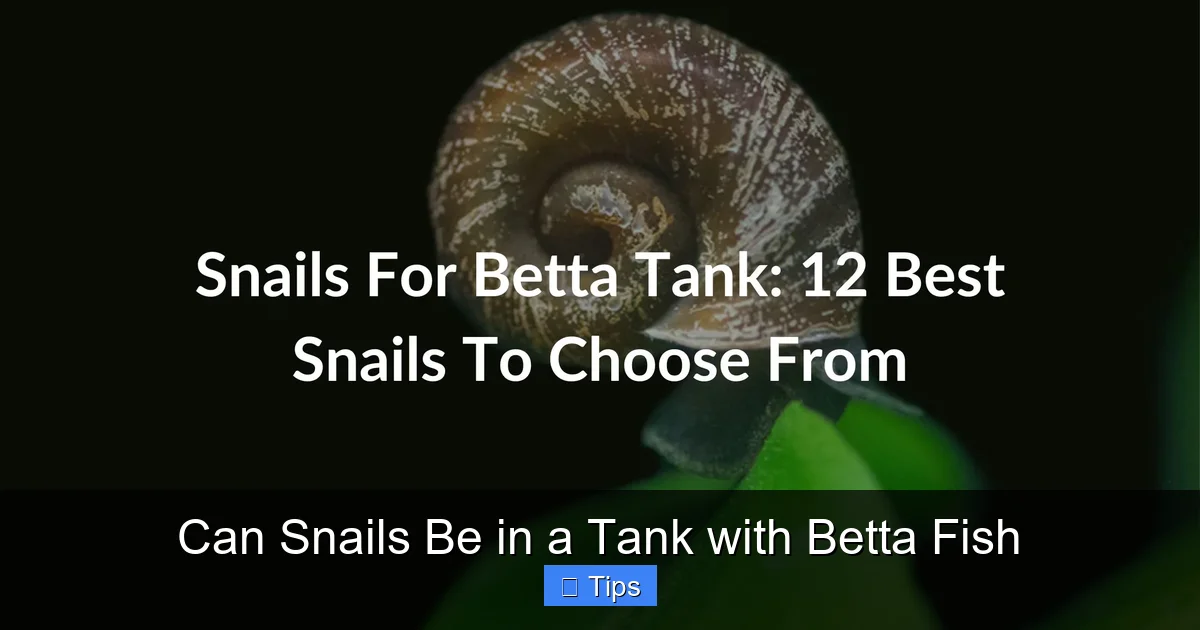
3. Ramshorn Snails (The Subtle Workers)
Small, planispiral (coiled like a ram’s horn) snails, often brown or red.
- Pros: Great for cleaning small spaces and soft algae. Very small and discreet. They are prolific breeders, but their population is usually kept in check by the amount of available food.
- Cons: Their small size means a betta could see them as food and try to eat them. They are also notorious “pest” snails that can hitchhike on plants.
- Betta Compatibility: Good to moderate. Best for bettas with calm temperaments. Monitor initially to ensure the betta doesn’t see them as snacks.
4. Malaysian Trumpet Snails (The Substrate Aerators)
Long, cone-shaped snails that burrow into the substrate.
- Pros: Excellent for sifting through sand or fine gravel, preventing anaerobic gas pockets. They are mostly nocturnal, so you may not see them often. They are livebearers and reproduce quickly if overfed.
- Cons: Their burrowing can sometimes uproot delicate plants. Their rapid reproduction can lead to a large, unseen population if you overfeed.
- Betta Compatibility: Excellent. They are almost always hidden in the substrate, posing zero threat or interest to a betta.
Snails to AVOID with Bettas:
- Apple Snails (Pomacea): Too large and can be destructive, eating live plants. Their size might provoke a betta.
- Assassin Snails: As the name implies, they are predatory and will eat other snails. Not a community cleaner.
- Any “Pest” Snail from a Store: If you buy a plant and see tiny snails, assume they are prolific breeders (like bladder or pond snails). They can quickly take over a tank.
Creating the Perfect Shared Habitat: Tank Setup & Maintenance
You wouldn’t move a new roommate into a cramped, barren studio apartment. The same principle applies here. A well-designed tank is the foundation of peace.
Visual guide about Can Snails Be in a Tank with Betta Fish
Image source: sp-ao.shortpixel.ai
Tank Size: The Non-Negotiable Rule
The absolute minimum is a 5-gallon (19-liter) tank for a single betta and snail. This provides enough space for the betta to establish its territory away from the snail’s grazing paths. A 10-gallon (38-liter) or larger is even better, offering more environmental enrichment and diluting any potential aggression. In a tiny 2.5-gallon “betta bowl,” a snail has nowhere to escape, and water quality will suffer faster from the extra bioload.
Essential Décor: Hiding Spots and Territory
The single most important element is hiding places. You need to break up the line of sight and provide the snail with a refuge.
- Live Plants: The best option. Hardy plants like Java fern, Anubias, and Java moss provide dense cover. Floating plants like frogbit or dwarf lettuce give shade and cover near the surface where the betta patrols.
- Driftwood & Rock Caves: Provide nooks and crannies. A small piece of cholla wood or a ceramic cave gives the snail a place to duck out of sight.
- Smooth Ornaments: Avoid sharp decorations that could damage the snail’s delicate body or shell.
Arrange décor to create different “zones.” Let the betta claim the upper, open water area, while the snail works the lower glass and plant leaves.
Water Parameters: The Shared Foundation
Bettas and most common aquarium snails thrive in similar, stable tropical conditions:
- Temperature: 76-82°F (24-28°C). Use a reliable heater. Colder water slows a snail’s metabolism drastically.
- pH: 7.0-7.5 is ideal. Snails need slightly alkaline water to build and maintain their calcium carbonate shells. Acidic water (below 6.5) can cause shell erosion.
- Hardness (GH/KH): Moderately hard water (8-12 dGH) is best for strong shell development. If your tap water is very soft, consider a mineral supplement or cuttlebone (in a mesh bag) for the snail.
- Water Quality: Ammonia and nitrite must be zero. Nitrates should be kept below 20 ppm with regular water changes. Snails are sensitive to water pollutants like copper (found in some medications).
Feeding: A Two-Part Strategy
You cannot rely on your betta’s leftovers to feed a snail. It’s an inadequate and unbalanced diet.
- For the Betta: Feed high-quality pellets or frozen foods once or twice a day, only what it can eat in 2-3 minutes. This minimizes waste for the snail.
- For the Snail: Provide dedicated snail food 2-3 times a week. Options include:
- High-quality algae wafers (drop one near the bottom).
- Blanched vegetables: zucchini, cucumber, spinach, kale. (Blanching makes them sink).
- Specialized snail supplements or calcium blocks.
Remove any uneaten vegetable matter after 24 hours to prevent water quality issues.
Maintenance Routine
With a snail, your maintenance routine needs slight adjustments:
- Water Changes: Continue 25-30% weekly water changes with dechlorinated water matching tank temperature. This dilutes nitrates that snails are sensitive to.
- Glass Cleaning: Let your Nerite snail do the front glass! Use an algae scraper only on the sides they can’t reach or for excessive growth.
- Substrate Vacuuming: Be gentle around plant roots and snail hideouts. Vacuum debris from open areas.
- Filter Maintenance: Rinse filter media in old tank water (not tap water) once a month to preserve beneficial bacteria.
Troubleshooting: When Harmony Falters
Even with the best planning, you might encounter issues. Here’s how to diagnose and fix them.
Scenario 1: My Betta is Chasing/Nipping the Snail!
First, don’t panic. A curious betta may investigate a new snail. However, relentless chasing is stressful for both.
- Solution: Immediately add more hiding places—dense plants, additional caves. Rearrange the tank layout to break up territories. Place a tall, bushy plant right near the betta’s favorite spot to give the snail a direct escape route. In extreme cases, you may need to rehome the snail to a different tank.
Scenario 2: My Snail is Not Moving or is Upside Down!
This is often a sign of poor water quality or a lack of calcium.
- Diagnose: Test your water immediately for ammonia, nitrite, and pH. Check your GH (general hardness).
- Solution: Perform an immediate 25% water change with perfectly matched water. Ensure your filter is working. Add a calcium source (liquid calcium supplement, a piece of cuttlebone in a mesh bag). If the snail is dead, remove it promptly to prevent an ammonia spike.
Scenario 3: I Have an Overpopulation of Snails!
This usually happens with prolific breeders like Ramshorns or Malaysian Trumpets, and the cause is almost always overfeeding.
- Solution: Cut back all food—both for the betta and the snails. Reduce supplemental feedings. You can manually remove snails you don’t want. For a severe outbreak, you can use a snail trap (a lettuce leaf or cucumber slice in the tank overnight, then remove with snails attached). Do not use chemical snail killers in a betta tank; they are toxic.
Scenario 4: My Snail’s Shell is Cracked or Pitted
This indicates a lack of dietary calcium or acidic water.
- Solution: Test and adjust your pH to be neutral to slightly alkaline. Begin regular calcium supplementation. Provide a piece of antler (from a pet store, not the wild) or a commercial calcium block. A cracked shell is an open invitation for infection; keep water quality pristine.
Conclusion: A Rewarding Partnership
So, can snails be in a tank with betta fish? The evidence overwhelmingly says yes, they can be a wonderful addition. The key lies in being a thoughtful aquarist. Start with a properly sized, well-decorated tank. Choose a compatible snail species—Nerites and Mystery snails are your safest, most beneficial bets. Understand that you are caring for two distinct creatures with overlapping but not identical needs, particularly regarding diet and water chemistry.
By providing a stable, clean environment with plenty of hiding spots and proper nutrition, you set the stage for a serene underwater tableau. Your betta will patrol its kingdom, oblivious to the slow-moving janitor keeping the glass clean. The snail will go about its peaceful work, a fascinating little creature adding a different dimension to your aquatic world. It’s a low-stress, high-reward combination that showcases the beauty and balance of a well-planned nano or community aquarium. Do your research, observe your animals, and enjoy the calm companionship of your betta and its shelled friend.
Frequently Asked Questions
Will my betta fish try to eat a snail?
It’s possible, especially if the snail is very small (like a baby Ramshorn) and the betta is particularly aggressive. However, most common snail species have hard shells that make them difficult and unappealing to eat. Bettas are more likely to investigate or flare at a snail than to actually consume it. Choosing a larger snail like a Mystery or a hard-shelled Nerite greatly reduces this risk.
Do snails need a special diet besides algae and leftovers?
Yes, absolutely. Relying solely on algae and uneaten betta food leads to malnutrition and poor shell health. Snails require a diet rich in calcium and other minerals. You should supplement with algae wafers, blanched vegetables (zucchini, spinach), or commercial snail food 2-3 times per week to ensure they get proper nutrition for strong shell growth.
How do I prevent my snails from overpopulating the tank?
Prevention starts with species choice. Choose snails that cannot reproduce in freshwater, like Nerite snails. For species that can breed (Mystery, Ramshorn, MTS), control is about food management. Only feed what your betta can eat in a few minutes and limit supplemental snail food. Snails reproduce based on available food supply. Keeping the tank clean and not overfeeding is the most effective control method.
What water parameters are best for both bettas and snails?
Both thrive in stable, tropical freshwater conditions: temperature between 76-82°F (24-28°C), pH between 7.0-7.5 (slightly alkaline is best for snails), and zero ammonia/nitrite. Most importantly, the water should be moderately hard (8-12 dGH) to provide the calcium snails need for healthy shell development. Always use a dechlorinator and cycle the tank before adding any livestock.
Can snails escape from the tank?
Yes, some species, particularly Nerite snails, are notorious escape artists. They can climb out of the water if they are unhappy with water parameters, are searching for food, or simply because they can. A secure, tight-fitting lid is absolutely mandatory for any betta tank with snails to prevent a dried-out snail on your floor.
My snail is climbing out of the water onto the tank lid. Is something wrong?
This is often a sign of poor water quality, especially high ammonia/nitrate levels, or water that is too soft (lacking minerals). It can also happen if the water is too cold. First, test your water parameters immediately. Perform a water change if needed. Check your GH (hardness) and consider a calcium supplement. Ensure your heater is maintaining a stable temperature. The snail is trying to escape an unsuitable environment.