Is Light Bad for Betta Fish
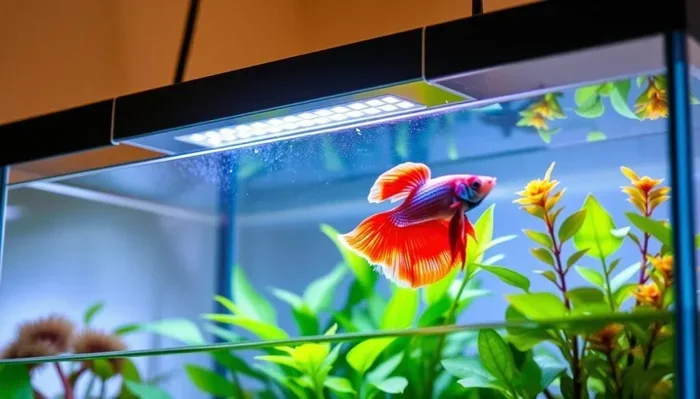
Is light bad for betta fish? The short answer is no — light itself is not harmful, but too much or the wrong type of light can cause stress, sleep problems, and health issues. Betta fish need a balanced day-and-night cycle to thrive. This guide covers everything you need to know about betta fish lighting, including the best types of light, how many hours to keep lights on, and common mistakes to avoid.
Keeping a betta fish healthy goes beyond feeding the right food and maintaining clean water. One factor many fish owners overlook is lighting. The question is light bad for betta fish comes up often, and the answer is more nuanced than you might think. Light plays a big role in your betta’s daily life. It affects their mood, sleep, appetite, and even their vibrant colors.
So, let’s break it all down. By the end of this guide, you will know exactly how to set up the right lighting for your betta tank. You will also learn what to avoid and why a few small changes can make a huge difference.
Key Takeaways
- Betta fish need light: A proper light cycle supports their health, color, and natural behavior.
- Too much light is harmful: Excessive or intense light causes stress, eye strain, and disrupts sleep.
- LED lights work well: They are energy-efficient, produce less heat, and are safe for betta tanks.
- 10-12 hours of light per day is ideal: This mimics their natural habitat and keeps their body clock regulated.
- Color changing lights can be risky: Frequent color shifts may overstimulate your betta and cause stress.
- Darkness matters: Betta fish need uninterrupted darkness at night to rest properly.
📑 Table of Contents
- Why Lighting Matters for Betta Fish
- Can Too Much Light Harm Your Betta Fish?
- What Type of Light Is Best for a Betta Fish Tank?
- How Many Hours of Light Does a Betta Fish Need?
- Common Lighting Mistakes to Avoid
- Do Betta Fish Need Light at Night?
- Expert Tips for the Perfect Betta Tank Lighting Setup
- Final Thoughts
Why Lighting Matters for Betta Fish
Betta fish originate from the shallow, warm waters of Southeast Asia. In their natural habitat, they experience a mix of sunlight and shade throughout the day. They are not used to constant bright light or total darkness. This means their bodies rely on a natural rhythm of light and dark to function properly.
When you keep a betta in a tank, you become responsible for recreating that rhythm. Without proper lighting, your fish may become stressed, lose color, or develop irregular sleep patterns. On the flip side, too much light can be just as harmful. Finding the right balance is the key to keeping your betta happy and healthy.
Proper betta fish lighting also supports live plants if you have them in your tank. Plants need light to photosynthesize, and healthy plants help maintain clean water. So lighting is not just about your fish — it affects the entire tank ecosystem.
How Light Affects Betta Fish Behavior
Have you ever noticed your betta becoming more active when the light turns on? That is because light signals their brain to wake up and start the day. In the wild, bettas are most active during daylight hours. They hunt, explore, and build bubble nests when the light is right.
Without a consistent light schedule, your betta may become confused. Some fish swim erratically, hide more than usual, or refuse to eat. A regular light routine helps your betta feel safe and secure. It gives them a predictable environment, which reduces stress significantly.
It is also worth noting that do betta fish hate light is a common search query. The truth is, bettas do not hate light. They simply need it in moderation. Sudden changes in brightness or overly intense light are what cause problems.
Can Too Much Light Harm Your Betta Fish?
Now let’s address the core question directly. Is light bad for betta fish when there is too much of it? Yes, excessive light can definitely cause problems. The key word here is balance. Just like humans, betta fish need periods of rest. Leaving the tank light on 24 hours a day is a recipe for trouble.
Stress and Overexposure
When a betta fish is exposed to bright light for too long, its body releases stress hormones. Over time, this weakens the immune system and makes the fish more vulnerable to diseases. You might notice your betta hiding behind decorations or staying in one corner of the tank. These are signs of light-induced stress.
If your tank is placed near a window, natural sunlight can also cause issues. Direct sunlight heats the water unevenly and promotes algae growth. Algae blooms can spike ammonia levels, which is dangerous for your betta. So, while natural light feels free and natural, it is often harder to control than artificial lighting.
Sleep Disruption
Betta fish need darkness to sleep. They do not have eyelids, so they cannot close their eyes. Instead, they rest in low-light or dark conditions. If the light stays on all night, your betta may struggle to get enough rest. A sleep-deprived betta becomes sluggish, loses its appetite, and may even become aggressive.
Think of it this way. Imagine trying to sleep with a bright lamp shining in your face every night. That is what constant light does to your fish. A consistent dark period at night is essential for their well-being.
What Type of Light Is Best for a Betta Fish Tank?
Not all lights are created equal. The type of light you choose for your betta tank matters a great deal. Some lights are too harsh, while others are too dim. Let us look at the best options available.
LED Lights
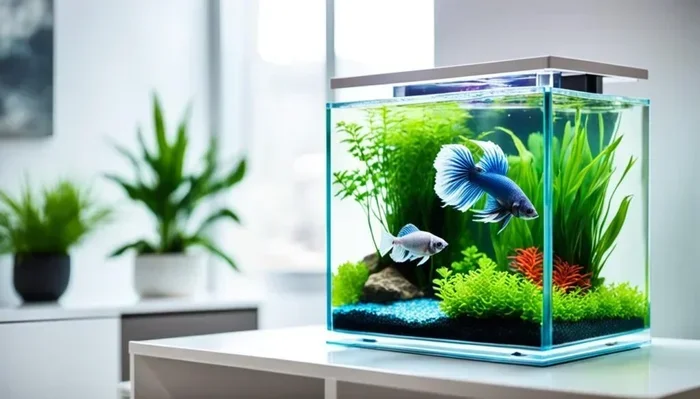
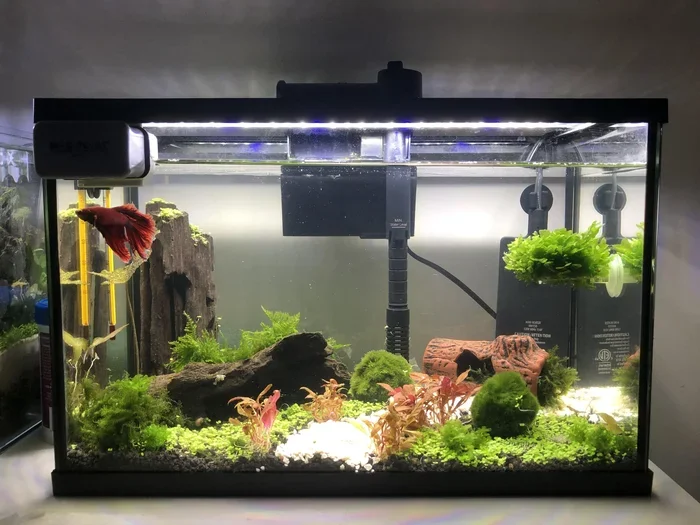
LED lights are widely considered the best choice for betta tanks. They are energy-efficient, last a long time, and produce very little heat. You can find LED lights designed specifically for aquariums, many of which come with adjustable brightness settings. This makes it easy to control the intensity and create a comfortable environment for your betta.
LED lights also come in different color temperatures. A neutral white light around 6500K works well for most betta tanks. It provides enough brightness to see your fish clearly without being too harsh.
Fluorescent Lights
Standard fluorescent strip lights are another popular option. They work well in smaller tanks and provide even light distribution. However, they tend to produce more heat than LEDs. If you go with fluorescent lights, make sure your tank has proper ventilation to prevent temperature spikes.
Incandescent Lights
Incandescent bulbs are generally not recommended for betta tanks. They produce a lot of heat and can raise the water temperature quickly. Since betta fish are sensitive to temperature changes, this can be dangerous. Stick with LED or fluorescent options for a safer and more stable environment.
Are Color Changing Lights Bad for Betta Fish?
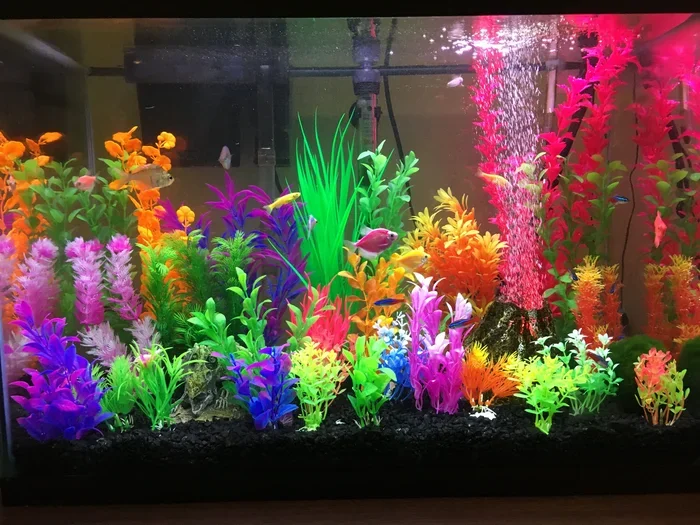
This is a question many new fish owners ask. The short answer is yes, color changing lights can be problematic. Frequent shifts in color can overstimulate your betta and disrupt their natural rhythm. Some color-changing lights also emit wavelengths that may be harsh on a betta’s sensitive eyes. If you want to add a decorative touch, choose a light with a fixed, gentle color rather than one that constantly shifts.
If you are curious about this topic, you can read more about color changing lights for betta fish in our detailed guide.
How Many Hours of Light Does a Betta Fish Need?
The ideal lighting schedule for a betta fish tank is 10 to 12 hours of light per day. This gives your fish enough time to be active, eat, and interact with their environment. The remaining 12 to 14 hours should be dark, allowing your betta to rest and recover.
Setting Up a Light Schedule
The easiest way to maintain a consistent schedule is to use a light timer. You can plug your aquarium light into a simple outlet timer and set it to turn on in the morning and off at night. This removes the guesswork and ensures your betta gets the same routine every day.
Here is a sample schedule you can follow:
- 7:00 AM: Lights turn on
- 7:00 PM: Lights turn off
- Night: Complete darkness for rest
Consistency is more important than the exact time. Whether you choose 7 AM to 7 PM or 8 AM to 8 PM, the key is to keep the schedule the same every single day. Irregular lighting can confuse your betta and lead to stress.
Signs Your Betta Is Getting Too Much Light
Watch for these warning signs that your betta may be getting too much light:
- Hiding or staying in dark corners of the tank
- Refusing to eat or eating less than usual
- Faded or dull coloration
- Erratic swimming or darting movements
- Clamped fins close to the body
If you notice any of these behaviors, try reducing the light duration or lowering the intensity. Small adjustments can make a big difference in your fish’s comfort level.
Common Lighting Mistakes to Avoid
Even experienced fish owners sometimes make mistakes when it comes to tank lighting. Here are the most common ones and how to fix them.
Placing the Tank in Direct Sunlight
It might seem convenient to put your betta tank near a window. But direct sunlight causes several problems. It overheats the water, promotes algae blooms, and creates uneven lighting patterns. Your betta may experience sudden bursts of bright light followed by shade, which is stressful and disorienting.
Using Lights That Are Too Bright
A common mistake is choosing a light that is too powerful for a small tank. A bright light in a 5-gallon tank can be overwhelming. Always match the light intensity to the size of your tank. If you are unsure whether your current light is too strong, you can read our article on whether a light can be too bright for a betta fish for more guidance.
Forgetting to Turn the Lights Off
It is easy to forget about the tank light when you are busy. But leaving it on overnight disrupts your betta’s sleep cycle. A simple timer solves this problem entirely. Once you set it up, you never have to think about it again.
Ignoring the Needs of Live Plants
If you have live plants in your betta tank, they need light too. But more is not always better. Too much plant light can also fuel algae growth. Choose a light that supports both your fish and your plants without going overboard.
Do Betta Fish Need Light at Night?
The answer is no. Betta fish do not need light at night. In fact, darkness is essential for their health. During the night, bettas enter a resting state. Their metabolism slows down, and their body repairs itself. This rest period is just as important as their active hours during the day.
Some fish owners worry that their betta cannot see in the dark. But bettas have decent night vision and can navigate their tank without any light. They rely more on their senses of touch and smell than on sight in low-light conditions. So turning off the light at night is completely natural and beneficial for your fish.
If you need to check on your betta after dark, use a very dim flashlight or a small moonlight LED made for aquariums. Avoid shining a bright light directly into the tank, as this can startle your fish and interrupt their rest.
Expert Tips for the Perfect Betta Tank Lighting Setup
Here are some practical tips from experienced aquarists to help you get the lighting just right for your betta fish:
- Invest in a timer: A $10 outlet timer is one of the best purchases you can make for your aquarium. It ensures consistency without any effort.
- Start with lower intensity: If you are unsure about the right brightness, start dim and gradually increase. Watch your betta’s behavior to see how they respond.
- Use a light with a diffuser: A diffuser spreads the light evenly across the tank and prevents harsh hotspots that can stress your fish.
- Monitor water temperature: Lights produce heat, especially in smaller tanks. Keep a thermometer handy and check the temperature daily.
- Consider your room’s natural light: If your room already gets plenty of natural light during the day, you may need less artificial light. Adjust accordingly.
Remember, every betta is different. Some fish are more sensitive to light than others. Pay attention to your individual fish and make adjustments based on their behavior. A happy, relaxed betta will explore the tank, build bubble nests, and show off its beautiful colors.
Final Thoughts
So, is light bad for betta fish? The answer comes down to balance. Light is not the enemy. In fact, it is essential for your betta’s health, color, and daily rhythm. But too much light, the wrong type of light, or an inconsistent schedule can cause real problems. By choosing the right light, setting a consistent schedule, and giving your betta plenty of dark time to rest, you create a thriving environment where your fish can truly flourish.
Take a moment to evaluate your current setup. Are you using the right type of light? Is your betta getting 10 to 12 hours of light per day? Is there complete darkness at night? Small changes today can lead to a happier, healthier betta tomorrow.
For more information on betta care, check out our article on whether betta fish always need light to deepen your understanding of their lighting needs.
Frequently Asked Questions
Can I use a regular household lamp to light my betta tank?
You can, but it is not ideal. Household lamps are not designed for aquariums and may produce too much heat or uneven light. A dedicated aquarium LED light is a safer and more effective choice for your betta fish.
How do I know if my betta fish is stressed by light?
Watch for signs like hiding, clamped fins, loss of appetite, or faded colors. If your betta displays any of these behaviors after the light turns on, the light may be too bright or on for too long. Try reducing the duration or intensity and see if their behavior improves.
Is natural sunlight good for betta fish tanks?
Natural sunlight can cause temperature swings and algae overgrowth in a betta tank. It is hard to control and often leads to more problems than it solves. Stick with artificial aquarium lighting for a stable and safe environment.
Do betta fish need light to show their colors?
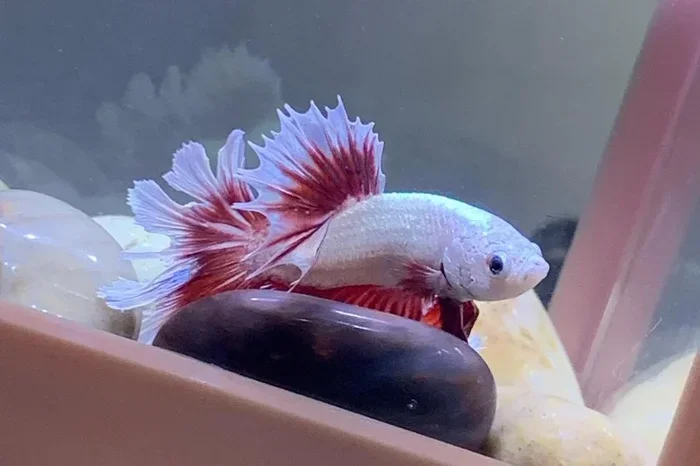
Yes, light helps bring out the vibrant colors of a betta fish. Without adequate lighting, their colors may appear dull. However, the light should be moderate and consistent. Overly bright light can actually wash out their colors and cause stress.
What is the best color light for a betta fish tank?
A neutral white light around 6500K is the best choice for most betta tanks. It provides clear visibility and a natural look without being too harsh. Avoid blue or red lights for extended periods, as they can disrupt your betta’s sleep cycle.
Can I leave my betta tank light on 24 hours a day?
No, you should never leave the light on all the time. Betta fish need a day-and-night cycle to stay healthy. Keeping the light on 24/7 causes stress, sleep deprivation, and can weaken their immune system. Use a timer to automate a 10 to 12 hour light schedule.