Do Betta Fish Grow Their Fins Back
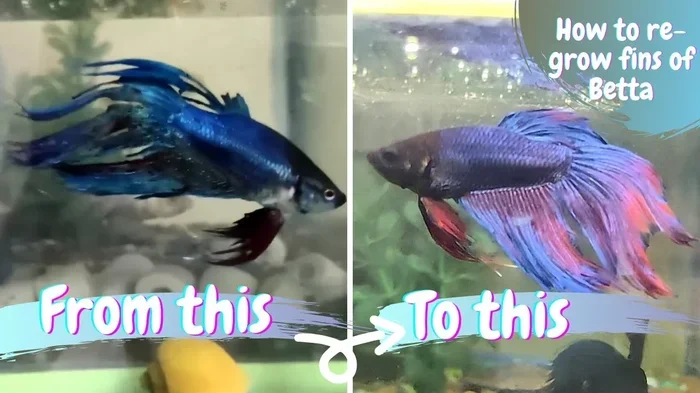
Yes, do betta fish grow their fins back in most cases. With proper care, clean water, and a healthy diet, your betta can fully regrow damaged or lost fins. This guide covers the regrowth timeline, common causes of fin loss, and simple steps you can take to speed up healing.
Do betta fish grow their fins back? The short answer is yes. If your betta has lost fins due to injury, fin rot, or chewing, there is a good chance those fins will grow back. Betta fish have a remarkable ability to regenerate damaged tissue, including their beautiful, flowing fins. But the regrowth process depends on several factors, and knowing what those factors are can make a huge difference in how fast and how fully your fish recovers.
In this guide, we will walk you through everything you need to know about betta fish fin regrowth. You will learn why bettas lose their fins, how long regrowth takes, what you can do to help, and how to prevent future damage. Whether your betta is currently healing or you are just trying to understand the process, this article has you covered.
Understanding fin regeneration in bettas starts with knowing a little about how fish bodies work. Unlike mammals, fish have specialized cells that can rebuild damaged tissue. This means a torn fin or a nipped tail is not always a permanent problem. But the healing process needs the right conditions to succeed.
Key Takeaways
- Betta fish can regrow fins: Most fin damage is temporary, and fins do grow back over time.
- Fin rot is the top cause: Bacterial or fungal infections are the most common reasons bettas lose their fins.
- Clean water speeds healing: Regular water changes and proper tank maintenance are essential for fin regrowth.
- Diet plays a role: High-quality food supports tissue repair and overall fish health.
- Timeframe varies: Full fin regrowth can take a few weeks to several months depending on severity.
- Prevention is key: Reducing stressors in the tank helps prevent future fin damage.
📑 Table of Contents
Why Do Betta Fish Lose Their Fins?
Before you can help your betta regrow fins, you need to understand what caused the damage in the first place. There are several common reasons bettas lose their fins, and each one requires a slightly different approach to treatment and recovery.
Fin Rot
Fin rot is the most common cause of fin loss in betta fish. It happens when bacteria or fungi infect the fin tissue. You will usually notice the edges of the fins turning white, brown, or ragged. Over time, the rot can spread further up the fin, causing more damage.
Fin rot is often triggered by poor water quality. When ammonia or nitrite levels rise in the tank, the fish becomes stressed and its immune system weakens. This makes it easier for harmful organisms to take hold. If your betta has fin rot, the good news is that fins can grow back after treatment.
Fin Nipping from Tankmates
Betta fish sometimes share tanks with other fish. Unfortunately, some fish see long, flowing betta fins as something to nip at. Even other bettas can be aggressive toward each other. Fin nipping causes tears and splits in the fins, which can become infected if not treated.
Physical Injury
Sharp decorations, rough filter intakes, or even jumping out of the tank can cause physical damage to a betta’s fins. These injuries are usually straightforward to treat, and the fins often grow back without complications if the wound stays clean.
Self-Inflicted Damage
Some bettas chew or tear their own fins. This behavior can stem from boredom, stress, or curiosity. If your betta eats its own fins, it is important to address the underlying cause, whether that is stress, lack of stimulation, or an underlying health issue.
How Long Does It Take for Betta Fins to Grow Back?
The regrowth timeline for betta fins varies quite a bit. It depends on the severity of the damage, the overall health of the fish, and the quality of care you provide. Here is a general breakdown:
- Minor damage: Small tears or nips usually heal within 2 to 4 weeks.
- Moderate damage: Partial fin loss can take 4 to 8 weeks for noticeable regrowth.
- Severe damage: If a large portion of the fin is lost, full regrowth may take 2 to 4 months or longer.
Young betta fish tend to heal faster than older ones. A healthy betta eating well and living in clean water will recover more quickly than one that is stressed or sick. Betta fish fins do regrow naturally when given the right environment and time.
What Does Regrowing Fin Tissue Look Like?
When fins start to regrow, you will notice small, translucent buds forming at the base of the damaged area. These buds gradually grow into new fin rays and webbing. The new fins may look slightly different in color or shape at first, but they usually mature to match the original fins over time.
How to Help Your Betta Regrow Fins Faster
You are not just a spectator in this process. There are several things you can do to support your betta’s healing and encourage faster fin regrowth. Think of yourself as your fish’s personal recovery coach.
Improve Water Quality
This is the single most important thing you can do. Clean, stable water reduces stress and prevents infections from worsening. Here is what to focus on:
- Perform regular water changes: Aim for 25 to 30 percent weekly changes.
- Test water parameters: Keep ammonia and nitrite at zero, and nitrate below 20 ppm.
- Use a gentle filter: Strong filter currents can damage delicate regrowing fins.
- Maintain proper temperature: Keep the tank between 78 and 80 degrees Fahrenheit.
Add Aquarium Salt (Carefully)
Many fish keepers use aquarium salt to help bettas recover from fin damage. Salt creates a slightly osmotic environment that can reduce swelling and support healing. Use it sparingly, though. A dosage of one teaspoon per gallon is a common starting point, but always research proper dosing before adding salt to your tank.
Feed a Nutritious Diet
Healthy tissue growth requires good nutrition. Feed your betta a varied diet that includes:
- High-quality betta pellets or flakes
- Frozen or live bloodworms
- Brine shrimp
- Daphnia for digestive health
A well-fed betta has the energy and building blocks it needs to repair damaged tissue. Avoid overfeeding, though, as excess food can foul the water quickly.
Reduce Stress in the Tank
Stress slows healing. To keep your betta calm during recovery:
- Provide hiding spots with soft plants or caves
- Avoid sudden changes in lighting or tank decor
- Keep the tank in a quiet area of your home
- Limit handling and netting
Treat Infections Promptly
If you notice signs of infection, such as white edges on the fins, redness, or fuzzy growth, treat the issue early. Over-the-counter medications designed for fin rot can be very effective. Always follow dosage instructions carefully and remove carbon from your filter during treatment, as carbon can absorb medications.
Quick Tips for Fin Regrowth
- Check water parameters daily during the healing phase
- Avoid sharp decorations in the tank
- Do not use soap or chemicals near the tank
- Be patient, as fin regrowth takes time
- Observe your betta daily for changes in behavior or appearance
Can All Betta Fish Regrow Their Fins?
Most bettas can regrow fins, but there are exceptions. If the damage is extremely severe or if the fin base is completely destroyed, regrowth may be limited or impossible. Additionally, older bettas or fish with weakened immune systems may struggle to regenerate tissue as effectively.
Understanding why betta fish lose their fins helps you prevent future damage and give your fish the best chance at a full recovery. Common factors include aggressive tankmates, poor water conditions, and physical hazards in the aquarium.
Some bettas also experience fin fraying with age. As bettas get older, their fins may naturally become more delicate and prone to damage. This is a normal part of aging, and while the fins may not look as vibrant as they once did, the fish can still live a happy and healthy life.
Preventing Future Fin Damage
Once your betta’s fins have grown back, you will want to keep them healthy and intact. Prevention is always better than cure, and a few simple steps can go a long way.
Choose Tankmates Carefully
If you keep your betta in a community tank, choose peaceful, small fish that are unlikely to nip fins. Avoid fish with sharp fins or aggressive temperaments. Some good options include small tetras, corydoras catfish, and peaceful shrimp.
Inspect Decorations Regularly
Check all decorations, plants, and equipment for rough edges or sharp points. Even a tiny snag can tear a fin, and torn fins are an open door for infection. Smooth out any rough areas and consider using silk plants instead of sharp plastic ones.
Maintain a Consistent Routine
Consistency is key to betta health. Stick to a regular feeding schedule, perform water changes on time, and monitor your tank parameters consistently. A stable environment keeps your betta stress-free and its fins in great condition.
Watch for Early Warning Signs
Catching fin problems early makes treatment much easier. Keep an eye out for:
- Frayed or ragged fin edges
- White or brown discoloration on fins
- Fins clamped close to the body
- Reluctance to swim or loss of appetite
Addressing these signs quickly can prevent minor issues from becoming major problems.
Common Mistakes to Avoid During Fin Recovery
Even well-meaning fish keepers can make mistakes that slow down the healing process. Here are some common errors to avoid:
- Skipping water changes: Dirty water slows healing and can cause reinfection.
- Overmedicating: Too much medication can harm your betta’s kidneys and gills.
- Moving the tank around: Vibrations and disturbances stress the fish and delay recovery.
- Ignoring water temperature: Cold water weakens the immune system and slows healing.
- Adding new fish too soon: New tankmates can introduce aggression and disease during the recovery period.
Avoiding these mistakes gives your betta the best possible environment for healing. Patience and consistency are your greatest allies in the fin recovery process.
Expert Insights on Betta Fin Regeneration
Veterinarians and experienced aquarists agree that betta fish have a strong capacity for fin regeneration. The key is providing optimal conditions that support the body’s natural healing mechanisms. Water quality, nutrition, and stress reduction form the three pillars of successful fin recovery.
Some experts also recommend adding Indian almond leaves or catappa leaves to the tank. These leaves release natural compounds that can mildly soften the water and have antibacterial properties. Many fish keepers report faster healing when using these natural supplements.
It is also worth noting that fin regeneration is not instant. The new fins grow slowly, and you may notice the regrowth appears uneven at first. This is completely normal. Over time, the new tissue will fill in and the fins will regain their shape and beauty.
Conclusion
Do betta fish grow their fins back? Yes, they absolutely can. With the right care, most bettas will fully regrow damaged fins over a period of weeks to months. The secret lies in maintaining clean water, feeding a nutritious diet, reducing stress, and treating any infections quickly. By following the tips in this guide, you give your betta the best possible chance at a full and speedy recovery. Keep patience, stay consistent, and enjoy watching those beautiful fins grow back.
Frequently Asked Questions
Do betta fish grow their fins back after fin rot?
Yes, betta fish can regrow fins after fin rot, provided the infection is treated early and water quality is maintained. Mild to moderate fin rot usually results in full regrowth within a few weeks to a couple of months.
How long does it take for betta fins to grow back completely?
Complete fin regrowth typically takes 4 to 8 weeks for moderate damage and up to 4 months for severe damage. The timeline depends on the size of the damage, the fish’s age, and the quality of care provided.
Can a betta fish lose its fins permanently?
In rare cases, severe damage that destroys the fin base can prevent regrowth. However, most common causes of fin loss, such as fin rot, nipping, or minor injuries, do not result in permanent fin loss if treated properly.
Should I quarantine my betta during fin regrowth?
Quarantine is a good idea if your betta is in a community tank or if there is an active infection. A separate hospital tank provides a stress-free environment and makes it easier to monitor progress and administer treatment.
Does aquarium salt help betta fins grow back?
Aquarium salt can support fin healing by reducing swelling and creating a less favorable environment for bacteria. Use it at safe dosages, typically one teaspoon per gallon, and avoid prolonged use without breaks.
What causes betta fins to stop growing back?
Fins may stop regrowing if the fish has a severely weakened immune system, if the water quality remains poor, or if the damage reaches the fin base. Chronic stress, untreated infections, and old age can also hinder the regrowth process.