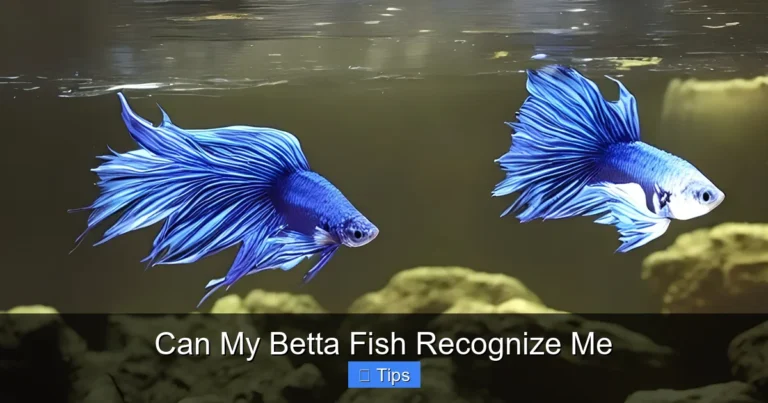
Can Plecos Live with Betta Fish
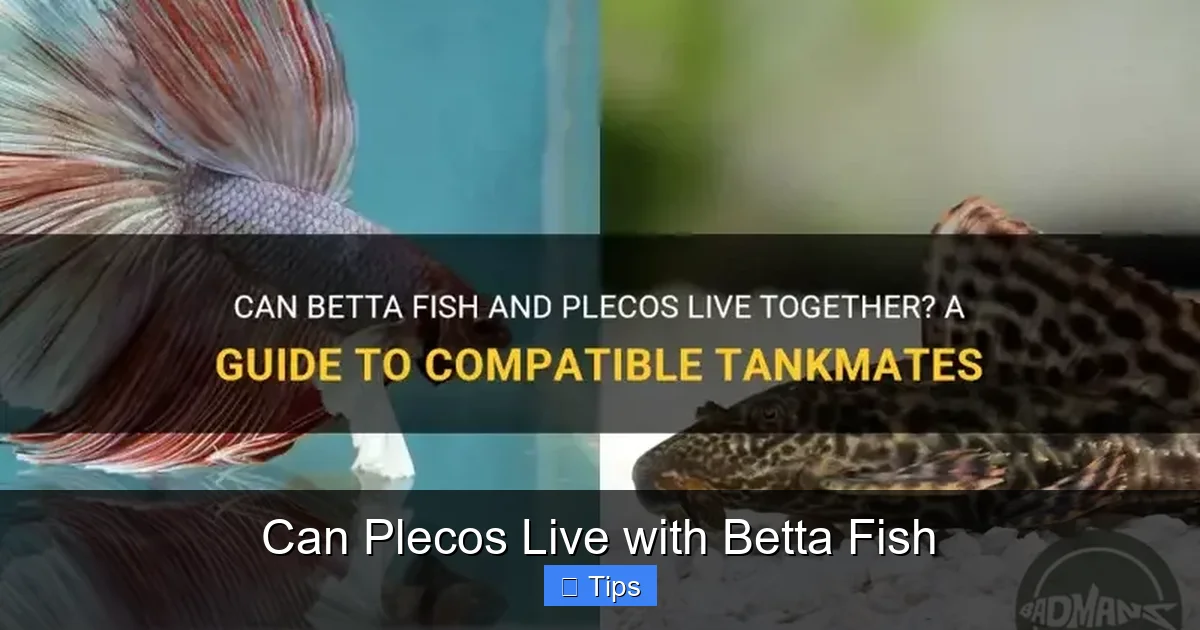
Yes, plecos can sometimes live with betta fish, but it’s far from guaranteed and depends heavily on selecting the right pleco species, providing a spacious and well-decorated tank, and carefully monitoring both fish’s personalities. Success hinges on avoiding large, aggressive pleco varieties and instead opting for smaller, peaceful species like the Bristlenose or Clown Pleco in a tank of 20+ gallons with abundant hiding places. While bettas are often the aggressor due to their territorial nature, a properly sized and structured environment can mitigate risks and create a stable community for both species.
So, you’ve got a beautiful, flowing-finned betta in a tank, and you’re dreaming of adding a quirky, sucker-mouth cleaner to the ecosystem. The idea of a pleco peacefully munching on algae while your betta flaunts its colors is an appealing one, a classic image in the aquarium hobby. But before you head to the pet store, we need to have a serious talk. The question “Can plecos live with betta fish?” is one of the most common in fishkeeping forums, and the answer is a nuanced, heavily qualified maybe. It’s a path filled with potential pitfalls but also with the possibility of success if you arm yourself with the right knowledge, equipment, and patience. This guide will dive deep into the realities of this popular tank pairing, separating myth from methodical fishkeeping practice.
Key Takeaways
- Compatibility is not a given: The betta’s notorious aggression and the pleco’s eventual size and needs mean cohabitation requires careful planning and is never 100% guaranteed.
- Tank size is non-negotiable: A minimum of 20 gallons is strongly recommended; larger is always better to provide distinct territories and dilute the betta’s territorial instincts.
- Pleco species selection is critical: Avoid “common plecos” (Hypostomus plecostomus) and other large species. Focus on small, peaceful loricariids like Bristlenose, Clown, or Zebra Plecos.
- Hiding spots are essential: The tank must be heavily decorated with driftwood, caves, rocks, and dense plants to give the pleco refuge from a potentially curious or hostile betta.
- Feeding must be deliberate: Plecos are not pure algae eaters; they require high-quality sinking pellets, algae wafers, and occasional protein to stay healthy and less likely to scavenge aggressively.
- Constant observation is required: You must watch for signs of stress, bullying, or fin-nipping, especially during the initial introduction period and if the betta’s behavior changes.
- Water parameters must suit both: Bettas need warm water (78-80°F), while some plecos prefer slightly cooler temps. Finding a safe middle ground (around 78°F) and maintaining excellent water quality is vital for both.
📑 Table of Contents
Understanding the Personalities: Betta vs. Pleco
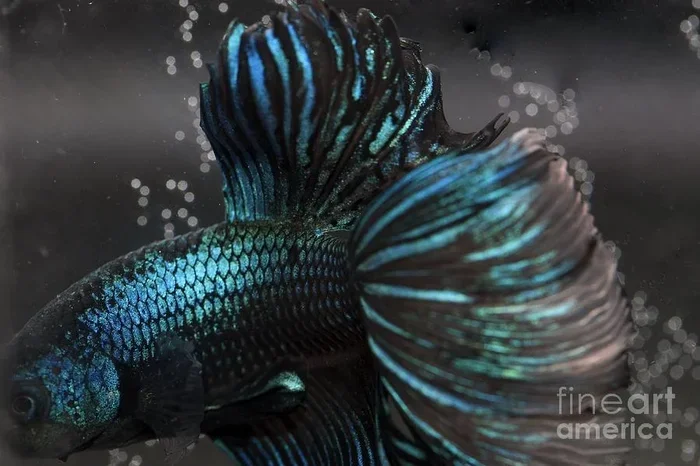
To predict if two species can coexist, you first have to understand their inherent behaviors. Bettas, or Siamese Fighting Fish, are the drama queens of the freshwater world. Their reputation is well-earned; male bettas are fiercely territorial and will often attack any fish they perceive as a rival, especially those with long, flowing fins or bright colors that mimic another male betta. This aggression isn’t just about fighting; it’s about defending a space. A betta’s territory is its castle, and intruders are not welcome. However, bettas are also intelligent and curious. Their reaction to a new tankmate is highly individual—some will flare and chase immediately, others might be indifferent at first, only to become annoyed later.
On the other side, we have the plecostomus, a common name for hundreds of species in the Loricariidae family. The classic image is a large, armored catfish that sticks to the glass. This generalization is dangerous. The “common pleco” sold in big-box stores is actually Hypostomus plecostomus, a species that can reach 24 inches in length and becomes a powerful, sometimes grumpy bottom-dweller that can outgrow most home aquariums and even challenge a betta for space. But the pleco family is incredibly diverse. There are tiny, pencil-sized species and medium-sized ones that top out at 4-6 inches. Their temperament also varies. While most are peaceful bottom-feeders, some can be boisterous, digging up substrate or becoming territorial around their own hiding spots. The key is to move beyond the vague term “pleco” and identify specific, suitable species.
The Betta’s Temperament: A Spectrum, Not a Rule
It’s crucial to recognize that not all bettas are the same. While selective breeding for aggression has created the flashy, confrontational males we know, individual personalities vary widely. Some bettas are downright docile, ignoring tankmates entirely. Others are bullies who will relentlessly harass any fish that moves, regardless of size. This is why a successful pairing often depends on the betta’s specific character. A laid-back betta in a 30-gallon community tank is a far better candidate for a pleco companion than a flare-happy betta in a 5-gallon bowl. When planning, you must assume the betta could be aggressive and plan the environment to minimize conflict, not rely on the hope that your betta will be the chill one.
Plecos Are Not Just “Algae Eaters”
One of the biggest misconceptions that leads to failed pairings is the belief that plecos are automatic janitors that will clean your tank for you. In reality, very few plecos rely solely on algae. Most are omnivores or even primarily herbivores that need a diet of high-quality, sinking pellets formulated for plecos, algae wafers, and supplemented with vegetables like zucchini, cucumber, or blanched spinach. A pleco without proper nutrition will become stressed, weak, and more likely to scavenge aggressively or even nibble on the slime coat of other fish—a behavior known as pleco “sucking” that can seriously harm a betta’s delicate fins. Understanding the dietary needs of your specific pleco species is a fundamental part of responsible ownership in any tank, but especially in a sensitive betta setup.
The Compatibility Conundrum: Critical Factors to Consider
Assuming you’ve chosen a small, peaceful pleco species, you’re still not out of the woods. Several environmental and biological factors will make or break this aquatic roommate situation. Ignoring these is the primary reason why so many “pleco and betta” attempts end in stress, injury, or death.
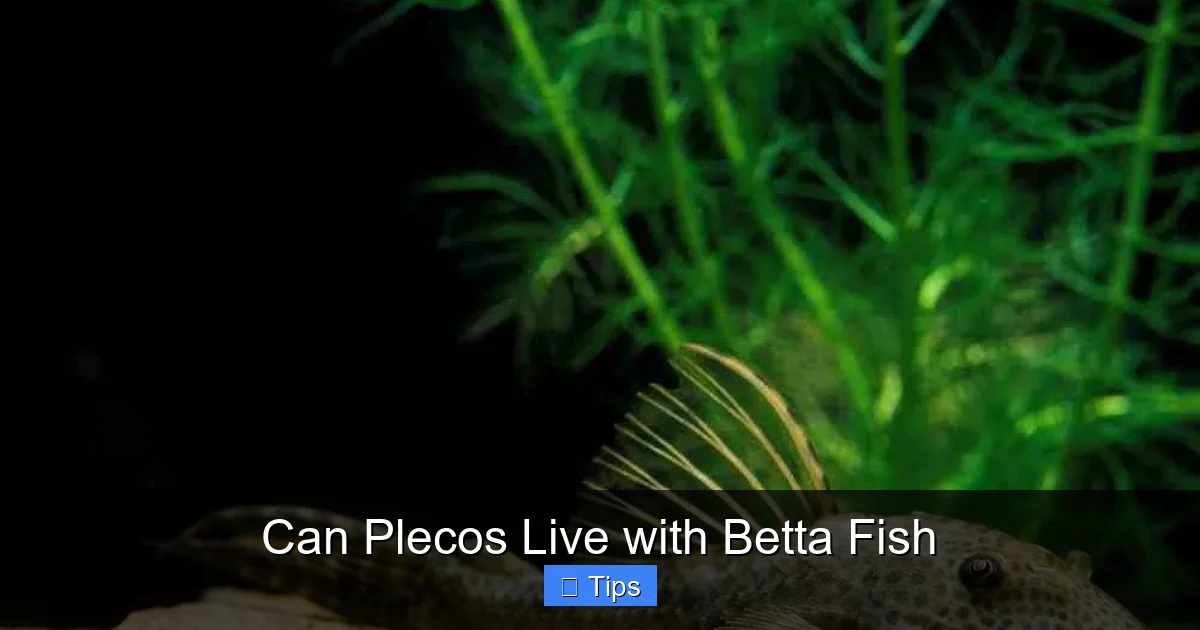
Visual guide about Can Plecos Live with Betta Fish
Image source: fisharticle.com
Tank Size: The Undisputed King of Requirements
Let’s be unequivocal: a 5-gallon or even a 10-gallon tank is not suitable for housing a betta with any pleco. The betta will feel its entire world is under threat, and the pleco will have zero space to escape. The absolute minimum tank size for this pairing is 20 gallons, and even that is pushing it for some pleco species. A 30-gallon long or 40-gallon breeder is a much safer and more realistic starting point. Why is space so critical? It creates physical and visual barriers. A large tank allows you to set up distinct territories: a betta’s domain in the upper and mid-levels with plants and open swimming space, and a pleco’s domain on the bottom with caves and driftwood. More water volume also means more stable water parameters and a dilution of the betta’s pheromones, which can lessen its territorial drive. The bigger the tank, the more likely both fish can live parallel lives without constant, stressful interaction.
The Importance of a Complex Aquascape
In a bare tank with a betta, any moving object is a target. Your pleco’s survival strategy must be to be unseen and inaccessible. This means your aquascape cannot be an afterthought; it is the core of your tank’s security. You must provide:
- Driftwood: Essential for many plecos, who rasp on it for digestion and as a food source. It also creates a complex, natural barrier.
- Caves and Hiding Spots: Commercial pleco caves, turned-over flower pots (glazed and lead-free), and rock piles with crevices are mandatory. The pleco needs a place to sleep and feel secure during the day, as many are nocturnal.
- Dense Planting: Use live plants like Java fern, Anubias, and Cryptocorynes, or robust silk plants, to break lines of sight. A thicket of plants along the back and sides gives the pleco cover and prevents the betta from having a clear view of the entire bottom.
- Substrate Choice: Soft sand or fine-grained substrate is best for plecos that like to dig. Avoid sharp gravel that can damage their sensitive barbels.
The goal is to make the bottom third of the tank a labyrinth where a pleco can completely disappear from view. A betta that cannot constantly see its “intruder” is far less likely to be provoked into a chase.
Water Parameters: Finding the Overlap
Bettas are tropical fish, thriving in water between 78-80°F (25.5-26.7°C). Many popular small pleco species, like the Bristlenose, are also from tropical South American waters and are comfortable in this range. However, some plecos, like the Zebra Pleco, prefer slightly cooler water (around 77°F). The key is to research your specific pleco’s native habitat. The safe overlap zone is typically 77-79°F. You must also maintain excellent water quality with a robust filtration system. Plecos are messy eaters, producing significant waste. A powerful filter (like a canister or Hang-On-Back rated for your tank size) is necessary to handle the bioload and keep ammonia and nitrates at zero. Stable, clean water is a stress-reducer for both species.
Pleco Species That Are More Likely to Coexist with Bettas
This is the most important decision you will make. Forget the generic “pleco” at the store. You need to seek out specific, small-bodied, peaceful species from reputable breeders or specialized stores. Here are the top contenders, listed from most recommended to more niche.
Visual guide about Can Plecos Live with Betta Fish
Image source: aquariumfishmag.com
1. Bristlenose Pleco (Ancistrus sp.)
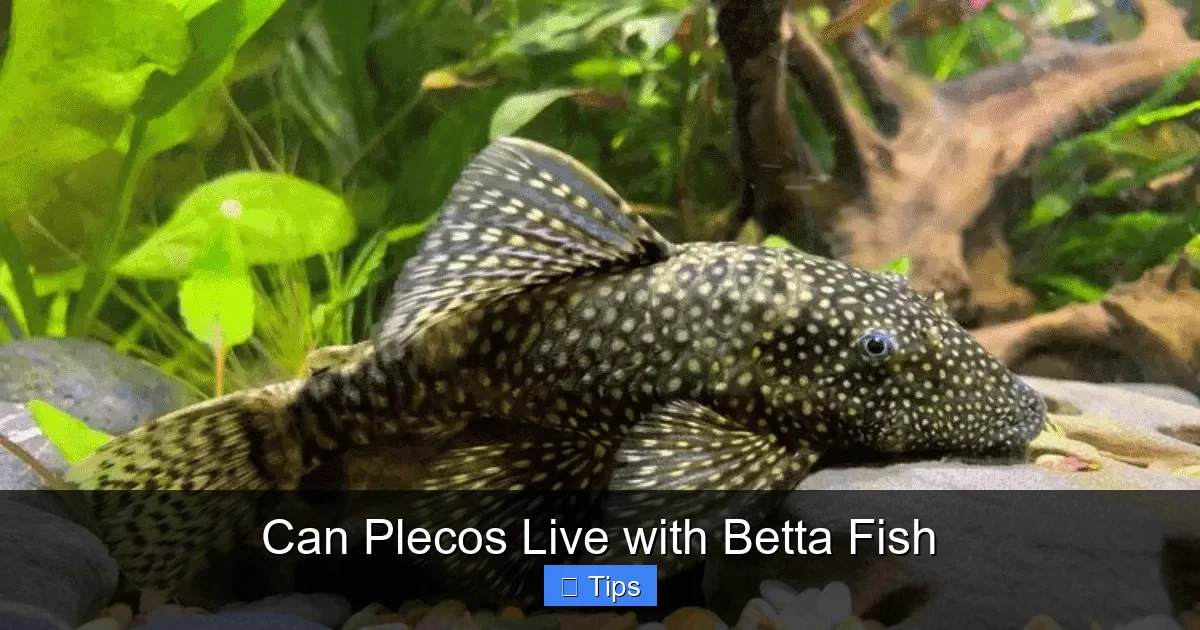
Often called the “gold standard” for community tanks, the Bristlenose is the most common and generally successful pleco for a betta tank. Males have distinctive tentacle-like growths on their snouts (bristles), while females have smaller ones. They typically max out at 4-5 inches, are active nocturnal grazers, and are peaceful towards other fish. They are hardy, adaptable, and their constant grazing on algae and wood is fascinating to watch. Their smaller size compared to common plecos makes them a much better fit space-wise. The Albino and Super Red varieties are particularly popular.
2. Clown Pleco (Panaqolus maccus)
This is another excellent, small choice. Reaching only 3-4 inches, the Clown Pleco is a charming, striped fish that spends much of its day hiding under driftwood or in crevices. It has a slightly more specific diet, requiring a good amount of wood to rasp on, but is otherwise peaceful and hardy. Its small stature and retiring nature make it a low-risk pleco for a betta, as it is rarely seen and thus rarely challenged.
3. Zebra Pleco (Hypancistrus zebra)
For the advanced hobbyist with pristine water conditions, the Zebra Pleco is a stunning, sought-after species. It stays small (3-4 inches), is very peaceful, and has a beautiful black-and-white striped pattern. However, it has stricter water requirements: it needs very clean, well-oxygenated water with a lower temperature (77-79°F is the high end) and a strong current. It is also an obligate wood-eater. While incredibly peaceful, its specific needs make it a less forgiving choice for a beginner or someone without a high-capacity filtration system.
4. Rubber Pleco (Chaetostoma sp.)
Often sold as “Rubber Lips” or “Rubber Plecos,” species in the Chaetostoma genus are generally small (3-4 inches) and very peaceful bottom-dwellers. They have a distinctive sucker mouth and a more streamlined shape than Ancistrus. They are active grazers on algae and biofilm. Be sure to get a true Chaetostoma, as some similar-looking species can get larger. They are a good, robust option.
Species to AVOID at All Costs:
- Common Pleco / Suckermouth Catfish (Hypostomus plecostomus): They grow huge (24″+), are messy, and can become aggressive or domineering as they mature.
- Plecos that get over 6 inches: Like the Gold Nugget Pleco (Baryancistrus sp.) or many Panaque species. They will outgrow most community tanks quickly.
- Any “Unknown Pleco”: If the store cannot tell you the exact species or its adult size, do not buy it. It is almost certainly a common pleco or a large-growing species.
Setting Up the Perfect Tank for a Betta and Pleco Duo
You’ve selected your Bristlenose and your betta is in a separate quarantine tank. Now, the permanent home must be built with military-grade strategy. Every element serves a purpose in reducing stress and preventing conflict.
Visual guide about Can Plecos Live with Betta Fish
Image source: petfishonline.com
Tank Dimensions and Location
Opt for a long tank over a tall one. A 30-gallon long (36″ x 12″ x 12″) provides more horizontal swimming and bottom space than a tall 29-gallon. Place the tank in a low-traffic area to reduce external stressors that can make the betta more skittish or aggressive. Ensure the lid is secure; both bettas can jump, and some plecos are notorious escape artists.
The Aquascape Blueprint: Layers of Security
Think in layers. The top layer can have a few floating plants like Frogbit or Dwarf Water Lettuce, which bettas sometimes use to build bubble nests and which cast dappled light, making it harder for the betta to see clearly to the bottom. The mid-water should have open swimming space for the betta but also clusters of plants. The bottom layer is the pleco’s fortress. Use a substrate of fine sand or smooth, small gravel. Scatter multiple pieces of large, branched driftwood (like Malaysian or Mopani) that reach near the surface. These wood structures act as both feeding grounds and visual barriers. Place several caves—one on each side of the tank, not just in one corner. The idea is to give the pleco at least two or three guaranteed escape routes from any direction the betta might approach.
Filtration and Water Flow
As stated, a strong filter is essential. A Hang-On-Back (HOB) filter like a Seachem Tidal or AquaClear is a good choice for a 30-gallon. For a 40+ gallon, a canister filter offers superior capacity and quieter operation. Plecos like some water movement, but bettas prefer calm surfaces. Position the filter outlet to create a moderate flow in the mid-to-upper tank, but use spray bars or direct the flow toward the tank wall to create a gentle circulation that doesn’t stress the betta. A pre-filter sponge on the intake is also a good idea to protect the pleco’s delicate fins and barbels if it gets too close.
Lighting and Temperature
Use a moderate lighting period (8-10 hours). Too much light can promote excessive algae growth, confusing the pleco’s natural grazing habits and potentially leading to overfeeding. A simple LED fixture is fine. Set the heater to a stable 78°F. Use a reliable, adjustable heater with a separate thermostat. Place a thermometer in the tank to double-check. Avoid temperature swings at all costs.
Common Pitfalls and How to Avoid Them
Even with the best-laid plans, things can go wrong. Here are the most frequent mistakes and how to sidestep them.
Pitfall 1: The “Algae Cleaner” Fallacy
The Mistake: Buying a pleco because you have an algae problem, expecting it to solve it. Plecos are not efficient algae control for a neglected tank. They prefer biofilm and soft algae on driftwood, not the hard green spot algae on glass.
The Solution: Fix your algae problem first with proper lighting, nutrient control, and manual removal. Then, add a pleco as a pet, not a tool. Feed it a proper diet so it doesn’t starve and turn to other food sources.
Pitfall 2: Underestimating the Pleco’s Growth
The Mistake: Buying a “baby pleco” that is 1 inch long and assuming it will stay that size. That baby common pleco will grow to over 2 feet.
The Solution: Research the adult size of the exact species before purchasing. If a store clerk says “it’ll only get as big as the tank,” that is false and dangerous information. Only buy from a source that can provide the scientific name and adult size.
Pitfall 3: Poor Introduction Protocol
The Mistake: Dumping the pleco into the betta’s established tank immediately.
The Solution: Use a tank divider for 2-4 weeks in the same tank system, allowing them to see but not touch each other. Alternatively, use a separate quarantine tank and move the betta into the new, fully set-up pleco tank after a few weeks. Rearranging all the decorations before adding the betta can also help, as it disrupts the betta’s established territory and forces it to re-establish boundaries, potentially being less defensive.
Pitfall 4: Ignoring the Signs of Stress
The Mistake: Assuming that if the fish aren’t fighting, everything is fine.
The Solution: Constantly monitor for subtle signs: the pleco is always hiding and never comes out to eat (not just for a day, but for a week), the betta is constantly flaring at a specific corner or object, the pleco’s fins are torn or its body has scrapes, the betta is lethargic or has torn fins. These are signs of chronic stress that require immediate action, usually separation.
The Verdict: Is It Worth the Risk?
After all this, we return to the original question. Can plecos live with betta fish? The honest answer for the vast majority of hobbyists, especially beginners, is: probably not, or at least, not easily. The combination is high-risk compared to a betta in a species-only tank or a well-researched community with peaceful, fast-moving schooling fish like neon tetras (in a large enough tank).
However, for the dedicated, well-equipped, and patient aquarist, it can be done. The success stories almost always follow this formula: a 30+ gallon heavily aquascaped tank, a peaceful, small pleco species (nearly always a Bristlenose or Clown Pleco), a docile or moderately tempered betta, and an owner who is prepared to separate them at the first sign of trouble. The reward is a fascinating behavioral dynamic—the betta patrolling its mid-water kingdom, the pleco emerging at night to methodically clean driftwood. But this reward comes with the burden of constant vigilance and a significant investment in tank size and equipment.
If your primary goal is a simple, beautiful betta display, a single betta in a well-planted 10-gallon is a stunning and low-stress option. If you are set on a community, consider other, less risky tankmates first. But if you are captivated by the idea of this specific duo and are willing to do the work, the Bristlenose Pleco in a spacious, fortress-like tank represents your best, most realistic chance at harmony.
Frequently Asked Questions
Will a betta always attack a pleco?
Not always, but it’s very common. A betta’s reaction depends on its individual personality and the tank environment. In a small, bare tank, the betta will almost certainly see the pleco as an intruder and flare or chase it. In a large, heavily planted tank with plenty of hiding spots, a more laid-back betta may largely ignore a reclusive pleco, especially if the pleco stays on the bottom and out of sight.
What is the smallest pleco I can get for my betta?
The smallest suitable species are the dwarf plecos. The Clown Pleco (Panaqolus maccus) and the Dwarf Bristlenose (a selectively bred smaller form of Ancistrus) are excellent choices, typically staying under 4 inches. The Zebra Pleco (Hypancistrus zebra) also only reaches about 3-4 inches but has more demanding water quality requirements.
Can a pleco really clean my betta’s tank?
To a limited extent. Plecos will graze on algae and biofilm, but they are not a substitute for proper tank maintenance. They are not efficient at eating the algae that typically plagues betta tanks (like hair algae). You must still perform regular water changes, clean the glass, and remove debris. Relying on a pleco for tank cleaning will lead to poor water quality.
My pleco is sucking on my betta’s fins! What do I do?
This is a serious problem. A pleco sucking on a betta’s slime coat is stressful and damaging to the betta and is often a sign the pleco is underfed or malnourished. Immediately separate the fish. Increase the frequency and variety of the pleco’s diet with high-quality pellets, algae wafers, and blanched veggies. Re-evaluate if the tank is large enough and if the pleco has sufficient natural food sources (driftwood). This behavior may not stop, making permanent separation necessary for the betta’s health.
Can I keep more than one pleco with a betta?
It is not recommended. Plecos, especially as they mature, can become territorial with their own kind. Keeping multiple plecos in a betta tank dramatically increases the bioload, competition for hiding spots, and the chance of conflict. The tank would need to be significantly larger (50+ gallons) with an even more complex aquascape. For a betta setup, one pleco is the maximum you should consider.
How long should I wait before introducing a pleco to my betta tank?
You should never introduce a pleco to an existing betta tank. The betta already owns that territory. The safer method is to set up the full, decorated tank first, introduce the pleco and let it acclimate for 2-4 weeks, establishing its hiding spots and routines. Then, introduce the betta. This gives the pleco the “home court advantage” and allows you to observe the betta’s reaction to a settled pleco, rather than the other way around. Always use a tank divider or separate quarantine tank for the initial observation period.