Why Do Betta Fish Lose Their Fins
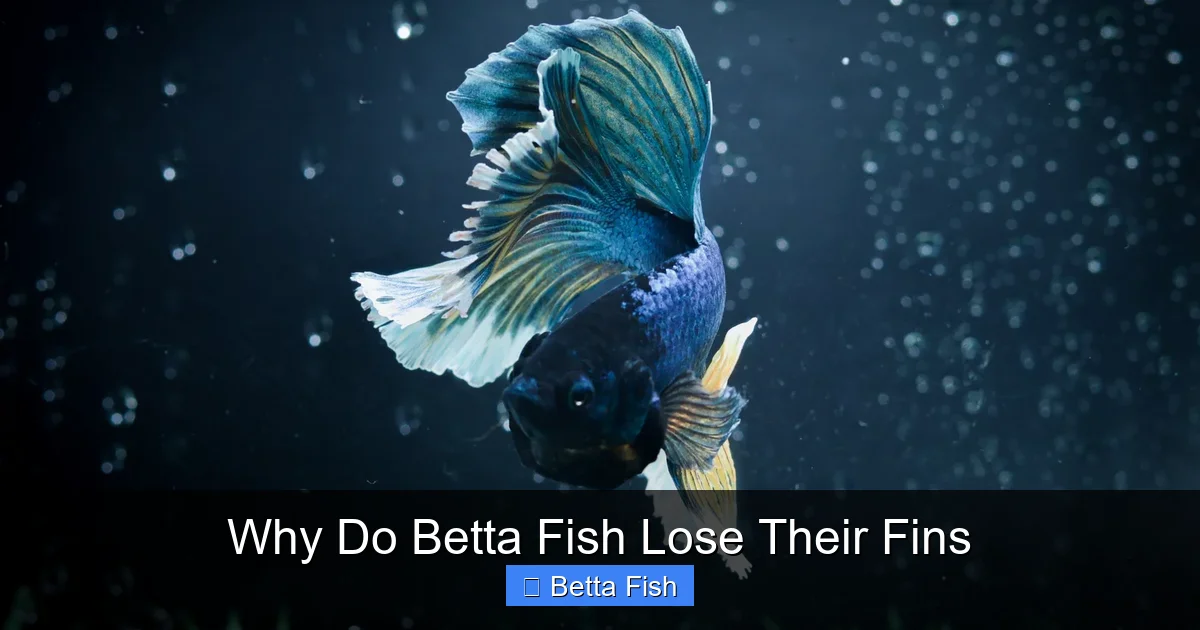
Betta fins can disappear for many reasons, from water problems to disease or stress. Understanding the root cause and fixing tank conditions quickly can often save the fin and the fish.
Key Takeaways
- Water quality matters: Poor parameters are the #1 trigger for fin loss.
- Infections are common: Bacterial, fungal, and parasitic diseases all attack fins.
- Stress kills fins: Over‑crowding, aggression, and incorrect temperature cause fin damage.
- Nutrition helps repair: High‑protein, vitamin‑rich diets support fin regrowth.
- Early action works: Spotting the problem fast gives the best chance of recovery.
- Some damage is permanent: Severe trauma may not grow back, so prevention is key.
- Regular monitoring: Test water weekly and watch fin appearance to catch issues early.
📑 Table of Contents
- Introduction: When Betta Fins Start to Fade
- 1. Water Quality – The Silent Culprit
- 2. Infections – Bacteria, Fungus, and Parasites
- 3. Stress – The Hidden Enemy
- 4. Nutrition – Feeding for Strong Fins
- 5. Physical Injury – Accidents Happen
- 6. Genetics and Age – When Fin Loss Is Inevitable
- Conclusion: Take Action, Save the Fin
Introduction: When Betta Fins Start to Fade
Betta fish are famous for their vibrant colors and flowing fins. Yet, many owners wake up to a sad sight – a frayed or missing fin. If you’ve ever asked yourself, “why do betta fish lose their fins?” you’re not alone. The answer is rarely simple; it’s usually a mix of environmental, biological, and behavioral factors.
In this guide we’ll walk through the most common reasons your betta’s fins might be deteriorating, how to spot the early warning signs, and practical steps you can take right now to stop the loss and possibly grow the fin back. Think of it as a friendly chat over a cup of tea, with plenty of tips you can apply today.
1. Water Quality – The Silent Culprit
Why clean water matters
Betta fish are especially sensitive to ammonia, nitrite, and nitrate spikes. Even a small rise in ammonia (above 0 ppm) can irritate the delicate fin tissue, making it look ragged or cause it to fall off entirely.
Key parameters to watch
- Ammonia: 0 ppm (any detectable amount is dangerous)
- Nitrite: 0 ppm
- Nitrate: below 20 ppm for bettas
- pH: 6.5 – 7.5 (stable)
- Temperature: 76‑82°F (24‑28°C)
Practical tip
Test your water weekly with a liquid test kit. If you see any ammonia or nitrite, perform a 25‑30 % water change immediately and consider adding a biological filter or increasing the frequency of changes.
2. Infections – Bacteria, Fungus, and Parasites
Bacterial fin rot
Bacterial infections are the most common cause of fin loss. The fin edges become white, then turn brown or black, and the tissue may look frayed. This condition thrives in dirty water or after a minor injury.
Fungal infections
Fungus often follows a bacterial infection or a wound. It appears as a cotton‑like growth on the fin, sometimes with a yellowish halo.
Parasites (e.g., Ich or velvet)
Parasites usually affect the body first, but severe infestations can cause the fish to rub against objects, tearing fins in the process.
Treatment basics
- Isolate the sick betta in a hospital tank.
- Raise the temperature to 80‑82°F to speed up metabolism.
- Use a broad‑spectrum antibacterial like Maracyn or a fungal remedy such as aquarium salt (1 tsp per 5 gal).
- Maintain pristine water during treatment – daily 50 % changes help.
For a deeper dive into fin loss causes, see our article on why betta fish fins falling off.
3. Stress – The Hidden Enemy
Overcrowding and aggression
Betta males are territorial. Placing two males together or crowding a betta with aggressive tank mates can lead to fin nipping. Even a single aggressive neighbor can cause a betta to stress‑flare, damaging its own fins.
Improper temperature
Temperatures below 76°F slow the immune system, making fins more vulnerable. Conversely, temperatures above 84°F increase metabolic waste, irritating the skin.
How to reduce stress
- Provide at least 2.5‑5 gallons per betta.
- Use a lid to prevent jumping and reduce surface disturbance.
- Include plenty of live plants or silk ornaments for hiding spots.
- Maintain stable temperature with a reliable heater.
Learn more about optimal tank conditions in what do betta fish like in their tank.
4. Nutrition – Feeding for Strong Fins
Protein and vitamins
Betta fins are made of collagen, which needs high‑quality protein and vitamin C for repair. A diet of frozen or live foods (bloodworms, daphnia) supplemented with a high‑quality betta pellet ensures the right building blocks.
Supplements that help
- Vitamin C: 100 mg per 100 g of food.
- Omega‑3 fatty acids: found in brine shrimp, support skin health.
- Aquarium salt: 1 tsp per 10 gal can reduce stress and aid healing.
Feeding schedule
Feed small amounts 2‑3 times daily. Overfeeding creates waste, which harms water quality and fin health.
5. Physical Injury – Accidents Happen
Sharp décor and tank mates
Rough rocks, sharp plastic ornaments, or even a cracked glass edge can snag a betta’s long fins. If you notice a torn fin, trim the ragged edge with sterilized scissors to prevent infection.
Handling mistakes
Never grab a betta by the tail. Use a soft net or a cup to move the fish, and always keep the water level steady to avoid shock.
When to seek help
If the injury looks deep, or the fish stops eating, isolate and treat as a possible infection (see Section 2).
6. Genetics and Age – When Fin Loss Is Inevitable
Genetic predisposition
Some betta strains (especially those bred for extremely long fins) have weaker fin membranes that are more prone to tearing or rot.
Age‑related wear
Older bettas naturally lose some fin edge as their metabolism slows. While you can’t stop aging, you can keep water pristine and feed well to slow the process.
Can fins grow back?
Yes, in many cases! If the base of the fin remains healthy, new tissue can regenerate. For a detailed look at regrowth, read do betta fish fins grow back.
Conclusion: Take Action, Save the Fin
Understanding why do betta fish lose their fins is the first step toward prevention. Clean water, proper temperature, low stress, balanced nutrition, and careful handling form the foundation of healthy fins. When problems arise, act fast—test the water, isolate the fish, and treat any infection promptly.
By giving your betta the best possible environment, you’ll not only protect its beautiful fins but also enjoy a longer, happier life together. Remember, a little routine maintenance goes a long way, and your betta will thank you with a dazzling, flowing tail.
Frequently Asked Questions
Why are my betta’s fins turning white?
White edges often signal bacterial fin rot or a lack of proper nutrition. Test water quality first, then consider a mild antibacterial treatment.
Can I trim a torn fin myself?
Yes. Using sterilized scissors, cut the ragged tip at a 45‑degree angle. This prevents infection and encourages clean regrowth.
How long does it take for a fin to grow back?
Regrowth can take 2‑4 weeks if the base is healthy and water conditions are optimal. Faster healing occurs with a high‑protein diet and stable parameters.
Do tank mates cause fin loss?
Aggressive or fin‑nipping species can damage a betta’s fins. Keep bettas alone or with peaceful, non‑aggressive companions.
Is a heater necessary for fin health?
Yes. Maintaining 76‑82°F supports the immune system and helps prevent stress‑related fin loss. A reliable heater is a must‑have.
What should I do if my betta stops eating after fin loss?
Fasted bettas are at higher risk of further health decline. Offer high‑quality live or frozen foods, and if appetite doesn’t return within 24‑48 hours, begin a gentle treatment for possible infection.