Can you put two betta fish in one tank without any problems

Can you put two betta fish in one tank? The answer is not as simple as yes or no. Betta fish are known for their vibrant colors and personality, but they can also be territorial. In this guide, you will learn the risks, the best setups, and expert tips for keeping two bettas together safely.
Key Takeaways
- Two male bettas should never share a tank: Male betta fish are highly territorial and will fight aggressively, often to the death.
- Female bettas can live together: A group of female bettas, called a sorority, can coexist in a large enough tank with proper setup.
- Tank size matters a lot: You need at least a 20-gallon tank to safely house two female bettas together.
- Tank dividers offer a quick fix: Physical dividers let bettas see each other without direct contact, reducing stress and aggression.
- Live plants and hiding spots help: Adding plants and decorations breaks line of sight and creates separate territories.
- Always monitor behavior: Even with the right setup, you must watch for signs of stress or bullying and be ready to separate fish.
📑 Table of Contents
- Can You Put Two Betta Fish in One Tank Without Any Problems?
- Understanding Betta Fish Behavior
- Can Two Male Betta Fish Share a Tank?
- Can Two Female Betta Fish Live Together?
- Can You Put a Male and Female Betta Together?
- Best Tank Setup for Housing Multiple Bettas
- Common Mistakes to Avoid
- Quick Tips for Success
- Expert Insights
- What About a Community Tank With Bettas and Other Fish?
- Conclusion
Can You Put Two Betta Fish in One Tank Without Any Problems?
So you want to keep two betta fish in the same tank. Maybe you fell in love with two beautiful bettas at the pet store and thought they would look amazing together. Or perhaps you have heard conflicting advice and are not sure what to believe. Either way, you are in the right place.
Can you put two betta fish in one tank? The honest answer depends on who the two fish are. Two male bettas? That is a recipe for disaster. Two female bettas? It can work with the right setup. One male and one female? That is possible but comes with its own challenges. Let us break it all down so you can make the best decision for your fish.
Betta fish, also known as Siamese fighting fish, are some of the most popular freshwater aquarium fish in the world. Their flowing fins, bright colors, and feisty personalities make them fan favorites. But that fighting reputation is exactly why housing two bettas together requires careful thought. In this article, you will learn everything you need to know about betta fish compatibility, tank setup, and how to keep your fish safe and happy.
Understanding Betta Fish Behavior
Before you even think about putting two bettas in the same tank, you need to understand how they behave in the wild and in captivity. Betta fish behavior is heavily influenced by their natural instincts.
Why Are Betta Fish Called Fighting Fish?
Betta fish get their nickname from their aggressive nature. In the wild, male bettas defend small territories in rice paddies and shallow waters across Southeast Asia. When another male enters their space, they flare their gills, spread their fins, and fight fiercely. This behavior is hardwired into their DNA. It is not something you can train out of them.
Even in a betta habitat that looks perfect, a male betta will see another male as a rival. The stress of constant confrontation can weaken their immune system, reduce their appetite, and even shorten their lifespan. This is why most experts strongly advise against keeping two male bettas together.
Male vs. Female Betta Temperament
Male and female bettas behave differently. Males are more colorful, have longer fins, and are significantly more territorial. Females are usually less vivid in color and have shorter fins, but they can still show aggression. However, female bettas are generally more tolerant of each other when conditions are right.
Here is a quick comparison:
- Male bettas: Highly territorial, aggressive toward other males, colorful with long fins.
- Female bettas: Less aggressive individually, can form groups, shorter fins, duller colors.
Can Two Male Betta Fish Share a Tank?
The short answer is no. Can you have two male betta fish in one tank? Almost always, the answer is a firm no. Two male bettas placed in the same tank will fight. This is not a maybe. It is virtually guaranteed.
Some people claim they have kept two males together successfully. In rare cases, a very large tank with heavy decoration might reduce aggression. But even then, one fish is usually stressed and hiding constantly. That is not a healthy life for your fish.
The Risks of Housing Two Males Together
Here is what can go wrong when you put two male bettas in the same tank:
- Fin nipping and tearing: Males will attack each other’s long fins, causing painful injuries.
- Stress and illness: Constant fighting weakens the immune system. Fish may develop diseases like ich or fin rot.
- Starvation: A dominant fish may block the weaker one from food. The submissive fish can starve.
- Death: In severe cases, fights can result in serious injury or death for one or both fish.
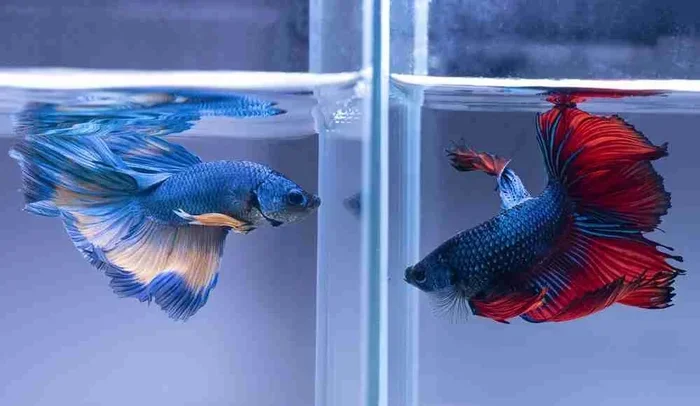
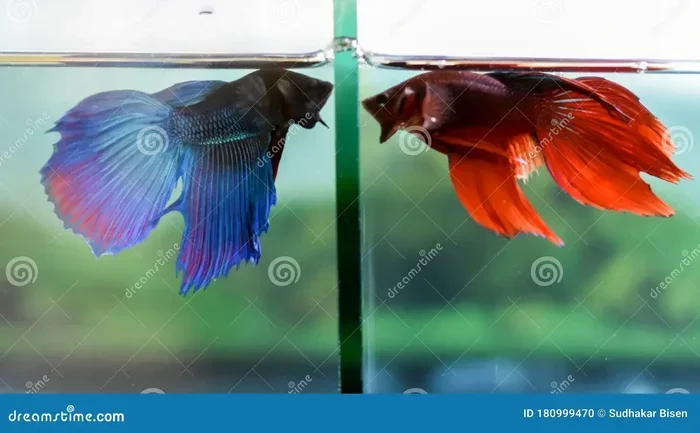
If you are set on keeping two male bettas, the only safe option is using a tank divider. A clear divider splits the tank into two sections. Each fish gets its own territory but can see the other. This satisfies their territorial instincts without physical contact. Learn more about this approach in our guide on can you put two betta fish in a tank together.
Can Two Female Betta Fish Live Together?
Now we get into more promising territory. Can u put two betta fish in one tank when they are both females? Yes, female bettas can coexist in a group. This setup is called a sorority tank. But it is not as simple as tossing two females into any old bowl.
Setting Up a Betta Sorority Tank
A sorority tank needs specific conditions to work. Here are the key requirements:
- Tank size: You need at least a 20-gallon tank. Bigger is always better. A small tank concentrates aggression because there is not enough space for each fish to establish a separate territory.
- Number of fish: A sorority should have at least four to six female bettas. Two is not enough. With only two females, one may dominate the other relentlessly. A larger group spreads out the aggression.
- Live plants: Heavy planting is essential. Plants break line of sight, create hiding spots, and make the tank feel larger. Check out our article on can you put plants in with betta fish for ideas on the best plants to use.
- Decorations: Add caves, driftwood, and rock formations. Each fish needs spots to claim as their own.
- Water parameters: Keep the water warm, between 76 and 82 degrees Fahrenheit. Stable water parameters reduce stress and keep everyone healthy.
Managing a Sorority Tank
Even with the perfect setup, a sorority tank requires active management. You will need to watch your fish closely, especially during the first few days. Some chasing and flaring is normal as fish establish a pecking order. But if you see constant bullying, torn fins, or a fish that is not eating, you need to act fast.
Betta fish health should always be your top priority. Remove any fish that appear injured or excessively stressed. Keep up with regular water changes to maintain clean, oxygen-rich water.
Can You Put a Male and Female Betta Together?
Keeping one male and one female betta together is possible but tricky. This setup is usually only done for breeding purposes. A male and female can coexist briefly when the female is ready to spawn. But this is not a long-term solution.
After breeding, the male may become aggressive toward the female. He might see her as a threat to his bubble nest or offspring. The female may also become exhausted and need to be removed.
For everyday aquarium keeping, housing a male and female betta together is not recommended unless you are experienced and prepared to separate them at any time. The betta fish compatibility between a male and female is unpredictable and depends heavily on individual temperament.
Best Tank Setup for Housing Multiple Bettas
If you want to keep more than one betta in a single tank, preparation is everything. A poorly planned setup leads to stressed fish, injuries, and heartbreak. Here is how to do it right.
Choosing the Right Tank Size
The betta fish tank size you choose makes or breaks the whole plan. A 5-gallon tank is fine for one betta. But for two or more, you need significantly more space. Here is a general guideline:
- Two female bettas: Minimum 10 gallons, but 20 gallons is strongly recommended.
- Three to six female bettas (sorority): Minimum 20 gallons, with 30 gallons being ideal.
- Two male bettas: Not recommended in any size tank without dividers.
Using Tank Dividers
Tank dividers are one of the best tools for betta owners who want to keep multiple fish visible but separated. A clear acrylic or glass divider fits inside the tank and creates two separate environments. Each side gets its own filter, heater, and decor if possible.
This approach works great for two male bettas who would otherwise fight to the death. Your fish can see each other, which satisfies their territorial nature, but there is no physical contact. It is a safe and effective compromise.
Adding Live Plants and Decorations
Break the line of sight wherever you can. Live plants like java fern, anubias, and Amazon sword are excellent choices. They are hardy, easy to care for, and provide excellent cover. Dense plantings along the sides and back of the tank create natural barriers between fish.
Driftwood and rock caves also help. The more your fish can retreat from each other, the less conflict there will be. A well-decorated tank mimics the natural betta territory and helps each fish feel secure in their own space.
Water Quality and Maintenance
A clean tank is a healthy tank. When you are housing multiple bettas, the bioload increases. That means more waste, more nutrients, and a higher risk of algae blooms. Follow these tips:
- Test water parameters weekly using a reliable kit.
- Perform 25 to 30 percent water changes every week.
- Keep the temperature stable between 76 and 82 degrees Fahrenheit.
- Use a gentle filter that does not create too much current. Bettas are weak swimmers and struggle with strong flow.
Common Mistakes to Avoid
Even experienced fish keepers can make mistakes when housing bettas together. Here are some common pitfalls to watch out for:
- Starting with too small a tank: A tiny tank amplifies every problem. Give your fish room to breathe.
- Ignoring early warning signs: Flaring, chasing, and fin nipping are red flags. Do not wait until a fish is injured to act.
- Overcrowding the tank: Adding too many fish leads to stress and poor water quality. Respect the recommended stocking levels.
- Using a mirror to “settle” bettas: Some people think showing a betta its reflection will tire it out. This is cruel and only increases stress.
- Skipping quarantine: New fish should be quarantined for at least two weeks before being introduced to a tank. This prevents disease spread.
Quick Tips for Success
Here are some fast tips to keep in mind:
- Always research betta fish species compatibility before combining fish.
- Feed fish in separate spots to prevent food aggression.
- Introduce new fish gradually, not all at once.
- Keep a log of behavior changes to spot patterns early.
- Have a backup plan, like a spare tank, ready in case separation becomes necessary.
Expert Insights
Professional aquarists agree that patience and observation are the keys to success. Dr. Linda Sheryl, a tropical fish specialist, notes that “the biggest mistake people make is assuming bettas can be treated like any other community fish. They are unique. Each betta has its own personality, and you must respect that.”
The same principle applies to community tank setups. If you want to add other species alongside your bettas, choose peaceful, non-nippy tank mates. Species like corydoras catfish, neon tetras, or ghost shrimp can work well. For more guidance, explore our resource on can you put other fish in with betta to find suitable companions.
What About a Community Tank With Bettas and Other Fish?
If your goal is a community tank with bettas and other species, the rules change a bit. A single male betta can sometimes live peacefully with non-aggressive tank mates. The key is choosing companions that will not provoke the betta or get hurt by it.
Good tank mates include:
- Corydoras catfish (bottom dwellers, keep away from betta territory)
- Snails like mystery snails or nerite snails
- Ghost or amano shrimp
- Small tetras that stay in the upper water column
Avoid housing bettas with fin-nipping fish like tiger barbs or serpae tetras. Also, avoid fish that look similar to bettas, as this can trigger territorial behavior. For a deeper dive into this topic, read our detailed guide on can you put betta fish in with other fish.
Conclusion
So, can you put two betta fish in one tank without problems? The answer depends entirely on the combination. Two males? Almost always a bad idea. Two females? Absolutely possible with enough space, plants, and careful monitoring. One male and one female? Only for short-term breeding setups.
The most important thing you can do is plan ahead. Choose the right tank size, add plenty of hiding spots, maintain excellent water quality, and watch your fish closely. Every betta has its own personality, and no guide can predict exactly how your fish will react. But by following the advice in this article, you give yourself the best possible chance for a peaceful, thriving tank.
Remember, the goal is happy, healthy fish. Take your time, do your research, and never be afraid to separate fish if things go wrong. Your bettas will thank you for it.
Frequently Asked Questions
Can two male betta fish survive in the same tank?
Two male bettas should never be housed together without a divider. They will fight over territory, and the aggression can lead to serious injury or death. If you want two males visible in one tank, use a clear tank divider to keep them separated while still allowing them to see each other.
How many female bettas can I keep in a 20-gallon tank?
A 20-gallon tank is a great size for a betta sorority. You can comfortably keep four to six female bettas in this space, provided you add plenty of live plants, caves, and hiding spots. The larger group helps distribute aggression and prevents any single fish from being targeted constantly.
What is a betta sorority tank?
A sorority tank is a group setup that houses multiple female bettas together. Females are less aggressive than males and can form a social hierarchy. However, the tank must be large enough (at least 20 gallons), heavily planted, and well-maintained to prevent bullying and stress among the group.
Can betta fish live with other peaceful fish species?
Yes, a single male betta can sometimes live with non-aggressive tank mates. Good choices include corydoras catfish, snails, ghost shrimp, and small tetras. However, always monitor behavior closely. Not all bettas are peaceful, and some individuals may attack even docile companions.
What tank size is best for two betta fish?
For two female bettas, a minimum of 20 gallons is recommended. For two males, you will need a divided tank of at least 20 gallons so each fish has its own section. A larger tank always gives better results because it allows each fish to establish a comfortable territory.
How do I know if my bettas are stressed?
Watch for common stress signs like constant hiding, clamped fins, loss of color, refusal to eat, rapid breathing, or torn fins. If you notice these behaviors, check your water parameters first, then consider whether your fish need more hiding spots, a larger tank, or separation from tank mates.