Do Betta Fish Eat Their Own Poop
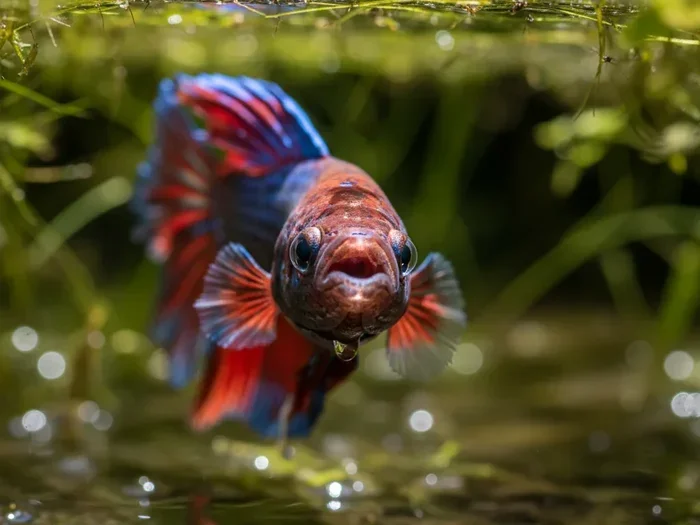
Yes, betta fish sometimes eat their own poop, and it is more common than most fish owners think. This behavior, called coprophagia, can happen for several reasons, including hunger, poor water quality, or boredom. While it is not always dangerous, frequent poop eating can signal deeper health or tank problems that need attention.
Key Takeaways
- Betta fish do eat their own poop: This behavior is real and has several underlying causes.
- It is not always harmful: Occasional poop eating may not hurt your fish, but frequent behavior is a red flag.
- Poor tank conditions drive this behavior: Dirty water and low oxygen levels can make bettas eat waste.
- Diet plays a big role: Overfeeding or underfeeding can lead to poop eating in bettas.
- Prevention is simple: Regular tank cleaning, proper feeding, and good filtration can stop this habit.
- Watch for warning signs: If your betta eats poop often, check for illness or stress symptoms.
- Internal link resource: Learn more about betta fish eating poop and related behaviors.
📑 Table of Contents
- Do Betta Fish Eat Their Own Poop?
- Why Do Betta Fish Eat Their Own Poop?
- Is It Normal for Betta Fish to Eat Their Poop?
- What Causes Poop Eating Behavior in Betta Fish?
- How to Prevent Your Betta Fish from Eating Poop
- When Poop Eating Signals a Health Problem
- Common Mistakes Betta Fish Owners Make
- Expert Insights on Betta Fish Poop Eating
- Key Takeaways
- Conclusion
Do Betta Fish Eat Their Own Poop?
If you have ever watched your betta fish nibble at something near the bottom of the tank and wondered if it was eating its own poop, you are not alone. This is one of the most common questions betta fish owners ask, and the answer might surprise you. Betta fish do sometimes eat their own poop, and understanding why this happens is the first step toward keeping your fish healthy and happy.
Many fish owners feel grossed out when they see this behavior. But before you panic, take a deep breath. Eating poop, also known as coprophagia, is not unique to bettas. Many animals do it, and in some cases, it is a natural response to certain conditions. The real question is not whether bettas do it, but why they do it and whether you should be concerned.
This guide covers everything you need to know about this unusual behavior. We will look at the reasons behind it, whether it is normal, how to prevent it, and when it might signal a bigger problem. By the end, you will have a clear picture of what is going on in your tank and what you can do about it.
Why Do Betta Fish Eat Their Own Poop?
There is no single reason betta fish eat their poop. Several factors can trigger this behavior, and in many cases, it is a combination of things. Let us break down the most common causes.
Hunger and Poor Nutrition
The number one reason bettas eat their poop is hunger. If your fish is not getting enough food, it will try to extract any nutrients it can from whatever is available. This includes partially digested waste that still contains traces of food. A betta fish diet that lacks variety or proper nutrients can make your fish desperate enough to eat its own waste.
Overfeeding can also play a role. When you feed your betta too much, excess food rots in the tank. This creates a cycle where your fish eats the leftover food, poops, and then might eat the poop because it still smells like food. It sounds gross, but to a betta, it makes sense.
Boredom and Lack of Stimulation
Betta fish are intelligent creatures. They need mental stimulation to stay healthy. When a betta has nothing to do, it may start exploring its environment in unusual ways, including eating things it should not. Poop floating in the water can look like food, especially if the fish is bored and curious.
Adding plants, caves, and other decorations to the tank helps reduce boredom. A well-decorated tank gives your betta something to explore and interact with, which lowers the chances of this strange behavior.
Poor Water Quality
Dirty water is one of the biggest triggers for poop eating in bettas. When ammonia and nitrate levels rise in the tank, fish feel stressed and uncomfortable. In response, they may eat whatever is in the water, including their own waste. Poor tank cleanliness creates a toxic environment that drives abnormal behaviors.
If you notice your betta eating poop often, check your water parameters first. A test kit for ammonia, nitrite, and nitrate levels will tell you if your tank is in trouble. Regular water changes and good filtration go a long way in preventing this issue.
Is It Normal for Betta Fish to Eat Their Poop?
The short answer is: it depends. An occasional instance of a betta fish eating its own poop is not unusual. Fish explore the world with their mouths, and sometimes they nibble on things that are not food. This does not necessarily mean something is wrong.
However, if your betta is doing it regularly, that is a sign of an underlying problem. Frequent poop eating is not normal behavior and should be addressed. It could point to nutritional deficiencies, poor tank conditions, or even stress.
Think of it this way. If your betta eats its poop once and moves on, it is probably fine. But if it happens multiple times a day, every day, you need to investigate. Watch your fish closely for a few days and note how often the behavior occurs. This will help you determine whether it is a minor quirk or a serious concern.
What Causes Poop Eating Behavior in Betta Fish?
Understanding the root causes of poop eating helps you fix the problem at its source. Here are the most common factors that drive this behavior in bettas.
Low-Quality Fish Food
Not all fish food is created equal. Cheap flakes or pellets may lack the nutrients bettas need to stay healthy. When a betta does not get proper nutrition from its food, it may try to find missing nutrients elsewhere, including in its own waste. High-quality betta fish food with real ingredients makes a huge difference.
Look for foods that list fish meal, shrimp, or insects as the first ingredients. Avoid foods filled with fillers like corn or wheat. These provide little nutritional value and can lead to excessive waste in the tank.
Overcrowded Tanks
Betta fish need space. A tank that is too small or too crowded creates stress and competition for resources. In these conditions, fish may develop strange habits, including eating their own poop. A cramped tank also leads to faster buildup of waste, which increases the chances of this behavior.
The minimum tank size for a single betta is five gallons. Larger tanks are always better. They provide more swimming room, better water quality, and less stress for your fish.
Stress and Illness
Stressed or sick bettas often display unusual behaviors. Eating poop can be a sign of stress caused by aggressive tank mates, bright lights, loud noises, or sudden changes in the environment. Illness can also affect a betta’s appetite and eating habits, leading it to consume things it normally would not.
If your betta is eating poop and showing other symptoms like lethargy, loss of color, or clamped fins, it may be sick. Checking for common betta fish diseases and addressing them early can prevent more serious health problems.
How to Prevent Your Betta Fish from Eating Poop
The good news is that you can take several steps to stop your betta from eating its own poop. Most of these solutions are simple and easy to implement.
1. Feed Your Betta Properly
Give your betta the right amount of high-quality food twice a day. A good portion is about two to three pellets or a small pinch of flakes per feeding. Remove any uneaten food after five minutes to keep the tank clean. A balanced betta diet reduces the urge to eat waste for missing nutrients.
2. Keep the Tank Clean
Perform partial water changes every one to two weeks. Replace about 25 percent of the tank water with fresh, treated water. Clean the gravel with a siphon to remove waste and debris. A clean tank means less poop floating around for your betta to find and eat.
Also, make sure your filter is working properly. A good filter keeps the water moving and removes waste before it builds up. If your filter is too strong, it can stress your betta, so choose one with an adjustable flow rate.
3. Add Live Plants and Decorations
Live plants do more than make your tank look pretty. They absorb nitrates and provide natural hiding spots for your betta. This reduces stress and gives your fish something to do besides eating poop. Plants like java fern, anubias, and amazon sword are great choices for betta tanks.
Adding caves, driftwood, and other decorations creates a stimulating environment. Your betta will spend its time exploring and resting instead of looking for things to nibble on.
4. Avoid Overfeeding
Overfeeding is one of the biggest mistakes new fish owners make. Excess food rots quickly and pollutes the water. It also creates more poop, which increases the chances of your betta eating it. Stick to a feeding schedule and give your fish only what it can eat in two minutes.
When Poop Eating Signals a Health Problem
Most of the time, poop eating is a behavioral issue that can be fixed with better tank management. But in some cases, it can be a sign of a deeper health problem. Here are the warning signs to watch for.
If your betta eats poop and also shows any of these symptoms, consult a veterinarian or experienced fish keeper right away:
- Swollen or bloated belly: This could indicate constipation or dropsy.
- Loss of appetite: A betta that stops eating regular food but eats poop has a problem.
- Clamped fins: Fins held close to the body signal stress or illness.
- White stringy poop: This can indicate internal parasites or digestive issues.
- Lethargy: A fish that lies at the bottom of the tank and does not move much needs attention.
Internal parasites are a common cause of abnormal eating behaviors in bettas. These tiny organisms live inside the fish’s digestive system and can cause a range of symptoms, including eating waste. A fish veterinarian can diagnose parasites through a fecal sample and prescribe the right treatment.
Another concern is when bettas eat things they should not. If your fish is eating poop, it might also try to eat gravel, rocks, or other objects in the tank. This is called pica and it can cause serious internal blockages. Keeping the tank free of small objects and ensuring your betta gets proper nutrition helps prevent this dangerous behavior.
Common Mistakes Betta Fish Owners Make
Many fish owners unknowingly contribute to poop eating behavior. Here are the most common mistakes and how to avoid them.
Not Doing Enough Water Changes
Some owners think that if the water looks clear, it is fine. But clear water can still contain high levels of ammonia and nitrates. These invisible pollutants stress your fish and can trigger abnormal behaviors like eating poop. Stick to a regular water change schedule and test your water frequently.
Feeding Too Much
It is easy to overfeed a betta, especially when they beg for food with their big, expressive eyes. But overfeeding causes more harm than good. Excess food decays in the water, raising ammonia levels and creating more waste for your fish to potentially eat. Less is more when it comes to feeding bettas.
Ignoring Tank Size
Keeping a betta in a tiny bowl or vase is a common mistake. These small containers heat up quickly, cool down fast, and accumulate waste rapidly. A cramped space stresses your fish and limits its ability to swim and explore. A proper tank with at least five gallons gives your betta room to thrive.
Not Providing Enough Stimulation
A bare tank with nothing to do is a recipe for boredom. Betta fish need enrichment to stay mentally healthy. Without it, they develop strange habits, including eating their own waste. Adding plants, caves, and even a mirror for short periods gives your betta something to engage with.
Expert Insights on Betta Fish Poop Eating
Experienced aquarists agree that poop eating in bettas is usually a sign of something off in the tank environment. According to veteran fish keepers, the first thing to check is water quality. If ammonia and nitrate levels are within safe ranges and the tank is clean, the behavior is likely driven by boredom or diet issues.
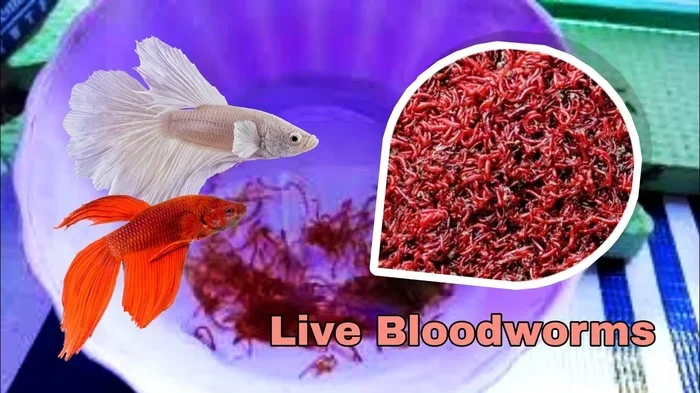
Experts also recommend varying your betta’s diet. Live or frozen foods like brine shrimp and bloodworms provide enrichment and nutrition that dry pellets alone cannot. Feeding a mix of high-quality dry food and occasional live food keeps your betta healthy and less likely to engage in unusual eating behaviors.
If you have tried improving tank conditions and diet but the behavior continues, it may be worth consulting a fish health specialist. Some bettas develop persistent coprophagia that requires professional intervention. Early detection and treatment can prevent long-term health issues.
Key Takeaways
- Betta fish do eat their own poop: This behavior, while unpleasant, is relatively common and has identifiable causes.
- Hunger, poor diet, and boredom are the top triggers: Addressing these factors often stops the behavior quickly.
- Poor water quality is a major contributor: Regular tank maintenance and water changes keep your betta healthy.
- Occasional poop eating is not an emergency: But frequent behavior warrants closer investigation.
- Prevention is straightforward: Proper feeding, clean water, and a stimulating tank environment go a long way.
- Watch for health warning signs: If poop eating comes with other symptoms, seek professional advice.
- Related reading: For more on betta fish behaviors, check out our article on do betta fish eat themselves to understand other unusual eating habits.
Conclusion
So, do betta fish eat their own poop? Yes, they do, and it is usually not something to panic about. Most of the time, this behavior stems from simple causes like hunger, boredom, or a dirty tank. By making a few adjustments to your fish care routine, you can stop the behavior and keep your betta healthy and happy.
Focus on providing a balanced diet, maintaining clean water, and giving your fish plenty of enrichment. These steps solve the problem in most cases. If the behavior persists or comes with other symptoms, do not hesitate to seek professional help. Your betta fish depends on you for its well-being, and a little knowledge goes a long way in giving it the best life possible.
Remember, every betta fish is different. What works for one fish might not work for another. Pay attention to your fish’s behavior, make changes gradually, and give it time to adjust. With patience and care, you will have a thriving, happy betta that leaves its poop alone where it belongs.
For more helpful tips on caring for your betta fish, explore our other guides on betta fish behavior and health. Understanding your fish is the best way to build a happy, healthy relationship with your aquatic companion.
Frequently Asked Questions
Why does my betta fish eat its own poop?
Betta fish eat their own poop for several reasons, including hunger, poor nutrition, boredom, or poor water quality. If your fish is not getting enough nutrients from its food, it may try to extract whatever it can from its waste. Stress and an unclean tank can also trigger this behavior.
Is it dangerous for betta fish to eat poop?
Occasional poop eating is not usually dangerous, but frequent consumption can be harmful. Waste contains bacteria and toxins that can upset your fish’s digestive system. Over time, it can also lead to internal health problems if the tank conditions are poor and the behavior continues unchecked.
How can I stop my betta fish from eating its poop?
Start by improving your tank maintenance routine. Perform regular water changes, clean the substrate, and ensure your filter is working properly. Feed your betta high-quality food in the right amounts, and add plants and decorations to keep it stimulated. These steps address the most common causes of poop eating.
Can eating poop make my betta fish sick?
Yes, if it happens frequently. Poop contains bacteria and waste products that can cause digestive issues and infections in bettas. If your fish eats poop often and shows symptoms like lethargy, bloating, or loss of appetite, it may need veterinary care to address underlying health problems.
Do all betta fish eat their poop, or is it just some?
Not all bettas eat their poop, but it is common enough that many fish owners have witnessed it. The behavior is more likely in fish that are bored, underfed, or kept in poor tank conditions. A well-cared-for betta in a clean, enriched environment is much less likely to engage in this behavior.
Should I be worried if I see my betta eating poop once?
A single instance is usually nothing to worry about. Fish explore their environment with their mouths, and they may nibble on things that are not food. However, if the behavior repeats regularly or comes with other symptoms like lethargy or loss of appetite, it is worth investigating further to rule out health or tank issues.