Do Betta Fish Fins Heal
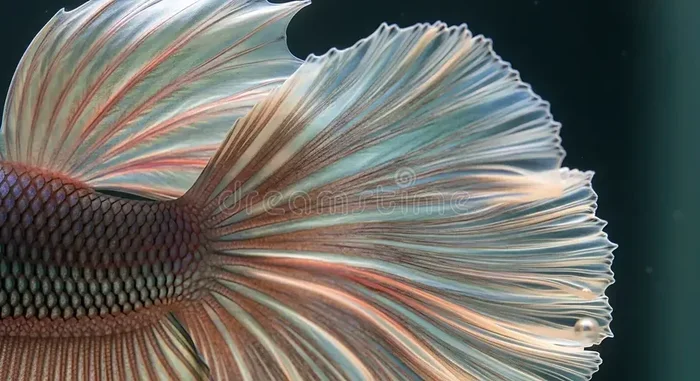
Yes, do betta fish fins heal naturally in most cases. With proper tank conditions and care, your betta can regrow damaged fins within weeks. Understanding the healing process helps you support your fish every step of the way.
Do betta fish fins heal? The short answer is yes. Betta fish fins have a remarkable ability to regenerate, just like many other tissue types in the animal kingdom. Whether your betta has suffered from fin rot, a torn fin, or damage from rough tank mates, the fins can grow back under the right conditions.
But here is the thing. Healing does not happen overnight. It takes time, patience, and the right environment. A betta fish living in dirty, cold water may never fully recover. On the other hand, a betta in a clean, well-maintained tank can regrow beautiful fins in just a few weeks.
This guide covers everything you need to know about betta fish fin healing. You will learn how the process works, what slows it down, and exactly what you can do to help your fish recover faster. Let us dive in.
Key Takeaways
- Betta fish fins can heal on their own: Given clean water and low stress, fin tissue regrows naturally.
- Fin rot is the most common cause of damage: Bacterial infections need prompt treatment to prevent further loss.
- Water quality is the #1 factor: Clean, warm water speeds up healing dramatically.
- Healing takes 2 to 8 weeks: The timeline depends on severity and tank conditions.
- Prevention beats treatment: A proper tank setup stops fin damage before it starts.
- Watch for warning signs: White edges, redness, or fin clamping mean action is needed.
📑 Table of Contents
How Do Betta Fish Fins Heal?
Understanding how betta fish fins heal starts with basic biology. Betta fish have living tissue in their fins that can regenerate. This means damaged cells are replaced by new, healthy cells over time. The process is similar to how a human heal from a small cut.
The Natural Healing Process
When a betta fin gets damaged, the body immediately starts working. Blood clotting seals the wound. New cells form at the base of the fin. Over days and weeks, the fin grows outward from the point of damage. The new fin tissue starts as a thin, translucent membrane.
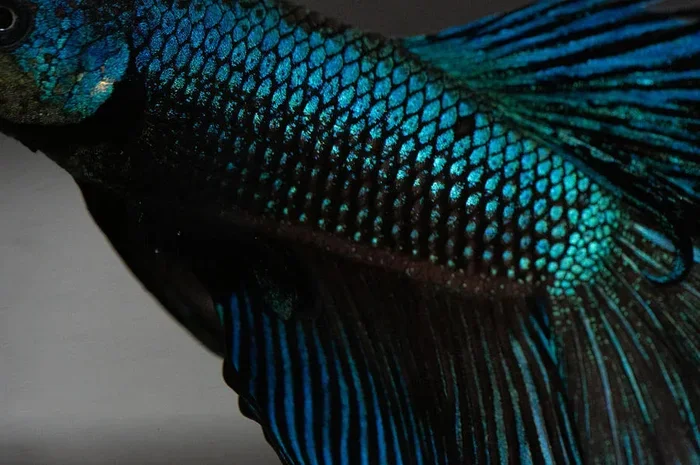
As the fin grows, it gradually takes on the original color and shape. The fin membrane stretches and develops rays. This process is called fin regeneration. It is a natural biological function that bettas are well equipped to handle.
However, the new fin may not look exactly the same as the original. It can be slightly shorter or have a different shape. This is perfectly normal and does not affect your fish’s quality of life.
What Affects Fin Healing Speed
Several factors determine how fast betta fish fins heal. Not all healing timelines are the same. Here are the key factors:
- Water quality: Clean water with zero ammonia and nitrite is essential.
- Temperature: Bettas thrive in warm water between 78 and 80 degrees Fahrenheit.
- Age of the fish: Younger bettas heal faster than older ones.
- Severity of damage: A small tear heals much faster than a large chunk missing.
- Overall health: A well-fed, stress-free betta heals more quickly.
- Infection presence: Bacterial or fungal infections slow healing significantly.
Keep in mind that healing time for betta fins typically ranges from two to eight weeks. Minor tears may heal in just two weeks. Severe damage or fin rot can take the full eight weeks or longer.
Common Causes of Fin Damage
Before you can help your betta heal, you need to know what caused the damage in the first place. Do betta fish fins heal better when you address the root cause. Here are the most common reasons bettas lose or damage their fins.
Fin Rot and Bacterial Infections
Fin rot is the number one cause of fin damage in betta fish. It is a bacterial infection that eats away at the fin edges. The first sign is usually white or ragged edges on the fins. As it progresses, the fins turn red, black, or slimy.
Fin rot thrives in poor water conditions. High ammonia levels, dirty tank water, and low temperatures all create the perfect breeding ground for harmful bacteria. If left untreated, fin rot can eat all the way to the fin base.
The good news is that mild fin rot is very treatable. Once the infection is under control, betta fish fins regrow naturally. The key is catching it early and improving the tank environment.
Physical Injuries in the Tank
Physical damage happens more often than many owners realize. Sharp decorations, rough filter outflows, and aggressive tank mates can all cause fin tears. Bettas have long, flowing fins that are easily caught or nipped.
Do betta fish grow new fins after physical injury? Absolutely. The healing process works the same way. But physical injuries also carry a risk of infection. Any open wound needs clean water to heal properly.
Another common cause is fin nipping from other fish. If your betta shares a tank with fin-nippers like tiger barbs, the damage can be repeated. This prevents healing and causes ongoing stress.
Fin Clamping and Stress
Sometimes the fins do not look damaged, but they are not growing either. This is often a sign of stress. Fin clamping means your betta holds its fins tightly against its body instead of spreading them out.
Stress weakens the immune system. A stressed betta cannot focus energy on healing. Common stressors include bright lights, loud noises, and small tanks. Do betta fish fins heal if stress is not removed? Not efficiently. Addressing the root cause is critical.
How to Tell If Your Betta’s Fins Are Healing
Watching for signs of healing helps you know if your care routine is working. Do betta fish fins grow back visibly, and there are clear indicators along the way.
Signs of Recovery to Watch For
Look for these positive changes in your betta’s fins during the healing process:
- White tips appearing: This means new fin tissue is growing from the base.
- Fin edges becoming smoother: Ragged edges start to look clean and defined.
- Color returning: The new fin tissue picks up the original color over time.
- Fin spreading more: Your betta starts holding its fins open again.
- Reduced clamping: The fish relaxes and stops tucking its fins.
- New membrane growth: Thin, clear tissue extends from the damaged area.
These signs usually appear within the first one to two weeks. Full regrowth depends on how much fin was lost. Be patient and consistent with your care routine.
When Healing Is Not Happening
Sometimes fins do not seem to heal at all. If you see no improvement after two weeks, something is wrong. Here are the most common reasons healing stalls:
- Poor water quality: Ammonia or nitrite levels are too high.
- Ongoing infection: Bacteria or fungus is still active in the tank.
- Low water temperature: Cold water slows the immune system and healing.
- Poor nutrition: The fish lacks the nutrients needed for tissue growth.
- Repeated damage: The same injury keeps happening, preventing progress.
If healing has stalled, test your water parameters immediately. Check ammonia, nitrite, nitrate, and pH levels. Make adjustments as needed and consider adding aquarium salt to support fin regrowth.
Best Practices to Support Fin Healing
You can do a lot to help your betta recover. The right approach creates the ideal environment for betta fish fin healing. Here are the most effective practices.
Water Quality and Tank Conditions
Clean water is the single most important factor in fin healing. Dirty water introduces bacteria that infect wounds and slows tissue regrowth. Follow these steps to maintain excellent water quality:
- Perform regular water changes: Replace 25 to 50 percent of the water every week.
- Use a water conditioner: This removes chlorine and chloramine from tap water.
- Test water parameters weekly: Keep ammonia and nitrite at zero.
- Maintain temperature at 78 to 80 degrees Fahrenheit: Warm water supports healing.
- Use a gentle filter: Strong currents can damage delicate regrowing fins.
Many experienced fish keepers also recommend adding aquarium salt during the healing phase. Salt helps reduce stress, fights mild infections, and supports fin regrowth. Use aquarium-specific salt, not table salt, and follow dosage instructions carefully.
Diet and Nutrition for Fin Regrowth
A healthy diet fuels the healing process. Your betta needs protein and nutrients to build new fin tissue. Feed high-quality betta pellets as the staple diet. Supplement with frozen or live foods like brine shrimp and bloodworms.
Feed small amounts twice a day. Overfeeding leads to poor water quality, which slows healing. Remove any uneaten food after a few minutes to keep the tank clean.
A well-nourished betta has a stronger immune system. This means faster healing and better fin regrowth. Think of food as fuel for the recovery process.
Preventing Future Fin Damage
Healing is great, but prevention is even better. Once your betta’s fins have recovered, you want to keep them healthy. Preventing future damage saves you time, money, and worry.
Tank Setup Tips
A smart tank setup protects your betta’s fins every single day. Here is what to focus on:
- Choose smooth decorations: Avoid sharp plastic plants and rough gravel.
- Use live plants: They provide natural hiding spots and are gentle on fins.
- Install a sponge filter: This provides biological filtration without a strong current.
- Keep the tank at least 5 gallons: Larger tanks mean more stable water conditions.
- Avoid strong lighting: Use subdued lighting to reduce stress.
A well-planned tank setup eliminates most common causes of fin damage. Your betta will be safer and happier in an environment designed with its needs in mind.
Choosing Compatible Tank Mates
If you plan to keep other fish with your betta, choose carefully. Aggressive or fin-nipping species can undo all your healing progress. Good tank mates include snails, shrimp, and peaceful schooling fish like corydoras.
Always monitor your betta and its tank mates closely. If you notice fin nipping or chasing, separate the fish immediately. Do betta fish fins heal best in a peaceful, low-stress environment.
Also, never keep two male bettas together. They will fight and damage each other’s fins severely. This is one of the most important rules of betta fish care.
Expert Insights on Betta Fin Healing
Veterinarians and experienced aquarists agree on a few key points about betta fish fin healing. First, patience is everything. You cannot rush the process. Second, water quality is the foundation of everything else. Third, early intervention gives the best results.
Many owners worry when they first notice fin damage. But remember, do betta fish fins heal naturally in the vast majority of cases. Your job is simply to provide the right conditions. Clean water, proper temperature, good nutrition, and low stress are all your betta needs to recover.
If you ever feel unsure, consult a veterinarian who specializes in fish health. They can prescribe medications for serious infections and give you personalized advice. But for most cases of fin damage, simple tank maintenance is all it takes.
One more thing worth mentioning. Do betta fish grow their fins back completely? In many cases, yes. The new fin may look slightly different at first, but it often fills in beautifully over time. Give your fish the care it deserves, and you will likely see remarkable results.
Conclusion
Do betta fish fins heal? Yes, they absolutely do. Betta fish have a natural ability to regenerate damaged fin tissue. With clean water, proper temperature, good nutrition, and a stress-free environment, most bettas fully recover from fin damage within two to eight weeks.
The key is to act quickly. Identify the cause of the damage, improve tank conditions, and monitor your fish daily. Prevention through a proper tank setup goes a long way in keeping those beautiful fins healthy for years to come.
Take what you have learned here and put it into action today. Your betta fish will thank you with vibrant, flowing fins that make your aquarium truly beautiful.
Frequently Asked Questions
How long does it take for betta fish fins to heal?
Healing time varies depending on the severity of the damage. Minor fin tears typically heal within two to four weeks. More severe damage or fin rot can take six to eight weeks or longer. Clean water and proper care speed up the process significantly.
Can betta fish fins grow back after fin rot?
Yes, betta fish fins can grow back after fin rot, especially if caught early. Treat the bacterial infection with appropriate medication and improve water quality. Once the infection clears, the fins will begin regenerating naturally.
Should I use aquarium salt for healing betta fins?
Aquarium salt can support fin healing by reducing stress and fighting mild infections. Use aquarium-specific salt and follow dosage instructions carefully. Not all bettas react the same way, so monitor your fish closely when adding salt.
Why are my betta fish fins not growing back?
If fins are not regrowing, check your water parameters first. High ammonia or nitrite levels are the most common culprits. Other factors include low temperature, ongoing infection, poor nutrition, or repeated physical damage. Address these issues and healing should resume.
Can I speed up the fin healing process for my betta?
You can support healing by maintaining pristine water quality, keeping the temperature stable at 78 to 80 degrees Fahrenheit, and feeding a nutritious diet. Adding aquarium salt and reducing stress also help. However, you cannot force the healing to happen faster than biology allows.
Do betta fish fins heal differently based on their age?
Yes, younger bettas tend to heal faster than older ones. This is because younger fish have stronger immune systems and more active cell regeneration. Older bettas can still heal, but the process may take a bit longer and require extra attention to water quality and nutrition.