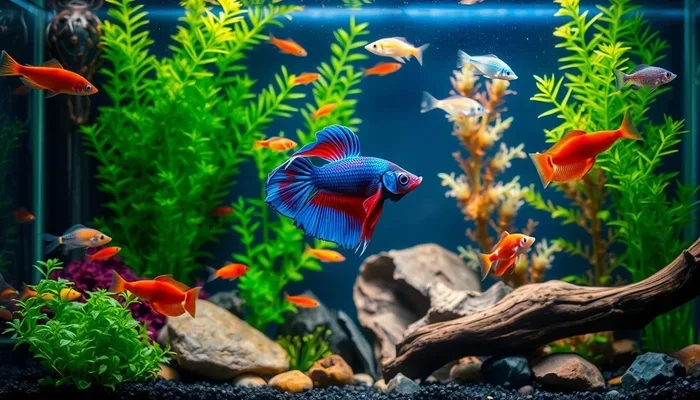
Do Betta Fish Have Stomachs

Yes, betta fish do have stomachs, but they are tiny compared to their body size. Understanding the betta fish digestive system is essential for keeping your fish healthy, happy, and well-fed. This guide covers everything you need to know about betta stomach function, feeding habits, and common digestive problems.
Key Takeaways
- Betta fish do have stomachs: They possess a small, simple stomach that connects to their digestive tract.
- Their stomachs are tiny: A betta’s stomach is roughly the size of their eye, which affects how much and how often you should feed them.
- Overfeeding is a major risk: Because their stomachs are small, bettas can easily become constipated or bloated from too much food.
- Digestion happens quickly: Bettas process food fast, which means they need frequent small meals rather than large ones.
- Gut health matters: Keeping your betta’s digestive system healthy prevents common issues like bloating, constipation, and swim bladder disease.
- Internal organs work together: The betta stomach works alongside the liver, kidneys, and intestines to process food and remove waste.
📑 Table of Contents
Do Betta Fish Have Stomachs?
If you own a betta fish or are thinking about getting one, you might wonder about their anatomy. One question that comes up a lot is whether bettas even have stomachs. The answer is yes. Betta fish do have stomachs, but they are surprisingly small and simple compared to mammals or even some other fish.
Understanding the betta fish digestive system helps you take better care of your pet. When you know how their stomach works, you can feed them properly, avoid health problems, and keep them thriving. Let us dive into the details.
Betta fish are part of the gourami family, and like most fish, they have a basic but effective digestive setup. Their stomach is a small, pouch-like organ that sits just behind the esophagus. From there, food moves into the intestines where nutrients get absorbed. The whole process is fast and efficient.
Many new betta owners do not realize how small the stomach really is. A betta’s stomach is about the same size as their eyeball. This fact shapes everything about how you should feed them. Overfeeding is one of the most common mistakes people make, and it starts with not understanding the betta stomach size and capacity.
The Betta Digestive System Explained
Let us break down the betta fish digestive system step by step. When your betta eats food, it goes through several organs, each playing a specific role.
First, the food enters the mouth and travels down the esophagus into the stomach. The stomach produces digestive enzymes that start breaking down the food. From the stomach, the partially digested food moves into the intestines. The intestines absorb nutrients, and the remaining waste passes through to the exit point.
Several organs support this process. The betta fish liver produces bile that helps digest fats. The kidneys filter waste from the blood. Together, these organs form a connected system that keeps your fish healthy.
One important thing to know is that bettas do not have a large fermentation chamber like some herbivorous fish. They are carnivores by nature, so their digestive tract is designed to process protein-rich foods quickly. This means food moves through their system fast, which is why they need to eat small amounts frequently.
How Big Is a Betta Fish Stomach?
The size of a betta fish stomach is a key factor in their care. As mentioned, it is roughly the size of their eye. This tiny capacity has big implications for feeding and health.
Because the stomach is so small, bettas cannot handle large meals. In the wild, bettas eat small insects, larvae, and tiny crustaceans throughout the day. They are not built to consume one big meal. Instead, they graze on small amounts of food frequently.
This is why many experts recommend feeding bettas two to four small meals per day. Each meal should be no larger than what can fit in their mouth. Following this approach keeps the digestive system working smoothly and prevents overload.
Why Stomach Size Matters for Feeding
If you feed your betta too much at once, the food fills up their tiny stomach quickly. This can lead to bloating, constipation, and a condition called swim bladder disease. The betta fish gut needs room to work properly, and overfilling it causes serious problems.
Underfeeding is another concern, though it is less common. Bettas are opportunistic eaters and will keep eating if food is available. This is why portion control is so important. You should feel confident giving your betta small, measured amounts of food at regular intervals.
A good rule of thumb is to offer only what your betta can eat within two to three minutes. Remove any uneaten food afterward. This keeps the tank clean and prevents digestive issues.
What Happens When a Betta Fish Eats?
Understanding the betta digestion process helps you see why feeding habits matter so much. Let us walk through what happens after your betta takes a bite.
First, the betta uses its small but functional mouth to grab food. Bettas are not picky eaters, but they do prefer meat-based foods. They bite down, and the food travels down the esophagus into the stomach.
In the stomach, digestive enzymes get to work. These enzymes break down proteins and other nutrients. The stomach lining is thin but effective. It is not designed to hold large volumes, so the process moves along quickly.
Next, the food passes into the intestines. Here, nutrients are absorbed into the bloodstream. The liver and kidneys support this stage by processing waste and distributing energy. Finally, undigested material is expelled as waste.
Because this whole process is fast, bettas need a steady supply of small meals. Their betta fish digestive health depends on regular, moderate feeding rather than occasional large meals.
Common Digestive Problems in Betta Fish
Even with the best care, bettas can run into digestive issues. Knowing what to look for helps you catch problems early and keep your fish healthy.
Constipation is one of the most common issues. It happens when food builds up in the intestines and cannot pass through properly. Signs include a swollen belly, loss of appetite, and clamped fins. The good news is constipation is usually easy to fix with a few simple steps.
Bloating is another concern. It often results from overfeeding or feeding foods that are hard to digest. Some commercial foods expand in the stomach, which can cause discomfort. Soaking pellets before feeding helps reduce this risk.
Swim bladder disease is closely linked to digestive problems. When the stomach or intestines become swollen, they can press against the swim bladder. This affects the fish’s ability to control buoyancy. A betta with swim bladder issues may float sideways or struggle to stay upright.
Preventing these problems starts with proper feeding. Offer small portions, use high-quality foods, and include variety. Frozen or live foods like brine shrimp and bloodworms are excellent choices that mimic what bettas eat in the wild.
How to Keep Your Betta Fish Stomach Healthy
Keeping your betta’s digestive system in good shape is not complicated. A few simple habits make a big difference. Here are some practical tips to follow.
First, stick to a consistent feeding schedule. Bettas thrive on routine. Feeding them at the same times each day helps regulate their digestive process. Morning and evening feedings work well for most owners.
Second, vary their diet. A mix of high-quality pellets, frozen foods, and occasional treats keeps their betta fish gut healthy. Different foods provide different nutrients, and variety prevents boredom and nutritional gaps.
Third, watch for warning signs. A healthy betta has a smooth, rounded body without a swollen or distended belly. If you notice changes in appetite, behavior, or body shape, it is time to adjust their diet or consult a vet.
Fourth, maintain clean water. Water quality directly affects digestive health. Poor water conditions stress fish and can lead to illness. Regular water changes and proper filtration go a long way in supporting overall health, including the digestive system.
Fifth, avoid feeding human food. Bread, crackers, and other processed foods are not suitable for bettas. These foods lack proper nutrition and can cause serious digestive blockages. Stick to fish-specific foods that are designed for their needs.
Quick Tips for Better Betta Digestion
- Feed small amounts two to four times a day.
- Soak pellets before offering them to your betta.
- Include live or frozen foods in their diet regularly.
- Remove uneaten food within five minutes of feeding.
- Keep water temperature between 76 and 82 degrees Fahrenheit.
- Perform weekly water changes of 25 to 30 percent.
- Observe your betta daily for any signs of digestive discomfort.
Betta Fish Internal Organs and How They Work Together
The stomach does not work alone. A betta fish has several internal organs that all play a role in digestion and overall health. Understanding this helps you appreciate how interconnected their body systems really are.
The liver is one of the most important supporting organs. It produces bile, which helps break down fats. A healthy liver means better nutrient absorption and more energy for your betta. The kidneys filter toxins from the blood and help maintain water balance in the body.
The intestines are where most nutrient absorption takes place. They are relatively short in bettas, which is typical for carnivorous fish. This short length means food passes through quickly, reinforcing the need for frequent, small meals.
Some people wonder about the betta fish reproductive system and whether it connects to digestion. While the organs are separate, overall health affects everything. A well-fed betta with a healthy digestive system is more likely to thrive during breeding periods. If you are curious about breeding, check out our guide on whether betta fish have to mate.
It is also worth noting that bettas have a simple but effective organ system. Unlike mammals, they do not have a complex multi-chambered stomach. Their single-chamber stomach is perfectly suited to their diet and lifestyle. This simplicity is part of what makes them resilient and adaptable pets.
Taking care of the internal organs starts with what you put into the tank. Good food, clean water, and a stress-free environment support every organ in your betta’s body. When the digestive system works well, the rest of the body follows.
Do Betta Fish Have Other Interesting Anatomy Features?
While we are on the topic of anatomy, it is worth mentioning a few other fascinating features. Bettas have a special organ called the labyrinth, which allows them to breathe air from the surface. This is why they can survive in low-oxygen water. Their betta fish anatomy is full of surprises.
They also have excellent coloration and flowing fins that make them stand out. But underneath all that beauty, their internal systems are simple and efficient. The stomach, intestines, liver, and kidneys all work in harmony to keep the fish alive and healthy.
If you are curious about other aspects of betta anatomy, you might enjoy learning about whether betta fish have tongues, brains, or hearts. Each organ tells a story about how these beautiful fish are built to survive and thrive.
Conclusion
So, do betta fish have stomachs? Yes, they do. Their stomachs are small, simple, and perfectly designed for their carnivorous diet. Understanding the betta fish digestive system is one of the most important steps you can take as a responsible owner.
Feed small amounts frequently, watch for signs of digestive trouble, and keep the water clean. These simple habits go a long way in keeping your betta healthy and happy. The tiny stomach of a betta fish might seem like a small detail, but it shapes everything about how you care for your fish.
Remember, a healthy betta fish gut leads to a healthy, vibrant fish. Take the time to learn your betta’s needs, and you will be rewarded with a happy companion for years to come.
Frequently Asked Questions
How often should I feed my betta fish to keep their stomach healthy?
Feed your betta two to four small meals per day. Each meal should be tiny, about the size of their eye. This mimics their natural eating habits and keeps the digestive system working properly without overloading their stomach.
Can a betta fish’s stomach burst from overfeeding?
While the stomach will not literally burst, overfeeding can cause serious problems like bloating, constipation, and swim bladder disease. These conditions are painful and can be life-threatening if not addressed quickly.
What is the best food for a betta fish’s digestive system?
High-quality betta pellets are the foundation of a good diet. Adding frozen or live foods like brine shrimp and bloodworms provides variety and extra nutrition. Avoid feeding human food or processed snacks.
How can I tell if my betta has a digestive problem?
Look for signs like a swollen belly, loss of appetite, clamped fins, or difficulty swimming. If your betta is not eating or seems lethargic, check the water quality and consider adjusting their diet. Persistent issues should be reviewed by a vet.
Do betta fish need fasting days for better digestion?
Some experts recommend one fasting day per week. This gives the digestive system a break and helps prevent constipation. On fasting days, simply skip feeding and monitor your betta for any signs of discomfort.
Is it normal for a betta fish stomach to look slightly rounded?
Yes, a healthy betta should have a smooth, slightly rounded belly. However, if the belly looks swollen, hard, or distended, that could signal bloating or constipation. A healthy stomach should feel soft and not cause any behavioral changes.