Can U Feed Betta Fish Goldfish Flakes
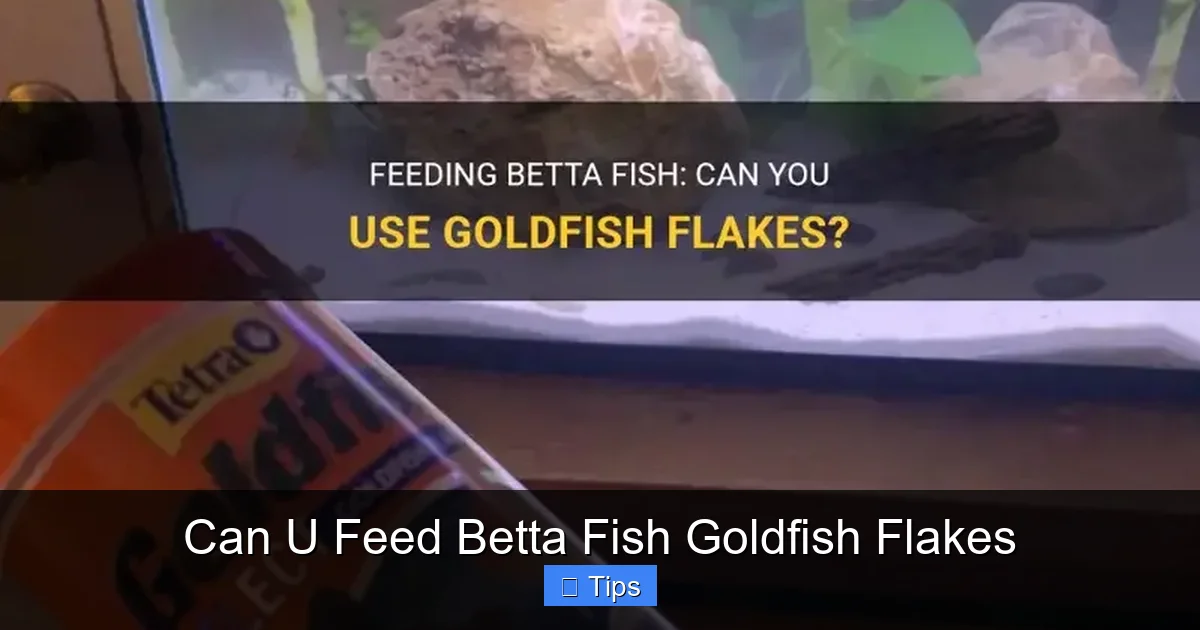
No, you should not feed betta fish goldfish flakes. Betta fish are obligate carnivores with a digestive system built for a high-protein, animal-based diet. Goldfish flakes are primarily plant-based, low in protein, and high in carbohydrates and fillers. Regularly feeding them to bettas leads to severe malnutrition, digestive issues like constipation and swim bladder disease, and a loss of their brilliant colors and fin vitality. The correct diet consists of high-quality betta-specific pellets, frozen or live foods like brine shrimp and daphnia, and occasional treats.
Key Takeaways
- Betta fish are strict carnivores: Their wild diet consists almost entirely of insects, larvae, and small crustaceans, requiring a diet high in animal protein (40-50%+).
- Goldfish flakes are nutritionally inappropriate: They are formulated for herbivorous/omnivorous goldfish, containing mostly plant matter, low protein, and additives bettas cannot digest.
- Feeding goldfish flakes causes health problems: This includes malnutrition, constipation, swim bladder disorder, faded colors, and a weakened immune system.
- The ideal diet is protein-centric: Use high-quality betta pellets as a staple, supplemented with frozen or live foods like bloodworms, brine shrimp, and daphnia 2-3 times weekly.
- Feed small portions, once or twice daily: A betta’s stomach is the size of its eye. Overfeeding, even with proper food, pollutes water and causes bloat.
- Observe your betta’s response: A healthy betta on a proper diet will have vibrant colors, active behavior, clear eyes, and long, flowing fins.
- Never use “emergency” plant-based foods: In a pinch, a tiny piece of cooked, unseasoned shrimp or a daphnia culture is far better than any goldfish or tropical flake food.
📑 Table of Contents
- Understanding the Betta Fish: A Carnivore in a Community Tank
- Why Goldfish Flakes Are a Nutritional Disaster for Bettas
- What to Feed Your Betta Instead: The Perfect Diet Blueprint
- What About Other “Emergency” Foods? A Clear Hierarchy
- How to Transition a Betta from a Poor Diet
- Debunking Common Myths and Final Advice
Understanding the Betta Fish: A Carnivore in a Community Tank
Let’s start with the absolute basics, because this is where the fundamental misunderstanding happens. The betta fish, with its flowing fins and proud demeanor, is not a gentle plant-eater. It is a micro-predator. In the shallow, warm rice paddies and slow-moving streams of Southeast Asia where it originates, the Siamese fighting fish is an opportunistic hunter. Its menu in the wild is a relentless buffet of mosquito larvae, tiny insects that fall into the water, zooplankton, and small crustaceans. This is a diet bursting with animal protein and fat, with virtually no plant matter. Their entire physiology—from their upturned mouths designed to grab prey at the water’s surface to their short, simple digestive tracts—is built for this carnivorous lifestyle.
This is the critical fact that makes the question “can u feed betta fish goldfish flakes” so easily answered with a firm “no.” Goldfish, by stark contrast, are primarily herbivorous/omnivorous bottom-feeders. Their flakes are engineered for them: packed with vegetable matter, algae, and wheat germ, with protein content often hovering around 30% or less. Giving a betta this food is like feeding a lion a salad. It might nibble at it out of desperation, but it is fundamentally the wrong fuel for its body. The consequences of this mismatch are not just about missing out on nutrients; they are about actively harming your fish over time.
The Myth of the “Easy” Fish and Its “Easy” Food
Betta fish have a reputation as “beginner” or “starter” fish, often sold in tiny cups at pet stores. This reputation is a double-edged sword. It leads people to believe they are incredibly hardy and can eat anything. This is dangerously false. Their hardiness is often a desperate survival mechanism in poor conditions, not an indication of optimal health. When you see a betta in a cup, it’s often surviving on the residue of food and its own body fat, not thriving. The “easy” food—a generic flake or pellet from the community tank—is part of this problem. Marketing often groups all “tropical fish” together, but their nutritional needs are worlds apart. A food that keeps a molly or a swordtail alive will slowly starve and sicken a betta.
Why Goldfish Flakes Are a Nutritional Disaster for Bettas
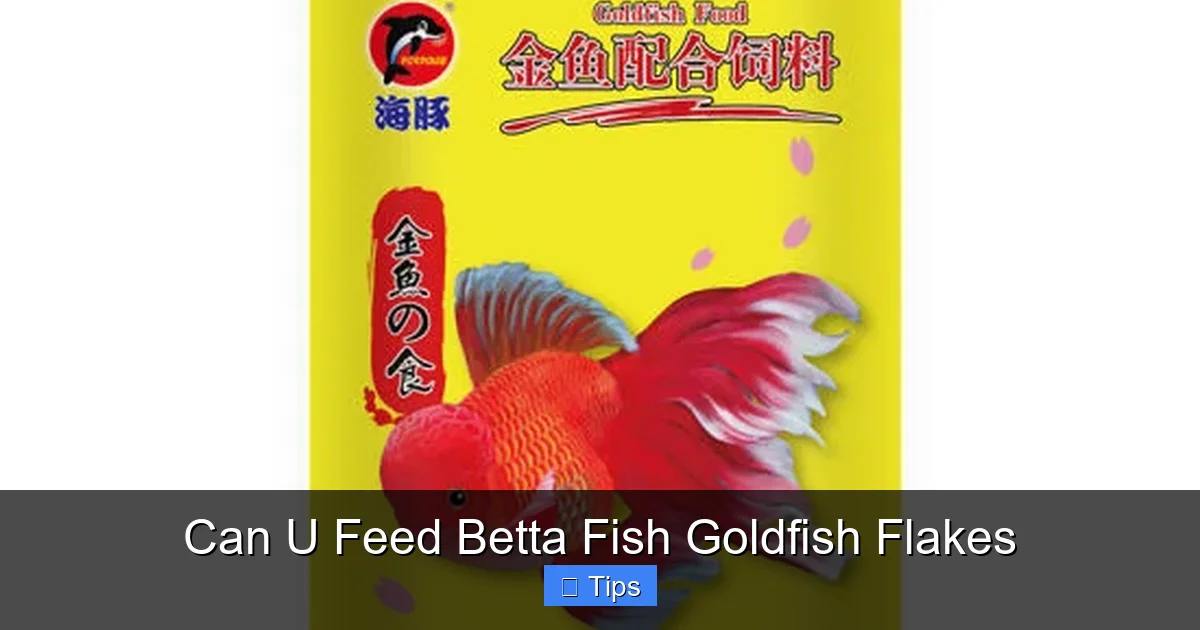
So, what exactly is in those goldfish flakes that makes them so bad? Let’s break down the typical ingredient list. You’ll find things like soybean meal, wheat flour, corn gluten meal, and various algae meals. These are all plant-based proteins and carbohydrates. While bettas can *process* some plant matter, they cannot *utilize* it efficiently for energy or growth. Their bodies lack the enzymes to break down complex plant fibers and starches properly. This leads to two major issues: malnutrition and digestive trauma.
Visual guide about Can U Feed Betta Fish Goldfish Flakes
Image source: petfood.guide
First, the protein content is woefully inadequate. A thriving betta needs a diet with a minimum of 40% crude protein, and ideally closer to 50% or more from animal sources. Goldfish flakes typically max out at 30-32% protein, and it’s the wrong kind. Second, the carbohydrate load is extremely high. Bettas have no real need for carbs. Excess carbs are stored as fat, leading to obesity in the liver and other organs, a condition called fatty liver disease. This is a common, often fatal, ailment in bettas on improper diets. Third, these flakes contain “fillers” and binders that simply pass through the betta’s system undigested, adding bulk but no nutrition and clouding the water as they decompose.
The Specific Health Problems That Arise
The slow degradation from a goldfish flake diet manifests in several clear ways:
- Swim Bladder Disorder (SBD): This is the most common and visible issue. The swim bladder is a gas-filled organ that helps a fish control its buoyancy. A diet high in indigestible plant matter and air (from gulping surface flakes) causes constipation, which presses against the swim bladder. The betta then floats upside down, sinks and can’t rise, or swims erratically. It’s painful and often fatal if not corrected quickly with fasting and proper treatment.
- Malnutrition & Faded Colors: The vibrant reds, blues, and greens of a healthy betta come from carotenoids and other pigments found in their natural prey. A plant-based diet lacks these. Over weeks and months, a betta’s colors will dull, become washed out, and lose their metallic sheen. Fins may become ragged and shorter as the fish lacks the protein for proper fin growth and repair.
- Constipation and Dropsy: The indigestible matter clogs the digestive tract. You’ll see a visibly swollen, “puffy” abdomen. If this leads to a systemic bacterial infection where fluid builds up under the scales (pinecone-like appearance), it’s dropsy, which is almost always terminal.
- Weakened Immune System: Without the essential amino acids, vitamins (like B12, which is only found in animal tissue), and minerals from a proper diet, the betta’s immune function plummets. It becomes susceptible to fungal infections, velvet, fin rot, and other common aquarium diseases that a healthy fish could easily fight off.
What to Feed Your Betta Instead: The Perfect Diet Blueprint
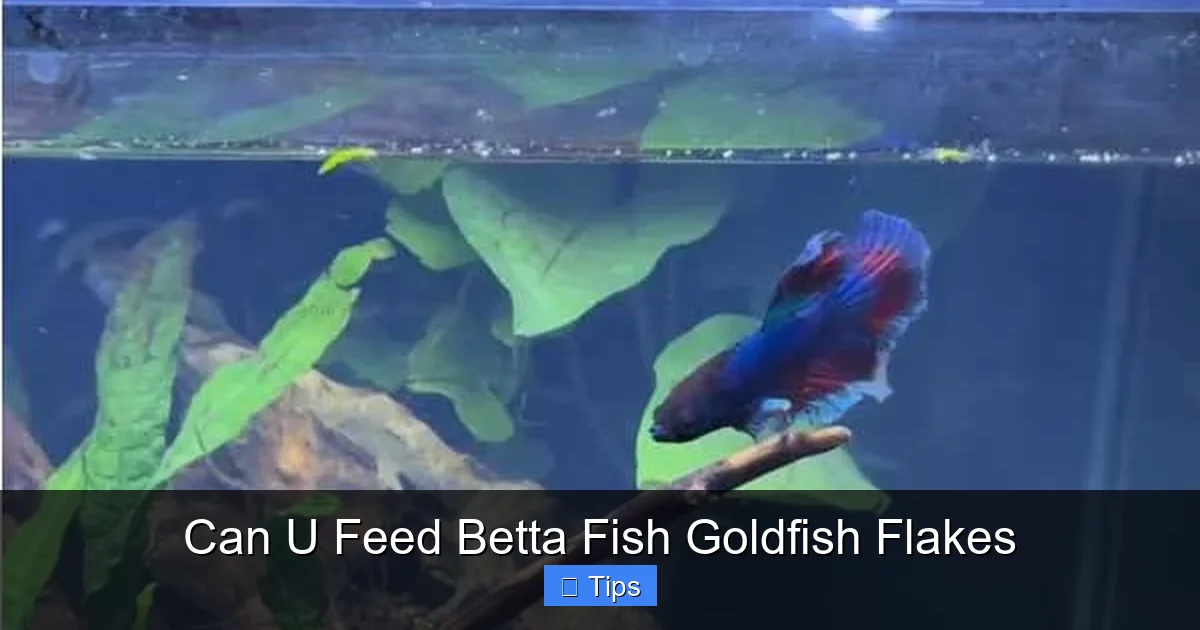
Now for the good news! Feeding your betta correctly is simple, inexpensive, and the single most impactful thing you can do for its health and beauty. The cornerstone is a high-quality betta-specific pellet. These are formulated with 40-50%+ protein from animal sources like fish meal, shrimp meal, and squid. Look for pellets that list a specific animal protein as the first ingredient. They are designed to sink slowly or float briefly, matching a betta’s surface-feeding nature. Feed 2-3 pellets per day, once or twice daily. Any uneaten pellets must be removed within 5 minutes to prevent water pollution.
Visual guide about Can U Feed Betta Fish Goldfish Flakes
Image source: bettafishnest.com
However, pellets alone are like eating only fortified cereal. You need fresh, whole foods. This is where frozen and live foods come in. They provide essential nutrients, moisture, and mental stimulation (the chase!). The absolute best staples are:
- Frozen Brine Shrimp: The gold standard. Rich in protein and carotenoids for color. Easy to store and feed. Rinse before offering.
- Frozen Bloodworms: Another excellent high-protein favorite. Use in moderation as they are rich and can cause constipation if overfed.
- Frozen Daphnia: Water fleas. These are fantastic for aiding digestion and are a natural laxative. They are smaller and perfect for smaller bettas. Highly recommended to feed once a week to keep things moving.
- Live Foods (Occasionally): Microworms, vinegar eels, or newly hatched brine shrimp are incredible for conditioning a betta for breeding or as a rare treat. They offer unbeatable stimulation.
Offer these frozen or live foods 2-3 times per week, replacing one of the pellet feedings. A varied diet is a healthy diet.
How to Prepare and Feed: Practical Tips
Frozen foods come in little cubes or blocks. To feed, you break off a tiny corner—we’re talking a piece no larger than a betta’s eye for a single serving. Place it in a small cup of tank water to thaw (never use microwave!). Once thawed, use a pipette or your fingers to release it right in front of your betta. For pellets, sprinkle 2-3 on the surface. Watch your betta eat. If it doesn’t consume them all within a few minutes, you are overfeeding. A good rule: a betta’s stomach is roughly the size of its eyeball. Portion control is paramount.
Always maintain excellent water quality. A well-fed betta on a proper diet will produce more waste. This means weekly water changes (25-30%) and a good filter are non-negotiable. Cloudy water after feeding is a sign you’re putting in too much food.
What About Other “Emergency” Foods? A Clear Hierarchy
Life happens. You run out of betta pellets. Maybe you’re visiting a friend who only has goldfish flakes. Before you consider those, know the emergency food hierarchy, from best to worst:

Visual guide about Can U Feed Betta Fish Goldfish Flakes
Image source: petshun.com
- Best: A piece of cooked, unseasoned shrimp or a tiny bit of raw, deshelled pea (cooked and mushed) can be used for constipation relief. The pea is a common home remedy.
- Good: Any other betta or carnivore pellet. If you have a community tank with a protein-rich pellet (e.g., for tetras or barbs), that’s a fine short-term substitute.
- Acceptable (Briefly): A few crushed tropical flakes *from a reputable brand* that lists fish meal as a top ingredient. This is still suboptimal but better than goldfish flakes due to higher protein content.
- Never: Goldfish flakes/pond sticks, turtle pellets, or any food labeled for herbivores/omnivores like plecos or African cichlids (which are also often plant-heavy). These are a direct path to health problems.
The key is to think “carnivore.” If the primary protein source is a plant, it’s wrong. If it’s fish, shrimp, squid, or krill, it’s on the right track.
How to Transition a Betta from a Poor Diet
If you’ve inherited a betta that’s been surviving on goldfish flakes or generic tropical flakes, it may be reluctant to try new, healthier foods. Its system is used to easy-to-digest (but poor-quality) carbs. Patience is key.
First, fast the betta for 24-48 hours. This gives its digestive system a reset and builds hunger. Do not worry about starving it; a healthy adult betta can easily go a week without food. Then, offer a tiny, tiny piece of a high-quality frozen food like brine shrimp. Use tweezers or a pipette to hold it right in front of its face. Wiggle it slightly to trigger its predatory instinct. If it ignores it, remove it after 10 minutes and try again in a few hours. You may need to do this for 2-3 days. Once it takes the frozen food, introduce a pellet alongside it. The strong smell and movement of the frozen food can encourage the betta to investigate the stationary pellet. Be consistent. Within a week, most bettas will accept pellets. A transition to a proper diet often results in a visible “filling out” of the body, renewed energy, and, over months, improved color.
Debunking Common Myths and Final Advice
Let’s clear up some persistent misinformation. “Bettas can survive on plant matter.” Survival is not the goal; thriving is. They can *subsist* for a while, but they will slowly deteriorate. “Goldfish flakes are fine in a pinch.” No pinch is worth risking swim bladder disease. Find a real alternative. “My betta eats the flakes and seems fine.” The damage is internal and cumulative. The faded colors and lethargy you might attribute to “just his personality” are likely dietary. “All fish food is the same.” It is not. Read labels. Your betta’s life depends on it.
Your betta is a living jewel, a creature of stunning beauty and personality. It deserves a diet that matches its carnivorous nature. Ditch the goldfish flakes permanently. Invest in a small container of quality betta pellets and a pack of frozen brine shrimp. This simple switch will add vibrant color, lively activity, and years to your betta’s life. You will see the difference in its flowing fins, its curious gaze at the glass, and its energetic patrols of its territory. That’s the reward of respecting the biology of this magnificent little predator.
Frequently Asked Questions
Can I occasionally give my betta a few goldfish flakes if I have no other food?
In a true, rare emergency where no other food exists, 2-3 flakes *might* stave off immediate hunger but should never become a habit. The risks of digestive upset and long-term harm are high. It’s far better to fast the betta for a day and seek proper food immediately.
What is the absolute best commercial betta food I can buy?
Look for brands that list a whole animal protein (like salmon, shrimp, or krill) as the first ingredient and have a guaranteed protein content of at least 40%. Reputable brands include Hikari Betta Bio-Gold, New Life Spectrum Betta Formula, and Fluval Bug Bites. These are excellent staple pellets.
How often and how much should I feed my betta?
Feed once or twice daily, providing only what it can consume in 2-3 minutes. A good rule is 2-3 high-quality pellets per feeding for an adult betta. Skip one day a week (a “fasting day”) to aid digestion. Always remove any uneaten food promptly.
Can betta fish eat other types of fish food, like tropical flakes or pellets?
Some “tropical” flakes or pellets are better than goldfish flakes if they are high-protein and made for carnivores/insectivores (like for tetras or barbs). However, they are still not ideal as a staple. A betta-specific food is always the best choice for long-term health.
What are the first signs my betta is suffering from a poor diet like goldfish flakes?
Early signs include faded or dull colors, lethargy (hiding at the bottom), loss of appetite for new foods, and a slightly swollen or “puffy” abdomen. Later, you’ll see clear signs of constipation, swim bladder disorder (odd swimming), and deteriorating fin quality.
Is it ever okay to feed a betta only live or frozen foods without pellets?
While live/frozen foods are fantastic supplements, they should not be the sole diet. High-quality pellets are nutritionally balanced and formulated for complete health. A diet of only live food can be too rich and may lack certain vitamins. Use pellets as your base and supplement with frozen/live foods 2-3 times a week.