Can a Betta Fish Live with a Plecostomus
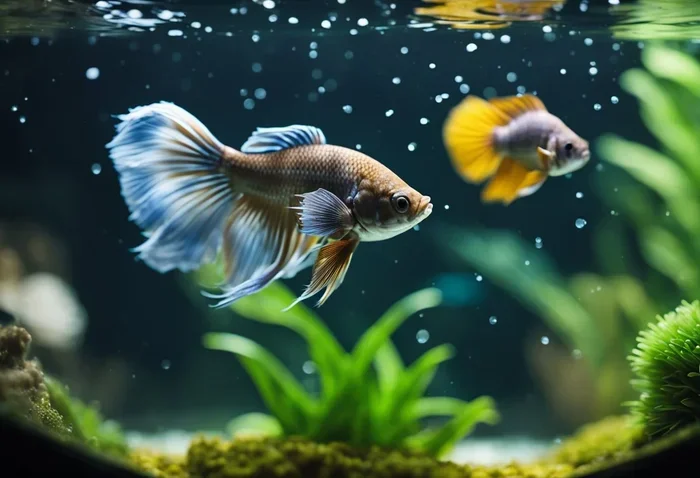
So, can a betta fish live with a plecostomus? In many cases, yes — but it depends on several important factors. The plecostomus (commonly called a “pleco”) is a popular bottom-dwelling algae eater, and many betta owners wonder if this pairing works. The truth is that betta fish and plecos can coexist peacefully when the tank is large enough, the water conditions suit both species, and the right pleco type is chosen. Let us break down everything you need to know.
Key Takeaways
- Tank size matters: You need at least a 20-gallon tank to comfortably house both a betta and a plecostomus together.
- Pleco type is critical: Not all plecos are safe for bettas. Common plecos can grow too large, while smaller species like otocinclus or bristlenose plecos are better choices.
- Betta personality varies: Some bettas are peaceful, while others are highly territorial and may attack a pleco no matter what.
- Water parameters must match: Both species prefer warm, slightly acidic to neutral water, but you should always verify the specific needs of your pleco species.
- Provide hiding spots: Caves, driftwood, and plants help reduce stress and territorial disputes between these two tank mates.
- Monitor closely at first: The first few days and weeks are the most important for observing behavior and intervening if aggression occurs.
- Alternative tank mates exist: If a pleco does not work, consider shrimp, snails, or smaller algae eaters as safer options for your betta.
📑 Table of Contents
- Can a Betta Fish Live with a Plecostomus? A Complete Compatibility Guide
- What Is a Plecostomus?
- Betta Fish and Plecostomus Compatibility
- Potential Problems Between Bettas and Plecos
- Setting Up a Tank for Both Species
- Alternative Tank Mates for Your Betta
- Expert Tips for Success
- Common Mistakes to Avoid
- Conclusion
Can a Betta Fish Live with a Plecostomus? A Complete Compatibility Guide
Every betta fish owner eventually asks the same question: can a betta fish live with a plecostomus? You love your betta’s bright colors and personality, but you also want a helpful cleanup crew to keep algae under control. The plecostomus seems like the perfect candidate. After all, these catfish are famous for eating algae and scavenging leftover food from the tank floor.
The short answer is yes, they can live together in many cases. But “yes” comes with a big asterisk. The success of this pairing depends heavily on your tank size, the specific pleco species, your betta’s temperament, and how you set up the aquarium. A poorly planned introduction can lead to stress, injury, or even death for one or both fish.
This guide covers everything you need to know before adding a plecostomus to your betta tank. We will look at compatibility, potential problems, tank setup tips, and alternatives if this pairing is not the right fit for you.
What Is a Plecostomus?
A plecostomus (often just called a “pleco”) is a type of armored catfish from the family Loricariidae. These fish originate from freshwater rivers and streams in South America. They are best known as bottom feeders and algae eaters. Many aquarium hobbyists add plecos to help manage algae growth and keep the tank clean.
Plecos attach themselves to glass, rocks, and driftwood using a specialized sucking mouth. They scrape algae off surfaces and graze on biofilm throughout the day. Most pleco species are nocturnal, meaning they become more active at night. During the day, they like to hide in caves or under decorations.
Common Pleco Species for Home Aquariums
Not all plecos are the same. Different species vary widely in size, temperament, and care requirements. Here are the most common types you will encounter:
- Common Pleco (Hypostomus plecostomus): This is the species most people think of. It can grow up to 24 inches long. It is far too large for a typical home aquarium and is not suitable for betta tanks.
- Bristlenose Pleco (Ancistrus cirrhosus): A much smaller species that reaches about 4 to 6 inches. This is one of the best choices for a betta tank.
- Otocinclus (Otocinclus vittatus): Tiny and peaceful, growing only about 2 inches. These are excellent algae eaters and work well with bettas.
- Panda Pleco (Aphanotorulus spinosus): Reaches about 4 to 5 inches. A good mid-size option with a peaceful nature.
- Clown Pleco (Panaqolus maccus): Small at about 3 to 4 inches. Known for being peaceful and colorful.
When considering can a betta fish live with a plecostomus, always choose a smaller species. The common pleco is absolutely not a viable option for a betta community tank. It will outgrow any reasonable aquarium and may even harm your betta out of sheer size alone.
Betta Fish and Plecostomus Compatibility
The compatibility between bettas and plecos is not a simple yes or no. It depends on the individual fish and the environment. Let us break down the factors that determine whether this pairing will work for you.
Why This Pairing Can Work
There are several reasons bettas and plecos can coexist peacefully:
- Different swimming zones: Bettas occupy the middle and upper parts of the tank, while plecos stay near the bottom. This natural separation reduces direct competition for space and food.
- Plecos are generally peaceful: Most smaller pleco species are non-aggressive and will not bother your betta. They focus on eating algae and minding their own business.
- Algae control benefits: A pleco serves as a natural cleanup crew. Your betta tank stays cleaner, and excess algae is consumed before it can overrun the aquarium.
- Similar water preferences: Both species thrive in warm water between 72°F and 82°F (22°C to 28°C) with a pH between 6.5 and 7.5. This overlap makes it easier to maintain stable conditions for both.
For more detailed information about pleco compatibility, check out this helpful resource on can you have a plecostomus with a betta fish.
Why This Pairing Might Fail
On the other hand, there are real risks you need to understand:
- Betta aggression: Bettas are known for being territorial. A male betta may see a pleco as an intruder, especially if the tank is too small. Your betta might chase, nip, or attack the pleco constantly.
- Pleco size problems: Even a “small” pleco species can grow larger than expected. A bristlenose pleco at 6 inches is still a substantial fish in a 10-gallon betta tank.
- Food competition: Bettas are slow eaters. A pleco that is always scavenging at the bottom may consume food before your betta gets to it, leading to underfeeding.
- Pleco defense mechanisms: Some plecos have hardened plates and sharp spines. If a betta attacks, the pleco may defend itself, causing injury to both fish.
- Stress for both fish: Constant chasing or hiding indicates an unhealthy environment. Chronic stress weakens the immune system of both your betta and your pleco.
Understanding fish compatibility is essential before adding any new tank mate. If you want to explore other options, this guide on what types of fish can live with a male betta offers great insight into safe pairings.
Potential Problems Between Bettas and Plecos
Even with the best setup, problems can arise. Here are the most common issues betta owners face when housing these two species together.
Territorial Aggression from the Betta
Bettas are naturally territorial creatures. In the wild, they defend territories from other fish. In captivity, this instinct does not disappear. A male betta especially may view a pleco as a threat to his domain.
Signs of betta aggression include:
- Flaring gills and spreading fins when seeing the pleco
- Chasing the pleco around the tank
- Nipping at the pleco’s fins or body
- Refusing to eat because the betta is too focused on defending territory
If you notice these behaviors, you need to separate the fish immediately. Do not wait for the situation to resolve itself. Aggression usually gets worse over time, not better.
Pleco Overgrowth and Tank Size Issues
One of the biggest mistakes aquarists make is underestimating how large a pleco can get. A bristlenose pleco starts out small and cute at 1 inch, but it can reach 5 to 6 inches within a year or two. If your tank is too small, the pleco produces more waste, which degrades water quality. Poor water conditions directly harm your betta’s health.
As a rule of thumb, plan for at least a 20-gallon tank when housing a betta with a pleco. A 10-gallon tank might work temporarily, but it is not ideal for long-term housing. The more space, the better both fish will feel.
Algae and Waste Buildup
Plecos do eat algae, but they also produce a significant amount of waste. They are not a magic solution for tank cleanliness. Overfeeding your pleco leads to excess nutrients in the water, which fuels more algae growth instead of less. A balanced approach to feeding and regular water changes are still necessary.
Setting Up a Tank for Both Species
If you have decided to keep a betta and a pleco together, proper tank setup makes all the difference. Here is how to create a safe and comfortable environment for both.
Tank Size and Dimensions
Go with at least a 20-gallon long tank if possible. The length provides more horizontal swimming space for your betta and more bottom area for your pleco. Height matters less since bettas like to swim upward and plecos stay low.
Decorations and Hiding Spots
Both species benefit from plenty of hiding places:
- Caves and rock formations give the pleco a safe retreat
- Driftwood provides surfaces for algae growth and hiding spots
- Live or silk plants create visual barriers that reduce territorial tension
- Open swimming areas let your betta patrol its territory without feeling crowded
Avoid sharp decorations that could damage the betta’s delicate fins. Also, make sure the substrate is smooth. Gravel with rough edges can injure a pleco’s belly as it forages along the bottom.
Filtration and Water Flow
A reliable filter is essential for both species. Plecos need clean, well-oxygenated water. Bettas prefer gentle water flow because they are weak swimmers. Choose a filter with adjustable flow or position it so the current is not too strong in the betta’s favorite swimming areas.
Water Parameters
Here is a quick reference table for the ideal water conditions:
| Parameter | Betta Fish | Plecostomus | Overlap Zone |
|---|---|---|---|
| Temperature | 75-82°F (24-28°C) | 72-82°F (22-28°C) | 75-82°F |
| pH Level | 6.5-7.5 | 6.5-7.5 | 6.5-7.5 |
| Water Hardness | Soft to moderate | Soft to hard | Moderate |
| Ammonia/Nitrite | 0 ppm | 0 ppm | 0 ppm |
| Nitrate | Below 20 ppm | Below 20 ppm | Below 20 ppm |
As you can see, both species share very similar water requirements. This is one reason the pairing can work so well when conditions are properly maintained.
Feeding Both Fish
Feed your betta first. Place pellets or flakes near your betta’s favorite spot and let it eat undisturbed. Then drop sinking wafers or blanched vegetables (zucchini, cucumber, peas) for the pleco near the bottom. This strategy helps ensure both fish get adequate nutrition without competition.
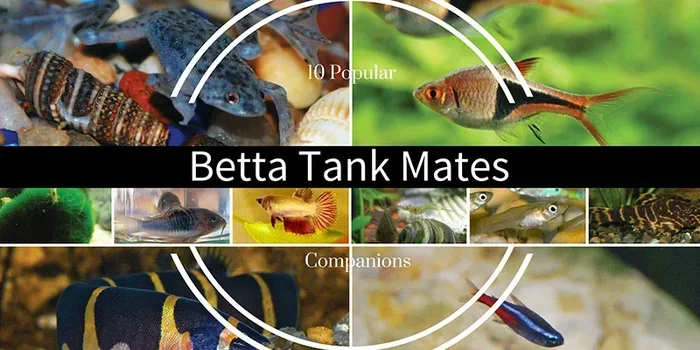
Alternative Tank Mates for Your Betta
If you are unsure about a pleco, there are many other options that work well with bettas. Not every aquarist needs an algae eater, and some fish make better community partners for your betta.
Peaceful Bottom Dwellers
- Otocinclus: These tiny catfish are among the safest tank mates for bettas. They stay small, eat algae, and rarely cause problems.
- Kuhli Loach: Peaceful and eel-like, kuhlis stay near the bottom and add visual interest to the tank.
- Corydoras Catfish (small species): Pygmy corydoras stay small and are generally harmless to bettas.
Snails
Snails are another excellent cleanup option. Mystery snails and nerite snails are popular choices. They stay small, eat algae, and your betta usually ignores them completely. For more information on snails as tank mates, see this article about can freshwater snail live with a betta fish.
Shrimp
Ghost shrimp and cherry shrimp can live with bettas in certain situations. They are small and serve as algae eaters. However, your betta might see them as food, so results vary. Adding plenty of plants gives shrimp a better chance of survival.
Small Schooling Fish
If you want to add movement and color, consider small schooling fish like ember tetras or neon tetras. These species stay peaceful and occupy the mid-water column, keeping distance from your betta’s territory. You can learn more about tetra compatibility in our article on can a betta fish live with neon tetras.
Expert Tips for Success
Here are practical tips from experienced aquarists to help you make the best decisions for your betta and pleco setup:
- Quarantine new fish first. Keep your pleco in a separate quarantine tank for 2 to 4 weeks before introducing it to your betta. This prevents disease transmission and lets you observe the pleco’s behavior.
- Introduce the pleco first. Let the pleco settle into the tank and establish territory before adding your betta. This reduces the chance of your betta perceiving the pleco as a new invader.
- Never add both at the same time. Simultaneous introductions often lead to immediate territorial disputes.
- Watch for warning signs. Clamped fins, hiding constantly, refusing to eat, or excessive flaring all indicate stress. Address these signs quickly.
- Keep the tank well-planted. Plants break lines of sight and create natural barriers. This reduces confrontation between territorial fish.
- Perform weekly water changes. Both species benefit from fresh, clean water. Aim for 25 to 30 percent water changes every week.
- Have a backup plan. Always have a spare quarantine tank ready. If aggression occurs, you need somewhere to put the fish immediately.
Common Mistakes to Avoid
New aquarists often make these mistakes when trying to keep bettas and plecos together:
- Choosing the wrong pleco species: A common pleco in a 10-gallon tank is a disaster waiting to happen. Always research the adult size of your chosen pleco before purchasing.
- Using a tank that is too small: Cramped conditions amplify aggression. Give both fish plenty of room.
- Overfeeding the pleco: Excess food rots in the tank and pollutes the water. Feed only what the pleco can consume in a few hours.
- Ignoring water quality: Poor water parameters harm both fish. Test your water weekly and keep ammonia and nitrite at zero.
- Assuming all bettas are the same: Every betta has a unique personality. Some are docile, while others are aggressive. Do not assume your betta will accept a pleco without testing it first.
Conclusion
So, can a betta fish live with a plecostomus? The answer is yes, under the right conditions. A smaller pleco species like a bristlenose, panda, or otocinclus can be a great companion for your betta. The key factors are adequate tank size (at least 20 gallons), proper water parameters, plenty of hiding spots, and careful monitoring during the introduction period.
Not every pairing will work, and that is completely normal. Fish personalities vary widely. Some bettas welcome a pleco as a calm tank mate, while others attack anything that enters their territory. The important thing is to plan ahead, set up the tank correctly, and watch both fish closely during the first few weeks.
If the pairing does not work out, do not feel discouraged. There are plenty of alternative tank mates that can coexist peacefully with your betta. The goal is always a healthy, happy aquarium where every fish thrives. Use what you have learned here to make the best decision for your specific situation, and enjoy the rewards of a well-planned community tank.
Frequently Asked Questions
Can a common pleco live with a betta fish?
No, a common pleco is not suitable for a betta tank. Common plecos can grow up to 24 inches long and produce massive amounts of waste. They are far too large and demanding for a typical home aquarium. Choose a smaller species like a bristlenose pleco or otocinclus instead.
What is the best pleco for a betta tank?
The otocinclus and bristlenose pleco are the top choices. Otocinclus stay very small (around 2 inches) and are extremely peaceful. Bristlenose plecos grow to about 4 to 6 inches but remain calm and make excellent algae eaters. Both species coexist well with bettas in properly sized tanks.
Will a pleco eat my betta’s food?
Plecos are opportunistic feeders and may consume sinking food before your betta gets to it. To prevent this, feed your betta first at the surface, then drop sinking wafers or vegetables for the pleco near the bottom of the tank. This ensures both fish eat their fair share.
How big of a tank do I need for a betta and pleco?
A minimum of 20 gallons is recommended. A 10-gallon tank can work temporarily but is not ideal for long-term housing. The larger the tank, the better both fish will feel. More space means less territorial tension and cleaner water parameters.
What signs show that a betta and pleco are not getting along?
Watch for constant chasing, flaring gills, clamped fins, excessive hiding, refusal to eat, or visible injuries. These are clear signs of stress and aggression. If you notice any of these behaviors, separate the fish immediately and reconsider your tank mate choices.
Are there pleco species that should never be kept with bettas?
Yes. Avoid the common pleco, royal pleco, and any large-growing species. These fish outgrow standard home aquariums and produce too much waste for a betta-safe environment. Also, some aggressive pleco species may harass your betta. Always research the adult size and temperament before purchasing any pleco.